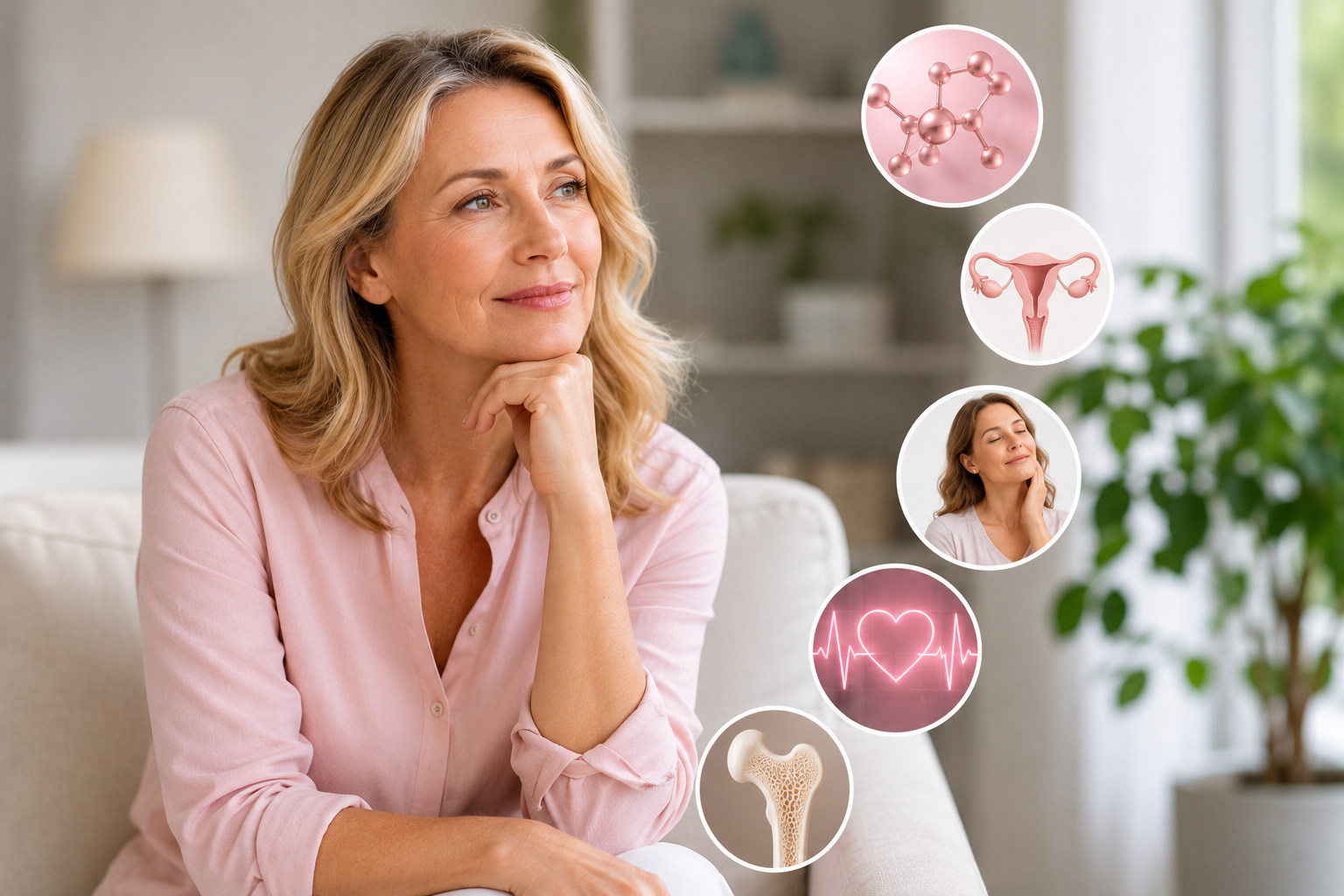
Is Breast Pain Normal Before a Period?

Understanding Cyclical Breast Pain, Causes, Relief, and When to See a Healthcare Provider

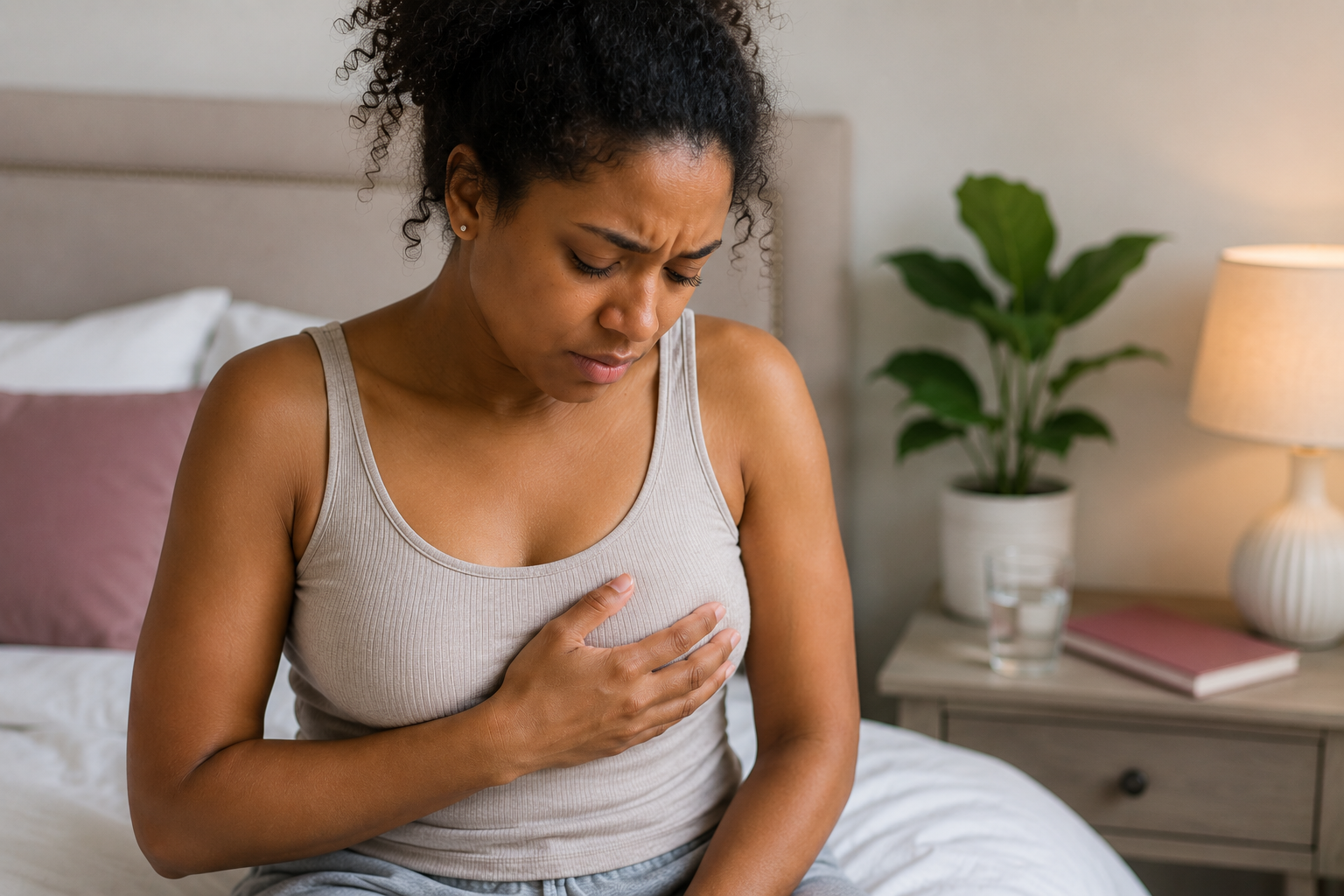
Many women notice that their breasts become sore, tender, swollen, or heavier in the days leading up to their period. If you’ve ever wondered whether this is normal, you’re not alone. Breast pain before menstruation is one of the most common symptoms of the menstrual cycle and is often linked to normal hormonal changes.

Although breast tenderness is usually nothing to worry about, it’s important to understand what causes it, how to relieve discomfort, and when breast pain may be a sign that you should seek medical attention.

In this guide, we’ll explain why breast pain happens before a period, what symptoms are considered normal, treatment options, lifestyle tips, and warning signs you shouldn’t ignore.

Is Breast Pain Before a Period Normal?

Yes. For many women, breast pain before a period is completely normal.

This type of discomfort is called cyclical breast pain (cyclical mastalgia) because it follows your menstrual cycle. It usually begins a few days to two weeks before your period starts and often improves or disappears once menstruation begins.

Hormonal fluctuations—particularly changes in estrogen and progesterone—can cause the breast tissue to swell and become more sensitive.

While not every woman experiences breast pain, it’s considered a common part of the menstrual cycle.

Why Do Breasts Hurt Before a Period?

The menstrual cycle causes hormone levels to rise and fall throughout the month.

During the second half of your cycle (after ovulation), estrogen and progesterone prepare your body for a possible pregnancy.

These hormonal changes can:

  • Increase fluid retention
  • Cause breast tissue to swell
  • Make milk ducts and glands enlarge temporarily
  • Increase breast sensitivity

As hormone levels decrease when your period begins, breast tenderness often improves.

Common Symptoms

Normal cyclical breast pain may include:

  • Tenderness in one or both breasts
  • Swelling
  • A feeling of fullness or heaviness
  • Aching or soreness
  • Increased sensitivity to touch
  • Pain that spreads toward the armpits

Many women notice symptoms affecting both breasts rather than just one.

When Does Breast Pain Usually Start?

Breast pain often begins:

  • A few days before menstruation
  • About one to two weeks before your period
  • After ovulation during the luteal phase of your cycle

Symptoms usually improve within the first few days of your period.

What Does Normal Breast Pain Feel Like?

Every woman experiences it differently.

Some describe:

  • A dull ache
  • A heavy feeling
  • Mild soreness
  • Sharp sensitivity when touched
  • General tenderness throughout the breast

Pain can range from barely noticeable to uncomfortable enough to affect daily activities.

Other Possible Causes of Breast Pain

While hormones are the most common cause before a period, breast pain isn’t always related to menstruation.

Other possible causes include:

Breast Cysts

Fluid-filled cysts can make breasts feel tender or lumpy.

Fibrocystic Breast Changes

Some women naturally have lumpier breast tissue that becomes more noticeable during hormonal changes.

Poorly Fitting Bras

Lack of proper support can contribute to breast discomfort, especially during exercise.

Muscle Strain

Pain from the chest muscles can sometimes feel like breast pain.

Pregnancy

Breast tenderness is often one of the earliest signs of pregnancy because hormone levels rise rapidly.

Certain Medications

Some medications, including hormone therapies, may contribute to breast tenderness.

Can Diet Affect Breast Pain?

Research on diet and breast pain is mixed, but maintaining a balanced diet may support overall health.

Some women find it helpful to:

  • Reduce excess sodium before their period to help minimize fluid retention.
  • Eat plenty of fruits and vegetables.
  • Choose whole grains instead of refined carbohydrates.
  • Include healthy fats from foods like salmon, walnuts, chia seeds, and flaxseeds.
  • Stay well hydrated.

Because responses vary from person to person, keeping a symptom diary may help identify whether certain foods seem to influence your discomfort.

Tips to Help Relieve Breast Pain

Fortunately, there are several ways to ease breast tenderness.

Wear a Supportive Bra

A properly fitted bra can reduce movement and improve comfort.

Sports bras may provide additional support during exercise.

Apply Warm or Cool Compresses

Some women find relief using:

  • Warm compresses
  • Heating pads (used safely)
  • Cool packs wrapped in a towel

Choose whichever feels most comfortable.
Stay Active

Regular physical activity supports overall health and may help some women manage menstrual symptoms.

Choose activities you enjoy, such as:

  • Walking
  • Swimming
  • Cycling
  • Yoga

Get Enough Sleep

Quality sleep supports hormone regulation and overall well-being.

Aim for 7 to 9 hours each night whenever possible.

Manage Stress

Stress doesn’t directly cause cyclical breast pain, but it can make discomfort feel more intense.

Helpful stress-management techniques include:

  • Deep breathing
  • Meditation
  • Gentle stretching
  • Journaling
  • Spending time outdoors

Over-the-Counter Pain Relief

If breast pain becomes uncomfortable, over-the-counter pain relievers may help for some people.

Because medications aren’t appropriate for everyone, follow the directions on the label and talk with your healthcare provider if you have questions or underlying medical conditions.

Should You Stop Exercising?

Not necessarily.

Many women can continue exercising normally.

If movement makes your breasts uncomfortable, wearing a supportive sports bra may reduce discomfort during workouts.

Is Breast Pain a Sign of Breast Cancer?

Most breast pain—especially pain that occurs before your period—is not caused by breast cancer.

Breast cancer is more commonly associated with:

  • A new lump that persists
  • Changes in breast shape
  • Skin dimpling
  • Nipple changes
  • Bloody nipple discharge

Although breast pain alone is usually not a sign of breast cancer, any new or persistent breast changes should be evaluated by a healthcare provider.

When Should You See a Healthcare Provider?

Schedule a medical evaluation if:

  • Pain affects only one breast and doesn’t improve.
  • Pain continues after your period ends.
  • You discover a new lump that doesn’t go away.
  • You notice nipple discharge, especially if it’s bloody.
  • Your breast becomes red, warm, or swollen.
  • Pain is severe or interferes with your daily activities.
  • You notice changes in the skin or nipple.
  • You’re concerned about any new breast symptom.

A healthcare provider may recommend a clinical breast exam or imaging, depending on your age, symptoms, and medical history.

Can You Prevent Breast Pain?

Not all breast pain can be prevented, especially when it’s caused by normal hormonal changes.

However, these healthy habits may help some women:

  • Wear supportive bras.
  • Exercise regularly.
  • Stay hydrated.
  • Eat a balanced diet.
  • Get adequate sleep.
  • Manage stress.
  • Maintain a healthy weight.

Frequently Asked Questions

Is it normal for only one breast to hurt before a period?

Cyclical breast pain usually affects both breasts, although one side may occasionally feel more uncomfortable than the other. Persistent pain in only one breast should be evaluated by a healthcare provider.

How many days before my period do breasts usually hurt?

Many women notice tenderness beginning about 3 to 10 days before menstruation, though timing varies from person to person.

Does breast pain mean my period is coming?

Breast tenderness is a common premenstrual symptom, but it isn’t a guaranteed sign that your period will start soon. Other factors, including pregnancy and certain medications, can also cause breast tenderness.

Is breast pain worse during perimenopause?

It can be. Hormone levels fluctuate more during perimenopause, and some women notice increased breast tenderness during this stage of life.

Can caffeine cause breast pain?

Research has not established that caffeine causes breast pain. Some women report symptom improvement after reducing caffeine, while others notice no difference.

Final Thoughts

Breast pain before a period is a common experience for many women and is usually linked to normal hormonal changes throughout the menstrual cycle. Although the tenderness can be uncomfortable, it often improves once your period begins and is not usually a sign of a serious health condition.

Pay attention to your body, track changes from month to month, and don’t hesitate to seek medical advice if something feels unusual or if pain is persistent, severe, or accompanied by other concerning symptoms. Understanding what’s normal for your body can help you feel more confident and empowered to care for your breast health throughout every stage of life.
How to Choose Healthier Meals and Prepare Them

Simple Tips to Build Nutritious Eating Habits That Last

Healthy eating doesn’t have to be complicated, expensive, or time-consuming. In fact, some of the healthiest meals are made with simple, wholesome ingredients that are easy to prepare at home. Whether your goal is to improve your energy, support hormone health, maintain a healthy weight, or simply feel your best, learning how to choose healthier meals is one of the most valuable skills you can develop.

Many women struggle with busy schedules, family responsibilities, and limited time to cook. As a result, it’s easy to rely on fast food, processed meals, or takeout. While there’s nothing wrong with enjoying these foods occasionally, making nutritious choices more often can have a positive impact on your overall health.

This guide will help you understand how to choose healthier meals, prepare them with confidence, and build eating habits that support long-term wellness.

Why Healthy Meals Matter

The food you eat provides your body with the nutrients it needs to function properly. A balanced diet can help support:

  • Healthy energy levels
  • Brain function and concentration
  • Heart health
  • Bone strength
  • Muscle maintenance
  • Immune function
  • Digestive health
  • Hormone production
  • Healthy skin and hair

Eating a variety of nutrient-rich foods also helps your body obtain essential vitamins, minerals, antioxidants, fiber, healthy fats, and protein.

Start with Whole Foods

One of the easiest ways to improve your meals is to choose more whole foods.

Whole foods are foods that are minimally processed and close to their natural form.

Examples include:

  • Fresh fruits
  • Vegetables
  • Whole grains
  • Beans
  • Lentils
  • Nuts
  • Seeds
  • Eggs
  • Fish
  • Chicken
  • Plain Greek yogurt
  • Sweet potatoes

These foods often contain more nutrients and fiber than heavily processed alternatives.

Build a Balanced Plate

A simple way to create healthier meals is to divide your plate into sections.

Aim for:

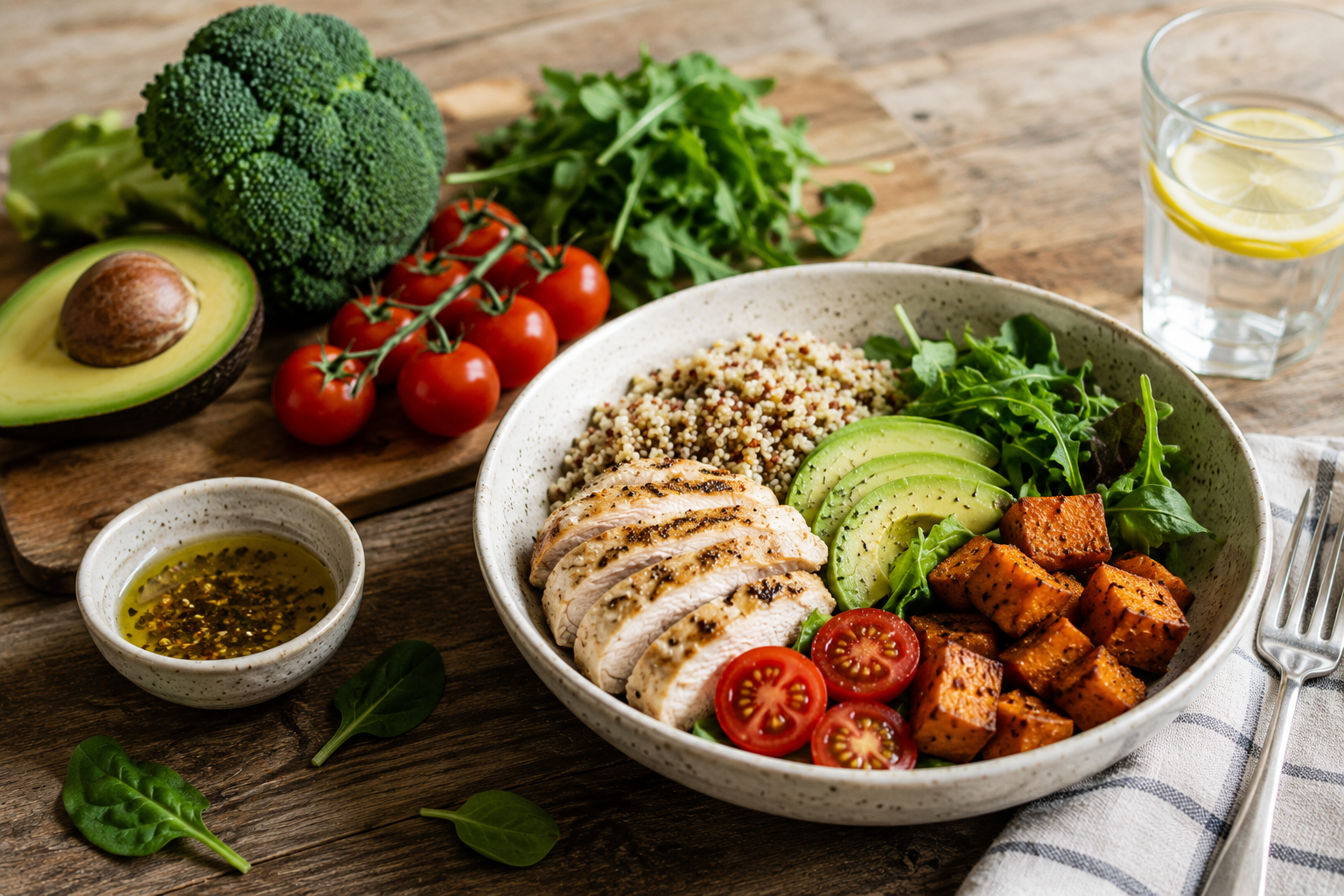
  • Half your plate: Colorful vegetables and fruits
  • One-quarter: Lean protein
  • One-quarter: Whole grains or starchy vegetables

Healthy fats can be added in moderate amounts through foods such as:

  • Avocados
  • Olive oil
  • Nuts
  • Seeds

This balanced approach helps provide protein, fiber, vitamins, minerals, and satisfying healthy fats.

Choose Lean Protein

Protein plays an important role in building and repairing tissues while helping you stay full between meals.

Healthy protein options include:

  • Salmon
  • Tuna
  • Chicken breast
  • Turkey
  • Eggs
  • Greek yogurt
  • Cottage cheese
  • Tofu
  • Lentils
  • Black beans
  • Chickpeas

Including protein with meals and snacks may help reduce hunger and support muscle health.

Fill Up on Colorful Vegetables

Different colored vegetables provide different nutrients.

Try including vegetables like:

  • Spinach
  • Broccoli
  • Bell peppers
  • Carrots
  • Tomatoes
  • Brussels sprouts
  • Green beans
  • Cauliflower
  • Zucchini
  • Kale

Eating a variety of colors throughout the week helps increase the diversity of nutrients in your diet.

Choose Smart Carbohydrates

Carbohydrates provide your body with energy, but not all carbohydrate sources are equally nutritious.

Instead of refined grains, choose:

  • Brown rice
  • Quinoa
  • Oats
  • Whole wheat bread
  • Whole wheat pasta
  • Barley
  • Sweet potatoes

Whole grains contain more fiber, which supports digestion and helps you feel satisfied longer.

Include Healthy Fats

Healthy fats are important for hormone production, brain health, and absorbing certain vitamins.

Good choices include:

  • Olive oil
  • Avocados
  • Almonds
  • Walnuts
  • Chia seeds
  • Flaxseeds
  • Natural peanut butter

A little goes a long way since healthy fats are calorie-dense.

Read Food Labels

Reading nutrition labels can help you make informed decisions.

Look for foods that are:

  • Lower in added sugars
  • Lower in sodium
  • Higher in fiber
  • Rich in protein
  • Made with recognizable ingredients

Pay attention to serving sizes, as they may be smaller than expected.

Plan Your Meals

Meal planning helps reduce stress and makes healthy eating more convenient.

Start by choosing a few meals for the week.

Make a grocery list based on those meals to avoid unnecessary purchases and reduce food waste.

Simple meal ideas include:

  • Grilled salmon with roasted vegetables
  • Chicken stir-fry with brown rice
  • Turkey chili
  • Greek yogurt with berries and granola
  • Vegetable omelet with whole-grain toast
  • Quinoa salad with grilled chicken

Prepare Healthy Meals at Home

Cooking at home gives you more control over ingredients and portion sizes.

Healthy cooking methods include:

  • Baking
  • Grilling
  • Roasting
  • Steaming
  • Air frying
  • Sautéing with small amounts of olive oil

These methods often require less added fat than deep frying.

Keep Healthy Ingredients on Hand

Stock your kitchen with nutritious staples such as:

  • Frozen vegetables
  • Frozen fruit
  • Brown rice
  • Quinoa
  • Oats
  • Canned beans
  • Tuna
  • Eggs
  • Olive oil
  • Herbs and spices
  • Nuts
  • Seeds

Having healthy ingredients readily available makes preparing meals much easier.

Make Healthy Swaps

Small substitutions can improve the nutritional value of your meals.

Try swapping:

Instead of white rice → Brown rice

Instead of sour cream → Plain Greek yogurt

Instead of sugary cereal → Oatmeal

Instead of chips → Roasted chickpeas

Instead of soda → Sparkling water with fruit

Instead of creamy dressings → Olive oil and vinegar

These simple changes can add up over time.

Watch Portion Sizes

Even nutritious foods can contribute to excess calorie intake if portions become too large.

Helpful tips include:

  • Use smaller plates.
  • Eat slowly.
  • Stop eating when comfortably satisfied.
  • Avoid eating directly from large packages.
  • Portion snacks into small containers.

Listening to your hunger and fullness cues may help prevent overeating.

Stay Hydrated

Water supports nearly every function in the body.

Aim to drink water regularly throughout the day.

You can also increase hydration by eating foods with high water content such as:

  • Cucumbers
  • Watermelon
  • Strawberries
  • Celery
  • Oranges
  • Lettuce

Sometimes thirst can be mistaken for hunger.

Healthy Snacks Matter Too

Nutritious snacks can help maintain energy between meals.

Healthy options include:

  • Apple slices with peanut butter
  • Greek yogurt with berries
  • Cottage cheese with pineapple
  • Mixed nuts
  • Hummus and vegetables
  • Hard-boiled eggs
  • Roasted chickpeas
  • Homemade energy bites

Combining protein and fiber often helps snacks feel more satisfying.

Don’t Aim for Perfection

Healthy eating isn’t about eliminating your favorite foods forever.

Instead, focus on consistency.

Enjoy treats occasionally while making nutritious choices most of the time.

A balanced lifestyle is more sustainable than following strict or overly restrictive diets.

Frequently Asked Questions

What is the healthiest meal I can eat?

There’s no single healthiest meal. A balanced meal that includes lean protein, vegetables, whole grains, and healthy fats is a great choice for most people.

Is cooking at home healthier?

Often, yes. Preparing meals at home allows you to control ingredients, cooking methods, sodium, added sugars, and portion sizes.

How can I eat healthy on a budget?

Choose affordable staples like beans, oats, eggs, frozen vegetables, canned tuna, brown rice, and seasonal produce. Buying in bulk and planning meals can also help save money.

Do I have to give up desserts?

No. Enjoying desserts in moderation can fit into a healthy eating pattern. Choosing healthier versions made with whole-food ingredients can also be a satisfying option.

What’s the easiest healthy meal for beginners?

A simple grilled chicken breast with roasted vegetables and brown rice is easy to prepare, balanced, and nutritious. Baked salmon with broccoli and quinoa is another excellent beginner-friendly meal.

Final Thoughts

Choosing healthier meals doesn’t require perfection or complicated recipes. Small, consistent changes—like filling your plate with colorful vegetables, choosing lean proteins, cooking more meals at home, and planning ahead—can make a meaningful difference over time.

Remember that healthy eating is a journey, not a destination. Every nutritious meal is an opportunity to nourish your body and support your long-term health. By making thoughtful choices and preparing simple, balanced meals, you can build habits that help you feel energized, confident, and well for years to come.


How to Treat a Yeast Infection: Causes, Symptoms, Treatment, and Prevention

Yeast infections are one of the most common vaginal health concerns women experience. In fact, it’s estimated that about 3 out of 4 women will have at least one yeast infection during their lifetime. While they can be uncomfortable and frustrating, the good news is that most yeast infections are treatable and often clear up with the right care.

If you’ve ever experienced itching, burning, or unusual discharge, you may have wondered whether you have a yeast infection and what you can do to feel better. In this guide, we’ll explain what yeast infections are, how to recognize the symptoms, treatment options, home care tips, and when it’s important to see a healthcare provider.

What Is a Yeast Infection?

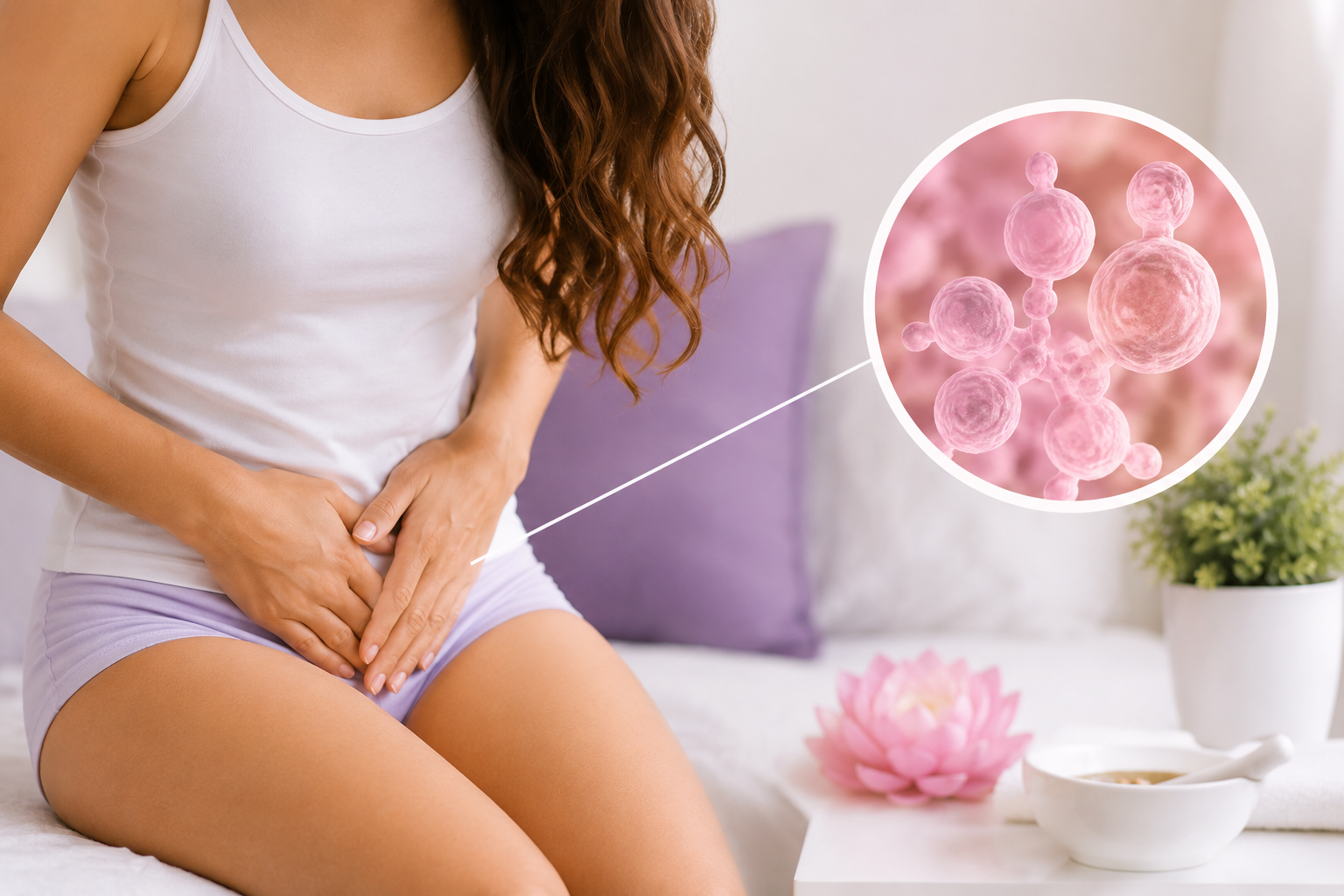
A vaginal yeast infection, also known as vaginal candidiasis, is a fungal infection caused by an overgrowth of a yeast called Candida, most commonly Candida albicans.

Candida naturally lives in the vagina alongside healthy bacteria. Under normal circumstances, these microorganisms stay in balance. However, certain factors can disrupt this balance, allowing yeast to multiply and cause an infection.

Although yeast infections are common, they’re not considered a sexually transmitted infection (STI). They can affect women of all ages, especially during their reproductive years.

Common Symptoms of a Yeast Infection

Symptoms can range from mild to severe and can include:

  • Intense vaginal itching
  • Burning around the vaginal opening
  • Redness or swelling of the vulva
  • Thick, white vaginal discharge that looks like cottage cheese
  • Little or no odor
  • Pain during urination, especially if urine touches irritated skin
  • Pain or discomfort during sexual intercourse
  • Small cracks or irritation in the skin around the vulva

Not every woman experiences all of these symptoms, and symptoms can overlap with other vaginal conditions such as bacterial vaginosis or certain sexually transmitted infections.

What Causes Yeast Infections?

Several factors can increase the risk of developing a yeast infection, including:

Antibiotic Use

Antibiotics kill harmful bacteria but can also reduce the healthy bacteria that normally help keep yeast under control.

Hormonal Changes

Pregnancy, hormonal birth control, and hormone therapy may increase the likelihood of yeast overgrowth in some women.

Diabetes

High blood sugar levels can promote yeast growth, especially if diabetes is not well controlled.

A Weakened Immune System

Certain medical conditions or medications that affect the immune system may make yeast infections more likely.

Moist Environments

Wearing damp workout clothes or staying in wet swimsuits for long periods can create a warm, moist environment where yeast thrives.

High Blood Sugar

Frequent spikes in blood sugar may encourage yeast growth in some individuals.

How Is a Yeast Infection Diagnosed?

If this is your first suspected yeast infection or your symptoms are severe, it’s a good idea to see a healthcare provider.

Diagnosis may include:

  • Asking about your symptoms and medical history
  • A pelvic examination
  • Collecting a sample of vaginal discharge to examine under a microscope or send to a laboratory if needed

Getting the correct diagnosis is important because not every case of vaginal itching or discharge is caused by a yeast infection.

How to Treat a Yeast Infection

Treatment depends on the severity of symptoms and whether the infection is occasional or recurring.

Over-the-Counter Antifungal Medications

Many uncomplicated yeast infections respond well to over-the-counter antifungal creams, ointments, suppositories, or vaginal tablets. These products are available in one-day, three-day, and seven-day treatment options.

Examples include medications containing antifungal ingredients such as:

  • Miconazole
  • Clotrimazole
  • Tioconazole

Always follow the package instructions carefully and complete the full course of treatment, even if symptoms improve sooner.

Prescription Medication

A healthcare provider may prescribe an oral antifungal medication or a stronger antifungal cream if:

  • Symptoms are severe
  • The infection keeps coming back
  • Over-the-counter treatment doesn’t work
  • You have certain medical conditions that require additional evaluation

Take prescription medications exactly as directed.

Home Care Tips to Help You Feel More Comfortable

While medication treats the infection, these simple self-care measures may help reduce discomfort:

  • Wear loose-fitting cotton underwear.
  • Change out of sweaty clothes right after exercising.
  • Avoid scented soaps, feminine sprays, or douches.
  • Gently clean the vulva with warm water and mild, unscented soap if needed.
  • Avoid scratching the affected area, which can worsen irritation.
  • Stay well hydrated and eat a balanced diet.

Can Diet Help?

Research is ongoing, but maintaining an overall healthy eating pattern may support general health.

Focus on:

  • Plenty of vegetables
  • Whole grains
  • Lean protein
  • Healthy fats
  • Foods rich in fiber

If you have diabetes, keeping blood sugar within your target range may also reduce your risk of recurring infections.

Can Probiotics Help?

Some women choose to include probiotic-rich foods such as:

  • Plain yogurt with live cultures
  • Kefir
  • Fermented vegetables

While research has not conclusively shown that probiotics treat yeast infections, they may support a healthy balance of bacteria in the body for some people. They should not replace proven antifungal treatments.

What to Avoid During a Yeast Infection

While you’re recovering, it may help to avoid:

  • Tight clothing
  • Wet swimsuits for extended periods
  • Scented pads or tampons
  • Bubble baths
  • Vaginal douching
  • Harsh cleansers
  • Wearing the same workout clothes after exercising

How to Help Prevent Future Yeast Infections

Although not every infection can be prevented, these habits may lower your risk:

  • Wear breathable cotton underwear.
  • Change out of damp clothing promptly.
  • Avoid unnecessary antibiotic use (only take antibiotics as prescribed).
  • Manage blood sugar if you have diabetes.
  • Wipe from front to back after using the bathroom.
  • Avoid scented feminine hygiene products.
  • Keep the genital area clean and dry.

When Should You See a Healthcare Provider?

You should seek medical advice if:

  • This is your first suspected yeast infection.
  • You’re pregnant.
  • Symptoms don’t improve after treatment.
  • Symptoms return within two months.
  • You have frequent yeast infections (four or more per year).
  • You develop fever, severe pelvic pain, or foul-smelling discharge.
  • You’re unsure whether your symptoms are caused by a yeast infection.

These symptoms may indicate another condition that requires different treatment.

Frequently Asked Questions

Can a yeast infection go away on its own?

Some mild infections may improve, but many require antifungal treatment. If you’re unsure, speak with a healthcare provider rather than waiting for symptoms to worsen.

Is a yeast infection contagious?

Yeast infections are generally not considered sexually transmitted infections, although sexual activity can sometimes contribute to irritation or, less commonly, yeast transmission between partners.

Can I exercise with a yeast infection?

Yes, but it’s a good idea to change out of sweaty workout clothes as soon as possible to reduce moisture.

Can stress cause yeast infections?

Stress itself is not a direct cause, but chronic stress may affect immune function, which could contribute to an increased risk in some people.

Can I have sex during a yeast infection?

Many healthcare providers recommend waiting until treatment is complete and symptoms have resolved. Sexual activity may worsen irritation and some antifungal creams can weaken latex condoms and diaphragms.

Final Thoughts

Yeast infections are common, treatable, and usually not a cause for alarm. Recognizing the symptoms early and using appropriate antifungal treatment can often bring relief within a few days. Just as importantly, maintaining healthy habits—such as wearing breathable clothing, avoiding unnecessary antibiotics, and practicing gentle vulvar care—may help reduce the chances of future infections.

If your symptoms are severe, keep coming back, or don’t improve with treatment, don’t ignore them. A healthcare provider can determine whether a yeast infection is truly the cause and recommend the most appropriate treatment. Taking care of your vaginal health is an important part of your overall well-being, and seeking medical advice when needed is always a smart step.


Does Eating Differently Colored Vegetables Help You Lose Weight?

When it comes to healthy eating and weight loss, you’ve probably heard advice like “eat the rainbow” or “fill your plate with colorful vegetables.” But does the color of your vegetables really make a difference when it comes to losing weight?

The short answer is yes—and no.

Eating differently colored vegetables won’t magically cause weight loss on their own. However, colorful vegetables provide a wide variety of nutrients, fiber, antioxidants, and plant compounds that can support appetite control, improve overall health, and make it easier to maintain a healthy weight.

Let’s explore why colorful vegetables deserve a place on your plate and how they may help support your weight-loss goals.

What Does “Eating the Rainbow” Mean?

Eating the rainbow refers to consuming fruits and vegetables in a variety of colors, including:

  • Red
  • Orange
  • Yellow
  • Green
  • Blue/Purple
  • White

Each color contains different vitamins, minerals, antioxidants, and phytonutrients that provide unique health benefits.

The more colors you include in your diet, the broader range of nutrients your body receives.

How Vegetables Support Weight Loss

Before discussing color, it’s important to understand why vegetables are often recommended for weight loss.

  1. Vegetables Are Low in Calories

Most vegetables contain relatively few calories compared to processed foods.

For example:

  • 1 cup broccoli: approximately 30 calories
  • 1 cup cucumbers: approximately 16 calories
  • 1 cup spinach: approximately 7 calories

Because vegetables are low in calorie density, they allow you to eat larger portions while consuming fewer calories overall.

  1. Vegetables Are Rich in Fiber

Fiber is one of the most important nutrients for weight management.

Fiber helps:

  • Increase feelings of fullness
  • Slow digestion
  • Reduce hunger between meals
  • Support healthy blood sugar levels

Women often struggle to get enough fiber, and increasing vegetable intake is one of the easiest ways to boost daily fiber consumption.

  1. Vegetables Add Volume to Meals

Adding vegetables to meals increases the size of your meals without dramatically increasing calories.

A large salad, vegetable soup, or stir-fry can help you feel satisfied while supporting a calorie deficit if weight loss is your goal.

Why Vegetable Color Matters

Different colors indicate the presence of different nutrients and plant compounds.

By eating a variety of colors, you gain access to a broader range of health benefits that may indirectly support weight loss and overall wellness.

Red Vegetables

Examples include:

  • Tomatoes
  • Red bell peppers
  • Radishes
  • Beets
  • Red cabbage

Red vegetables contain compounds such as lycopene and anthocyanins.

Potential benefits include:

  • Supporting heart health
  • Reducing inflammation
  • Protecting cells from oxidative stress

Inflammation and poor metabolic health can make healthy weight management more challenging, so foods that support overall health may indirectly support weight-loss efforts.

Orange and Yellow Vegetables

Examples include:

  • Carrots
  • Sweet potatoes
  • Butternut squash
  • Yellow peppers
  • Pumpkin

These vegetables are rich in:

  • Beta-carotene
  • Vitamin A
  • Vitamin C

Benefits may include:

  • Supporting immune function
  • Promoting healthy skin
  • Supporting eye health

Sweet potatoes and squash are particularly satisfying because they provide fiber and complex carbohydrates that can help reduce cravings and keep you full longer.

Green Vegetables

Examples include:

  • Spinach
  • Kale
  • Broccoli
  • Brussels sprouts
  • Green beans
  • Zucchini

Green vegetables are often considered nutritional powerhouses.

They contain:

  • Folate
  • Magnesium
  • Vitamin K
  • Iron
  • Fiber

Benefits include:

  • Supporting energy production
  • Promoting healthy digestion
  • Helping regulate blood sugar levels

Many green vegetables are especially filling because of their fiber content while remaining low in calories.

Blue and Purple Vegetables

Examples include:

  • Eggplant
  • Purple cabbage
  • Purple carrots
  • Purple cauliflower

These vegetables contain anthocyanins, powerful antioxidants associated with numerous health benefits.

Potential benefits include:

  • Supporting brain health
  • Reducing oxidative stress
  • Supporting healthy aging

While these vegetables don’t directly burn fat, they contribute to a nutrient-rich eating pattern that supports long-term health.

White Vegetables

Examples include:

  • Cauliflower
  • Mushrooms
  • Garlic
  • Onions
  • Turnips

White vegetables are often overlooked but provide important nutrients and beneficial compounds.

Benefits may include:

  • Supporting immune health
  • Promoting digestive health
  • Supporting heart health

Cauliflower, has become popular for weight-conscious eating because it can replace higher-calorie ingredients in recipes while adding volume and nutrients.

Can Colorful Vegetables Reduce Cravings?

Possibly.

Many women struggle with cravings because their meals lack enough:

  • Fiber
  • Protein
  • Nutrients
  • Volume

Colorful vegetables can help address several of these issues.

A meal containing:

  • Lean protein
  • Healthy fats
  • Colorful vegetables

is often more satisfying than a meal dominated by highly processed foods.

When meals are more satisfying, cravings may naturally decrease.

Do Different Colored Vegetables Boost Metabolism?

There is no evidence that vegetable color itself directly boosts metabolism.

However, vegetables support metabolic health in several ways:

  • Providing essential nutrients
  • Supporting gut health
  • Improving blood sugar regulation
  • Reducing overall calorie intake
  • Supporting healthy digestion

A healthy metabolism depends on many factors, including nutrition, sleep, exercise, stress management, and adequate calorie intake.

The Gut Health Connection

Your gut health may influence appetite regulation, digestion, and overall wellness.

Vegetables provide prebiotic fibers that feed beneficial gut bacteria.

A diverse vegetable intake may promote a more diverse gut microbiome, which researchers believe may play a role in maintaining a healthy weight.

The more variety you consume, the more types of beneficial fibers your gut receives.

Easy Ways to Eat More Colors

If you’re trying to eat more colorful vegetables, keep it simple.

Breakfast

Add:

  • Spinach to eggs
  • Tomatoes to omelets
  • Bell peppers to breakfast scrambles

Lunch

Build a colorful salad with:

  • Leafy greens
  • Red cabbage
  • Carrots
  • Cucumbers
  • Bell peppers

Dinner

Fill half your plate with vegetables such as:

  • Broccoli
  • Roasted carrots
  • Brussels sprouts
  • Cauliflower
  • Green beans

Snacks

Try:

  • Bell pepper slices
  • Cucumber sticks
  • Cherry tomatoes
  • Baby carrots

A Sample Rainbow Plate

A balanced meal might include:

  • Grilled chicken breast
  • Roasted broccoli
  • Red bell peppers
  • Sweet potatoes
  • Purple cabbage slaw

This meal provides protein, fiber, healthy carbohydrates, and a variety of vitamins and antioxidants that support overall health.

The Bottom Line

Eating differently colored vegetables is not a magic weight-loss solution, but it can be a powerful strategy for improving your overall diet.

Colorful vegetables provide fiber, vitamins, minerals, antioxidants, and plant compounds that help support fullness, digestion, blood sugar control, and long-term health.

If weight loss is your goal, focus on creating balanced meals that include:

  • Plenty of colorful vegetables
  • Adequate protein
  • Healthy fats
  • Whole-food carbohydrates

Rather than obsessing over a specific color, aim to include a variety of colors throughout the week. The more colorful your plate, the more diverse the nutrients you’re providing your body.

Remember, sustainable weight loss isn’t about eating less food—it’s about eating foods that nourish your body, support your health, and help you feel satisfied.

A colorful plate is a great place to start.


Is It Normal to Have My Period Twice in One Month? Causes Explained

Have you ever finished your period, only to see bleeding again a couple of weeks later and wondered, “Why am I getting my period twice in one month?” If so, you’re not alone. Experiencing two periods in a single month can be confusing, frustrating, and sometimes even alarming.

While an occasional change in your menstrual cycle may not be cause for concern, frequent irregular bleeding can sometimes signal an underlying issue that deserves attention. Understanding the possible causes can help you determine whether what you’re experiencing is a normal variation or something worth discussing with a healthcare provider.

Understanding the Menstrual Cycle

A normal menstrual cycle is typically between 21 and 35 days long, with the average cycle lasting about 28 days. Your period begin from the first day of bleeding until the day before your next period begins.

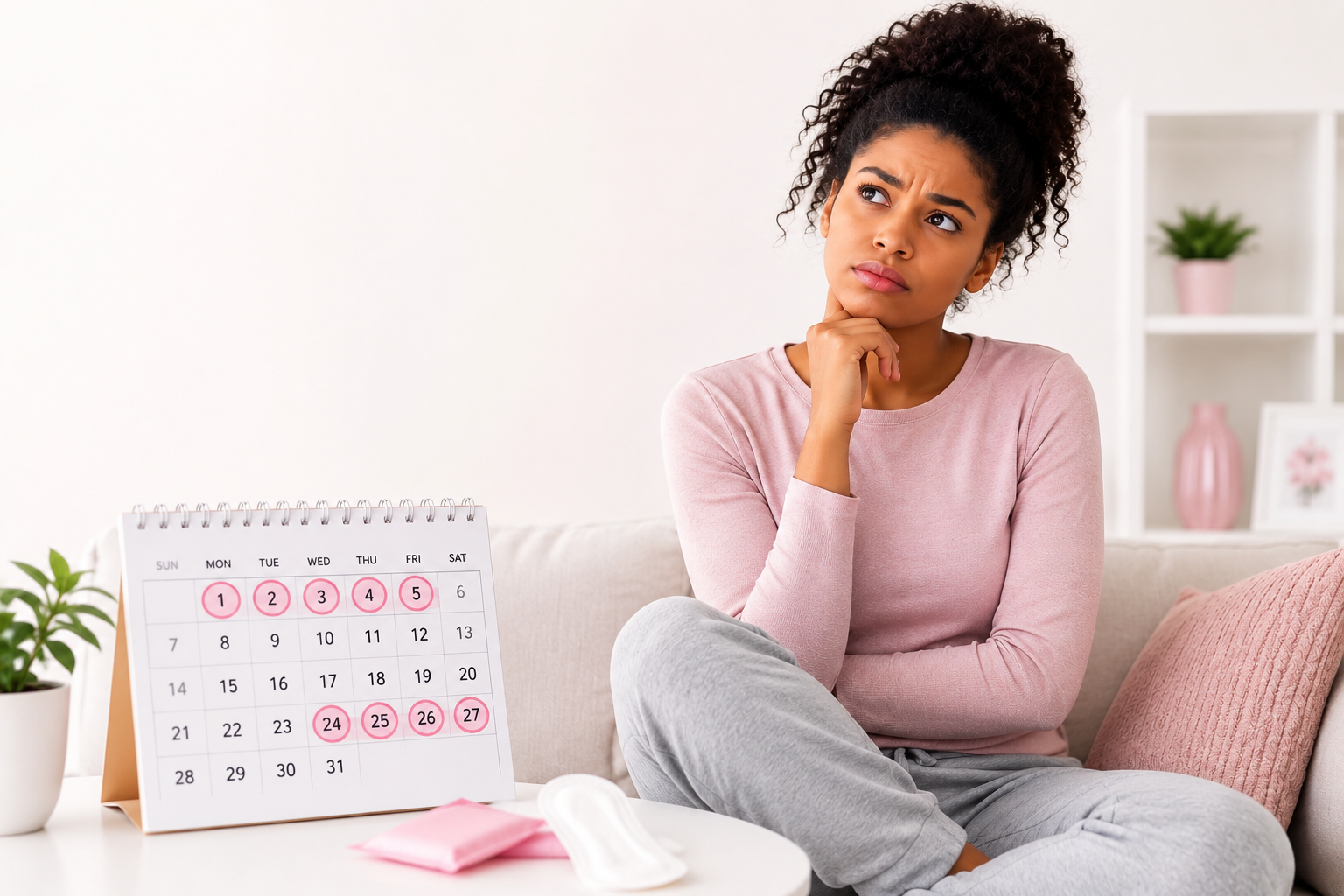
Because months on the calendar are longer than most menstrual cycles, some women naturally experience what appears to be two periods in one month. For example, if your period starts on the 1st of the month and your cycle is 24 days long, your next period could begin on the 25th, resulting in two periods during the same calendar month.

In this situation, having two periods in one month is completely normal.

Common Reasons You May Have Two Periods in One Month

  1. A Naturally Short Menstrual Cycle

Some women naturally have shorter cycles. If your cycle is consistently between 21 and 24 days, you may occasionally experience two periods in a single calendar month.

This is generally not a cause for concern if your cycles are otherwise predictable and your bleeding patterns remain consistent.

  1. Stress

Stress can have a significant impact on reproductive hormones. Emotional stress, work-related pressure, financial concerns, relationship challenges, or major life changes may disrupt normal hormone production.

When hormone levels fluctuate, ovulation may occur earlier or later than expected, leading to changes in the timing of your period.

Other symptoms of stress-related cycle changes may include:

  • Missed periods
  • Heavier bleeding
  • Lighter bleeding
  • Spotting between periods
  • Changes in PMS symptoms

Finding healthy ways to manage stress may help restore menstrual regularity over time.

  1. Hormonal Changes

Hormones play a huge role in regulating the menstrual cycle. Even small fluctuations can affect the timing and amount of bleeding.

Hormonal changes may occur due to:

  • Puberty
  • Perimenopause
  • Significant weight changes
  • Excessive exercise
  • Certain medications
  • Thyroid disorders

These changes can sometimes result in unexpected bleeding or periods that occur more frequently than usual.

  1. Ovulation Spotting

Some women experience light spotting around the time of ovulation. Ovulation typically occurs midway through the menstrual cycle and may be accompanied by:

  • Light pink or brown spotting
  • Mild pelvic discomfort
  • Increased cervical mucus

Ovulation spotting is usually much lighter than a true period and generally lasts only a day or two.

  1. Birth Control Changes

Starting, stopping, or switching hormonal birth control can temporarily affect your cycle.

Many women experience:

  • Breakthrough bleeding
  • Spotting between periods
  • Irregular cycles
  • More frequent bleeding

These changes often improve after a few months as the body adjusts to the new hormone levels.

  1. Thyroid Disorders

The thyroid gland helps regulate many important body functions, including hormone production.

Both an underactive thyroid (hypothyroidism) and an overactive thyroid (hyperthyroidism) can affect menstrual cycles and cause:

  • More frequent periods
  • Missed periods
  • Heavy bleeding
  • Irregular bleeding

If thyroid problems are suspected, a healthcare provider can evaluate thyroid hormone levels through blood testing.

  1. Polycystic Ovary Syndrome (PCOS)

PCOS is a common hormonal condition that affects ovulation and menstrual regularity.

Although many women with PCOS experience infrequent periods, others may experience irregular bleeding that can seem like multiple periods within a month.

Additional symptoms of PCOS may include:

  • Acne
  • Excess facial or body hair
  • Weight gain
  • Difficulty losing weight
  • Fertility challenges
  1. Uterine Fibroids or Polyps

Fibroids and polyps are noncancerous growths that can develop within the uterus.

These growths may cause:

  • Heavy periods
  • Bleeding between periods
  • Prolonged menstrual bleeding
  • Pelvic pressure

Because abnormal uterine bleeding can have many causes, it’s important to consult a healthcare provider if symptoms persist.

Could It Be Implantation Bleeding?

Some women mistake implantation bleeding for a second period.

Implantation bleeding occurs when a fertilized egg attaches to the uterine lining and may cause light spotting.

Implantation bleeding is usually:

  • Very light
  • Pink or brown in color
  • Short in duration
  • Not as heavy as a regular period

If pregnancy is possible, taking a pregnancy test may help provide answers.

When Should You See a Healthcare Provider?

While occasional cycle irregularities can happen, certain symptoms should not be ignored.

Consider speaking with a healthcare provider if you experience:

  • Two periods in one month repeatedly
  • Very heavy bleeding
  • Severe pelvic pain
  • Bleeding that lasts longer than seven days
  • Bleeding after menopause
  • Significant changes in your normal cycle
  • Dizziness or symptoms of anemia

Keeping track of your menstrual cycle can help identify patterns and provide useful information during medical appointments.

How to Track Your Menstrual Cycle

Tracking your cycle can help you better understand what is normal for your body.

Consider recording:

  • First day of each period
  • Length of bleeding
  • Flow intensity
  • Spotting episodes
  • PMS symptoms
  • Ovulation signs
  • Stress levels

Many smartphone apps make cycle tracking simple and convenient.

Tips for Supporting Hormonal Health

Although not all menstrual irregularities can be prevented, healthy lifestyle habits may support overall hormonal balance.

Try to:

  • Get adequate sleep each night
  • Manage stress effectively
  • Maintain regular physical activity
  • Eat a balanced diet rich in fruits, vegetables, and lean protein
  • Stay hydrated
  • Avoid excessive dieting or rapid weight loss

Small lifestyle improvements can sometimes make a meaningful difference in menstrual health.

The Bottom Line

Having two periods in one month isn’t always a sign that something is wrong. In some cases, it may simply reflect a naturally shorter menstrual cycle. However, stress, hormonal changes, birth control adjustments, thyroid disorders, PCOS, fibroids, and other health conditions can also contribute to more frequent bleeding.

If you’re noticing persistent changes in your cycle, unusually heavy bleeding, or other concerning symptoms, it’s a good idea to consult a healthcare provider. Understanding your menstrual cycle and tracking any changes can help you take a proactive approach to your reproductive health.

Remember, every woman’s body is different. What matters most is knowing what is normal for you and paying attention when something changes.


Flax Seeds Health Benefits: Why This Tiny Superfood Deserves a Place in Your Diet

When it comes to superfoods, flax seeds may not get as much attention as chia seeds, blueberries, or kale, but these tiny golden or brown seeds pack a powerful nutritional punch. For centuries, flax seeds have been valued for their health-promoting properties, and modern research continues to support their role in supporting overall wellness.

Whether you’re looking to improve digestive health, support heart health, manage weight, or boost your intake of essential nutrients, flax seeds can be an excellent addition to your daily routine. In this article, we’ll explore the many health benefits of flax seeds and simple ways to incorporate them into your diet.

What Are Flax Seeds?

Flax seeds come from the flax plant (Linum usitatissimum), which has been cultivated for thousands of years. These small seeds are rich in fiber, healthy fats, protein, vitamins, minerals, and plant compounds that contribute to their impressive health benefits.

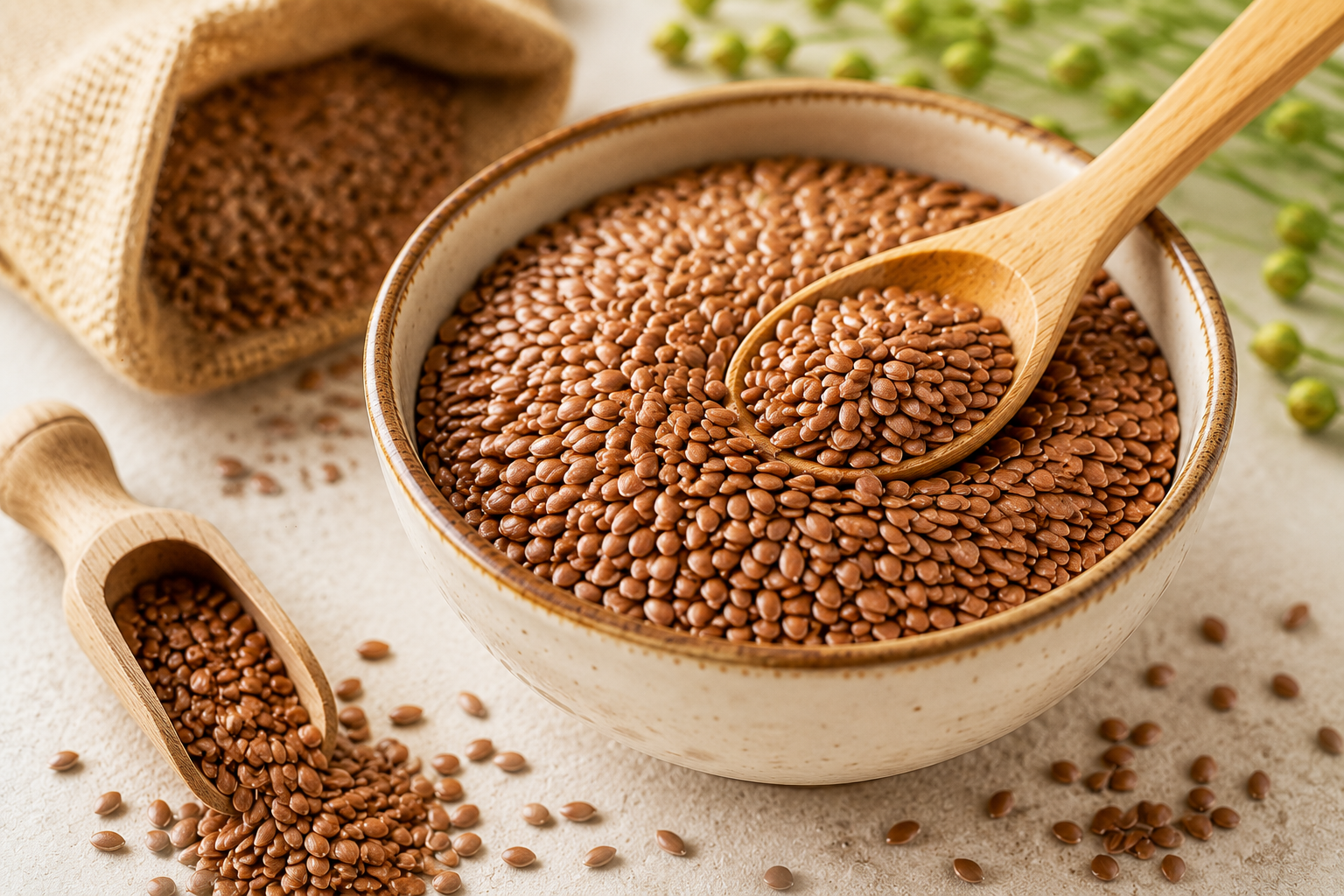
Flax seeds are available in whole, ground, and oil forms. While whole flax seeds can pass through the digestive system largely undigested, ground flax seeds are easier for the body to absorb and provide the greatest nutritional benefits.

Nutritional Profile of Flax Seeds

A single tablespoon of ground flax seeds contains:

  • Approximately 37 calories
  • 2 grams of fiber
  • 1.3 grams of protein
  • 3 grams of healthy fats
  • Omega-3 fatty acids
  • Magnesium
  • Phosphorus
  • Manganese
  • Copper
  • Thiamine (Vitamin B1)

Flax seeds are also one of the richest plant sources of lignans, which are powerful antioxidants that may help protect the body from cellular damage.

  1. Rich Source of Heart-Healthy Omega-3 Fatty Acids

One of the most well-known benefits of flax seeds is their high content of alpha-linolenic acid (ALA), a plant-based omega-3 fatty acid.

Omega-3 fats play an important role in:

  • Supporting cardiovascular health
  • Reducing inflammation
  • Maintaining healthy blood vessels
  • Supporting brain function

Research suggests that diets rich in omega-3 fatty acids may help reduce the risk of heart disease and promote healthy cholesterol levels. For individuals who do not consume fish regularly, flax seeds offer an excellent plant-based source of these beneficial fats.

  1. Supports Digestive Health

Flax seeds are loaded with dietary fiber, containing both soluble and insoluble fiber.

Soluble fiber helps:

  • Slow digestion
  • Promote stable blood sugar levels
  • Increase feelings of fullness

Insoluble fiber helps:

  • Add bulk to stool
  • Promote regular bowel movements
  • Support overall digestive health

Many people struggle to consume enough fiber each day. Adding just one or two tablespoons of ground flax seeds to smoothies, yogurt, oatmeal, or baked goods can significantly boost daily fiber intake.

  1. May Help Lower Cholesterol Levels

High cholesterol is a major risk factor for heart disease. Studies suggest that flax seeds may help support healthy cholesterol levels due to their fiber and lignan content.

The soluble fiber in flax seeds can bind to cholesterol in the digestive tract, helping remove it from the body before it enters the bloodstream.

Regular consumption of flax seeds may help:

  • Lower LDL (“bad”) cholesterol
  • Support healthy blood lipid levels
  • Promote overall cardiovascular wellness

While flax seeds are not a replacement for medical treatment, they can be a beneficial part of a heart-healthy diet.

  1. Supports Healthy Blood Sugar Control

Maintaining stable blood sugar levels is important for overall health and energy.

Because flax seeds are rich in fiber, they help slow the absorption of sugar into the bloodstream. This gradual absorption may help prevent spikes and crashes in blood sugar levels.

Some studies suggest that flax seeds may improve insulin sensitivity and support healthy glucose metabolism when combined with a balanced diet and healthy lifestyle.

This makes flax seeds a smart addition to meals and snacks, especially for those looking to maintain steady energy throughout the day.

  1. May Aid Weight Management

If you’re trying to lose weight or maintain a healthy weight, flax seeds may be a helpful addition to your nutrition plan.

The combination of fiber, protein, and healthy fats can help:

  • Increase feelings of fullness
  • Reduce hunger between meals
  • Support portion control
  • Reduce unnecessary snacking

When consumed with adequate fluids, the soluble fiber in flax seeds forms a gel-like substance in the digestive tract, which may help prolong satiety and reduce overall calorie intake.

  1. Rich in Antioxidants

Flax seeds are one of the richest dietary sources of lignans, a type of plant compound with antioxidant properties.

Antioxidants help protect cells from damage caused by free radicals, unstable molecules that contribute to aging and various chronic diseases.

Lignans may help:

  • Reduce oxidative stress
  • Support healthy aging
  • Promote overall cellular health

In fact, flax seeds contain significantly more lignans than many other plant foods, making them a valuable addition to an antioxidant-rich diet.

  1. Supports Women’s Health

Flax seeds are particularly popular among women because of their lignan content.

Lignans are classified as phytoestrogens, which are plant compounds that have a weak estrogen-like effect in the body.

Researchers continue to study the role of lignans in supporting:

  • Hormonal balance
  • Menopausal health
  • Breast health
  • Overall wellness during different stages of life

While more research is needed, many women choose to include flax seeds as part of a balanced diet that supports healthy aging and hormonal wellness.

  1. May Help Reduce Inflammation

Chronic inflammation has been linked to numerous health conditions, including heart disease, diabetes, and certain autoimmune disorders.

The omega-3 fatty acids and antioxidant compounds found in flax seeds may help support the body’s natural anti-inflammatory processes.

Reducing inflammation through dietary choices may contribute to:

  • Improved heart health
  • Better joint comfort
  • Enhanced overall wellness

Including flax seeds alongside other anti-inflammatory foods such as fruits, vegetables, nuts, and fatty fish can be part of a comprehensive healthy lifestyle.

  1. Supports Healthy Skin and Hair

Healthy fats play an important role in maintaining skin hydration and elasticity.

The omega-3 fatty acids found in flax seeds may help support:

  • Skin moisture
  • Skin barrier function
  • Healthy-looking hair
  • Overall skin appearance

While flax seeds are not a miracle beauty food, their nutrient profile contributes to overall health, which often reflects positively on the skin and hair.

How to Add Flax Seeds to Your Diet

One of the best things about flax seeds is how easy they are to use.

Try adding ground flax seeds to:

  • Smoothies
  • Oatmeal
  • Yogurt
  • Cottage cheese
  • Protein shakes
  • Pancake batter
  • Muffins
  • Homemade energy bites
  • Soups
  • Salads

A common recommendation is to consume 1–2 tablespoons of ground flax seeds per day as part of a balanced diet.

Ground vs. Whole Flax Seeds

Ground flax seeds are generally preferred because they are easier for the body to digest and absorb.

Whole flax seeds may pass through the digestive system without releasing all of their nutrients.

For maximum benefit:

  • Purchase pre-ground flaxseed meal, or
  • Grind whole flax seeds at home using a coffee grinder

Store ground flax seeds in an airtight container in the refrigerator to help preserve freshness.

Are There Any Side Effects?

Flax seeds are safe for most people when consumed in moderation.

However, because they are high in fiber, increasing intake too quickly may cause:

  • Bloating
  • Gas
  • Digestive discomfort

To minimize these effects:

  • Start with small amounts
  • Drink plenty of water
  • Gradually increase intake

Individuals who are pregnant, breastfeeding, or taking medications should consult their healthcare provider before making significant dietary changes.

Final Thoughts

Flax seeds may be small, but they offer an impressive array of health benefits. From supporting heart health and digestion to providing fiber, omega-3 fatty acids, and powerful antioxidants, flax seeds are a nutritional powerhouse worth adding to your diet.

Whether sprinkled into your morning smoothie, stirred into oatmeal, or mixed into baked goods, flax seeds provide an easy and affordable way to boost your nutrition.

As with any food, consistency is key. Incorporating flax seeds into a balanced eating pattern may help support long-term health and wellness, one small spoonful at a time.


What Is Psoriasis and How Can You Reduce It?

Psoriasis is a common chronic skin condition that affects millions of people worldwide. While it is often recognized by the appearance of red, scaly patches on the skin, psoriasis is much more than a cosmetic concern. It is an autoimmune condition that can impact a person’s physical health, emotional well-being, and quality of life.

For many women, psoriasis symptoms may come and go throughout life, with periods of flare-ups followed by periods of improvement. Factors such as stress, hormonal changes, illness, diet, and lifestyle habits can all influence symptoms.

Although there is currently no cure for psoriasis, there are many effective strategies that may help reduce flare-ups, improve skin health, and support overall wellness.

In this article, we’ll discuss what psoriasis is, what causes it, common symptoms, potential triggers, and practical ways to reduce symptoms naturally and medically.

What Is Psoriasis?

Psoriasis is a chronic autoimmune disease that causes skin cells to multiply much faster than normal.

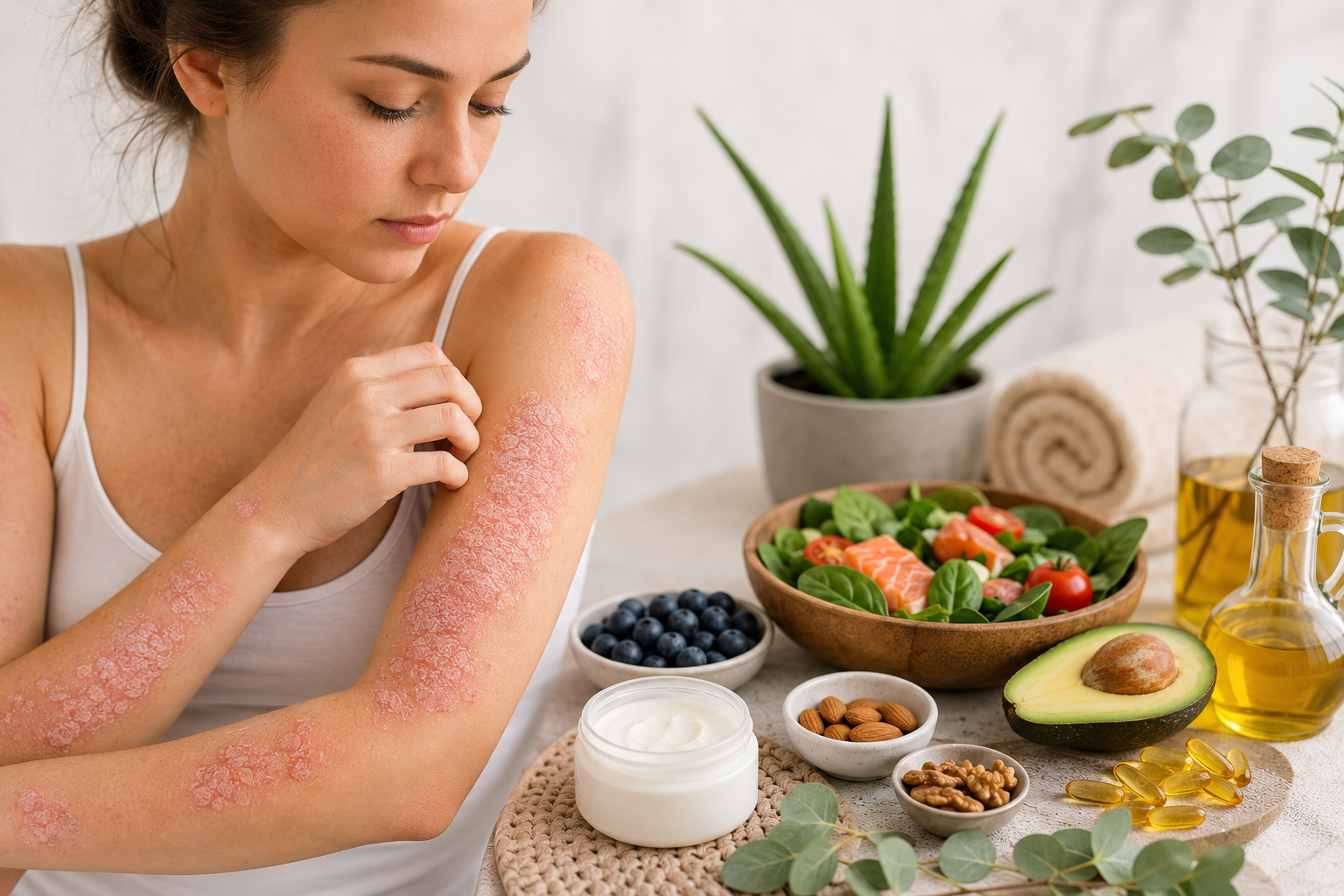
Under typical circumstances, skin cells grow and shed over a period of several weeks. In people with psoriasis, this process occurs much more rapidly, causing skin cells to build up on the surface of the skin.

This buildup can result in:

  • Thick patches of skin
  • Redness
  • Scaling
  • Itching
  • Inflammation

Psoriasis is not contagious. You cannot catch it from another person through touching, sharing items, or close contact.

What Causes Psoriasis?

The exact cause of psoriasis is not fully understood, but researchers believe it involves a combination of genetic and immune system factors.

In people with psoriasis, the immune system mistakenly attacks the healthy skin cells.

This triggers inflammation and accelerates the production of new skin cells.

Several factors may contribute to the development of psoriasis, including:

  • Family history
  • Immune system dysfunction
  • Environmental triggers
  • Certain infections
  • Hormonal influences

Having a family member with psoriasis may increase your risk of developing Psoriasis.

Common Symptoms of Psoriasis

Symptoms can vary from person to person.

Some individuals experience mild symptoms, while others may have more severe flare-ups.

Common symptoms include:

Red Patches of Skin

Affected areas often appear red or inflamed.

Silvery Scales

A buildup of skin cells can create thick, silvery-white scales on the surface.

Dry or Cracked Skin

The skin may become dry enough to crack and occasionally bleed.

Itching

Many people experience itching, burning, or discomfort.

Thickened Nails

Psoriasis can affect your fingernails and toenails, causing:

  • Pitting
  • Thickening
  • Discoloration

Joint Pain

Some individuals develop psoriatic arthritis, a condition that causes joint inflammation and pain.

Types of Psoriasis

There are several different forms of psoriasis.

Plaque Psoriasis

This is the most common type.

It causes raised red patches covered with silvery scales.

Guttate Psoriasis

This form appears as small, drop-shaped spots on the skin.

Inverse Psoriasis

This type affects skin folds, including areas under the breasts, armpits, and groin.

Pustular Psoriasis

This form causes pus-filled bumps surrounded by inflamed skin.

Erythrodermic Psoriasis

A rare but serious type that causes widespread redness and shedding of the skin.

Common Psoriasis Triggers

Many women notice that certain factors trigger or worsen flare-ups.

Identifying personal triggers can be an important step toward managing symptoms.

Stress

Stress is one of the most common psoriasis triggers.

Emotional stress may increase inflammation throughout the body.

Illness and Infections

Certain infections, including strep throat, may trigger psoriasis symptoms.

Skin Injuries

Cuts, burns, insect bites, and sunburns can sometimes lead to new psoriasis lesions.

Smoking

Smoking has been linked to more severe psoriasis symptoms in some individuals.

Excessive Alcohol Consumption

Heavy alcohol use may increase inflammation and worsen flare-ups.

Certain Medications

Some medications may contribute to psoriasis symptoms in susceptible individuals.

How Psoriasis Can Affect Women

Women may experience unique challenges when living with psoriasis.

Hormonal changes associated with:

  • Puberty
  • Pregnancy
  • Menopause

can sometimes influence symptom severity.

Some women notice improvement during pregnancy, while others experience flare-ups after childbirth.

Because psoriasis can affect visible areas of the body, it may also impact self-confidence and emotional well-being.

Managing both physical symptoms and emotional health is important.

Can Diet Affect Psoriasis?

While no specific diet cures psoriasis, certain dietary habits may help reduce inflammation.

Many people find that healthy eating supports overall symptom management.

Foods that may support overall health include:

Fruits and Vegetables

Rich in antioxidants that help fight oxidative stress.

Fatty Fish

Examples include:

  • Salmon
  • Sardines
  • Mackerel

These contain omega-3 fatty acids, which may help support a healthy inflammatory response.

Whole Grains

Whole grains provide fiber and support digestive health.

Healthy Fats

Examples include:

  • Avocados
  • Nuts
  • Seeds
  • Olive oil

Lean Proteins

Protein supports tissue repair and overall health.

Foods Some People Choose to Limit

Not everyone reacts to foods in the same way, but some individuals report symptom improvement when reducing:

  • Highly processed foods
  • Sugary foods
  • Excess alcohol
  • Excessive saturated fats

Some people also find it helpful to limit foods that may contribute to inflammation, such as fast food, sugary beverages, and heavily processed snacks. However, dietary triggers vary from person to person.

Keeping a food journal may help identify personal dietary triggers and patterns between certain foods and flare-ups.

Maintain a Healthy Weight

Studies suggest that obesity may increase inflammation and worsen psoriasis symptoms.

Maintaining a healthy weight can support overall health and may help improve treatment effectiveness.

Healthy weight management strategies include:

  • Balanced nutrition
  • Regular exercise
  • Adequate sleep
  • Stress management

Even modest weight loss may help reduce inflammation and improve overall well-being.

The Importance of Exercise

Exercise offers numerous benefits for individuals with psoriasis.

Physical activity may help:

  • Reduce stress
  • Support heart health
  • Improve mood
  • Promote healthy weight management

Women should choose activities they enjoy, such as:

  • Walking
  • Swimming
  • Yoga
  • Cycling
  • Strength training

Consistency is often more important than intensity.

Regular movement can also help reduce the risk of other health conditions that are sometimes associated with psoriasis, including heart disease and metabolic syndrome.

Moisturize Daily

Keeping the skin moisturized is one of the simplest and most effective ways to manage psoriasis symptoms.

Moisturizers can help:

  • Reduce dryness
  • Minimize itching
  • Improve skin comfort
  • Support the skin barrier

Applying moisturizer immediately after bathing may help lock in moisture.

Thicker creams and ointments are often more effective than lightweight lotions for very dry skin.

Consider Gentle Skin Care

People with psoriasis often have sensitive skin.

Gentle skin care practices may help reduce irritation.

Tips include:

  • Use fragrance-free products
  • Avoid harsh scrubbing
  • Take lukewarm showers instead of very hot showers
  • Pat skin dry rather than rubbing

Small changes can make a noticeable difference.

It’s also important to avoid picking at scales or scratching affected areas, as this may worsen irritation and potentially trigger additional lesions.

Stress Management Strategies

Because stress can trigger flare-ups, stress reduction may play an important role in symptom management.

Helpful strategies may include:

Meditation

Mindfulness practices may help reduce stress levels.

Deep Breathing

Simple breathing exercises can promote relaxation.

Yoga

Yoga combines movement and stress reduction.

Regular Physical Activity

Exercise supports both physical and emotional health.

Quality Sleep

Adequate rest helps support immune system function and overall wellness.

Journaling

Writing down thoughts and feelings may help reduce emotional stress and improve mental clarity.

Medical Treatments for Psoriasis

Treatment options vary depending on symptom severity.

Common medical treatments include:

Topical Treatments

Creams and ointments may help reduce inflammation and scaling.

Light Therapy

Controlled exposure to certain types of ultraviolet light may improve symptoms.

Oral Medications

Some medications help regulate the immune response.

Biologic Therapies

Biologics target specific parts of the immune system involved in psoriasis.

A dermatologist can help determine the most appropriate treatment plan.

Many people require a combination of treatments and lifestyle changes to achieve the best results.

Possible Complications of Psoriasis

Psoriasis is more than a skin condition. In some cases, it may be associated with other health concerns.

Potential complications include:

  • Psoriatic arthritis
  • Cardiovascular disease
  • High blood pressure
  • Type 2 diabetes
  • Anxiety
  • Depression

This is one reason why managing psoriasis early and maintaining regular medical care is important.

When to See a Doctor

You should consult a healthcare provider if:

  • Symptoms interfere with daily life
  • Home treatments are not helping
  • Joint pain develops
  • Symptoms worsen
  • Large areas of skin become affected
  • You experience signs of infection

Early treatment may help prevent complications and improve quality of life.

Living Well With Psoriasis

Living with psoriasis can be challenging, but many women successfully manage their symptoms and lead healthy, active lives.

The key is understanding your triggers, following a consistent skincare routine, maintaining healthy lifestyle habits, and working closely with your healthcare provider when needed.

Remember that psoriasis does not define who you are. While flare-ups can be frustrating, there are many effective strategies available to help reduce symptoms and improve comfort.

By focusing on overall wellness—including nutrition, exercise, stress management, sleep, and proper medical care—you can take meaningful steps toward healthier skin and a better quality of life.

Final Thoughts

Psoriasis is a chronic autoimmune condition that causes rapid skin cell growth, leading to red, scaly, and often uncomfortable patches of skin. Although there is no cure, many women find relief through a combination of medical treatments, healthy lifestyle choices, stress reduction, and proper skincare.

If you suspect you have psoriasis or your symptoms are becoming difficult to manage, speak with a healthcare professional or dermatologist. Early diagnosis and treatment can make a significant difference in controlling symptoms and protecting your long-term health.

With the right approach, it is possible to reduce flare-ups, improve skin health, and live confidently despite psoriasis.


How to Track Ovulation and Fertility: A Complete Guide for Women

Whether you’re trying to conceive, avoid pregnancy naturally, or simply learn more about your body, understanding ovulation and fertility can be incredibly valuable. Many women are surprised to learn that they are only fertile for a relatively short period during each menstrual cycle. Knowing when ovulation occurs can help you better understand your reproductive health and make informed decisions about family planning.

While every woman’s cycle is unique, there are several reliable ways to track ovulation and identify your most fertile days. By paying attention to your body’s signals and using fertility tracking tools, you can gain a clearer picture of your menstrual cycle and reproductive health.

In this article, we’ll explain what ovulation is, why fertility tracking matters, and the most effective methods for identifying your fertile window.

What Is Ovulation?

Ovulation is the process during which one of the ovaries releases a mature egg.

This usually occurs once during each menstrual cycle.

When the egg is released, it travels through the fallopian tube where it may be fertilized by sperm. If fertilization does not happen, the egg eventually breaks down and is absorbed by the body or is shed along with menstrual blood during the menstrual cycle.

Ovulation is a key part of the reproductive cycle and is necessary for pregnancy to occur.

Understanding the Menstrual Cycle

To track ovulation effectively, it helps to understand the menstrual cycle.

The average menstrual cycle lasts about 28 days, but healthy cycles can range from approximately 21 to 35 days.

The cycle consists of several phases:

Menstrual Phase

This is the period when the uterine lining sheds, resulting in menstrual bleeding.

Follicular Phase

After menstruation begins, the body prepares an egg for release. Hormone levels change and follicles develop within the ovaries.

Ovulation Phase

A mature egg is released from the ovary.

Luteal Phase

After ovulation, hormone levels shift to prepare the uterus for a possible pregnancy.

If pregnancy does not occur, hormone levels decline and a new cycle begins.

What Is the Fertile Window?

The fertile window refers to the days during the menstrual cycle when pregnancy is most likely to occur.

Sperm can survive inside the female reproductive tract for up to five days under favorable conditions.

An egg remains viable for about 12 to 24 hours after ovulation.

Because of this timing, the fertile window generally includes:

  • The five days before ovulation
  • The day of ovulation
  • Possibly the day after ovulation

For many women, the highest chance of conception occurs during the two days before ovulation and the day of ovulation itself.

Why Track Ovulation?

Tracking ovulation can help women:

  • Understand their menstrual cycle
  • Identify fertile days
  • Plan for pregnancy
  • Recognize cycle irregularities
  • Improve reproductive health awareness

Many women find that fertility tracking helps them become more connected with their bodies and understand hormonal changes throughout the month.

Method 1: Track Your Menstrual Cycle

One of the simplest ways to estimate ovulation is by tracking your menstrual cycle.

Many women ovulate approximately 14 days before their next period begins.

For example:

  • A 28-day cycle may involve ovulation around day 14.
  • A 30-day cycle may involve ovulation around day 16.
  • A 32-day cycle may involve ovulation around day 18.

However, not all women have predictable cycles.

This method provides an estimate but may not identify ovulation precisely.

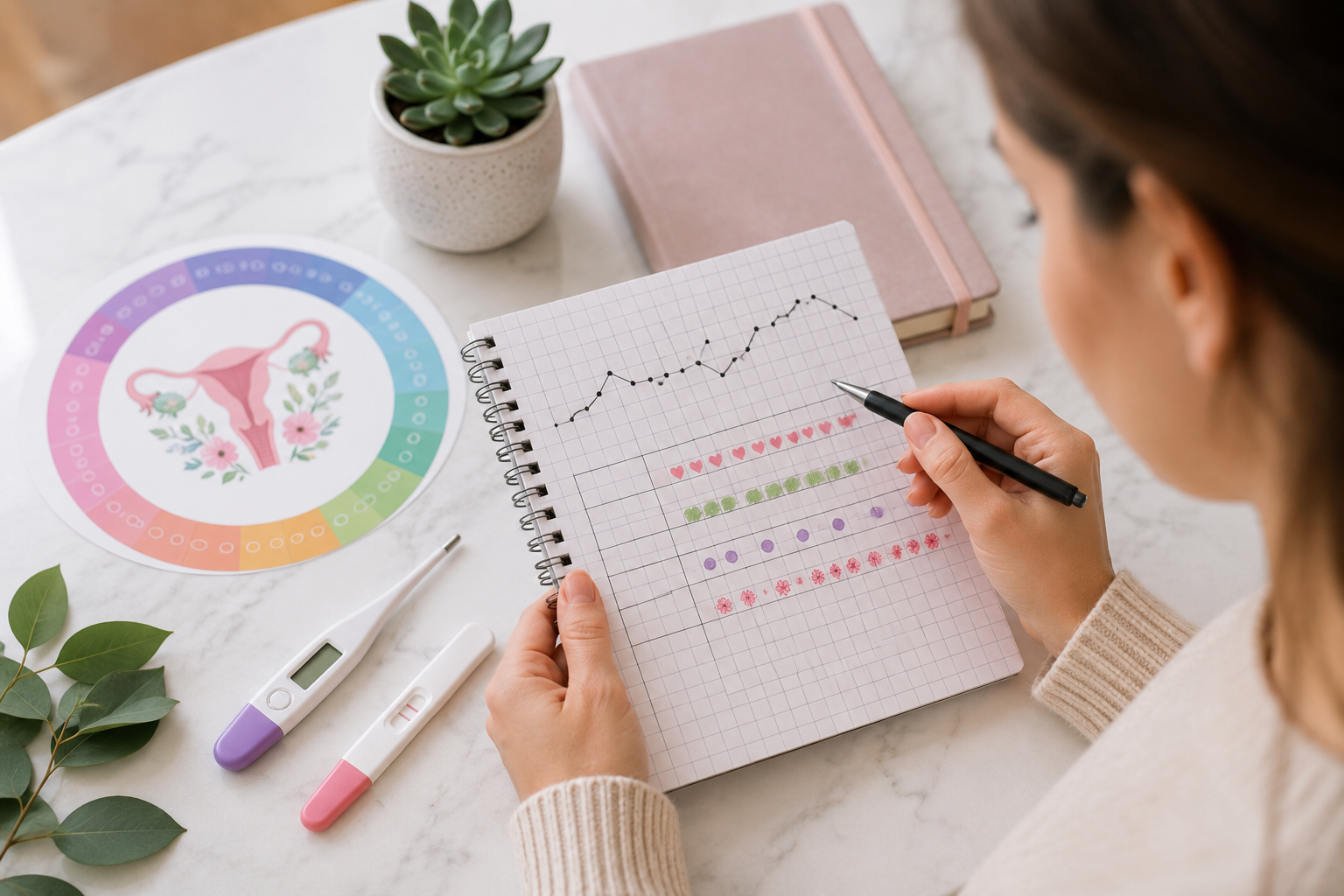
Keeping a calendar or using a cycle-tracking app can help identify patterns over time.

Method 2: Monitor Cervical Mucus

Changes in cervical mucus are one of the most useful natural signs of fertility.

Throughout the menstrual cycle, cervical mucus changes in appearance and consistency due to hormonal fluctuations.

After Menstruation

Many women notice little or no mucus.

Approaching Ovulation

Mucus often becomes:

  • Clear
  • Slippery
  • Stretchy
  • Similar to raw egg whites

This fertile-quality mucus helps sperm move more easily through the reproductive tract.

After Ovulation

Mucus typically becomes:

  • Thicker
  • Creamier
  • Less abundant

Monitoring cervical mucus daily can provide valuable clues about fertility.

Method 3: Track Basal Body Temperature

Basal body temperature (BBT) is your body’s resting temperature.

Hormonal changes after ovulation cause a slight increase in temperature.

To use this method:

  • Take your temperature every morning before getting out of bed.
  • Use a basal thermometer designed to detect small temperature changes.
  • Record the temperature daily.

After ovulation, many women experience a temperature increase of approximately 0.5 to 1 degree Fahrenheit.

Over several months, patterns may become easier to identify.

While BBT confirms that ovulation has already occurred, it can help predict future cycles when used consistently.

Method 4: Ovulation Predictor Kits

Ovulation predictor kits, often called OPKs, are available over the counter and can help identify ovulation.

These tests detect a surge in luteinizing hormone (LH).

LH levels rise shortly before ovulation occurs.

A positive test typically indicates that ovulation is likely to occur within the next 24 to 36 hours.

Many women find OPKs helpful because they provide a more direct indication of impending ovulation.

Method 5: Pay Attention to Physical Signs

Some women notice physical symptoms associated with ovulation.

Possible signs include:

Mild Pelvic Pain

Some women experience brief discomfort on one side of the lower abdomen during ovulation.

This is sometimes called mittelschmerz.

Increased Libido

Many women notice an increase in sexual desire around ovulation.

Breast Tenderness

Hormonal changes may cause temporary breast sensitivity.

Increased Energy

Some women report feeling more energetic or motivated during their fertile window.

While these signs are not definitive, they may provide additional clues when combined with other tracking methods.


Fertility Tracking Apps

Technology has made fertility tracking more convenient than ever.

Many smartphone apps allow users to track:

  • Menstrual periods
  • Symptoms
  • Cervical mucus
  • Basal body temperature
  • Ovulation predictions

Apps can help identify trends and improve cycle awareness.

However, predictions are based on entered data and may not always accurately identify ovulation.

Factors That Can Affect Ovulation

Several factors may influence ovulation and fertility.

Stress

High stress levels may affect hormone production and cycle regularity.

Significant Weight Changes

Both underweight and overweight conditions can impact ovulation.

Excessive Exercise

Very intense exercise may interfere with hormone balance in some women.

Medical Conditions

Conditions such as:

  • Polycystic ovary syndrome (PCOS)
  • Thyroid disorders
  • Hormonal imbalances

can affect ovulation patterns.

Age

Female fertility naturally declines with age, particularly after age 35.

Signs You May Not Be Ovulating Regularly

Irregular ovulation can sometimes make fertility tracking more challenging.

Possible signs include:

  • Irregular periods
  • Very short cycles
  • Very long cycles
  • Missing periods
  • Difficulty becoming pregnant

Women who suspect ovulation problems should discuss concerns with a healthcare provider.

Tips for Supporting Fertility Naturally

While fertility is influenced by many factors, healthy lifestyle habits can support reproductive health.

Eat a Balanced Diet

Focus on:

  • Fruits
  • Vegetables
  • Whole grains
  • Lean proteins
  • Healthy fats

Maintain a Healthy Weight

Healthy body weight supports hormonal balance.

Stay Active

Regular exercise promotes overall health and wellness.

Manage Stress

Stress reduction techniques may support healthy hormone function.

Prioritize Sleep

Quality sleep is important for hormonal regulation and overall health.

When to Seek Medical Advice

If you’ve been trying to conceive without success, it may be helpful to consult a healthcare provider.

General recommendations include:

  • Women under 35: seek evaluation after one year of trying to conceive.
  • Women 35 and older: seek evaluation after six months of trying.

Women with irregular cycles or known reproductive health conditions may benefit from earlier evaluation.

Final Thoughts

Tracking ovulation and fertility can provide valuable insights into your reproductive health and menstrual cycle. By learning to recognize fertility signs such as changes in cervical mucus, basal body temperature shifts, and ovulation predictor test results, women can better understand their bodies and identify their most fertile days.

While no single method is perfect, combining multiple tracking techniques often provides the clearest picture of ovulation and fertility. Whether you’re trying to conceive, monitor your cycle, or simply learn more about your reproductive health, fertility awareness can be an empowering tool.

The more you understand your body’s natural rhythms, the better equipped you’ll be to make informed decisions about your health and well-being.


Why Women of All Ages Must Exercise

Exercise is often associated with weight loss, toned muscles, and athletic performance. While these benefits are certainly valuable, regular physical activity offers much more than a slimmer waistline. For women, exercise is one of the most powerful tools for maintaining overall health, improving mental well-being, preventing chronic disease, and supporting a higher quality of life.

No matter your age, fitness level, or body type, regular exercise can provide significant benefits that extend far beyond appearance. Whether you’re in your twenties, forties, sixties, or beyond, staying active can help you feel stronger, healthier, and more confident.

In this article, we’ll explore why women of all ages must exercise and how physical activity supports health throughout every stage of life.
Exercise Supports Overall Health

The human body was designed to move. Unfortunately, modern lifestyles often involve long periods of sitting, whether at a desk, in a car, or in front of a screen.

Regular exercise helps counteract the effects of a sedentary lifestyle by improving the function of nearly every system in the body.

Physical activity supports:

  • Heart health
  • Lung function
  • Muscle strength
  • Bone health
  • Brain function
  • Immune system health
  • Metabolic health

Women who exercise regularly often experience improved energy levels, better sleep, and enhanced overall wellness.

Exercise Helps Maintain a Healthy Weight

Weight management is one of the most commonly discussed benefits of exercise.

Physical activity helps the body burn calories while also supporting muscle development.

Muscle tissue burns more calories when at rest than fat tissue, which can help maintain a healthy metabolism.

In combination with a balanced diet, regular exercise can help:

  • Prevent unwanted weight gain
  • Support healthy weight loss goals
  • Improve body composition
  • Reduce excess body fat

It’s important to remember that exercise should not be viewed solely as a tool for weight loss. Even when the scale doesn’t change dramatically, exercise provides numerous health benefits.

Supports Heart Health

Heart disease remains one of the leading health concerns for women.

Regular exercise strengthens the heart muscle and improves circulation throughout the body.

Benefits for cardiovascular health include:

  • Lower blood pressure
  • Improved cholesterol levels
  • Better circulation
  • Reduced risk of heart disease
  • Improved blood vessel function

Activities such as walking, cycling, swimming, and dancing can all contribute to a healthier cardiovascular system.

Strengthens Bones and Reduces Osteoporosis Risk

As women age, maintaining bone health becomes increasingly important.

Women are at a higher risk for osteoporosis, a condition that causes bones to become weak and fragile.

Bone loss often accelerates after menopause due to declining estrogen levels.

Weight-bearing exercises can help maintain and improve bone density.

Examples include:

  • Walking
  • Hiking
  • Strength training
  • Dancing
  • Stair climbing

Regular exercise helps keep bones stronger and may reduce the risk of fractures later in life.

Improves Muscle Strength and Mobility

Muscle mass naturally declines with age.

Without regular physical activity, women may experience:

  • Reduced strength
  • Decreased mobility
  • Poor balance
  • Increased risk of falls

Strength training exercises help preserve muscle mass and improve functional fitness.

Strong muscles make everyday activities easier, including:

  • Carrying groceries
  • Climbing stairs
  • Lifting objects
  • Maintaining independence

Building strength is beneficial for women of all ages, not just athletes.

Boosts Mental Health

Exercise is not only beneficial for the body—it also supports emotional well-being.

Physical activity stimulates the release of chemicals in the brain known as endorphins, often called “feel-good” hormones.

Regular exercise may help:

  • Reduce stress
  • Improve mood
  • Increase self-confidence
  • Decrease symptoms of anxiety
  • Support emotional resilience

Many women find that exercise provides a healthy outlet for managing daily stress and improving overall mental health.

May Help Reduce Symptoms of Depression

Numerous studies have shown a connection between physical activity and improved mental health.

While exercise is not a replacement for professional treatment when needed, regular physical activity may help reduce symptoms of depression in some individuals.

Exercise can:

  • Promote positive feelings
  • Improve sleep quality
  • Increase energy
  • Provide a sense of accomplishment

Even moderate activities such as walking can make a meaningful difference.

Supports Better Sleep

Many women struggle with sleep problems at various stages of life.

Stress, hormonal fluctuations, menopause, and busy schedules can all interfere with restful sleep.

Regular exercise may help:

  • Improve sleep quality
  • Help you fall asleep faster
  • Reduce nighttime awakenings
  • Increase daytime energy

Women who exercise consistently often report feeling more rested and refreshed.

Improves Hormonal Health

Hormones influence nearly every aspect of a woman’s health.

While exercise does not “fix” all hormonal issues, it can help support healthy hormonal balance.

Regular physical activity may help regulate:

  • Insulin
  • Cortisol
  • Estrogen
  • Progesterone

Exercise can be especially beneficial during:

  • Perimenopause
  • Menopause
  • Times of increased stress

Maintaining an active lifestyle supports overall hormonal health and well-being.

Supports Healthy Blood Sugar Levels

Blood sugar control is important for long-term health.

Physical activity helps the body’s cells become more responsive to insulin, allowing glucose to be used more efficiently.

Benefits include:

  • Improved insulin sensitivity
  • Better blood sugar regulation
  • Reduced risk of type 2 diabetes
  • Improved metabolic health

Regular exercise is one of the most effective lifestyle habits for supporting healthy blood sugar levels.

Improves Balance and Coordination

Falls become a greater concern as women age.

Exercises that improve balance and coordination can help reduce this risk.

Examples include:

  • Yoga
  • Tai chi
  • Strength training
  • Balance exercises

Better balance contributes to greater independence and confidence in daily activities.

Supports Healthy Aging

Aging is a natural part of life, but exercise can help women remain active and independent for longer.

Regular physical activity supports:

  • Mobility
  • Flexibility
  • Strength
  • Bone health
  • Cognitive function

Women who exercise consistently often maintain higher levels of physical function as they age.

Exercise may help individuals continue enjoying hobbies, travel, social activities, and everyday tasks.

Enhances Brain Function

Exercise benefits the brain as well as the body.

Research suggests that physical activity may support:

  • Memory
  • Concentration
  • Learning
  • Cognitive performance

Improved blood flow to the brain may contribute to better mental sharpness and overall brain health.

For women of all ages, protecting cognitive health is an important part of overall wellness.

Increases Energy Levels

Although it may seem counterintuitive, regular exercise often increases energy rather than depleting it.

Physical activity improves:

  • Circulation
  • Oxygen delivery
  • Cardiovascular fitness

As a result, many women find they have more stamina and feel less fatigued throughout the day.

Even short walks can help improve energy levels.

Exercise Builds Confidence

Exercise can positively impact body image and self-esteem.

As women become stronger and healthier, they often gain confidence in their physical abilities.

This confidence may extend into other areas of life, including:

  • Work
  • Relationships
  • Social situations
  • Personal goals

The benefits of exercise are often both physical and emotional.

You Don’t Have to Spend Hours at the Gym

Many women believe they need intense workouts to see benefits.

The truth is that consistency matters more than perfection.

Activities that count as exercise include:

  • Walking
  • Dancing
  • Gardening
  • Swimming
  • Cycling
  • Yoga
  • Strength training
  • Fitness classes

Even 20 to 30 minutes of movement most days of the week can provide significant health benefits.

The best exercise is often the one you enjoy and can maintain long term.

Tips for Getting Started

If you’re new to exercise, start slowly.

Consider these simple strategies:

  • Take daily walks
  • Use stairs when possible
  • Stretch regularly
  • Try beginner workout videos
  • Join a fitness class
  • Set realistic goals

Small changes can lead to long-term success.

Remember that progress is more important than perfection.

Final Thoughts

Exercise is one of the most powerful investments women can make in their health. From supporting heart health and bone strength to improving mood, sleep, energy, and overall quality of life, the benefits of physical activity are truly remarkable.

Women of all ages can benefit from staying active, regardless of fitness level or experience. Whether you’re just beginning your fitness journey or looking to maintain an active lifestyle, regular exercise can help you feel stronger, healthier, and more confident.

The key is finding activities you enjoy and making movement a regular part of your daily routine. Your future self will thank you for every step, stretch, and workout you do today.

Remember, exercise is not just about looking good—it’s about living well, staying healthy, and supporting your body through every stage of life.


What Is Hormone Replacement Therapy (HRT)? A Complete Guide for Women

As women age, hormonal changes become a normal and natural part of life. One of the most significant transitions many women experience is menopause, a stage that marks the end of menstrual cycles and fertility. During this time, levels of important hormones such as estrogen and progesterone begin to decline, often leading to a variety of physical and emotional symptoms.

For some women, these symptoms can significantly impact daily life. This is where Hormone Replacement Therapy, commonly known as HRT, may be considered.

Hormone Replacement Therapy has been used for decades to help relieve menopause-related symptoms and improve quality of life for many women. However, HRT is not a one-size-fits-all treatment, and understanding its benefits, risks, and available options is important when making healthcare decisions.

In this article, we’ll explore what Hormone Replacement Therapy is, how it works, potential benefits, possible risks, and who may be a candidate for treatment.

What Is Hormone Replacement Therapy?

Hormone Replacement Therapy (HRT) is a medical treatment that replaces hormones the body produces in lower amounts during menopause.

The primary hormones used in HRT are:

  • Estrogen
  • Progesterone
  • In some cases, testosterone

The goal of HRT is to help reduce symptoms caused by declining hormone levels and improve overall well-being.

Menopause usually occurs between the ages of 45 and 55, some women experience it earlier or later.

When hormone levels decrease, many women experience symptoms that can range from mild to severe.

Why Do Hormones Decline During Menopause?

Women are born with a finite number of eggs in their ovaries.

As menopause approaches, the ovaries gradually produce less estrogen and progesterone.

Eventually, hormone production declines enough that menstrual periods stop completely.

These hormonal changes affect many systems throughout the body, including:

  • The reproductive system
  • The brain
  • Bones
  • Skin
  • Heart and blood vessels
  • Urinary tract

This is why menopause symptoms can vary so widely among women.

Common Symptoms of Menopause

Many women experience symptoms during perimenopause and menopause due to changing hormone levels.

Common symptoms include:

Hot Flashes

Hot flashes are sudden feelings of warmth that often affect the face, neck, and chest.

They can occur during the day or night and may disrupt sleep.

Night Sweats

Night sweats are episodes of excessive sweating during sleep and are often associated with hot flashes.

Mood Changes

Some women experience:

  • Irritability
  • Anxiety
  • Mood swings
  • Increased emotional sensitivity

Sleep Problems

Hormonal fluctuations may contribute to insomnia and disrupted sleep patterns.

Vaginal Dryness

Declining estrogen levels can reduce natural lubrication, leading to discomfort and pain during intimacy.

Brain Fog

Many women report difficulty concentrating, forgetfulness, or mental fatigue during menopause.

Reduced Libido

Changes in hormones may affect sexual desire and satisfaction.

Joint Aches

Some women notice increased stiffness and joint discomfort during menopause.

How Does HRT Work?

Hormone Replacement Therapy works by supplementing the hormones that are no longer being produced in sufficient amounts.

By restoring hormone levels, HRT may help reduce or eliminate many menopause-related symptoms.

The treatment is designed to bring hormone levels closer to what they were before menopause.

For many women, this can provide significant relief and improve overall quality of life.

Types of Hormone Replacement Therapy

There are several forms of HRT available.

The best option depends on a woman’s medical history, symptoms, and individual health needs.

Estrogen-Only Therapy

Estrogen-only therapy is typically prescribed for women who have had a hysterectomy.

Because the uterus has been removed, there is no need for progesterone to protect the uterine lining.

Combined HRT

Combined HRT includes both estrogen and progesterone.

Progesterone helps reduce the risk of abnormal growth of the uterine lining in women who still have a uterus.

Local Estrogen Therapy

Some women experience primarily vaginal symptoms such as dryness or discomfort.

In these cases, low-dose estrogen may be applied directly to the vaginal area through:

  • Creams
  • Tablets
  • Rings

Local estrogen therapy targets symptoms while minimizing hormone exposure to the rest of the body.

Forms of HRT

Hormone Replacement Therapy can be received in several ways.

Pills

Oral tablets are one of the most common forms of HRT.

Patches

Skin patches deliver hormones through the skin and provide a steady release throughout the day.

Gels

Hormone gels are applied directly to the skin and absorbed into the bloodstream.

Sprays

Hormone sprays offer another non-oral option for hormone delivery.

Vaginal Products

Creams, tablets, and rings may be used for localized symptoms.

Each method has advantages and disadvantages, which should be discussed with a healthcare provider.

Benefits of Hormone Replacement Therapy

For many women, HRT can provide substantial relief from menopause symptoms.

Relief from Hot Flashes

HRT is considered one of the most effective treatments for reducing hot flashes and night sweats.

Improved Sleep

Many women report better sleep quality once symptoms such as hot flashes are controlled.

Reduced Vaginal Dryness

Estrogen therapy can improve vaginal moisture and comfort.

Improved Mood and Quality of Life

Some women experience improvements in mood, energy levels, and overall well-being.

Bone Health Support

Estrogen plays an important role in maintaining bone density.

HRT may help reduce bone loss and lower the risk of osteoporosis in some women.

Improved Sexual Comfort

By addressing vaginal dryness and discomfort, HRT may improve intimacy and sexual satisfaction.

Potential Risks of HRT

Although HRT offers benefits, it is not appropriate for every woman.

Potential risks vary depending on factors such as:

  • Age
  • Health history
  • Type of HRT
  • Duration of use

Some studies have suggested that certain forms of HRT may be associated with increased risks of:

  • Blood clots
  • Stroke
  • Gallbladder disease
  • Certain cancers in some women

The overall balance of benefits and risks is highly individual.

Healthcare providers carefully evaluate each woman’s medical history before recommending treatment.

Who May Be a Good Candidate for HRT?

HRT may be considered for women who:

  • Experience moderate to severe menopause symptoms
  • Have significant hot flashes
  • Have menopause-related sleep disturbances
  • Experience vaginal discomfort affecting quality of life
  • Are at increased risk of osteoporosis

A healthcare provider can help determine whether HRT is appropriate based on personal health factors.

Who May Need Alternative Treatments?

Some women may not be ideal candidates for HRT.

This may include women with certain medical conditions such as:

  • Certain hormone-sensitive cancers
  • Unexplained vaginal bleeding
  • Active liver disease
  • Certain clotting disorders

In these situations, alternative treatment options may be explored.

Lifestyle Strategies That May Support Hormonal Health

Whether or not a woman chooses HRT, healthy lifestyle habits can help support overall wellness during menopause.

Maintain a Healthy Diet

Focus on:

  • Fruits
  • Vegetables
  • Whole grains
  • Lean proteins
  • Healthy fats

Stay Physically Active

Regular exercise supports:

  • Heart health
  • Bone health
  • Mood
  • Weight management

Prioritize Sleep

Good sleep habits may help reduce fatigue and improve overall well-being.

Manage Stress

Stress management techniques such as:

  • Meditation
  • Yoga
  • Walking
  • Deep breathing

may help improve emotional health.

Avoid Smoking

Smoking may worsen menopause symptoms and increase health risks.

Questions to Ask Your Doctor About HRT

If you’re considering Hormone Replacement Therapy, consider asking:

  • What type of HRT is right for me?
  • What benefits can I realistically expect?
  • What are the potential risks based on my health history?
  • How long should I use HRT?
  • Are there non-hormonal alternatives available?

Open communication with your healthcare provider can help you make an informed decision.

Final Thoughts

Hormone Replacement Therapy is a treatment designed to help women manage symptoms associated with menopause and declining hormone levels. For many women, HRT can provide significant relief from hot flashes, night sweats, sleep disturbances, vaginal dryness, and other menopause-related symptoms.

At the same time, HRT is not suitable for everyone. The decision to use hormone therapy should be made in partnership with a qualified healthcare provider who can evaluate your personal health history and individual needs.

Menopause is a natural stage of life, but that doesn’t mean women have to suffer through uncomfortable symptoms. Understanding the benefits, risks, and available treatment options can empower women to make informed decisions and maintain their health, comfort, and quality of life during this important transition.