
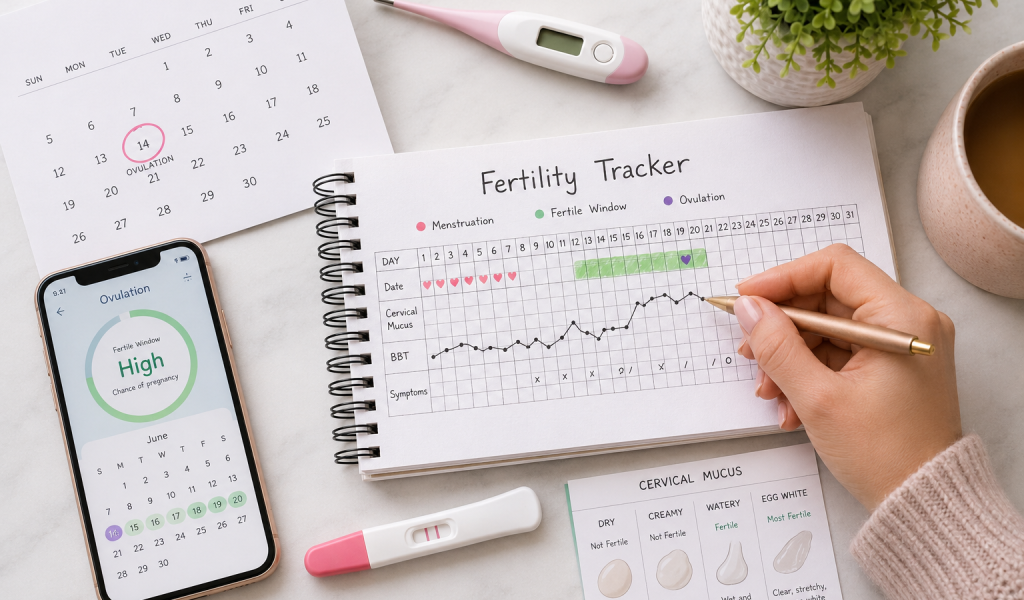


Whether you’re trying to conceive, avoid pregnancy naturally, or simply learn more about your body, understanding ovulation and fertility can be incredibly valuable. Many women are surprised to learn that they are only fertile for a relatively short period during each menstrual cycle. Knowing when ovulation occurs can help you better understand your reproductive health and make informed decisions about family planning.
While every woman’s cycle is unique, there are several reliable ways to track ovulation and identify your most fertile days. By paying attention to your body’s signals and using fertility tracking tools, you can gain a clearer picture of your menstrual cycle and reproductive health.
In this article, we’ll explain what ovulation is, why fertility tracking matters, and the most effective methods for identifying your fertile window.
What Is Ovulation?
Ovulation is the process during which one of the ovaries releases a mature egg.
This usually occurs once during each menstrual cycle.
When the egg is released, it travels through the fallopian tube where it may be fertilized by sperm. If fertilization does not happen, the egg eventually breaks down and is absorbed by the body or is shed along with menstrual blood during the menstrual cycle.
Ovulation is a key part of the reproductive cycle and is necessary for pregnancy to occur.
Understanding the Menstrual Cycle
To track ovulation effectively, it helps to understand the menstrual cycle.
The average menstrual cycle lasts about 28 days, but healthy cycles can range from approximately 21 to 35 days.
The cycle consists of several phases:
Menstrual Phase
This is the period when the uterine lining sheds, resulting in menstrual bleeding.
Follicular Phase
After menstruation begins, the body prepares an egg for release. Hormone levels change and follicles develop within the ovaries.
Ovulation Phase
A mature egg is released from the ovary.
Luteal Phase
After ovulation, hormone levels shift to prepare the uterus for a possible pregnancy.
If pregnancy does not occur, hormone levels decline and a new cycle begins.
What Is the Fertile Window?
The fertile window refers to the days during the menstrual cycle when pregnancy is most likely to occur.
Sperm can survive inside the female reproductive tract for up to five days under favorable conditions.
An egg remains viable for about 12 to 24 hours after ovulation.
Because of this timing, the fertile window generally includes:
- The five days before ovulation
- The day of ovulation
- Possibly the day after ovulation
For many women, the highest chance of conception occurs during the two days before ovulation and the day of ovulation itself.
Why Track Ovulation?
Tracking ovulation can help women:
- Understand their menstrual cycle
- Identify fertile days
- Plan for pregnancy
- Recognize cycle irregularities
- Improve reproductive health awareness
Many women find that fertility tracking helps them become more connected with their bodies and understand hormonal changes throughout the month.
Method 1: Track Your Menstrual Cycle
One of the simplest ways to estimate ovulation is by tracking your menstrual cycle.
Many women ovulate approximately 14 days before their next period begins.
For example:
- A 28-day cycle may involve ovulation around day 14.
- A 30-day cycle may involve ovulation around day 16.
- A 32-day cycle may involve ovulation around day 18.
However, not all women have predictable cycles.
This method provides an estimate but may not identify ovulation precisely.
Keeping a calendar or using a cycle-tracking app can help identify patterns over time.
Method 2: Monitor Cervical Mucus
Changes in cervical mucus are one of the most useful natural signs of fertility.
Throughout the menstrual cycle, cervical mucus changes in appearance and consistency due to hormonal fluctuations.
After Menstruation
Many women notice little or no mucus.
Approaching Ovulation
Mucus often becomes:
- Clear
- Slippery
- Stretchy
- Similar to raw egg whites
This fertile-quality mucus helps sperm move more easily through the reproductive tract.
After Ovulation
Mucus typically becomes:
- Thicker
- Creamier
- Less abundant
Monitoring cervical mucus daily can provide valuable clues about fertility.
Method 3: Track Basal Body Temperature
Basal body temperature (BBT) is your body’s resting temperature.
Hormonal changes after ovulation cause a slight increase in temperature.
To use this method:
- Take your temperature every morning before getting out of bed.
- Use a basal thermometer designed to detect small temperature changes.
- Record the temperature daily.
After ovulation, many women experience a temperature increase of approximately 0.5 to 1 degree Fahrenheit.
Over several months, patterns may become easier to identify.
While BBT confirms that ovulation has already occurred, it can help predict future cycles when used consistently.
Method 4: Ovulation Predictor Kits
Ovulation predictor kits, often called OPKs, are available over the counter and can help identify ovulation.
These tests detect a surge in luteinizing hormone (LH).
LH levels rise shortly before ovulation occurs.
A positive test typically indicates that ovulation is likely to occur within the next 24 to 36 hours.
Many women find OPKs helpful because they provide a more direct indication of impending ovulation.
Method 5: Pay Attention to Physical Signs
Some women notice physical symptoms associated with ovulation.
Possible signs include:
Mild Pelvic Pain
Some women experience brief discomfort on one side of the lower abdomen during ovulation.
This is sometimes called mittelschmerz.
Increased Libido
Many women notice an increase in sexual desire around ovulation.
Breast Tenderness
Hormonal changes may cause temporary breast sensitivity.
Increased Energy
Some women report feeling more energetic or motivated during their fertile window.
While these signs are not definitive, they may provide additional clues when combined with other tracking methods.
Fertility Tracking Apps
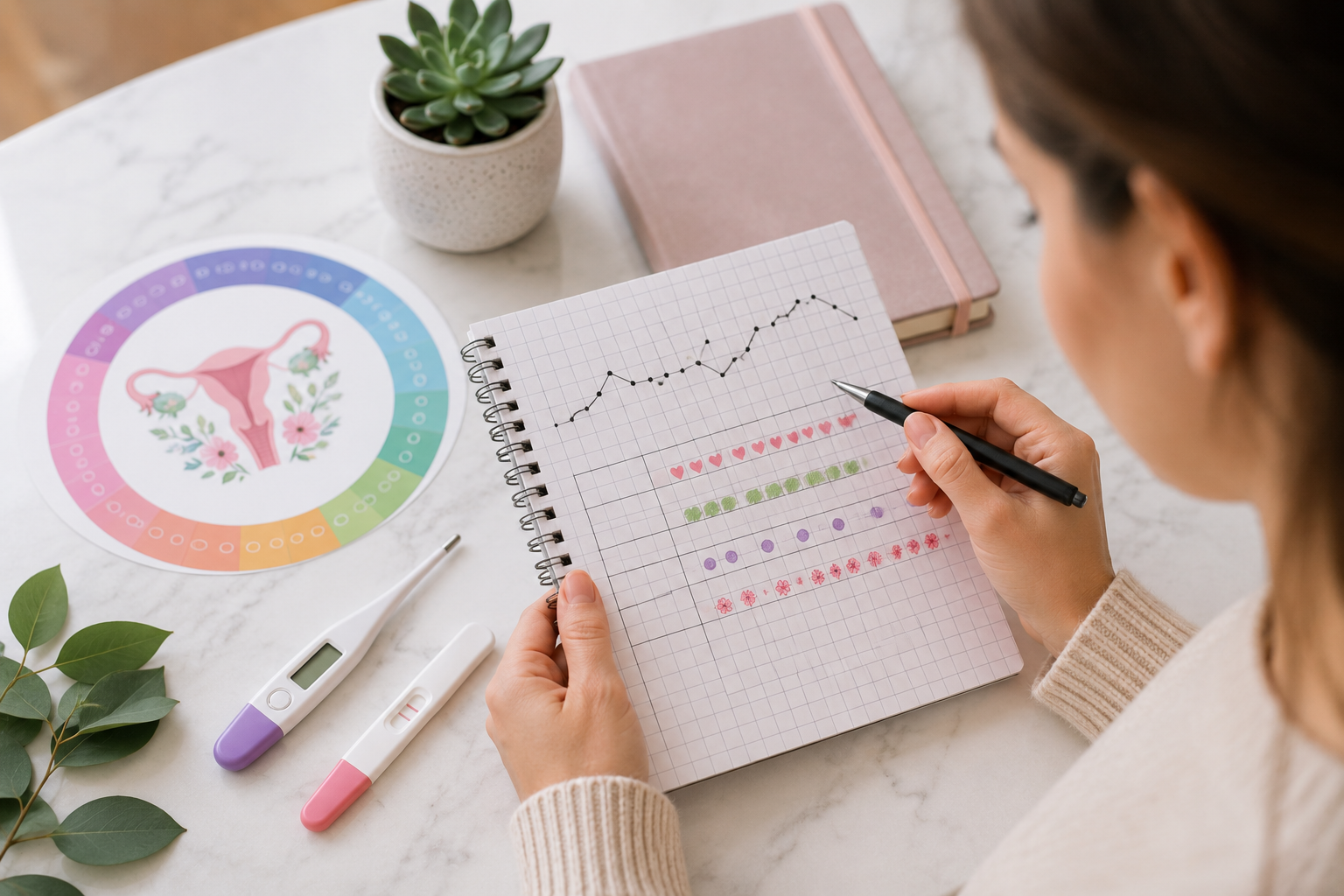
Technology has made fertility tracking more convenient than ever.
Many smartphone apps allow users to track:
- Menstrual periods
- Symptoms
- Cervical mucus
- Basal body temperature
- Ovulation predictions
Apps can help identify trends and improve cycle awareness.
However, predictions are based on entered data and may not always accurately identify ovulation.
Factors That Can Affect Ovulation
Several factors may influence ovulation and fertility.
Stress
High stress levels may affect hormone production and cycle regularity.
Significant Weight Changes
Both underweight and overweight conditions can impact ovulation.
Excessive Exercise
Very intense exercise may interfere with hormone balance in some women.
Medical Conditions
Conditions such as:
- Polycystic ovary syndrome (PCOS)
- Thyroid disorders
- Hormonal imbalances
can affect ovulation patterns.
Age
Female fertility naturally declines with age, particularly after age 35.
Signs You May Not Be Ovulating Regularly
Irregular ovulation can sometimes make fertility tracking more challenging.
Possible signs include:
- Irregular periods
- Very short cycles
- Very long cycles
- Missing periods
- Difficulty becoming pregnant
Women who suspect ovulation problems should discuss concerns with a healthcare provider.
Tips for Supporting Fertility Naturally
While fertility is influenced by many factors, healthy lifestyle habits can support reproductive health.
Eat a Balanced Diet
Focus on:
- Fruits
- Vegetables
- Whole grains
- Lean proteins
- Healthy fats
Maintain a Healthy Weight
Healthy body weight supports hormonal balance.
Stay Active
Regular exercise promotes overall health and wellness.
Manage Stress
Stress reduction techniques may support healthy hormone function.
Prioritize Sleep
Quality sleep is important for hormonal regulation and overall health.
When to Seek Medical Advice
If you’ve been trying to conceive without success, it may be helpful to consult a healthcare provider.
General recommendations include:
- Women under 35: seek evaluation after one year of trying to conceive.
- Women 35 and older: seek evaluation after six months of trying.
Women with irregular cycles or known reproductive health conditions may benefit from earlier evaluation.
Final Thoughts
Tracking ovulation and fertility can provide valuable insights into your reproductive health and menstrual cycle. By learning to recognize fertility signs such as changes in cervical mucus, basal body temperature shifts, and ovulation predictor test results, women can better understand their bodies and identify their most fertile days.
While no single method is perfect, combining multiple tracking techniques often provides the clearest picture of ovulation and fertility. Whether you’re trying to conceive, monitor your cycle, or simply learn more about your reproductive health, fertility awareness can be an empowering tool.
The more you understand your body’s natural rhythms, the better equipped you’ll be to make informed decisions about your health and well-being.