


Have you ever finished your period, only to see bleeding again a couple of weeks later and wondered, “Why am I getting my period twice in one month?” If so, you’re not alone. Experiencing two periods in a single month can be confusing, frustrating, and sometimes even alarming.
While an occasional change in your menstrual cycle may not be cause for concern, frequent irregular bleeding can sometimes signal an underlying issue that deserves attention. Understanding the possible causes can help you determine whether what you’re experiencing is a normal variation or something worth discussing with a healthcare provider.
Understanding the Menstrual Cycle
A normal menstrual cycle is typically between 21 and 35 days long, with the average cycle lasting about 28 days. Your period begin from the first day of bleeding until the day before your next period begins.
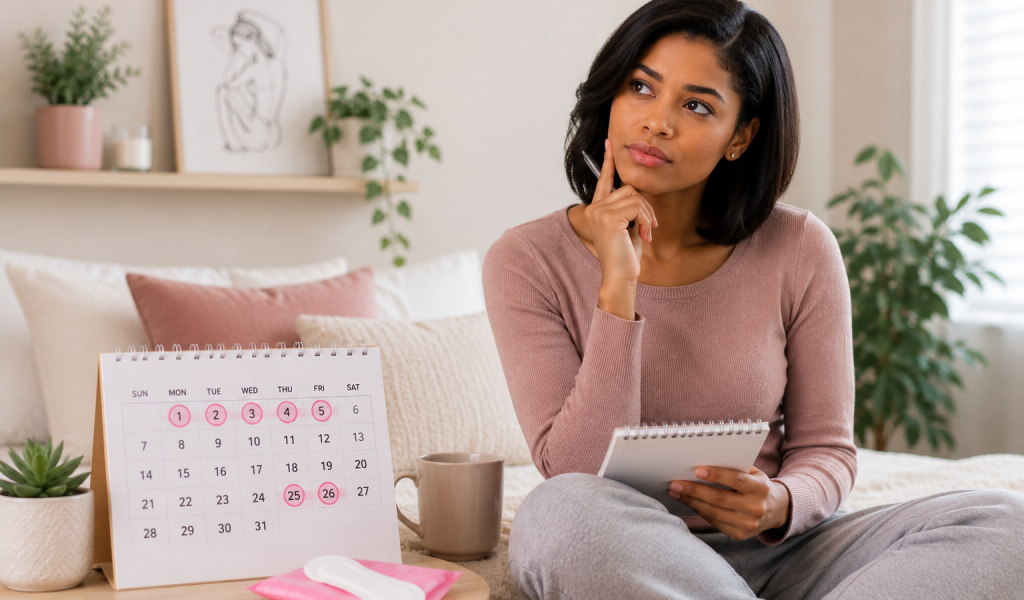
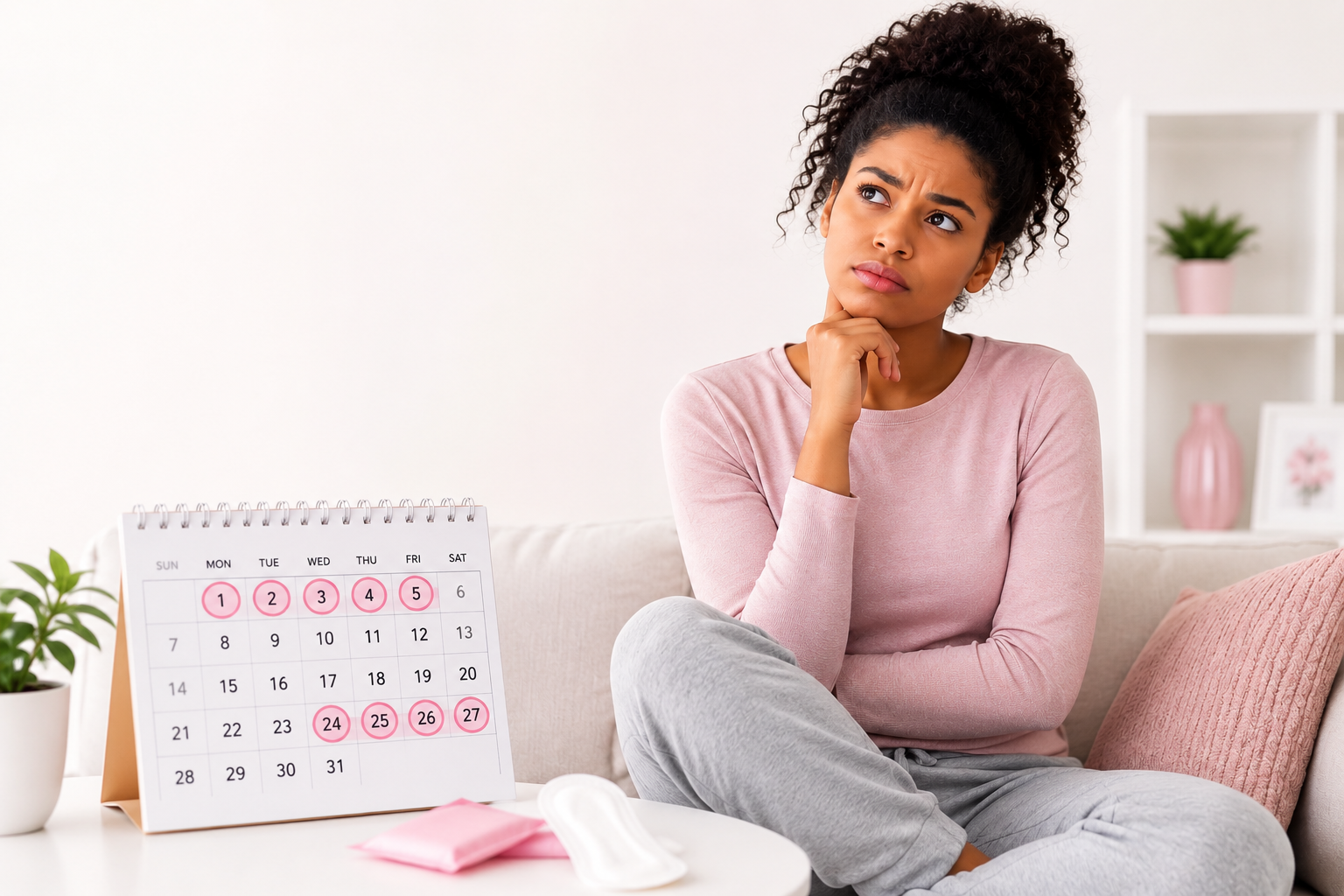
Because months on the calendar are longer than most menstrual cycles, some women naturally experience what appears to be two periods in one month. For example, if your period starts on the 1st of the month and your cycle is 24 days long, your next period could begin on the 25th, resulting in two periods during the same calendar month.
In this situation, having two periods in one month is completely normal.
Common Reasons You May Have Two Periods in One Month
- A Naturally Short Menstrual Cycle
Some women naturally have shorter cycles. If your cycle is consistently between 21 and 24 days, you may occasionally experience two periods in a single calendar month.
This is generally not a cause for concern if your cycles are otherwise predictable and your bleeding patterns remain consistent.
- Stress
Stress can have a significant impact on reproductive hormones. Emotional stress, work-related pressure, financial concerns, relationship challenges, or major life changes may disrupt normal hormone production.
When hormone levels fluctuate, ovulation may occur earlier or later than expected, leading to changes in the timing of your period.
Other symptoms of stress-related cycle changes may include:
- Missed periods
- Heavier bleeding
- Lighter bleeding
- Spotting between periods
- Changes in PMS symptoms
Finding healthy ways to manage stress may help restore menstrual regularity over time.
- Hormonal Changes
Hormones play a huge role in regulating the menstrual cycle. Even small fluctuations can affect the timing and amount of bleeding.
Hormonal changes may occur due to:
- Puberty
- Perimenopause
- Significant weight changes
- Excessive exercise
- Certain medications
- Thyroid disorders
These changes can sometimes result in unexpected bleeding or periods that occur more frequently than usual.
- Ovulation Spotting
Some women experience light spotting around the time of ovulation. Ovulation typically occurs midway through the menstrual cycle and may be accompanied by:
- Light pink or brown spotting
- Mild pelvic discomfort
- Increased cervical mucus
Ovulation spotting is usually much lighter than a true period and generally lasts only a day or two.
- Birth Control Changes
Starting, stopping, or switching hormonal birth control can temporarily affect your cycle.
Many women experience:
- Breakthrough bleeding
- Spotting between periods
- Irregular cycles
- More frequent bleeding
These changes often improve after a few months as the body adjusts to the new hormone levels.
- Thyroid Disorders
The thyroid gland helps regulate many important body functions, including hormone production.
Both an underactive thyroid (hypothyroidism) and an overactive thyroid (hyperthyroidism) can affect menstrual cycles and cause:
- More frequent periods
- Missed periods
- Heavy bleeding
- Irregular bleeding
If thyroid problems are suspected, a healthcare provider can evaluate thyroid hormone levels through blood testing.
- Polycystic Ovary Syndrome (PCOS)
PCOS is a common hormonal condition that affects ovulation and menstrual regularity.
Although many women with PCOS experience infrequent periods, others may experience irregular bleeding that can seem like multiple periods within a month.
Additional symptoms of PCOS may include:
- Acne
- Excess facial or body hair
- Weight gain
- Difficulty losing weight
- Fertility challenges
- Uterine Fibroids or Polyps
Fibroids and polyps are noncancerous growths that can develop within the uterus.
These growths may cause:
- Heavy periods
- Bleeding between periods
- Prolonged menstrual bleeding
- Pelvic pressure
Because abnormal uterine bleeding can have many causes, it’s important to consult a healthcare provider if symptoms persist.
Could It Be Implantation Bleeding?
Some women mistake implantation bleeding for a second period.
Implantation bleeding occurs when a fertilized egg attaches to the uterine lining and may cause light spotting.
Implantation bleeding is usually:
- Very light
- Pink or brown in color
- Short in duration
- Not as heavy as a regular period
If pregnancy is possible, taking a pregnancy test may help provide answers.
When Should You See a Healthcare Provider?
While occasional cycle irregularities can happen, certain symptoms should not be ignored.
Consider speaking with a healthcare provider if you experience:
- Two periods in one month repeatedly
- Very heavy bleeding
- Severe pelvic pain
- Bleeding that lasts longer than seven days
- Bleeding after menopause
- Significant changes in your normal cycle
- Dizziness or symptoms of anemia
Keeping track of your menstrual cycle can help identify patterns and provide useful information during medical appointments.
How to Track Your Menstrual Cycle
Tracking your cycle can help you better understand what is normal for your body.
Consider recording:
- First day of each period
- Length of bleeding
- Flow intensity
- Spotting episodes
- PMS symptoms
- Ovulation signs
- Stress levels
Many smartphone apps make cycle tracking simple and convenient.
Tips for Supporting Hormonal Health
Although not all menstrual irregularities can be prevented, healthy lifestyle habits may support overall hormonal balance.
Try to:
- Get adequate sleep each night
- Manage stress effectively
- Maintain regular physical activity
- Eat a balanced diet rich in fruits, vegetables, and lean protein
- Stay hydrated
- Avoid excessive dieting or rapid weight loss
Small lifestyle improvements can sometimes make a meaningful difference in menstrual health.
The Bottom Line
Having two periods in one month isn’t always a sign that something is wrong. In some cases, it may simply reflect a naturally shorter menstrual cycle. However, stress, hormonal changes, birth control adjustments, thyroid disorders, PCOS, fibroids, and other health conditions can also contribute to more frequent bleeding.
If you’re noticing persistent changes in your cycle, unusually heavy bleeding, or other concerning symptoms, it’s a good idea to consult a healthcare provider. Understanding your menstrual cycle and tracking any changes can help you take a proactive approach to your reproductive health.
Remember, every woman’s body is different. What matters most is knowing what is normal for you and paying attention when something changes.