What Are the Signs of Endometriosis? Symptoms Every Woman Should Know

Endometriosis is a chronic condition that affects an estimated 1 in 10 women of reproductive age, yet many women spend years searching for answers before receiving a diagnosis. Because its symptoms often overlap with common menstrual discomfort or digestive disorders, endometriosis is frequently overlooked or mistaken for something else.

Many women are told that severe period pain is “just part of being a woman.” While mild menstrual cramps can be normal, pain that regularly interferes with work, school, relationships, or daily activities should never be ignored.

Learning to recognize the signs of endometriosis can help you seek medical care sooner and begin exploring treatment options that may improve your quality of life.

In this article, we’ll discuss the most common symptoms of endometriosis, what causes them, risk factors, diagnosis, treatment options, and when it’s time to talk with your healthcare provider.

What Is Endometriosis?

Endometriosis is a condition in which tissue similar to the lining of the uterus (called the endometrium) grows outside the uterus or other areas.

This tissue can develop on the:

  • Ovaries
  • Fallopian tubes
  • Outside of the uterus
  • Pelvic lining
  • Bladder
  • Intestines
  • Rectum
  • Other nearby organs

This tissue responds to hormonal changes throughout the menstrual cycle. However, unlike menstrual blood that leaves the body during a period, this misplaced tissue has nowhere to go. Over time, it can lead to:

  • Inflammation
  • Scar tissue (adhesions)
  • Irritation
  • Chronic pelvic pain
  • Fertility problems

The severity of endometriosis doesn’t always match the amount of pain a woman experiences. Some women with mild disease have severe symptoms, while others with advanced endometriosis have very little discomfort.

  1. Severe Menstrual Cramps

One of the most common signs of endometriosis is painful menstrual cramps that are much more intense than typical period pain.

Women often describe the pain as:

  • Sharp
  • Stabbing
  • Burning
  • Throbbing
  • Crippling

Unlike ordinary menstrual cramps, endometriosis pain may:

  • Begin several days before your period
  • Continue throughout your period
  • Last for several days afterward
  • Fail to improve with over-the-counter pain medication

If your period pain forces you to miss work, school, or important events, it’s worth discussing with a healthcare professional.

  1. Chronic Pelvic Pain

Pain isn’t always limited to your menstrual cycle.

Many women experience pelvic pain throughout the month.

This pain may feel:

  • Dull and aching
  • Constant
  • Intermittent
  • Sharp during certain movements

Chronic pelvic pain can affect:

  • Walking
  • Sitting for long periods
  • Exercising
  • Sleeping
  • Daily activities

Persistent pelvic pain should always be evaluated by a healthcare provider.

  1. Pain During or After Sexual Intercourse

Pain during sex (dyspareunia) is another common symptom of endometriosis.

Some women experience:

  • Deep pelvic pain
  • Sharp pain with penetration
  • Cramping afterward
  • Pain lasting for several hours after intercourse

Pain during intimacy is not something you simply have to live with. It deserves medical attention and evaluation.

  1. Heavy or Irregular Menstrual Bleeding

Although not every woman with endometriosis experiences heavy bleeding, many women report:

  • Heavy periods
  • Bleeding between periods
  • Long menstrual cycles
  • Passing large blood clots

Heavy menstrual bleeding can increase your risk of iron deficiency anemia, which may lead to:

  • Fatigue
  • Weakness
  • Dizziness
  • Pale skin
  • Shortness of breath

If you’re soaking through pads or tampons very quickly or bleeding for longer than usual, it’s important to discuss these symptoms with your healthcare provider.

  1. Painful Bowel Movements

Some women notice severe pain during bowel movements, especially while menstruating.

This may include:

  • Sharp rectal pain
  • Cramping
  • Pressure
  • Pain before or after using the bathroom

When endometriosis affects tissue near the bowel, these symptoms may become more noticeable during your menstrual cycle.

  1. Painful Urination

If endometrial-like tissue develops near the bladder or urinary tract, some women experience:

  • Pain while urinating
  • Burning sensations
  • Pelvic pressure
  • Increased urinary urgency

These symptoms often worsen during menstruation.

However, urinary symptoms can have many causes, including urinary tract infections, so proper medical evaluation is important.

  1. Digestive Problems

Many women with endometriosis initially believe they have digestive disorders because their symptoms resemble irritable bowel syndrome (IBS).

Common digestive symptoms include:

  • Bloating
  • Constipation
  • Diarrhea
  • Gas
  • Nausea
  • Abdominal pain

One of the best-known digestive symptoms is what’s often called “endo belly,” a term used to describe severe abdominal bloating that may occur before or during a period.

Although bloating has many possible causes, recurring digestive symptoms that worsen around menstruation are worth discussing with your healthcare provider.

  1. Lower Back and Hip Pain

Endometriosis pain can be experienced in other areas besides the pelvis.

Some women experience:

  • Lower back pain
  • Hip pain
  • Buttock pain
  • Pain radiating into the thighs

These symptoms often become more noticeable around the menstrual cycle but can also occur at other times.

  1. Pain During Ovulation

Some women notice intense pain around the middle of their menstrual cycle when they ovulate.

Although mild ovulation discomfort (sometimes called mittelschmerz) can be normal, severe pain that interferes with daily life deserves medical evaluation.

  1. Difficulty Becoming Pregnant

Endometriosis is one of the leading causes of infertility.

The condition may affect fertility by:

  • Causing inflammation
  • Blocking fallopian tubes
  • Creating scar tissue
  • Affecting egg quality
  • Changing the pelvic environment

It’s important to remember that many women with endometriosis still become pregnant naturally, while others may benefit from fertility treatments.

If you’ve been trying to conceive without success, talk with your healthcare provider about possible underlying causes.

  1. Chronic Fatigue

Living with chronic pain and inflammation can be exhausting.

Many women with endometriosis report:

  • Constant tiredness
  • Low energy
  • Difficulty concentrating
  • Brain fog
  • Feeling drained despite getting enough sleep

Fatigue may become even worse during menstruation or during painful flare-ups.

Less Common Symptoms

Depending on where endometrial-like tissue grows, some women experience less common symptoms such as:

  • Shoulder pain
  • Chest pain during menstruation (rare)
  • Blood in the urine during periods (rare)
  • Blood in the stool during periods (rare)
  • Sciatica-like leg pain
  • Pain while exercising

These symptoms are uncommon but should always be evaluated by a healthcare provider.

What Causes Endometriosis?

Researchers are still working to understand the exact cause of endometriosis.

Several theories include:

  • Retrograde menstruation (menstrual blood flowing backward into the pelvis)
  • Genetics
  • Hormonal factors
  • Immune system dysfunction
  • Transformation of certain cells into endometrial-like tissue

It’s likely that multiple factors contribute to the development of the condition.

Who Is at Risk?

Several factors may increase your risk of developing endometriosis, including:

  • Having a close family member with endometriosis
  • Starting menstruation at a young age
  • Short menstrual cycles
  • Heavy or prolonged periods
  • Never having given birth (although women who have given birth can also develop endometriosis)

Having risk factors doesn’t necessarily mean you’ll develop the condition, but it may increase your likelihood.

How Is Endometriosis Diagnosed?

Diagnosing endometriosis can sometimes take years because symptoms overlap with many other conditions.

Your healthcare provider may recommend:

  • A detailed discussion of your symptoms
  • A pelvic examination
  • Pelvic ultrasound
  • MRI in certain situations

Although imaging tests can identify some findings, they cannot definitively diagnose or rule out endometriosis.

The only way to confirm the diagnosis is through a minimally invasive surgical procedure called laparoscopy, during which a surgeon can directly view and sometimes biopsy endometrial-like tissue.

Treatment Options

Treatment depends on your symptoms, age, reproductive goals, and overall health.

Options may include:

  • Nonsteroidal anti-inflammatory drugs (NSAIDs) for pain relief
  • Hormonal birth control
  • Progestin therapy
  • Gonadotropin-releasing hormone (GnRH) medications
  • Laparoscopic surgery to remove endometrial-like tissue
  • Fertility treatments when pregnancy is desired

Many women benefit from a combination of medical treatment and healthy lifestyle habits.

Lifestyle Tips That May Help

While lifestyle changes cannot cure endometriosis, they may help support your overall well-being alongside medical care.

Helpful habits include:

  • Eating a balanced diet rich in fruits, vegetables, whole grains, and lean proteins
  • Staying physically active as tolerated
  • Prioritizing quality sleep
  • Managing stress through yoga, meditation, or deep breathing
  • Keeping a symptom journal to identify patterns
  • Following your healthcare provider’s treatment plan

These strategies may help you better manage symptoms and improve your quality of life.

When Should You See a Healthcare Provider?

Schedule an appointment if you experience:

  • Severe menstrual cramps
  • Pelvic pain that interferes with daily life
  • Pain during sex
  • Heavy menstrual bleeding
  • Painful bowel movements or urination during your period
  • Ongoing digestive symptoms linked to your menstrual cycle
  • Difficulty becoming pregnant
  • Chronic fatigue along with pelvic pain

Seeking medical advice early may shorten the time to diagnosis and help you receive appropriate treatment sooner.

The Bottom Line

Endometriosis is much more than painful periods. It is a chronic condition that can affect many areas of a woman’s life, including her physical comfort, fertility, emotional well-being, and daily activities.

Knowing the warning signs—such as severe menstrual cramps, chronic pelvic pain, painful intercourse, heavy bleeding, digestive problems, fatigue, and infertility—can empower you to seek medical evaluation if something doesn’t feel right.

If your symptoms are disrupting your life, remember that severe pain is not something you should simply accept. Talk with your healthcare provider about your concerns and discuss whether further evaluation for endometriosis is appropriate.

Frequently Asked Questions

Can you have endometriosis without severe pain?

Yes. Some women have mild symptoms or no noticeable symptoms at all, while others experience debilitating pain. The severity of symptoms does not always reflect the extent of the disease.

What is “endo belly”?

“Endo belly” is an informal term used to describe significant abdominal bloating that some women with endometriosis experience, often around their menstrual period.

Is endometriosis curable?

There is currently no cure for endometriosis. However, medications, surgery, and other treatments can help manage symptoms and improve quality of life.

Can endometriosis affect fertility?

Yes. Endometriosis can make it more difficult for some women to become pregnant, but many women with the condition conceive naturally or with the help of fertility treatments.

Is severe period pain normal?

Mild to moderate menstrual cramps are common. However, pain that prevents you from working, attending school, exercising, or enjoying daily activities should be evaluated by a healthcare professional.


Health Benefits of White Tea: Why This Delicate Brew Deserves a Place in Your Wellness Routine

When it comes to healthy beverages, green tea often steals the spotlight. However, white tea is a hidden gem that deserves just as much attention. Made from the young leaves and unopened buds of the Camellia sinensis plant, white tea undergoes minimal processing, helping preserve many of its natural antioxidants and delicate flavor.

For women looking to support their overall health, improve hydration, and incorporate more antioxidant-rich foods into their daily routine, white tea may be a refreshing addition to a balanced lifestyle.

In this article, we’ll explore the science-backed health benefits of white tea, its nutritional profile, and simple ways to enjoy this soothing beverage.

What Is White Tea?

White tea is considered the least processed variety of tea. Unlike black or oolong tea, the leaves are harvested while still young and are gently dried without extensive oxidation or fermentation.

This minimal processing gives white tea:

  • A light, delicate flavor
  • A pale golden color
  • High levels of naturally occurring plant compounds called polyphenols

Popular varieties include:

  • Silver Needle (Bai Hao Yin Zhen)
  • White Peony (Bai Mu Dan)
  • Tribute Eyebrow (Gong Mei)
  • Long Life Eyebrow (Shou Mei)

Nutritional Facts

An 8-ounce (240 mL) cup of unsweetened white tea contains approximately:

  • Calories: 0–2
  • Fat: 0 g
  • Carbohydrates: 0 g
  • Protein: 0 g
  • Sugar: 0 g
  • Sodium: 0 mg
  • Caffeine: 15–30 mg (varies by variety and brewing time)

White tea also naturally contains:

  • Catechins
  • Flavonoids
  • Polyphenols
  • Small amounts of fluoride
  • L-theanine
  • Trace minerals

1. Rich in Powerful Antioxidants

One of white tea’s greatest strengths is its impressive antioxidant content.

Antioxidants help protect your cells from damage caused by unstable molecules known as free radicals. Over time, oxidative stress from free radicals may contribute to aging and the development of certain chronic diseases.

White tea is especially rich in catechins, a group of antioxidants that have been widely studied for their potential role in supporting overall health.

While no single food or drink can prevent disease, consuming antioxidant-rich foods as part of a balanced diet may help support your body’s natural defenses.

2. May Support Heart Health

Heart disease remains one of the leading health concerns for women.

Research suggests that the polyphenols found in tea may support cardiovascular health by helping maintain healthy blood vessel function and reducing oxidative stress.

Some studies have also linked regular tea consumption with:

  • Healthy cholesterol levels already within the normal range
  • Healthy blood pressure as part of an overall healthy lifestyle
  • Improved circulation

These benefits are most likely when white tea is combined with regular exercise, a nutritious diet, and other heart-healthy habits.

3. May Help Support Healthy Weight Management

If you’re trying to maintain a healthy weight, white tea may be a smart beverage choice.

Unlike sugary soft drinks, sweetened coffees, or energy drinks, unsweetened white tea contains virtually no calories.

Some laboratory research suggests that compounds in white tea may influence fat metabolism and support the body’s natural fat-burning processes. However, these findings are still being studied, and white tea should not be viewed as a weight-loss solution on its own.

Replacing high-calorie beverages with white tea may help reduce your daily calorie intake.

4. May Help Promote Healthy Skin

Healthy skin starts from within.

The antioxidants in white tea may help protect skin cells from oxidative damage caused by environmental stressors such as pollution and UV exposure.

Some laboratory studies suggest that white tea extracts may help protect collagen and elastin—proteins responsible for keeping skin firm and elastic. While more human research is needed, drinking antioxidant-rich beverages can be part of an overall skin-friendly lifestyle.

For best results, pair white tea with:

  • Plenty of water
  • Fruits and vegetables
  • Healthy fats
  • Adequate sleep
  • Daily sunscreen

5. May Support Healthy Aging

Aging is a natural part of life, but healthy habits can help you feel your best at every stage.

Because white tea contains a variety of antioxidant compounds, it may help reduce oxidative stress, which plays a role in the aging process.

Combined with regular physical activity, nutritious eating, stress management, and quality sleep, white tea can be a simple addition to a healthy aging routine.

6. May Support Brain Health

White tea contains two naturally occurring compounds that make it especially interesting for brain health:

  • L-theanine
  • Caffeine

Together, these compounds may help support alertness while promoting a calm, focused feeling.

Compared with coffee, white tea generally contains less caffeine, making it a gentler option for people who are sensitive to caffeine but still enjoy a mild energy boost.

Many people enjoy white tea as an afternoon beverage because it offers refreshment without the stronger stimulation associated with coffee.

7. May Help Support Oral Health

White tea naturally contains fluoride, catechins, and tannins.

These compounds may help support oral health by reducing the growth of certain bacteria involved in plaque formation.

White tea should never replace brushing, flossing, or regular dental visits, but it can complement a healthy oral hygiene routine.

8. May Help Support Healthy Blood Sugar Levels

Some research suggests that tea polyphenols may play a role in supporting healthy glucose metabolism.

While more research is needed specifically on white tea, replacing sugar-sweetened beverages with unsweetened white tea can be a positive dietary change for many adults.

If you have diabetes or another medical condition affecting blood sugar, speak with your healthcare provider before making significant dietary changes.

9. Supports Daily Hydration

Many people mistakenly believe that caffeinated beverages don’t count toward hydration.

In reality, beverages like white tea contribute to your daily fluid intake.

Staying hydrated supports:

  • Energy levels
  • Digestion
  • Temperature regulation
  • Joint lubrication
  • Healthy skin
  • Overall body function

If you struggle to drink plain water, white tea offers a flavorful alternative.

10. A Relaxing Daily Ritual

Health isn’t just about nutrition—it’s also about creating moments of calm.

Preparing a warm cup of white tea can become a relaxing self-care ritual that encourages mindfulness and stress reduction.

Pair your tea break with:

  • Reading a book
  • Journaling
  • Deep breathing
  • Gentle stretching
  • Quiet reflection

Even a few peaceful minutes each day can support your overall well-being.

How to Brew White Tea

Ingredients

  • 1 teaspoon loose-leaf white tea or 1 tea bag
  • 8 ounces hot water (about 170–185°F or 77–85°C)

Directions

  1. Heat water until hot but not boiling.
  2. Pour over the tea.
  3. Steep for 3–5 minutes.
  4. Remove the leaves or tea bag.
  5. Enjoy plain or with a slice of lemon if desired.

Avoid boiling water, as it can make white tea taste bitter and overpower its delicate flavor.

Tips for Choosing High-Quality White Tea

When shopping for white tea, look for:

  • Whole leaves rather than tea dust
  • Minimal added ingredients
  • No added sugars
  • Organic options if preferred
  • Fresh packaging with a harvest or expiration date

Loose-leaf varieties often provide a richer flavor, though quality tea bags can also be an excellent choice.

Are There Any Side Effects?

White tea is generally considered safe for most healthy adults when consumed in moderation.

However, keep these considerations in mind:

  • It contains caffeine, though less than coffee and many black teas.
  • Pregnant or breastfeeding women should discuss caffeine intake with their healthcare provider.
  • Tea may reduce iron absorption if consumed with meals. If you have iron deficiency, consider drinking tea between meals instead.
  • Some medications may interact with caffeine, so consult your healthcare provider if you have concerns.

The Bottom Line

White tea is more than just a soothing beverage—it’s a naturally low-calorie drink packed with antioxidants that can support an overall healthy lifestyle. From promoting hydration and providing a gentle energy boost to contributing beneficial plant compounds, white tea offers numerous reasons to become part of your daily routine.

While it isn’t a cure-all, replacing sugary drinks with unsweetened white tea is a simple step that can support your long-term wellness goals. Pair it with a balanced diet, regular exercise, quality sleep, and stress management for the greatest health benefits.

Whether you’re looking for a calming afternoon pick-me-up or a refreshing way to increase your antioxidant intake, white tea is a delicious choice that nourishes both body and mind.

Frequently Asked Questions

Is white tea healthier than green tea?

Both white tea and green tea are rich in antioxidants and can be part of a healthy diet. White tea is less processed and often contains a milder flavor, while green tea has been studied more extensively. Neither is universally “healthier”—the best choice depends on your taste and preferences.

Can I drink white tea every day?

For most healthy adults, enjoying one to three cups of unsweetened white tea daily is generally considered safe. Be mindful of your total caffeine intake, especially if you are sensitive to caffeine.

Does white tea help with weight loss?

White tea is not a weight-loss treatment, but replacing high-calorie beverages with unsweetened white tea may support healthy weight management as part of a balanced diet and active lifestyle.

Should I add sugar to white tea?

White tea has a naturally delicate, slightly sweet flavor. Enjoying it plain allows you to avoid added sugars and fully appreciate its subtle taste.

Essential Nutrients for Keeping Up a Woman’s Health

Women’s nutritional needs change throughout life. From the teenage years to pregnancy, menopause, and beyond, the body relies on a variety of essential nutrients to support energy, hormone balance, strong bones, a healthy immune system, and overall well-being. While no single food provides everything your body needs, eating a balanced diet rich in vitamins, minerals, protein, healthy fats, and fiber can help you feel your best.

Whether your goal is to maintain a healthy weight, improve your energy levels, support reproductive health, or simply age well, understanding the nutrients your body depends on is an important step toward better health.

Why Nutrition Matters for Women

Women face different health challenges throughout their lives. Hormonal fluctuations, menstruation, pregnancy, breastfeeding, and menopause all increase the body’s demand for certain nutrients. Poor nutrition can contribute to fatigue, weakened bones, iron deficiency, poor immune function, and difficulty maintaining muscle mass as we age.

Making healthy food choices doesn’t require a perfect diet. Instead, focus on consistently eating nutrient-dense foods that nourish your body and support your long-term health.

Protein: The Building Block of Health

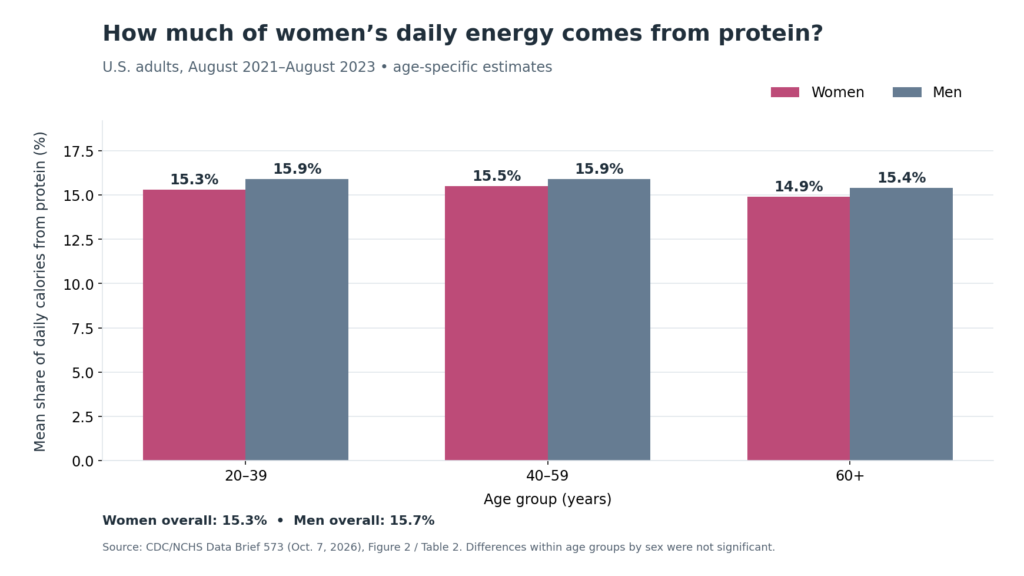
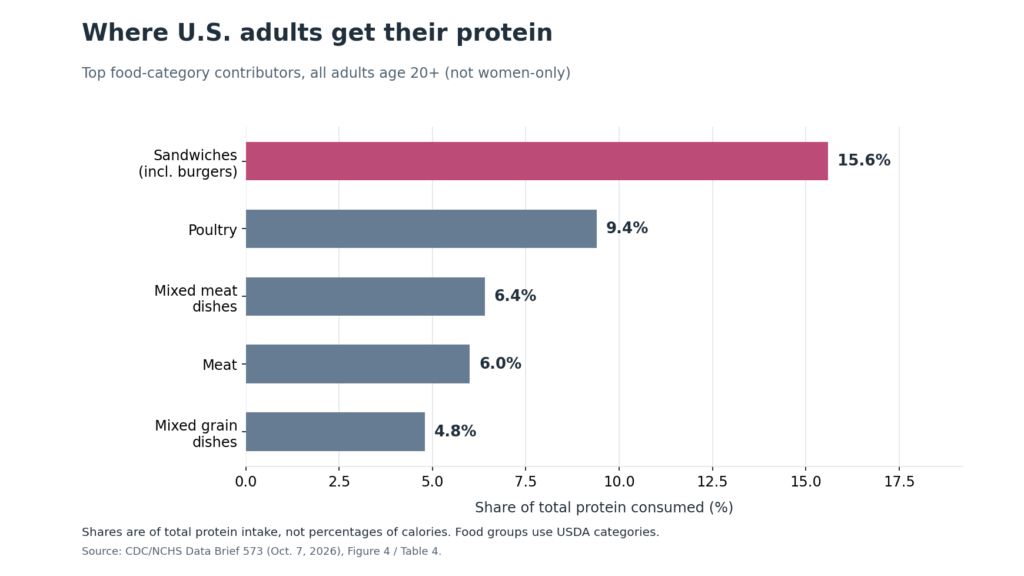
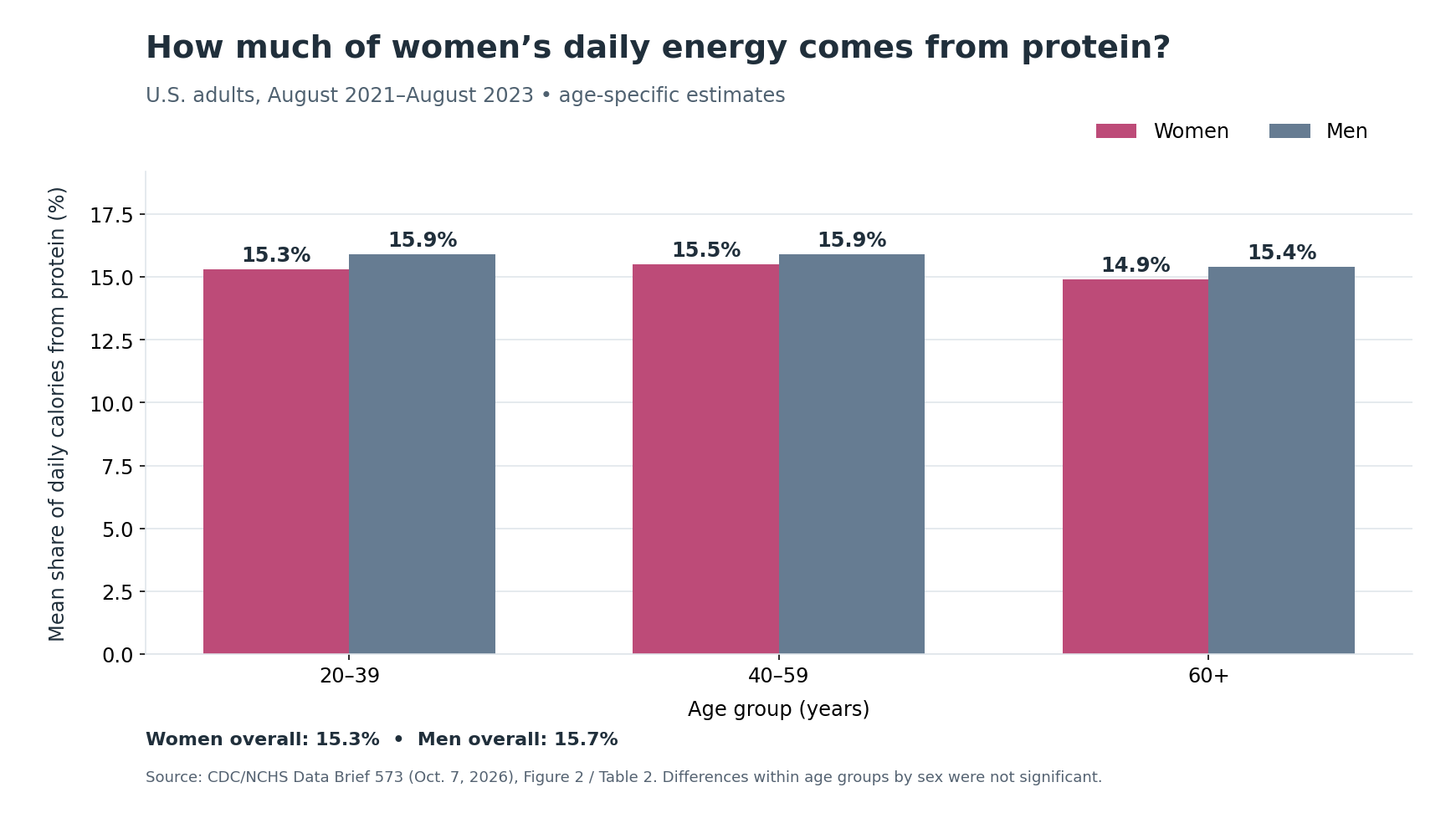
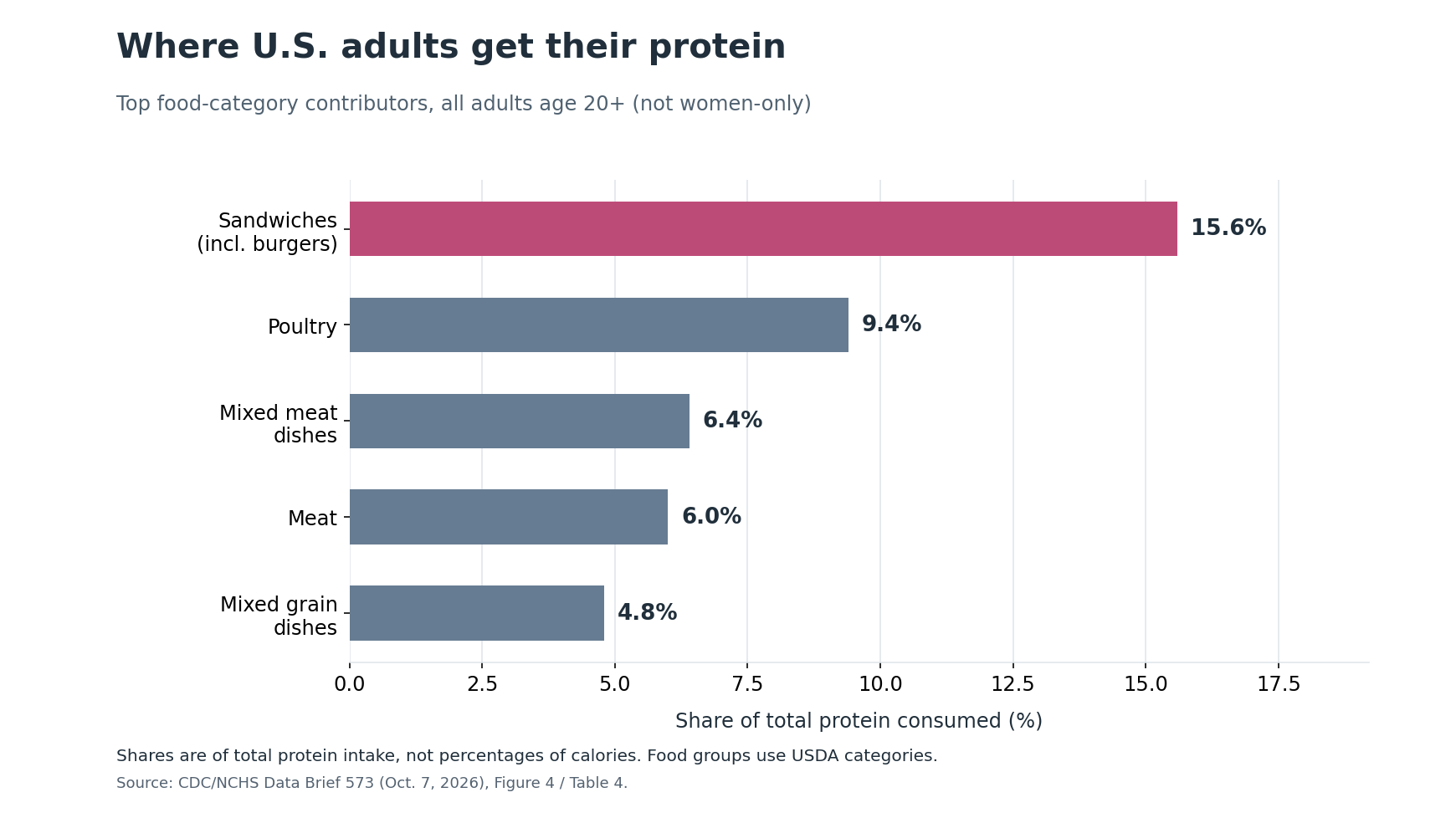
Protein is one of the most important nutrients for women. It helps build and repair muscles, supports healthy skin and hair, produces hormones and enzymes, and helps keep you feeling full after meals.

As women get older, maintaining muscle becomes even more important because muscle mass naturally declines with age. Including protein at each meal can help support healthy muscles and overall strength.

Excellent Sources of Protein

  • Chicken breast
  • Turkey
  • Fish
  • Eggs
  • Greek yogurt
  • Cottage cheese
  • Lentils
  • Black beans
  • Chickpeas
  • Tofu
  • Edamame
  • Nuts and seeds

Aim to include a source of protein with every meal and snack whenever possible.

Calcium: Supporting Strong Bones

Calcium is essential for maintaining healthy bones and teeth. Women are at a higher risk of developing osteoporosis later in life, making calcium intake especially important.

Your body cannot produce calcium on its own, so it’s important to get enough through food or supplements if recommended by your healthcare provider.

Calcium-Rich Foods

  • Milk
  • Yogurt
  • Cheese
  • Fortified plant milks
  • Kale
  • Bok choy
  • Broccoli
  • Sardines
  • Calcium-set tofu

Vitamin D: Helping Your Body Use Calcium

Vitamin D works together with calcium to help maintain strong bones. It also supports muscle function and immune health.

Many adults do not get enough vitamin D, especially during seasons with limited sunlight.

Good Sources of Vitamin D

  • Salmon
  • Tuna
  • Egg yolks
  • Fortified milk
  • Fortified cereals
  • Fortified plant-based beverages

Your healthcare provider may recommend a vitamin D supplement if your levels are low.

Iron: Supporting Healthy Red Blood Cells

Iron helps your body produce hemoglobin, the protein in red blood cells that carries oxygen throughout your body.

Women who menstruate have a higher risk of iron deficiency because of monthly blood loss.

Low iron levels may contribute to:

  • Fatigue
  • Weakness
  • Shortness of breath
  • Difficulty concentrating
  • Pale skin

Iron-Rich Foods

  • Lean beef
  • Turkey
  • Chicken
  • Spinach
  • Lentils
  • Beans
  • Tofu
  • Pumpkin seeds
  • Fortified breakfast cereals

Pair plant-based sources of iron with foods rich in vitamin C, such as oranges, strawberries, or bell peppers, to improve iron absorption.

Folate: Important Throughout Life

Folate, also known as vitamin B9, plays a role in cell growth and DNA production. It is especially important before and during pregnancy because it helps support healthy fetal development.

Even women who are not planning a pregnancy can benefit from getting enough folate as part of a balanced diet.

Folate-Rich Foods

  • Spinach
  • Romaine lettuce
  • Asparagus
  • Lentils
  • Black-eyed peas
  • Avocados
  • Oranges
  • Broccoli

Magnesium: Supporting Muscle and Nerve Function

Magnesium is involved in hundreds of chemical reactions throughout the body. It helps support muscle and nerve function, bone health, and energy production.

Some women also find that maintaining adequate magnesium intake supports overall comfort during their menstrual cycle, although research is ongoing.

Foods High in Magnesium

  • Almonds
  • Pumpkin seeds
  • Cashews
  • Spinach
  • Black beans
  • Brown rice
  • Oatmeal
  • Dark chocolate (in moderation)

Potassium: Supporting Heart and Muscle Function

Potassium helps regulate fluid balance and supports normal muscle and nerve function. It also works with sodium to help maintain healthy blood pressure.

Potassium-Rich Foods

  • Bananas
  • Sweet potatoes
  • White potatoes
  • Avocados
  • Tomatoes
  • Beans
  • Yogurt
  • Spinach

Omega-3 Fatty Acids

Omega-3 fatty acids are healthy fats that support heart health and brain function. They also play a role in maintaining normal inflammatory processes within the body.

Foods Rich in Omega-3s

  • Salmon
  • Sardines
  • Mackerel
  • Chia seeds
  • Ground flaxseed
  • Walnuts

Including fish twice per week or regularly eating plant sources of omega-3s can help increase your intake.

Fiber: The Forgotten Nutrient

Fiber supports digestive health, helps maintain healthy cholesterol levels, and can help you feel full after eating.

Many women do not consume enough fiber each day.

High-Fiber Foods

  • Oats
  • Apples
  • Pears
  • Berries
  • Beans
  • Lentils
  • Whole-grain bread
  • Brown rice
  • Quinoa
  • Vegetables

When increasing fiber intake, drink plenty of water to support healthy digestion.

Vitamin C

Vitamin C supports immune function, collagen production, and helps improve the absorption of iron from plant foods.

Vitamin C Sources

  • Oranges
  • Strawberries
  • Kiwi
  • Pineapple
  • Bell peppers
  • Broccoli
  • Brussels sprouts

Vitamin B12

Vitamin B12 helps maintain healthy nerve cells and it also supports red blood cell production.

Women who follow vegetarian or vegan diets may need fortified foods or supplements because vitamin B12 is found naturally in animal products.

Sources of Vitamin B12

  • Fish
  • Meat
  • Eggs
  • Dairy products
  • Fortified cereals
  • Fortified nutritional yeast

Healthy Fats

Healthy fats are essential for hormone production, brain health, and absorbing fat-soluble vitamins such as vitamins A, D, E, and K.

Healthy Fat Sources

  • Avocados
  • Olive oil
  • Nuts
  • Seeds
  • Nut butters
  • Fatty fish

Try replacing saturated fats with unsaturated fats whenever possible.

Hydration Is Just as Important

Water is often overlooked, yet it is one of the most important nutrients for overall health. Staying hydrated supports digestion, circulation, temperature regulation, and physical performance.

Simple ways to stay hydrated include:

  • Carry a reusable water bottle.
  • Drink water throughout the day instead of waiting until you’re thirsty.
  • Eat water-rich foods like watermelon, cucumbers, and oranges.
  • Increase your fluid intake during hot weather or exercise.

Putting It All Together

Healthy eating doesn’t have to be complicated. A balanced plate is one of the easiest ways to make sure you’re getting a variety of nutrients.

Aim to fill your plate with:

  • ½ vegetables and fruits
  • ¼ lean protein
  • ¼ whole grains
  • A serving of healthy fats, such as avocado, nuts, seeds, or olive oil

This simple approach provides your body with many of the vitamins and minerals it needs to function at its best.

Final Thoughts

Good nutrition is one of the most powerful tools you have for supporting your health throughout every stage of life. While no single food or supplement can provide everything your body needs, eating a variety of nutrient-rich foods helps supply the protein, vitamins, minerals, healthy fats, and fiber that support energy, bone health, muscle function, heart health, and overall wellness.

Remember that everyone’s nutritional needs are different based on age, activity level, medical conditions, and life stage. If you’re unsure whether you’re meeting your nutrient needs or are considering supplements, talk with a registered dietitian or healthcare professional for personalized guidance.

By making small, consistent healthy choices every day, you’re investing in your long-term health and giving your body the nourishment it deserves.


🍯 Ultimate Immune Comfort Elixir

A warm, soothing drink made with ginger, turmeric, lemon, honey, and cinnamon to help comfort you when you’re feeling under the weather.

Why You’ll Love This Drink

When you’re battling a cold, the flu, or another viral illness, staying hydrated and soothing your throat can help you feel more comfortable. This warm elixir combines ingredients known for their comforting flavors and antioxidant properties into one cozy mug.

Ingredients

  • 2 cups water
  • 1½-inch piece fresh ginger, peeled and sliced
  • ½ teaspoon ground turmeric
  • 1 cinnamon stick
  • Juice of ½ fresh lemon
  • 1 tablespoon honey
  • Pinch of black pepper
  • 1 chamomile tea bag (optional)

Instructions

  1. Bring the water to a boil.
  2. Add the ginger, turmeric, cinnamon stick, and black pepper.
  3. Reduce heat and simmer for 10–15 minutes.
  4. Remove from the heat and steep the chamomile tea bag for 5 minutes, if using.
  5. Strain into a mug.
  6. Stir in the lemon juice and honey.
  7. Enjoy warm.

Why These Ingredients?

🫚 Fresh Ginger

May help relieve nausea and provides a naturally warming flavor.

🍯 Honey

Can help soothe a sore throat and reduce coughing in adults and children over 1 year of age.

🍋 Lemon

Provides vitamin C and a fresh citrus flavor.

🌿 Turmeric

Contains curcumin, a natural compound with antioxidant and anti-inflammatory properties.

🌰 Cinnamon

Adds warmth and contains antioxidant compounds.

🌼 Chamomile

A naturally caffeine-free herbal tea often enjoyed for relaxation.

Nutrition Facts (Approximate)

  • Calories: 45
  • Protein: 0 g
  • Carbohydrates: 12 g
  • Fat: 0 g
  • Fiber: 0 g
  • Sodium: 5 mg

Wellness Tip

Drink this warm elixir while getting plenty of rest, eating nourishing foods as tolerated, and staying hydrated. These measures can help support your body’s recovery while your immune system does its work.

Important: This drink is intended to provide comfort and hydration. It is not a treatment or cure for COVID-19, influenza, the common cold, or any other infection. If you have trouble breathing, persistent high fever, chest pain, confusion, signs of dehydration, or symptoms that are severe or worsening, seek medical care promptly.


🌸 Soothing Ginger Cinnamon Period Comfort Tea

Warm up with this cozy tea made with ingredients that may help support menstrual comfort and relaxation.

Why You’ll Love This Tea

If menstrual cramps have you reaching for the heating pad, this soothing tea is the perfect companion. Made with fresh ginger, cinnamon, lemon, and honey, it’s naturally caffeine-free, comforting, and packed with ingredients that may help support menstrual comfort while keeping you hydrated.

Ingredients

  • 2 cups water
  • 1-inch piece fresh ginger, peeled and thinly sliced
  • 1 cinnamon stick (or ½ teaspoon ground cinnamon)
  • Juice of ½ lemon
  • 1 teaspoon honey (optional)
  • 1 chamomile tea bag or 1 teaspoon dried chamomile flowers (optional)

Instructions

  1. Bring the water to a gentle boil.
  2. Add the sliced ginger and cinnamon stick.
  3. Reduce the heat and simmer for 10 minutes.
  4. Remove from the heat and add the chamomile tea bag (if using). Steep for 5 minutes.
  5. Strain the tea into your favorite mug.
  6. Stir in the fresh lemon juice and honey.
  7. Serve warm and enjoy.

Why These Ingredients?

🫚 Ginger

Ginger has been studied for its potential to help reduce menstrual pain in some women and also adds a warm, comforting flavor.

🌿 Chamomile

Chamomile is naturally caffeine-free and may help promote relaxation. Some studies suggest it may also help ease menstrual discomfort.

🌰 Cinnamon

Cinnamon contains antioxidant compounds and has been researched for its potential role in supporting menstrual comfort.

🍋 Lemon

Lemon adds a bright citrus flavor and provides vitamin C.

🍯 Honey

Honey naturally sweetens the tea and adds a soothing touch.

Nutrition Facts (Approximate Per Serving)

  • Calories: 25
  • Protein: 0 g
  • Carbohydrates: 7 g
  • Fiber: 0 g
  • Fat: 0 g
  • Sodium: 5 mg

Women’s Health Tip

Enjoy this warm tea with a heating pad, gentle stretching, or a short walk if you feel up to it. These habits, along with staying hydrated, may help you feel more comfortable during your menstrual cycle.

Note: This tea is intended to support comfort and hydration—it is not a cure for menstrual cramps. If you experience severe menstrual pain, very heavy bleeding, or symptoms that interfere with your daily activities, consult a healthcare professional to determine whether an underlying condition such as endometriosis, adenomyosis, or fibroids may be contributing to your symptoms.

Healthy Homemade Herb Popcorn

Sometimes the simplest snacks are the most satisfying. Popcorn has been a favorite for generations, but many store-bought microwave and movie theater versions are loaded with butter, sodium, and artificial flavorings that can quickly turn a healthy whole grain into an unhealthy snack. This Healthy Homemade Herb Popcorn is light, crispy, and seasoned with a delicious blend of herbs and spices instead of excess butter and salt. Whether you use a hot air popcorn maker or the stovetop, this wholesome snack is easy to prepare and perfect for movie nights, afternoon cravings, or whenever you’re looking for a crunchy treat that won’t derail your healthy eating goals.

Healthy Homemade Herb Popcorn

Prep Time: 5 minutes

Cook Time: 5 minutes

Total Time: 10 minutes

Servings: 4

Ingredients

  • ½ cup popcorn kernels
  • 1 tablespoon avocado oil or extra-virgin olive oil (optional, for seasoning)
  • 1 teaspoon dried parsley flakes
  • ½ teaspoon garlic powder
  • ½ teaspoon onion powder
  • ½ teaspoon dried oregano
  • ½ teaspoon dried basil
  • ¼ teaspoon smoked paprika
  • ¼ teaspoon sea salt
  • ⅛ teaspoon black pepper
  • 1 tablespoon nutritional yeast (optional, for a naturally cheesy flavor)

Instructions

Option 1: Hot Air Popcorn Maker (Recommended)

  1. Add ½ cup popcorn kernels to your hot air popcorn maker according to the manufacturer’s instructions.
  2. Pop the popcorn into a large serving bowl.
  3. If desired, lightly drizzle the popcorn with 1 tablespoon avocado oil or extra-virgin olive oil. If you prefer an oil-free version, lightly mist the popcorn with avocado oil cooking spray or a small amount of water to help the seasonings stick.
  4. Sprinkle the parsley, garlic powder, onion powder, oregano, basil, smoked paprika, sea salt, black pepper, and nutritional yeast (if using) evenly over the popcorn.
  5. Toss well until every piece is lightly coated.
  6. Serve immediately while warm.

Option 2: Stovetop Method

  1. Heat 1 tablespoon avocado oil in a large pot with a lid over medium heat.
  2. Add 2–3 popcorn kernels. Once they pop, add the remaining popcorn kernels.
  3. Cover the pot with the lid, leaving it slightly ajar so steam can escape.
  4. Shake the pot gently every few seconds while the popcorn pops.
  5. Once the popping slows to about 2–3 seconds between pops, remove the pot from the heat.
  6. Transfer the popcorn to a large serving bowl.
  7. Sprinkle with the parsley, garlic powder, onion powder, oregano, basil, smoked paprika, sea salt, black pepper, and nutritional yeast (if using).
  8. Toss until evenly coated and serve warm.

Nutritional Facts (Approximate Per Serving*)

Nutrient Amount
Calories 145
Protein 4 g
Carbohydrates 18 g
Fiber 4 g
Total Sugars 0 g
Added Sugars 0 g
Fat 7 g
Saturated Fat 1 g
Cholesterol 0 mg
Sodium 160 mg
Potassium 110 mg
Iron 6% DV
Magnesium 10% DV
Zinc 5% DV

*Nutrition values are based on using 1 tablespoon of avocado oil and may vary depending on whether oil or nutritional yeast is used.

Why You’ll Love This Recipe

  • Light, crispy, and packed with savory herb flavor.
  • Made with simple pantry ingredients.
  • A healthier alternative to buttery microwave popcorn.
  • Naturally high in fiber.
  • Whole-grain snack that helps satisfy crunchy cravings.
  • Easy to make using either a hot air popcorn maker or the stovetop.
  • Ready in just 10 minutes.

Women’s Health Benefits

Popcorn is a whole grain that naturally provides fiber, helping support digestive health and promote fullness between meals. Preparing it at home allows you to control the amount of oil and sodium while avoiding many of the additives found in some packaged popcorn products. Herbs like parsley, oregano, basil, garlic, and onion add bold flavor without relying on excess salt. Avocado oil provides heart-healthy monounsaturated fats, and nutritional yeast adds a savory flavor along with B vitamins when included.

Recipe Tips

  • A hot air popcorn maker is the healthiest option because it pops the kernels with little to no oil.
  • Never add oil or seasonings directly into a hot air popcorn maker unless the manufacturer specifically recommends it.
  • If making oil-free popcorn, lightly mist the popcorn with cooking spray or water before adding the seasonings so they stick better.
  • Keep the lid slightly open when using the stovetop method to release steam for crispier popcorn.
  • Toss the popcorn while it’s still warm for even seasoning.
  • Store leftovers in an airtight container for up to 2 days.

Flavor Variations

Garlic Parmesan Herb Popcorn

After popping, sprinkle with:

  • 2 tablespoons grated Parmesan cheese
  • ½ teaspoon garlic powder
  • ½ teaspoon dried parsley

Spicy Herb Popcorn

Add:

  • ¼ teaspoon cayenne pepper
  • ½ teaspoon chili powder
  • Extra smoked paprika

Ranch Herb Popcorn

Mix together:

  • ½ teaspoon dried dill
  • ½ teaspoon dried chives
  • ½ teaspoon garlic powder
  • ¼ teaspoon onion powder

Lemon Herb Popcorn

After seasoning, finish with:

  • ½ teaspoon finely grated lemon zest
  • Extra parsley flakes
  • A light squeeze of fresh lemon juice

Disclaimer: Nutritional values are estimates and may vary depending on the ingredients, brands, and preparation methods used.

Healthy Peach Cobbler Smoothie

If you love the warm, comforting flavors of homemade peach cobbler but want a healthier way to enjoy them, this Peach Cobbler Smoothie is the perfect solution. It captures everything you love about the classic dessert—sweet peaches, creamy vanilla, hearty oats, and warm cinnamon—without the heavy butter, refined flour, or excessive sugar. Made with frozen peaches, Greek yogurt, rolled oats, almond butter, and cozy baking spices, this smoothie is packed with protein, fiber, and wholesome ingredients that help keep you feeling satisfied. It’s delicious enough for breakfast, nourishing enough for a post-workout snack, and indulgent enough to satisfy dessert cravings.

Healthy Peach Cobbler Smoothie

Prep Time: 5 minutes

Total Time: 5 minutes

Servings: 2

Ingredients

  • 2 cups frozen peach slices
  • 1 medium frozen banana
  • 1 cup plain nonfat Greek yogurt
  • 1 cup unsweetened almond milk
  • ¼ cup old-fashioned rolled oats
  • 1 tablespoon natural almond butter
  • 1 tablespoon ground flaxseed
  • 1 teaspoon pure vanilla extract
  • 1 teaspoon ground cinnamon
  • ¼ teaspoon ground nutmeg
  • ⅛ teaspoon ground ginger
  • Pinch of ground cloves (optional)
  • 1 teaspoon honey or pure maple syrup (optional)
  • 1 cup ice cubes (optional, for a thicker smoothie)

Instructions

  1. Add the almond milk, Greek yogurt, frozen peaches, frozen banana, rolled oats, almond butter, ground flaxseed, vanilla extract, cinnamon, nutmeg, ginger, cloves (if using), and honey or maple syrup (if desired) to a high-powered blender.
  2. Blend on high for 60–90 seconds, or until smooth and creamy.
  3. If you prefer a thicker smoothie, add the ice cubes and blend again until smooth.
  4. Taste and adjust the sweetness or spices if desired.
  5. Pour into two tall glasses.
  6. Lightly sprinkle each smoothie with ground cinnamon before serving.

Nutritional Facts (Approximate Per Serving)

Nutrient Amount
Calories 290
Protein 15 g
Carbohydrates 41 g
Fiber 7 g
Total Sugars 23 g*
Added Sugars 0–3 g**
Fat 8 g
Saturated Fat 1 g
Cholesterol 5 mg
Sodium 105 mg
Potassium 620 mg
Calcium 18% DV
Iron 10% DV
Vitamin C 20% DV
Vitamin A 12% DV

*Naturally occurring sugars from peaches, banana, and dairy.

**Depends on whether honey or maple syrup is added.

Nutrition values are estimates and may vary depending on the ingredients and brands used.

Why You’ll Love This Recipe

  • Tastes like homemade peach cobbler in a glass.
  • Rich, creamy, and naturally sweet.
  • High in protein and fiber to help keep you feeling full.
  • Made with wholesome ingredients.
  • Ready in just 5 minutes.
  • Perfect for breakfast, a healthy snack, or a light dessert.

Women’s Health Benefits

Peaches provide vitamin C, antioxidants, and fiber that support immune function, digestive health, and overall wellness. Greek yogurt contributes high-quality protein and calcium to support healthy muscles and bones, while rolled oats contain soluble fiber that promotes heart health and helps maintain steady energy levels. Ground flaxseed adds fiber and plant-based omega-3 fatty acids, and almond butter provides heart-healthy monounsaturated fats and vitamin E. Together, these ingredients create a balanced smoothie that is both satisfying and nourishing.

Recipe Tips

  • Use frozen peaches for the thickest, creamiest texture.
  • Freeze ripe bananas ahead of time to naturally sweeten the smoothie.
  • If your peaches are very sweet, you may not need any honey or maple syrup.
  • Add an extra splash of almond milk if you prefer a thinner consistency.
  • Sprinkle a little extra cinnamon on top just before serving for an authentic peach cobbler flavor.

Delicious Variations

High-Protein Peach Cobbler Smoothie

Add 30 grams (¼ cup or 4 level tablespoons) of vanilla protein powder. If needed, add an additional 2–3 tablespoons of almond milk to maintain a smooth consistency.

Peach Cobbler Smoothie Bowl

Reduce the almond milk to ¾ cup for a thicker consistency. Top with fresh peach slices, rolled oats, chopped pecans, chia seeds, and a sprinkle of cinnamon.

Peach Berry Cobbler Smoothie

Blend in ½ cup frozen blueberries or strawberries for an antioxidant boost and a fruity twist.

Tropical Peach Cobbler Smoothie

Add ½ cup frozen pineapple chunks and a tablespoon of unsweetened shredded coconut for a tropical variation.

Disclaimer: Nutritional values are estimates and may vary depending on the ingredients, brands, and preparation methods used.

Healthy Apple Pie Smoothie

Few desserts are as comforting as warm apple pie fresh from the oven. The sweet aroma of cinnamon, crisp apples, and warm spices instantly brings back memories of family gatherings and holiday celebrations. While traditional apple pie can be high in added sugar and saturated fat, this Healthy Apple Pie Smoothie captures all the cozy flavors you love in a nourishing, protein-packed drink. Made with fresh apples, creamy Greek yogurt, rolled oats, almond butter, and warm apple pie spices, this smoothie is naturally sweet, rich in fiber, and satisfying enough to enjoy for breakfast, a post-workout snack, or a healthy dessert.

Healthy Apple Pie Smoothie

Prep Time: 5 minutes

Total Time: 5 minutes

Servings: 2

Ingredients

  • 2 medium Honeycrisp apples, cored and chopped (leave the skin on for extra fiber)
  • 1 frozen banana
  • 1 cup plain nonfat Greek yogurt
  • 1 cup unsweetened almond milk
  • ¼ cup old-fashioned rolled oats
  • 1 tablespoon natural almond butter
  • 1 tablespoon ground flaxseed
  • 1 teaspoon pure vanilla extract
  • 1 teaspoon ground cinnamon
  • ¼ teaspoon ground nutmeg
  • ⅛ teaspoon ground ginger
  • Pinch of ground cloves (optional)
  • 1 teaspoon honey or pure maple syrup (optional, if additional sweetness is desired)
  • 1 cup ice cubes

Instructions

  1. Add the almond milk, Greek yogurt, chopped apples, frozen banana, rolled oats, almond butter, flaxseed, vanilla, cinnamon, nutmeg, ginger, cloves (if using), and honey or maple syrup (if desired) to a high-powered blender.
  2. Blend on high for 60–90 seconds, or until smooth and creamy.
  3. Add the ice cubes and blend again until thick and frosty.
  4. Taste and adjust the sweetness or spices if desired.
  5. Pour into two glasses.
  6. Sprinkle with a light dusting of cinnamon before serving.

Nutritional Facts (Approximate Per Serving)

Nutrient Amount
Calories 285
Protein 15 g
Carbohydrates 42 g
Fiber 8 g
Total Sugars 24 g*
Added Sugars 0–3 g**
Fat 8 g
Saturated Fat 1 g
Cholesterol 5 mg
Sodium 105 mg
Potassium 610 mg
Calcium 18% DV
Iron 10% DV
Vitamin C 12% DV

*Naturally occurring sugars from fruit and dairy.

**Depends on whether honey or maple syrup is added.

Nutrition values are estimates and may vary depending on the ingredients and brands used.

Why You’ll Love This Recipe

  • Tastes just like homemade apple pie.
  • Naturally sweetened primarily with fruit.
  • Rich in protein and fiber to help keep you feeling full.
  • Made with wholesome, everyday ingredients.
  • Ready in just 5 minutes.
  • Perfect for breakfast, a healthy snack, or dessert.

Women’s Health Benefits

Apples provide fiber and antioxidants that support digestive health and overall wellness. Keeping the peel on adds even more fiber and beneficial plant compounds. Greek yogurt supplies high-quality protein and calcium to support muscle and bone health, while rolled oats contain soluble fiber that promotes heart health and helps keep you satisfied. Flaxseed contributes fiber and plant-based omega-3 fatty acids, and almond butter provides healthy monounsaturated fats and vitamin E. Together, these ingredients create a balanced smoothie that supports steady energy and long-lasting fullness.

Recipe Tips

  • Leave the apple skin on to maximize fiber and nutrients.
  • Freeze chopped apples ahead of time for an even thicker smoothie.
  • If your apples are especially sweet, you may not need the honey or maple syrup.
  • Add an extra ¼ teaspoon of cinnamon if you enjoy a stronger apple pie flavor.
  • For a protein boost, add 30 grams (¼ cup or 4 level tablespoons) of vanilla protein powder and an additional 2–3 tablespoons of almond milk if needed.

Delicious Variations

Apple Cinnamon Protein Smoothie

Add 30 grams (¼ cup or 4 level tablespoons) vanilla protein powder.

Caramel Apple Smoothie

Blend in 2 soft Medjool dates for natural caramel-like sweetness.

Apple Pie Breakfast Smoothie Bowl

Use only ¾ cup almond milk to create a thicker consistency, then top with sliced apples, chopped pecans, rolled oats, and a sprinkle of cinnamon.

Apple Spice Smoothie

Add an extra pinch of cloves and allspice for an even warmer fall-inspired flavor.

Disclaimer: Nutritional values are estimates and may vary depending on the ingredients and brands used.

Healthy Honey Barbecue Chicken

There’s nothing quite like the smoky, sweet aroma of barbecue chicken sizzling on the grill. Unfortunately, many traditional barbecue recipes rely on sugary sauces that can add hundreds of extra calories and large amounts of added sugar. This healthier version keeps all the bold barbecue flavor while using lean cuts of chicken, a homemade honey barbecue sauce, and simple pantry spices. Whether you prefer chicken breasts, thighs, drumsticks, or wings, this recipe gives you the flexibility to cook it your favorite way—on the grill or in the oven. The result is juicy, tender chicken that’s packed with protein, lower in added sugar, and perfect for family dinners, backyard cookouts, meal prep, or game day gatherings.

Healthy Honey Barbecue Chicken

Prep Time: 15 minutes

Marinating Time (Optional): 30 minutes

Cook Time: 20–45 minutes (depending on the cut of chicken)

Total Time: 35–90 minutes

Servings: 4

Ingredients

Choose Your Chicken

Option 1 (Leanest Choice)

  • 4 boneless, skinless chicken breasts (about 6 ounces each)

Option 2 (Juicier Choice)

  • 4 bone-in, skin-on chicken thighs or drumsticks (about 2 pounds total)

Option 3 (Perfect for Parties)

  • 2 pounds chicken wings (split into drumettes and flats if desired)

Chicken Seasoning

  • 1 tablespoon avocado oil
  • 1 teaspoon garlic powder
  • 1 teaspoon onion powder
  • 1 teaspoon smoked paprika
  • ½ teaspoon chili powder
  • ½ teaspoon dried oregano
  • ½ teaspoon sea salt
  • ¼ teaspoon black pepper

Healthy Honey Barbecue Sauce

  • ½ cup no-sugar-added tomato sauce
  • 2 tablespoons tomato paste
  • 2 tablespoons honey
  • 1 tablespoon apple cider vinegar
  • 1 tablespoon Worcestershire sauce (low sodium if available)
  • 1 teaspoon Dijon mustard
  • 1 teaspoon smoked paprika
  • 1 teaspoon garlic powder
  • ½ teaspoon onion powder
  • ¼ teaspoon black pepper
  • ¼ teaspoon cayenne pepper (optional)

Instructions

Step 1: Make the Barbecue Sauce

  1. In a small saucepan, combine the tomato sauce, tomato paste, honey, apple cider vinegar, Worcestershire sauce, Dijon mustard, smoked paprika, garlic powder, onion powder, black pepper, and cayenne pepper.
  2. Simmer over low heat for 8–10 minutes, stirring occasionally until slightly thickened.
  3. Remove from the heat and allow the sauce to cool.

Step 2: Season the Chicken

  1. In a small bowl, mix together the garlic powder, onion powder, smoked paprika, chili powder, oregano, sea salt, and black pepper.
  2. Pat the chicken dry with paper towels.
  3. Rub with avocado oil.
  4. Sprinkle the seasoning evenly over all sides of the chicken.
  5. If time allows, refrigerate for 30 minutes before cooking for even more flavor.

Option 1: Grill the Chicken

Boneless Chicken Breasts

  1. Preheat the grill to medium-high heat (about 400°F).
  2. Grill for 6–7 minutes per side.
  3. Brush with barbecue sauce during the final 2–3 minutes of cooking.
  4. Cook until the internal temperature reaches 165°F (74°C).
  5. Let rest for 5 minutes before serving.

Bone-In Chicken (Thighs or Drumsticks)

  1. Preheat the grill to medium heat (about 375°F).
  2. Grill for 10–12 minutes per side, turning occasionally.
  3. Brush with barbecue sauce during the final 5 minutes.
  4. Cook until the thickest part reaches 165°F (74°C).
  5. Rest for 5–10 minutes before serving.

Chicken Wings

  1. Preheat the grill to medium heat (about 375°F).
  2. Grill for 20–25 minutes, turning every 5–6 minutes.
  3. Brush generously with barbecue sauce during the final 5–7 minutes.
  4. Cook until the internal temperature reaches 165°F (74°C).
  5. Let rest for 5 minutes before serving.

Option 2: Bake in the Oven

Boneless Chicken Breasts

  1. Preheat the oven to 400°F (204°C).
  2. Place the seasoned chicken on a parchment-lined baking sheet or in a lightly greased baking dish.
  3. Bake for 20–25 minutes.
  4. Brush with barbecue sauce during the final 5 minutes of baking.
  5. Cook until the internal temperature reaches 165°F (74°C).
  6. Let rest for 5 minutes before serving.

Bone-In Chicken (Thighs or Drumsticks)

  1. Preheat the oven to 400°F (204°C).
  2. Arrange the chicken skin-side up on a parchment-lined baking sheet or in a baking dish.
  3. Bake for 40–45 minutes.
  4. Brush with barbecue sauce during the final 10 minutes of baking.
  5. For crispier skin, broil for 2–3 minutes after applying the sauce, watching carefully.
  6. Cook until the internal temperature reaches 165°F (74°C).
  7. Let rest for 5–10 minutes before serving.

Chicken Wings

  1. Preheat the oven to 425°F (218°C).
  2. Arrange the wings in a single layer on a parchment-lined baking sheet. For extra crispiness, place them on a wire rack set over the baking sheet.
  3. Bake for 40–45 minutes, flipping halfway through.
  4. Brush generously with barbecue sauce during the final 10 minutes of baking.
  5. For extra crispy wings, broil for 2–3 minutes after applying the sauce, watching closely to prevent burning.
  6. Cook until the internal temperature reaches 165°F (74°C).
  7. Let rest for 5 minutes before serving.

Nutritional Facts (Approximate Per Serving*)

Nutrient Amount
Calories 285
Protein 39 g
Carbohydrates 10 g
Fiber 1 g
Total Sugars 8 g
Added Sugars 6 g
Fat 8 g
Saturated Fat 1.5 g
Cholesterol 110 mg
Sodium 420 mg
Potassium 640 mg
Iron 8% DV
Vitamin C 10% DV

*Nutritional values are based on boneless skinless chicken breasts and will vary depending on the cut of chicken selected.

Why You’ll Love This Recipe

  • Juicy, tender, and packed with smoky barbecue flavor.
  • Homemade barbecue sauce with less added sugar than many bottled sauces.
  • High in protein to help keep you satisfied.
  • Choose between chicken breasts, thighs, drumsticks, or wings.
  • Includes both grilling and oven-baking instructions.
  • Great for meal prep, family dinners, and backyard cookouts.

Women’s Health Benefits

Chicken is an excellent source of high-quality protein, which supports muscle maintenance, tissue repair, and long-lasting fullness. Whether you choose lean chicken breasts or juicy bone-in chicken, you’re getting a nutrient-rich source of protein that pairs well with a balanced eating pattern. Preparing your own barbecue sauce allows you to control the amount of added sugar and sodium while still enjoying classic barbecue flavor. Tomatoes provide lycopene, a naturally occurring antioxidant, while garlic, paprika, and oregano add bold flavor without relying on excess salt.

Recipe Tips

  • Chicken breasts are the leanest option and highest in protein.
  • Bone-in thighs and drumsticks stay especially juicy and flavorful.
  • Chicken wings are perfect for parties and game day while still being healthier than deep-fried wings.
  • Use a meat thermometer to ensure the chicken reaches an internal temperature of 165°F (74°C).
  • Brush on the barbecue sauce near the end of cooking to prevent it from burning.
  • Let the chicken rest for 5–10 minutes before serving to help keep it juicy.
  • Store leftovers in an airtight container in the refrigerator for up to 4 days.

Delicious Serving Ideas

Serve this Healthy Honey Barbecue Chicken with:

  • Healthy Oven-Baked French Fries
  • Healthy Creamy Potato Salad
  • Roasted sweet potatoes
  • Grilled corn on the cob
  • Steamed broccoli
  • Grilled asparagus
  • Brown rice or quinoa
  • Fresh garden salad
  • Coleslaw made with Greek yogurt dressing

Disclaimer: Nutritional values are estimates and may vary depending on the ingredients, brands, and cut of chicken used.

Healthy Peach Nice Cream

When you’re craving something cold, creamy, and sweet, ice cream often comes to mind. Unfortunately, many traditional ice creams are loaded with added sugars, heavy cream, and artificial ingredients. This Healthy Peach Nice Cream is a refreshing alternative made with naturally sweet frozen peaches, ripe banana, creamy Greek yogurt, and a splash of vanilla. Every spoonful is smooth, satisfying, and bursting with fresh peach flavor without the guilt. Whether you’re cooling off on a hot summer day or looking for a healthier dessert the whole family will love, this homemade nice cream is a delicious way to satisfy your sweet tooth while nourishing your body. What Is Nice Cream?
Nice cream is a healthier alternative to traditional ice cream made by blending frozen fruit into a naturally creamy dessert. It gets its name because it’s a “nice” or healthier version of ice cream, typically containing no heavy cream and much less added sugar.

Healthy Peach Nice Cream

Prep Time: 10 minutes

Freeze Time (Optional): 30 minutes

Total Time: 10–40 minutes

Servings: 4

Ingredients

  • 4 cups frozen peach slices
  • 1 medium ripe banana, sliced and frozen
  • ½ cup plain nonfat Greek yogurt
  • ¼ cup unsweetened almond milk (add more if needed)
  • 1 tablespoon honey (optional)
  • 1 teaspoon pure vanilla extract
  • ½ teaspoon ground cinnamon (optional)
  • Pinch of sea salt

Optional Toppings

  • Fresh peach slices
  • Fresh blueberries
  • Chopped pecans
  • Unsweetened shredded coconut
  • Chia seeds
  • Fresh mint leaves

Instructions

  1. Place the frozen peaches, frozen banana, Greek yogurt, almond milk, vanilla extract, cinnamon (if using), honey (if desired), and a pinch of sea salt into a high-powered blender or food processor.
  2. Blend until thick, smooth, and creamy, stopping occasionally to scrape down the sides. Add an additional tablespoon or two of almond milk if needed, but use as little liquid as possible to maintain a thick, ice cream-like consistency.
  3. Serve immediately for a soft-serve texture.
  4. For a firmer consistency, transfer the mixture to a freezer-safe container and freeze for 20–30 minutes before serving.
  5. Garnish with your favorite healthy toppings and enjoy.

Nutritional Facts (Approximate Per Serving)

Nutrient Amount
Calories 145
Protein 5 g
Carbohydrates 29 g
Fiber 4 g
Total Sugars 20 g*
Added Sugars 0–4 g**
Fat 1.5 g
Saturated Fat 0.5 g
Cholesterol 3 mg
Sodium 40 mg
Potassium 420 mg
Vitamin C 20% DV
Vitamin A 10% DV
Calcium 8% DV

*Naturally occurring sugars from fruit.

**Depends on whether honey is added.

Nutrition values are estimates and may vary depending on the ingredients used.

Why You’ll Love This Recipe

  • Naturally sweetened with fruit.
  • Thick, creamy texture without heavy cream.
  • High in vitamin C and potassium.
  • Quick and easy to make in minutes.
  • Kid-friendly and family-approved.
  • Perfect for a healthy dessert or afternoon snack.

Women’s Health Benefits

Peaches are rich in vitamin C, antioxidants, and beneficial plant compounds that help support overall health. Bananas provide potassium, an important mineral that supports healthy blood pressure, muscle function, and hydration. Greek yogurt adds protein and calcium to support bone health while helping keep you feeling satisfied. Using fruit as the primary sweetener reduces the need for added sugars, making this dessert a lighter alternative to traditional ice cream while still satisfying sweet cravings.

Recipe Tips

  • Freeze ripe bananas ahead of time for the creamiest texture.
  • Use frozen peaches instead of fresh for the best consistency.
  • Blend just until smooth to prevent the mixture from becoming too soft.
  • For an extra peach flavor, stir in a few finely diced fresh peaches after blending.
  • Store leftovers in an airtight freezer-safe container for up to one month. Let the nice cream sit at room temperature for 5–10 minutes before scooping if it becomes too firm.

Flavor Variations

  • Peach Berry Nice Cream: Blend in ½ cup frozen strawberries or blueberries.
  • Peach Cobbler Nice Cream: Add ¼ teaspoon nutmeg and sprinkle with crushed granola.
  • Peach Vanilla Nice Cream: Add an extra ½ teaspoon vanilla extract for a richer vanilla flavor.
  • Peach Protein Nice Cream: Blend in 30 grams (¼ cup or 4 level tablespoons) of vanilla protein powder for a protein boost.

Disclaimer: Nutritional values are estimates and may vary depending on the ingredients and brands used.