Healthy Snacks to Try

In reality, we all snack. Whether you’re working at your desk, binge-watching your favorite series, or running between errands, snacks sneak their way into your day. The problem is that it’s easy to reach for convenience over health. Chips, cookies, and soda might give a quick energy boost, but they crash just as fast, leaving you sluggish and craving more.

But what if your snacks could fuel you instead of draining you? What if they could help you stay full, energized, and even support your fitness goals?

I have some good news: healthy snacks can be delicious, satisfying, and super simple to make.

Let’s explore the world of healthy snacking, one bite at a time.

Why Healthy Snacking Matters

Before we get into the list of snacks, it helps to understand why choosing healthy snacks are important in the first place. Snacking isn’t just about eating something in between meals—it’s a chance to give your body the fuel it needs to stay strong, alert, and balanced throughout the day. Here’s how healthy snacks can make a real difference:

  • Helps Keep Your Blood Sugar Steady: When you eat snacks that include protein, fiber, and healthy fats—like nuts, yogurt, or vegetables with dip—your blood sugar stays more stable. This means you won’t experience those sudden highs and lows that can make you feel tired, shaky, or irritable. Stable blood sugar also helps you stay focused and avoid that sleepy feeling after eating.
  • Supports a Healthy Weight: If you go too long without eating, you’re more likely to feel extremely hungry and overeat during your next meal. Healthy snacks give your body the energy it needs throughout the day and help prevent this kind of overeating. Having a smart snack in the afternoon, for example, can stop you from grabbing unhealthy food or eating too much at dinner.
  • Gives Energy to Your Brain and Body: Your brain needs a steady supply of nutrients to work properly. When you choose snacks that are rich in nutrients—like fruits, seeds, or whole grains—you give your body the fuel it needs to stay active, think clearly, and concentrate better. This is especially important if you have a busy schedule or need to stay mentally sharp.
  • Helps You Make Better Food Choices: If you don’t plan your snacks, you’re more likely to grab whatever is quick and easy, like a candy bar, soda, or chips. These types of snacks may taste good, but they don’t offer the nutrition your body needs. When you plan with healthier options, you’re less likely to snack out of boredom or stress, and more likely to choose foods that make you feel good.

The Foundations of a Healthy Snack

To choose a snack that’s good for you, look for these core components:

Nutrients Why It’s Important
Protein

Fiber

Healthy Fats

Low Added Sugar

Whole Ingredients

Keeps you full and helps build and repair muscles.

Helps with digestion and keeps you satisfied longer.

Support brain health and help you feel full.

Prevents energy crashes and keeps blood sugar steady.

Give you real nutrients without unhealthy additives.

Top Healthy Snacks to Try

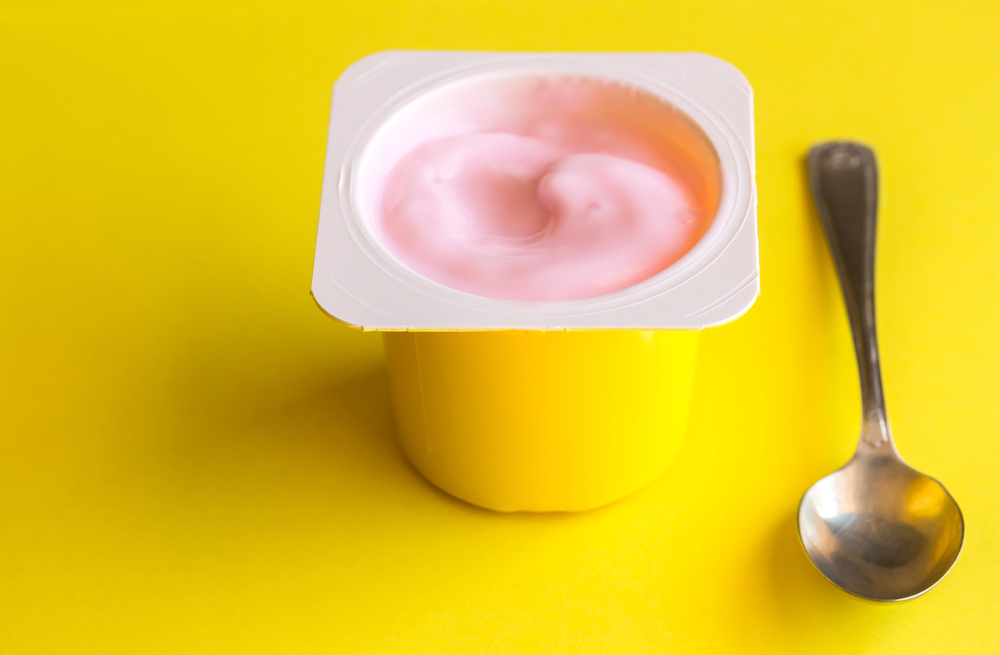
  • Greek Yogurt with Honey and Berries: Greek yogurt is a creamy, high-protein snack that supports gut health thanks to its probiotic content. When topped with a drizzle of honey and a handful of fresh berries, it becomes a satisfying, antioxidant-rich option. A small serving—about half a cup of yogurt with one teaspoon of honey and a quarter cup of berries—contains around 150 to 180 calories. For an added nutritional boost, consider sprinkling in some chia seeds for healthy omega-3 fats.
  • Roasted Chickpeas: Roasted chickpeas are a crunchy and flavorful snack packed with both fiber and plant-based protein. They’re an excellent alternative to chips and make you feel full without the guilt. A half-cup serving contains roughly 120 calories and can be seasoned to suit your taste. Popular flavors include spicy paprika, garlic-parmesan, and even sweet versions like cinnamon-sugar.
  • Apple Slices with Nut Butter: This classic snack combines the natural sweetness and fiber of apples with the protein and healthy fats found in almond or peanut butter. It’s a great option for a mid-morning or afternoon boost. A medium apple paired with one tablespoon of nut butter contains around 180 calories. For extra flavor and blood sugar support, try adding a sprinkle of cinnamon on top.
  • Air-Popped Popcorn: Popcorn, when made without added butter or oil, is a whole grain snack that’s light, airy, and surprisingly filling. Three cups of air-popped popcorn provide only about 90 calories, making it a great low-calorie option. To enhance the taste without adding unhealthy ingredients, sprinkle some nutritional yeast over the top—it adds a cheesy flavor along with B vitamins.
  • Celery Sticks with Cream Cheese: Celery paired with cream cheese is a low-carb snack that offers a refreshing crunch and creamy texture. It’s satisfying without being heavy, and a serving of five celery sticks with one ounce of cream cheese comes in at around 100 calories. For an extra dose of protein and a more gourmet touch, try adding a bit of smoked salmon on top.
  • Sweet Potato Toasts: Sweet potato toasts are an incredibly versatile and nutritious alternative to bread. Simply slice a sweet potato into thin rounds or slabs, toast them, and top with your choice of spread. Two slices contain about 120 calories and are packed with fiber and beta-carotene. Delicious toppings include mashed avocado, peanut butter, or even a spoonful of cottage cheese.
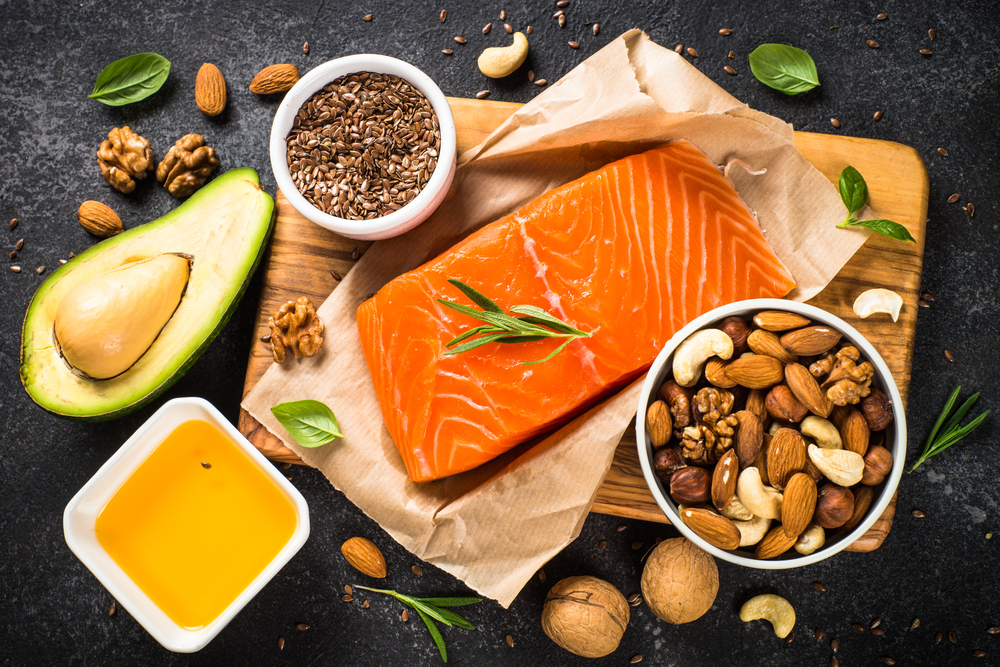
  • Homemade Trail Mix: Homemade trail mix is a customizable snack that travels well and satisfies both sweet and salty cravings. A quarter cup serving typically contains around 200 calories, depending on the mix. A healthy combination might include almonds, pumpkin seeds, raisins, and a few dark chocolate chips. It’s a great way to enjoy healthy fats, fiber, and antioxidants all in one bite.

Healthy Snacks for Weight Loss

Losing weight doesn’t mean giving up snacks. It’s about choosing nutrient-dense, low-calorie options that help you feel full longer.  Watch portions of calorie-dense foods.

Best picks:

  • Cottage cheese with pineapple
  • Edamame pods with sea salt
  • Zucchini chips
  • Rice cakes with mashed avocado
  • Tuna-stuffed bell peppers

Healthy Sweet Snacks That Taste Like Dessert

Yes, you can satisfy your sweet tooth with healthy snacks!

Try These:

  • Frozen banana bites dipped in dark chocolate
  • Chia pudding with almond milk and maple syrup
  • Date stuffed with almond butter
  • Baked apples with cinnamon and oats
  • Protein smoothie with cocoa powder and frozen berries

Quick, No-Cook Healthy Snacks

Need something ready in under 2 minutes? These are your go-to lifesavers:

  • Mixed berries + cottage cheese
  • Avocado toast on whole grain crackers
  • Rice cakes with almond butter and sliced strawberries
  • Olives and cheese cubes
  • Nut bars (look for <5g sugar)

Healthy Snacks for Parties and Morning Teas

Hosting or attending an event? Impress your guests with snacks that are both healthy and crowd-pleasing. Here are a few options that are light, beautiful to serve, and won’t leave guests feeling heavy or sluggish.

Party-Friendly Snack Ideas:

  • Veggie cups with hummus
  • Fruit platters with yogurt dip
  • Mini protein balls
  • Cucumber rounds with herbed cream cheese
  • Caprese skewers (mozzarella, cherry tomato, basil)

Tips for Smarter Snacking

  • Pre-portion your snacks: Don’t eat out of the bag.
  • Snack mindfully: Don’t multitask—focus on your food.
  • Keep healthy options visible: Fruit on the counter, not candy.
  • Stay hydrated: Sometimes you’re just thirsty, not hungry.
  • Balance your macros: Aim for protein + fiber + healthy fat.

Healthy Snack Swaps to Try

Unhealthy Snacks Try This Instead
Potato chips

Candy bars

Ice cream

Soda

Cookies

Roasted chickpeas or seaweed snacks

Date + nut bars or dark chocolate

Greek yogurt with frozen berries

Infused sparkling water

Protein muffins or banana-oat cookies

What Happens If We Don’t Eat Healthy Snacks?

Snacks are a regular part of most people’s lives. But the difference between feeling energized and focused versus sluggish and drained often comes down to what we snack on. While the occasional indulgence won’t cause lasting harm, relying on unhealthy snacks every day can slowly take a toll on our physical, mental, and emotional health.

Let’s learn what happens when healthy snacks are missing from your daily routine.

  • Energy Crashes and Fatigue Become the Norm: Unhealthy snacks—think cookies, soda, pastries, or chips—often provide a fast hit of energy due to their high sugar and refined carbohydrate content. However, this energy is short-lived. After the initial spike in blood glucose, the body quickly releases insulin to bring levels down, leading to a sharp crash. This is when people start feeling sleepy, irritable, or foggy-headed. Over time, this up-and-down pattern disrupts energy regulation, making it hard to stay alert and productive throughout the day.
  • You May Gain Weight Without Realizing It: One of the biggest risks of choosing unhealthy snacks is unintentional weight gain. Processed snack foods tend to be calorie-dense but nutritionally poor. They don’t fill you up, but they add a significant amount of empty calories. This often leads to overeating, especially when snacks are consumed mindlessly while working, watching TV, or scrolling on your phone. Even snacks that are marketed as “low fat” or “diet-friendly” can be deceptive, often packed with sugars or artificial ingredients that interfere with appetite control. Over time, excess snacking on high-calorie, low-satiety foods contributes to fat storage, especially around the midsection, and makes it harder to maintain or lose weight.
  • Your Body Misses Out on Key Nutrients: Another serious downside of poor snacking habits is the loss of opportunity to nourish your body between meals. Healthy snacks can be excellent sources of essential nutrients, like calcium from yogurt, omega-3s from nuts, or fiber from fruits and vegetables. If you skip these in favor of chips or sweets, you deprive your body of the vitamins, minerals, and antioxidants it needs to support your immune system, skin, bones, and brain. Over time, consistently choosing nutrient-poor snacks can lead to deficiencies. You might notice symptoms like low immunity, brittle nails, dry skin, poor focus, or even mood disorders—all signs that your body isn’t getting what it needs to thrive.
  • Unhealthy Habits Increase the Risk of Chronic Disease: When unhealthy snacks become part of your daily lifestyle, they don’t just affect your weight or energy—they contribute to more serious long-term health problems. Snacks high in refined sugar, salt, and trans fats have been linked to an increased risk of type 2 diabetes, cardiovascular disease, high blood pressure, and fatty liver disease.
  • Mood and Mental Focus May Decline: You might not connect your snack choices to your mental health, but food plays a powerful role in brain chemistry. Unhealthy snacks lacking in essential nutrients can lead to mood swings, anxiety, irritability, and poor focus. Sugar, in particular, has been shown to create short-term pleasure followed by a crash in dopamine levels—the brain’s “feel-good” chemical.
  • Digestive Issues and Gut Imbalance Can Develop: Processed snacks are typically low in fiber and high in artificial ingredients, preservatives, and unhealthy fats. These ingredients don’t just lack nutrition—they also disrupt your gut health. A diet low in fiber slows digestion, leading to bloating, constipation, or irregularity. Even worse, poor snacking habits can negatively impact the gut microbiome—the ecosystem of good bacteria in your digestive tract. A healthy gut is vital for immunity, hormone balance, and even mood regulation. By skipping out on high-fiber, plant-based snacks like fruits, veggies, legumes, and nuts, you’re missing the opportunity to feed the “good” bacteria that keep your gut (and entire body) healthy.

Final Thoughts

Healthy snacking isn’t about restriction; it’s about fueling your body with intention. Once you start experimenting with wholesome ingredients and simple combinations, you’ll realize how enjoyable (and delicious) healthy snacking can be. Whether you’re craving sweet, salty, crunchy, or creamy, there’s a nutritious alternative waiting to be discovered.

So next time hunger strikes between meals, avoid the vending machine. Instead, try one of these satisfying snacks and enjoy guilt-free munching with benefits.

Everything You Need to Know About Watermelon

As temperatures rise and the days get longer, one fruit takes center stage on picnic tables, roadside stalls, and refreshing drink menus — watermelon. Most people associate it with summer for a reason: it’s sweet, juicy, refreshing, and packed with hydration. While many enjoy its vibrant red flesh, few take the time to explore just how much this fruit has to offer.

So, let’s dive into everything you need to know about watermelon.

Overview Of Watermelon:

Watermelon is a big, round fruit. Its name in science is Citrullus lanatus. It belongs to the same family as cucumbers and pumpkins. It has a hard green outside and a soft, juicy inside. Watermelon is a kind of berry called a pepo.

Watermelon is a fruit, but people also use it like a vegetable. The white part under the green skin is called the rind. Some people cook the rind or use it to make pickles.

Nutritional Profile of Watermelon (Per 1 Cup – 152g)

Nutrients Amounts
Calories

Water

Carbohydrates

Sugar

Fiber

Protein

Fat

Vitamin A

Vitamin C

Potassium

Magnesium

46 kcal

91%

11.5g

9.4g

0.6g

0.9g

0.2g

5% DV

14% DV

4% DV

4% DV

Historical and Cultural Background

Watermelon has been grown for more than 4,000 years. People in ancient Egypt grew it and even placed it in tombs. Old texts from India and Rome also mention watermelon. In the 1600s, artists like Giovanni Stanchi painted pictures of early watermelons, which looked very different from the ones we eat today. They had light-colored flesh with swirled patterns and were not as sweet.

Today, China grows the most watermelons in the world, producing almost two-thirds of the total supply.

Varieties of Watermelon

There are over 1,000 watermelon varieties. Most have red or pink flesh, though yellow, orange, and white-fleshed types also exist. Varieties include:

  • Seeded: Traditional with black or white seeds.
  • Seedless: Popular for convenience.
  • Mini: Smaller and easier to store.
  • Picnic: Larger varieties meant for sharing.

Health Benefits of Watermelon

  • Hydration Support: Watermelon is composed of 91% water, making it excellent for maintaining hydration levels, especially in hot climates.
  • Rich in Antioxidants: Watermelon contains lycopene, a powerful antioxidant that may help reduce oxidative stress, support heart health, and protect against certain types of cancer. Also it contains citrulline, which is an amino acid that supports blood flow.
  • Cardiovascular and Muscle Support: Citrulline in watermelon may help reduce blood pressure and muscle soreness. Lycopene may contribute to lower LDL cholesterol levels and better arterial function.
  • Supports Skin and Eye Health: Vitamin C in watermelon aids in collagen production, while vitamin A supports vision and skin regeneration.
  • Weight Management: Low in calories and fat, watermelon can be a satisfying snack that supports weight loss efforts through volume and hydration.

Culinary Uses

Watermelon is widely used in both sweet and savory dishes. Its versatility makes it suitable for various global cuisines, especially in tropical and subtropical regions.

Common culinary uses include:

  • Fresh slices or cubes
  • Juices, smoothies, and slushies
  • Frozen desserts like sorbets and popsicles
  • Salads with cheese, mint, or arugula
  • Fruit salsas and chutneys
  • Stir-fried or pickled watermelon rind

Possible Side Effects of Eating Too Much Watermelon

While watermelon is generally safe and healthy, excessive consumption may lead to:

  • Digestive Issues: Eating too much watermelon can upset the stomach. Because it has a lot of water and natural sugar, it may cause bloating, gas, or even diarrhea in some people. This is more likely if large amounts are eaten in one sitting. People with sensitive stomachs should be careful not to eat too much at once.
  • Blood Sugar Spikes: Watermelon contains natural sugars, which can raise blood sugar levels if eaten in large amounts. Although it has a low glycemic load, people with diabetes or those trying to control their blood sugar should eat watermelon in small portions. It’s best to enjoy it as part of a balanced meal rather than on its own.
  • Potassium Overload: Watermelon has a small amount of potassium. For most people, this is not a problem. But in rare cases, eating too much watermelon may cause potassium levels to rise too high, especially in people with kidney problems. The kidneys may not be able to remove extra potassium from the body, which can lead to health issues.
  • Allergic Reactions: Although it is uncommon, some people may be allergic to watermelon. This can cause itching, swelling, or other mild symptoms. In rare cases, it might lead to a stronger reaction. People who are allergic to melons, cucumbers, or similar fruits and vegetables may also react to watermelon.

Moderation is key, especially for individuals with diabetes, kidney conditions, or sensitivities to high-FODMAP foods.

What Are FODMAP Foods?

FODMAPs are short-chain carbohydrates and sugar alcohols that are absorbed in the small intestines poorly. FODMAPS stands for Fermentable Oligosaccharides, Disaccharides, Monosaccharides, and Polyols. These compounds can draw water into the gut and ferment in the colon, which may lead to symptoms like gas, bloating, cramps, and diarrhea, especially in people with digestive disorders like Irritable Bowel Syndrome (IBS).

Watermelon is considered a high-FODMAP food because it contains excess fructose, a type of natural sugar that can be difficult to digest in large amounts. People following a low-FODMAP diet are usually advised to limit or avoid watermelon to help manage symptoms.

Final Thoughts:

Watermelon isn’t just a summertime treat; it’s a delicious way to nourish your body while staying cool and refreshed. Its natural sweetness, high water content, and vibrant color make it a standout on any table.

Beyond the flavor, it offers real benefits — hydration, vitamins, and antioxidants, all packed into one juicy bite. And while it’s easy to get carried away with this tasty fruit, enjoying it in moderation helps you make the most of its goodness without any drawbacks.

So, as the heat rolls in and the days stretch out, there’s no better time to make watermelon a part of your routine. Chill it, slice it, blend it — enjoy it any way you like.

Let’s celebrate summer with this juicy red delight that never goes out of season.

Best Practices for Healthy Teeth and Gums

When you smile, you’re not just showing your happiness; you’re revealing a lot about your health, too. A bright, healthy smile boosts confidence, opens doors in social and professional situations, and signals good hygiene. But behind every confident smile is a set of healthy teeth and gums that need regular care.

We often take our mouths for granted until something goes wrong: a cavity, bleeding gums, or that sharp twinge when you sip a cold drink. Thankfully, most dental issues are preventable with the right knowledge and habits.

So, let’s get a deep dive into the essentials of taking care of your teeth and gums, not just for a beautiful smile, but for your overall well-being.

What Are Teeth Made Of?

The Structure of Teeth: Teeth might seem like simple, solid objects, but they’re made of multiple layers, each with a specific function:

  • Enamel: This is the hard, outer surface of your tooth. It’s the strongest substance in the human body, even tougher than bone. Its job is to protect the inner parts of your teeth from decay and damage.
  • Dentin: Beneath the enamel lies dentin, a yellowish tissue that makes up most of the tooth’s structure. Unlike enamel, dentin is porous and sensitive to temperature and touch.
  • Pulp: At the center is the pulp, which contains nerves and blood vessels. The pulp keeps the tooth alive and responsive to stimuli like heat and cold.
  • Cementum: This material covers the tooth root and helps anchor it to the jawbone using tiny fibers.

The Role of Gums: Gums, or gingiva, are the soft tissue that surrounds the teeth and covers the jawbone. Healthy gums are pink, firm, and fit tightly around the teeth. However some people gums are naturally dark instead of pink; and even though their gums are not pink it is still Healthy Gums. Also your gums act as a barrier against bacteria and help keep teeth securely in place.

Why Oral Care Is Essential

Maintaining good oral health is about more than avoiding pain or tooth loss—it’s about protecting your long-term health. Your mouth is the gateway to your body. Poor oral hygiene doesn’t just lead to cavities and gum disease; it can also impact your overall health.

Research links gum disease with serious health conditions like:

  • Heart disease
  • Stroke
  • Diabetes
  • Respiratory issues
  • Premature birth and low birth weight
  • Dementia (emerging research suggests a possible connection)

How to Take Care of Your Teeth and Gums

Let’s break down the essential steps you need to follow to keep your smile in top shape.

  1. Brushing Your Teeth the Right Way: Brushing is your first defense against plaque, the sticky film of bacteria that builds up on your teeth and gums. If not removed, plaque can lead to cavities, gum inflammation, and tooth loss.

Key Tips for Brushing Effectively:

  • Brush Twice a Day: Once in the morning and once before bed.
  • Use a Fluoride Toothpaste: Fluoride strengthens enamel and helps prevent decay.
  • Choose a Soft-Bristled Brush: Hard bristles can damage enamel and irritate gums.
  • Replace Your Toothbrush Every 3–4 Months: Or sooner if the bristles become frayed.
  • Brush for Two Minutes: Make sure to clean all surfaces—front, back, and chewing areas.
  • Angle the Brush at 45 Degrees: This helps clean along the gum line effectively.
  • Don’t Forget Your Tongue: Bacteria also build up on your tongue and can cause bad breath.
  1. Cleaning Between Teeth: Brushing alone isn’t enough. Plaque and food particles can get stuck between your teeth where brushes can’t reach. This is where flossing or interdental cleaning comes in.

Interdental cleaning refers to the process of removing plaque, food particles, and bacteria from the tight spaces between your teeth—areas that a standard toothbrush simply can’t reach. These spaces, called interdental areas, are especially prone to plaque buildup, which can lead to cavities, bad breath, and gum disease if not cleaned regularly.

Even with perfect brushing technique, about 40% of the tooth surface remains untouched. That’s why interdental cleaning is considered a vital part of a complete oral hygiene routine.

Best Practices:

  • Floss Daily: Use a fresh section of floss for each tooth. Curve it into a “C” shape and gently slide it under the gum line.
  • Use Interdental Brushes: These small brushes are great for people with wider gaps or braces.
  • Consider a Water Flosser: A gentle stream of water can dislodge debris.

Why It Matters

Without interdental cleaning, plaque continues to build up in areas that brushing can’t reach. Over time, this leads to gingivitis (early-stage gum disease), which can progress to periodontitis, a more serious condition that may result in gum recession and tooth loss.

Additionally, food particles trapped between teeth can lead to:

  • Tooth decay
  • Persistent bad breath
  • Inflammation or infection of the gums

  1. Eating a Mouth-Friendly Diet: What you eat has a direct impact on your oral health.

Foods to Avoid or Limit:

  • Sugary drinks and snacks: Candy, soda, and even fruit juices can promote tooth decay.
  • Sticky foods: Dried fruit or caramel tends to cling to teeth and feed harmful bacteria.
  • Acidic foods and beverages: These can erode enamel over time (e.g., citrus fruits, vinegar, soda).

Mouth-Healthy Foods to Include:

  • Dairy Products: Rich in calcium and phosphates, these help strengthen teeth.
  • Leafy Greens and Vegetables: High in vitamins and minerals that support gum health.
  • Crunchy Fruits and Veggies: Apples, carrots, and celery help clean teeth and stimulate gums.
  • Water: Rinses the mouth and helps produce saliva, which protects against decay.
  1. Lifestyle Habits That Protect Your Mouth
  • Avoid Tobacco: Smoking and chewing tobacco drastically increase your risk of gum disease, oral cancer, and tooth loss.
  • Limit Alcohol: Alcohol can dry out the mouth and irritate the soft tissues, increasing your risk of infection.
  • Manage Stress: Stress can cause teeth grinding (bruxism) and contribute to gum disease.
  • Stay Hydrated: Saliva plays a crucial role in neutralizing acids and washing away food particles.
  1. Regular Dental Check-Ups: Seeing a dentist isn’t just for emergencies. Regular check-ups are vital for maintaining oral health.

What to Expect During a Check-Up:

  • Professional Cleaning: Removes hardened plaque (tartar) that you can’t remove at home.
  • Exams and X-Rays: Help detect cavities, gum issues, and even signs of oral cancer early.
  • Personalized Advice: Your dentist can provide tailored tips based on your specific needs.

How Often? You should visit your dentist every six months. However, those with existing dental issues or higher risk (e.g., smokers, diabetics) may need more frequent visits.

Special Considerations for Different Life Stages

  • Children and Infants: Oral care should begin as early as infancy. As soon as a baby’s first tooth appears, parents should start brushing it gently with a small, soft-bristled toothbrush. For infants, a smear of fluoride toothpaste—no larger than a grain of rice—is sufficient. As children grow, it’s essential to make brushing a twice-daily habit, one in the morning and once before bedtime. Establishing this routine early encourages lifelong healthy habits. Parents should also be cautious about their child’s diet. Limiting sugary snacks and juices is important, as baby teeth are particularly vulnerable to decay caused by frequent sugar exposure. Regular dental visits should start by the child’s first birthday or within six months of the first tooth erupting.
  • Adults with Appliances: Adults who wear oral appliances such as retainers, dentures, or mouthguards must take extra care with their oral hygiene routines. These appliances should be cleaned daily using solutions recommended by dental professionals—never regular toothpaste, which can be too abrasive and cause damage. It’s also crucial to maintain gum and tongue hygiene, even if the person no longer has natural teeth. Brushing the gums and tongue helps remove bacteria, prevent infections, and maintain fresh breath. Proper care of both the mouth and the appliance supports overall oral health and helps the appliance function effectively.
  • Seniors: As people age, maintaining oral health becomes even more important due to common age-related changes in the mouth. Seniors are more likely to experience receding gums, which can expose tooth roots and increase sensitivity or the risk of decay. Dry mouth, another frequent issue among older adults, is often caused by medications or underlying health conditions. This can lead to difficulty speaking, chewing, and swallowing, as well as a higher risk of cavities. To manage dry mouth, seniors should stay well-hydrated and consider chewing sugar-free gum or using saliva substitutes to stimulate natural saliva flow. Regular dental check-ups are essential for early detection of problems and maintaining oral health in older age.
  • People with Disabilities or Limited Mobility: Individuals with physical or cognitive disabilities may face challenges in maintaining daily oral hygiene, but there are effective tools and strategies to help. Electric toothbrushes can make brushing easier and more efficient, especially for those with limited hand strength or coordination. Floss holders or water flossers can also simplify interdental cleaning. In cases where individuals require assistance, it is important for caregivers to be trained in providing proper oral care. This includes knowing how to safely and gently brush teeth, gums, and appliances, as well as encouraging regular dental visits. With the right support and tools, people with disabilities can maintain a high standard of oral hygiene and prevent related health issues.

The Long-Term Benefits of Oral Care

Maintaining healthy teeth and gums does more than prevent cavities or bad breath—it lays the foundation for a healthier, happier life. From your heart to your brain, from your diet to your daily confidence, oral health influences nearly every part of your well-being.

Here’s a closer look at how good oral hygiene can create lasting benefits:

  • Heart Health: Your gums may seem far removed from your heart, but they’re more connected than you might think. Gum disease (periodontitis) causes chronic inflammation and bacterial infections, which can enter the bloodstream and trigger systemic inflammation throughout the body. This widespread inflammation is believed to contribute to the hardening of the arteries (atherosclerosis), increasing the risk of heart attacks, strokes, and other cardiovascular conditions. Maintaining strong oral hygiene helps reduce inflammation and bacterial load, thereby reducing the risk of heart-related illnesses.
  • Cognitive Function and Brain Health: Chronic gum infections and tooth loss have been associated with an increased risk of developing neurodegenerative diseases like Alzheimer’s and dementia. By protecting your gums and preventing infection, you may also be reducing your risk of cognitive decline in later years.
  • Self-Confidence and Social Well-Being: Your smile is often one of the first things people notice about you. Poor oral hygiene can lead to stained teeth, bad breath (halitosis), visible plaque, or even tooth loss—all of which can take a toll on your self-esteem and social confidence. Investing in your oral health translates into greater self-assurance, improved mental health, and a more positive perception by others.
  • Nutritional Health: Strong, healthy teeth are essential for breaking down food properly. If you’re missing teeth or have inflamed, painful gums, you’re more likely to avoid certain foods, especially hard, crunchy, or fibrous items like fruits, nuts, and raw vegetables. Good oral health supports better chewing and digestion, enabling you to eat a balanced diet and absorb nutrients efficiently.
  • Clear Speech and Communication: Teeth are crucial for articulation and pronunciation. They help form specific sounds, particularly those that involve the tongue pressing against or between the teeth, such as “t,” “s,” “f,” and “v.” By maintaining your teeth and oral structures, you preserve the ability to communicate clearly and confidently, an essential part of daily life, especially in work or social settings.

Final Thoughts

Oral care isn’t just a box to tick off your hygiene checklist—it’s a foundational part of your overall health. Healthy teeth and gums not only support a confident smile but also contribute to better digestion, clearer speech, and even improved heart and brain health. With a few consistent daily habits and the right tools, you can protect your mouth from problems like cavities, gum disease, and bad breath.

So, keep brushing, keep smiling, and keep shining.

How to Clean Your Toothbrush the right way

Our smile is the first thing people notice about us, and your toothbrush is your smile’s first line of defense. But while we scrub away at plaque, bacteria, and food particles, how often do we stop to think about what’s happening to the toothbrush itself? It’s easy to forget that this humble tool also needs a little TLC.

If you’ve ever tossed your toothbrush on the sink counter and called it a day, it’s time for a cleaner, healthier routine. A dirty toothbrush can undo all your oral care efforts, so let’s break down exactly how to keep it clean, effective, and germ-free.

Daily Toothbrush Cleaning

A toothbrush is exposed to everything that comes out of your mouth—saliva, food particles, bacteria, and toothpaste residue. Here’s how you can clean it properly after every use:

  • Rinse Thoroughly with Hot Water: After brushing, always rinse your toothbrush under hot running water. Hot water helps loosen and flush away toothpaste foam, food debris, and some surface bacteria. Use your thumb or finger to gently rub over the bristles and dislodge any hidden gunk. For added freshness, give it a final rinse with cold water. This can help the bristles regain their shape.
  • Let It Air Dry: Moisture is bacteria’s best friend. Once rinsed, shake off any excess water and place your toothbrush in an upright position—bristles up—where it can air dry fully between uses. Avoid covering it with caps or placing it inside drawers or containers that trap moisture, as this creates the perfect breeding ground for bacteria and mold.
  • Keep Toothbrushes Separate: If your toothbrush is stored alongside others, make sure the heads don’t touch. Cross-contamination can happen easily, especially between family members. Use a toothbrush holder that keeps each brush in its slot.

Deep Cleaning Weekly or As Needed

Every few days or at least once a week, it’s smart to give your toothbrush a deeper clean. Here are some effective methods:

  • Soak in Antibacterial Mouthwash: Antibacterial mouthwash can kill lingering germs on the bristles. Pour a small amount into a clean cup and soak the toothbrush head for two minutes. Rinse thoroughly afterward. Be cautious with daily use, as strong ingredients can wear down bristles faster.
  • Hydrogen Peroxide Solution: Mix 1 teaspoon of 3% hydrogen peroxide with a cup of water and soak your toothbrush for 15 minutes. This is a powerful disinfectant method. Make sure to discard the solution after each use and rinse the brush well before using it again.
  • Baking Soda and Water: For a natural approach, dissolve 2 teaspoons of baking soda in one cup of water. Soak the toothbrush for 15 minutes to help neutralize bacteria and remove odors.
  • Denture Cleaner Tablets: Drop half a denture cleaning tablet into a cup of water and soak your toothbrush for about 90 seconds. This method is gentle and effective at removing buildup without damaging the brush.

What to Avoid When Cleaning Your Toothbrush

  • Dishwashers or Microwaves: These high-heat methods may seem like a good idea, but they can melt or deform the plastic and bristles of your toothbrush.
  • Boiling Water: Similarly, boiling can warp the bristles and handle, making the brush less effective and uncomfortable to use.
  • Bleach or Harsh Chemicals: These are too aggressive and unsafe for a brush that goes in your mouth daily.

Special Situations That Call for Extra Care

  1. After Illness: Cold, flu, or any kind of infection? Disinfect your toothbrush immediately after recovering, or better yet, replace it. Using the same brush after illness can increase your chances of reinfection.
  2. Damaged Bristles: If you notice the bristles are frayed, bent, or worn out, cleaning won’t help. Replace your toothbrush. Damaged bristles are less effective at cleaning and can irritate gums.
  3. Traveling: When on the go, store your toothbrush in a breathable, ventilated travel case. Once you return home, clean and air dry the brush thoroughly.

When to Replace Your Toothbrush

A fresh brush ensures optimal performance and hygiene. Even with the best cleaning habits, no toothbrush lasts forever. The American Dental Association recommends replacing your toothbrush every 3 to 4 months, or sooner if:

  • The bristles are visibly frayed or worn
  • You’ve recently been sick
  • You notice a musty smell or discoloration

Why Cleaning Your Toothbrush Matters

Your toothbrush is a magnet for bacteria, especially when it stays wet or is stored in a shared holder.

Here’s why regular cleaning is essential:

  • Removes harmful microbes: Daily and weekly cleaning helps prevent bacteria from building up and transferring back into your mouth.
  • Prevents illness: Especially after being sick, cleaning or replacing your toothbrush can stop reinfection.
  • Keeps your oral care effective: Clean bristles do a better job of removing plaque and maintaining gum health.

Conclusion:

Taking just a few extra minutes each day to clean and store your toothbrush properly can dramatically improve your oral hygiene. It’s a simple habit, but it protects your smile, the gateway to your overall health.

So the next time you rinse and set down your toothbrush, remember: keeping it clean is one of the easiest ways to keep your mouth, and your body, healthy.

Supplements and Herbs to Avoid During Pregnancy – A Detailed Guide

Pregnancy is so precious, and we all wait for that beautiful moment when a new life begins to grow within. It’s a time filled with anticipation, joy, and a deep desire to protect and nourish the little one developing inside. During this transformative period, a mother’s health becomes paramount, not only for her well-being but also for the baby’s safe development.

With countless supplements and herbs available on the market, many women wonder which ones are safe and which should be strictly avoided. While natural remedies are often perceived as gentle or harmless, certain herbs and dietary supplements can be surprisingly potent — and dangerous — during pregnancy. Understanding which substances to avoid is essential in supporting a safe and healthy pregnancy journey.

That’s why we’ve gathered this comprehensive guide to help you make informed decisions. Let’s explore herbs and supplements that should be avoided during pregnancy.

Why Some Herbs and Supplements Are Harmful in Pregnancy

Herbs and supplements are concentrated forms of plant compounds and nutrients, and not all of them are tested for safety in pregnant women. Because of these risks, many healthcare providers recommend avoiding specific herbs and supplements entirely, while others may be used in very limited quantities or only under medical supervision.

The concern arises when these substances:

  • Stimulate uterine contractions, which increase the risk of miscarriage or premature labor.
  • Cross the placenta and affect fetal development.
  • Causes liver or kidney toxicity.
  • Interfere with hormone levels or blood flow to the uterus.

Herbs That May Induce Uterine Contractions or Are Abortifacient

Some herbs contain active compounds that can stimulate the uterus and are known to be abortifacient — substances that may induce abortion. These herbs should be avoided throughout pregnancy, especially in the first and second trimesters when the risk of miscarriage is highest.

  1. Quinine: Quinine is a medicine for malaria. Doctors sometimes use it during pregnancy, but only when they must. Quinine can make the uterus contract. This may cause early labor or miscarriage. Taking too much quinine can harm the baby. It may cause stillbirth, birth defects, or hearing problems. Quinine can also lower the mother’s blood sugar. This can make her feel weak or dizzy. Pregnant women should not take quinine for leg cramps or other simple reasons. A doctor should always decide if it is safe to use. You can also find quinine in many drinks such as tonic water. Tonic water is very popular for its unique bitter taste. The federal institute for risk assessment in Germany stated that pregnant women should treat drinks with quinine in them as a medicinal product and avoid them during pregnancy for safety of the unborn baby. Even if the amount of quinine in a drink is a small amount still avoid it.
  2. Wormseed (Epazote, Paico): Wormseed contains ascaridole, a compound that may cause uterine contractions and has neurotoxic effects. Although it has traditional uses in parasitic infections, it is not safe during pregnancy due to its toxic profile.
  3. Fennel: Often used for digestive health, fennel in high doses may stimulate the uterus. While small amounts of food are likely safe, concentrated extracts and teas should be avoided during pregnancy.
  4. Devil’s Claw: Primarily used for pain relief and inflammation, Devil’s Claw may stimulate uterine contractions and is not considered safe for pregnant women, especially during the early stages.
  5. Hops: Though commonly used in teas to aid sleep or reduce anxiety, hops may have uterine stimulant properties. It is best avoided throughout pregnancy.
  6. Motherwort: Traditionally used for heart health and anxiety, motherwort can cause uterine stimulation, posing a miscarriage risk in the early months.
  7. Bugleweed: Bugleweed, often used for thyroid disorders, may affect hormone levels and stimulate uterine activity, making it unsafe during pregnancy.
  8. German Chamomile: While often consumed in tea form, German chamomile in high doses can lead to uterine contractions. Occasional, small amounts may be safe, but large or frequent doses are discouraged.
  9. Pennyroyal: Both the herb and the essential oil of pennyroyal are highly toxic during pregnancy. The oil, in particular, is a potent abortifacient and has been linked to liver toxicity and death.
  10. Zoapatle: Used traditionally in some cultures to induce labor or abortion, zoapatle is considered highly unsafe during pregnancy due to its uterine stimulant effects.
  11. Blue Cohosh: This herb is sometimes used to stimulate labor, but it is teratogenic and toxic to the fetus. It can cause heart issues in the baby and complications during delivery.
  12. Black Cohosh: Black cohosh is known to cause uterine contractions and potential liver damage. Though sometimes used to prepare the cervix for labor, it should never be taken without direct medical supervision.
  13. Dong Quai (Chinese Angelica): A popular herb in traditional Chinese medicine, dong quai can stimulate uterine contractions and significantly raise the risk of miscarriage, especially in early pregnancy.
  14. Yohimbe: Used historically as an aphrodisiac, yohimbe is associated with high blood pressure, heart attacks, and seizures. It is completely unsafe during pregnancy.
  15. Feverfew: Known for its use in preventing migraines, feverfew has uterine stimulant properties. It is not safe for pregnant women and should be avoided.
  16. Goldenseal: Goldenseal contains berberine, which can cross the placenta and contribute to jaundice and potential brain damage in newborns.
  17. Saw Palmetto: Primarily used for prostate health, saw palmetto has hormonal effects that may interfere with pregnancy and should be avoided in oral form. Tansy, Red Clover, Angelica, Yarrow, Wormwood, Ephedra, Mugwort. These herbs are generally regarded as unsafe for pregnant women due to either their stimulant, hormonal, or toxic effects.
  18. Arnica: Used topically for bruises and inflammation, arnica is dangerous when taken orally. It has uterine stimulant and abortifacient properties.
  19. Other Herbs to Avoid: Many herbs have laxative, hormonal, or stimulant effects that are dangerous during pregnancy. The following herbs either lack sufficient safety data or are known to pose serious health risks during pregnancy:
  • Beth Root
  • Cascara Sagrada
  • Chaste Tree Berry
  • Cinchona
  • Cotton Root Bark
  • Juniper
  • Kava Kava
  • Licorice Root
  • Meadow Saffron
  • Poke Root
  • Rue
  • Sage (in high amounts)
  • John’s Wort
  • Senna
  • Slippery Elm Root
  • White Peony
  • Yellow Dock

Supplements to Avoid or Use With Caution

Even some common dietary supplements may not be safe during pregnancy, especially in high doses or improper forms.

  • Ginseng: Ginseng gives energy and helps with stress. Many people use it to feel better. But pregnant women should not take ginseng. It may cause birth defects in animals. It also makes the blood thinner, which can cause more bleeding. Ginseng may change sugar levels in the blood. This can lead to dizziness or feeling sick. It may also cause trouble with sleep or mood. Ginseng is not safe during pregnancy, especially in the first few months.
  • Ginkgo Biloba: Ginkgo Biloba helps with memory and blood flow. But it can make the blood too thin. This may cause bleeding during birth. Some people believe ginkgo makes periods start. That may lead to a miscarriage in early pregnancy. There is not enough research to know if it is safe. One component of ginkgo biloba was found in the placenta of women who have consumed ginkgo biloba supplements according to researchers at Wayne state university in Detroit. That component is an alkaloid called colchicine which can be fatal if consumed in high doses. It has anti-inflammatory effects. Some research has discovered that colchicine can harm a developing fetus. When taking ginkgo supplements regularly during pregnancy colchicine can build up in the womb. The study only focused on colchicine in the womb. It is better not to use ginkgo during pregnancy.
  • High Doses of Preformed Vitamin A (Retinol): Vitamin A is essential for fetal development, but in the form of retinol (found in animal sources like liver and many supplements), excessive intake can cause birth defects, particularly affecting the brain, heart, and spinal cord.
  • Melatonin: Melatonin is a hormone used to regulate sleep, but it may interfere with hormonal balance and affect fetal development. Its safety during pregnancy has not been well established.
  • John’s Wort: This popular supplement for depression can cause uterine contractions, interact with medications, and affect fetal development, making it unsafe during pregnancy.

Herbs to Use Only With Caution

Not all herbs are outright dangerous, but some should be used only occasionally or under a healthcare provider’s supervision.

  • Chamomile: While small amounts of chamomile tea may be calming and helpful for digestion, frequent or large doses can act as a uterine stimulant. It’s best to keep consumption moderate and infrequent.
  • Echinacea: Used for immune support, Echinacea has limited safety data in pregnancy. Some studies suggest it’s likely safe, but more research is needed. Caution is advised, especially during the first trimester.
  • Evening Primrose Oil: Evening primrose oil is sometimes used to help ripen the cervix before labor. However, it should never be taken unless under medical guidance, as it may induce labor or cause complications.
  • Passion Flower: Known for its calming properties, passion flower may stimulate the uterus and should not be consumed orally in supplement or tea form during pregnancy.
  • Peppermint: Generally safe in food-level amounts, peppermint may help with nausea or digestion. However, excessive intake (especially concentrated oils or capsules) could be unsafe.
  • Pumpkin Seed: Pumpkin seeds are safe as a food source, rich in nutrients like magnesium and zinc. However, extremely high doses in supplement form may have unknown or toxic effects.

Final Words

Pregnancy is a time when the body becomes more sensitive and vulnerable to external influences, including natural compounds. While the placenta does act as a protective barrier, many substances — including herbs and supplements — can still pass through to the developing fetus. And some of these natural substances can be surprisingly potent.

That’s why it’s so important for pregnant women to stay fully aware and make thoughtful, informed choices at every step. Just because something is labeled “natural” doesn’t automatically mean it’s safe, especially during pregnancy.

So be cautious, stay curious, and always check with a trusted healthcare provider before taking anything new.

Intermittent Fasting: Lose Weight and boost your health

Have you ever skipped breakfast and felt fine? Or maybe you’ve heard a friend talk about “eating only during a certain window” and wondered if it’s safe or even effective? That’s intermittent fasting. It might sound like just skipping meals, but it’s more than that.

Many people around the world now use this method to lose weight, feel better, and even live longer. But is it right for you?

Let’s take a simple and clear look at what intermittent fasting is and how it works.

What Is Intermittent Fasting?

Intermittent fasting is not a diet. It does not say what to eat. It says when to eat. People follow a pattern that includes times of eating and times of not eating (fasting).

During the fasting period, no food is eaten. Only water, black coffee, tea, or other drinks without calories can be taken. Then comes the eating period, where regular meals are eaten within a certain time window.

This pattern does not need calorie counting. It does not involve special foods or strict rules. It is simple and flexible. That is why many people try it.

Different Methods of Intermittent Fasting

There are a few popular ways to do intermittent fasting. Each method has its timing for fasting and eating.

  • The 16/8 Method: This is the most common way. You fast for 16 hours. You eat during an 8-hour window. For example, you eat between 12:00 p.m. and 8:00 p.m. After 8:00 p.m., no more food until the next day at noon.
  • The 5:2 Method: You eat normally for 5 days of the week. In 2 days, you eat very little (around 500–600 calories). These 2 days are not back-to-back. For example, fast on Monday and Thursday. Eat normally on other days.
  • Eat-Stop-Eat: This means fasting for 24 hours once or twice a week. For example, you eat dinner at 7 p.m., then fast until 7 p.m. the next day. It is harder than 16/8. Most beginners do not start with this.
  • Alternate-Day Fasting: You fast every other day. On fasting days, you eat very little or nothing. On other days, you eat normally. This method is strict. It may not suit everyone.
  • One Meal a Day (OMAD): You eat one big meal a day. You fast for the rest of the day. Some people do it daily. Others do it 2–3 times per week. It works for some, but may feel too hard for others.

How Does Intermittent Fasting Work?

When you eat food, your body gets energy from it. If you eat more than you need, the extra energy turns into fat and gets stored in your body.

But when you fast, you stop eating for a period of time. During this time, your body doesn’t get new energy from food. So, it starts to use the stored fat for energy instead. This is how fasting can help with weight loss.

Also, fasting cause your insulin levels to go down. Insulin is a hormone that helps your body store fat. Lower insulin makes it easier for your body to burn fat.

Your body gets a break from digesting food, when you fast. This break lets your body rest, repair, and clean itself. One of the ways it does this is through a process called autophagy. Autophagy is when your body gets rid of old, damaged cells and makes new, healthy ones.

How Intermittent Fasting Affects Your Cells and Hormones

When you fast, many things happen inside your body. These changes take place at the cell level and help improve your health.

  • Growth Hormone Increases: When you fast, your body makes more human growth hormone (HGH). This hormone helps your body burn fat and build muscle. More HGH can support weight loss and better fitness.
  • Insulin Levels Go Down: Fasting lowers the amount of insulin in your body. Lower insulin helps your body reach and burn stored fat more easily. It also helps prevent diseases like type 2 diabetes.
  • Cell Repair Begins: While fasting, your body starts a cleanup process called autophagy. This means your cells break down and remove old, damaged parts. This helps your body stay healthy and work better.
  • Gene Changes for Better Health: Fasting can also change how your genes work. These changes may help you live longer and protect your body from certain diseases.

Health Benefits of Intermittent Fasting

Many studies show that intermittent fasting can help improve health in several ways.

  • Weight Loss: Intermittent fasting helps people eat fewer meals. This usually means fewer calories. Also, fasting changes hormone levels. It increases the release of norepinephrine, which boosts metabolism. Together, these changes help the body burn more fat. This leads to weight loss.
  • Improved Insulin Sensitivity: Fasting lowers blood sugar. It also reduces insulin levels. Over time, the body becomes more sensitive to insulin. This can help lower the risk of type 2 diabetes.
  • Heart Health: Fasting can help reduce risk factors for heart disease. These include:
  • Lower blood pressure
  • Lower cholesterol
  • Reduced inflammation
  • Better blood sugar control
  • Brain Health: Fasting improves brain function. It increases the brain hormone BDNF (brain-derived neurotrophic factor). This hormone helps nerve cells grow. It also helps protect the brain from diseases like Alzheimer’s.
  • Longer Life: Animal studies show that fasting helps animals live longer. More studies in humans are needed. But early signs show fasting may help people live healthier, longer lives.

What Can You Eat and Drink During Intermittent Fasting?

During the fasting window, do not eat any food. Only drinks with no calories are allowed.

These include:

  • Water
  • Black coffee
  • Herbal tea
  • Green tea (no sugar or milk)

During the eating window, eat healthy foods.

Focus on:

  • Vegetables
  • Fruits
  • Whole grains
  • Lean meats
  • Healthy fats (like olive oil, avocado, nuts)
  • Avoid junk food, sugar, and fried foods. Eating healthy is still important during the eating period.

Who Should Not Try Intermittent Fasting?

Intermittent fasting is not for everyone. Some people should talk to a doctor before starting. These include:

  • Pregnant or breastfeeding women
  • People with diabetes
  • People with eating disorders
  • Children and teens
  • Anyone taking medications that affect blood sugar
  • If your feeling dizzy, weak, or sick while fasting, stop immediately and talk to a doctor.

Common Mistakes and How to Avoid Them

Some people do not see results with intermittent fasting. Listed Below is some common mistakes and ways to avoid them:

  1. Eating Too Much During the Eating Window: Fasting works best when you eat fewer calories overall. If you eat too much during your eating window, you may not lose any weight.

Eat normal portions. Choose healthy foods like fruits, vegetables, whole grains, and lean protein.

  1. Not Drinking Enough Water: Fasting can sometimes make you forget to drink water. But your body still needs fluids, even when you are not eating.

Keep a water bottle with you all day. Drink plenty of water during both fasting and eating times.

  1. Choosing the Wrong Fasting Plan: Some fasting plans are too hard for beginners. If your plan feels too difficult, you might quit or feel unwell.

Start with an easy plan like 12 hours fasting and 12 hours eating (12/12). Slowly increase your fasting time as your body adjusts.

  1. Not Sleeping Well: Bad sleep can make you tired and hungry. It can also slow your body’s ability to burn fat.

Try getting 7 to 9 hours of sleep every night. A good night’s sleep helps you stay on track with fasting.

Tips to Succeed with Intermittent Fasting

  • Start small: Begin with a 12-hour fast and increase from there.
  • Stay busy: Keep your mind off food during fasting.
  • Plan meals: Prepare meals ahead to avoid overeating.
  • Stay hydrated: Drink water throughout the day.
  • Be patient: Results may take time. Give it at least a few weeks.

FAQs

Q1. Can I exercise while fasting?

A: Yes. Light to moderate exercise is okay. Some people even feel more energetic during fasting. But listen to your body. If you feel weak, take it easy or eat a small snack before the workout.

Q2. Can I take supplements?

A: Yes, but choose supplements that do not break the fast. Avoid ones with sugar or calories.

Q3. Will I lose muscle during fasting?

A: Not if you eat enough protein and do some resistance training. The body burns fat first, not muscle.

Q4. Will fasting slow down my metabolism?

A: No. Short-term fasting can increase metabolism. But very long fasting or too few calories for a long time can slow it.

Q5. Is it safe to fast every day?

A: Yes, for many people. But always listen to your body. If you feel weak or sick, take a break or talk to a doctor.

Final Thoughts

Intermittent fasting is a simple and helpful way to improve your health. It can support weight loss, help your body work better, and fit into many different lifestyles. You don’t need to buy special foods or spend any money. It’s free, flexible, and easy to try.

But remember, it’s not a magic solution. You still need to eat healthy, drink water, and get enough sleep. Start out slow and give your body time to adapt to changes. Give it a try for a few weeks and see how you feel.

With patience and good habits, intermittent fasting can become a routine that helps you feel healthier and more in control every day.

How Often Should You Reuse Your Face Wash Cloths or Rags—and Why It Matters

When you go out into the world your face is the first thing people notice. It’s where expressions are born, where emotions live, and where most of us direct the bulk of our skincare efforts. We cleanse, tone, exfoliate, moisturize, and protect it, often investing time and money into finding the right products. But what about the tools we use with those products?

Believe it or not, your humble face wash cloth or rag plays a big role in your skincare routine. It’s easy to overlook, yet reusing a dirty one can quietly undo all your efforts, contributing to clogged pores, blemishes, and even infections.

So, how often should you reuse your face wash cloth? And why is it so important to get this part of your skincare routine right?

Let’s break it down.

Why the Face Deserves Special Care

Before we dive into clothes and rags, let’s pause for a moment to appreciate the skin on your face.

Facial skin is thinner and more sensitive than the skin on other parts of your body. It’s exposed to environmental pollutants, UV radiation, bacteria, makeup, and more every single day. That’s why proper cleansing is critical.

But cleansing isn’t just about using the right product—it’s also about how you remove that product and what you’re using to do it. That’s where your face wash cloth comes into play.

What Are Face Wash Cloths?

Face wash cloths (sometimes called face rags or facial towels) are soft, reusable fabrics used to help cleanse the face. These cloths are often used to remove cleansers, exfoliate dead skin, or gently wipe away makeup. Because they come into direct contact with your skin, how clean they are makes a huge difference in how your skin responds to your routine.

They come in different materials, sizes, and textures, including:

  • Terry cloth: Traditional, fluffy towel material—highly absorbent.
  • Muslin cloths: Lightweight and gentle, often used for double cleansing.
  • Microfiber cloths: Known for their ability to trap dirt and oil effectively.
  • Bamboo fiber cloths: Eco-friendly and naturally antibacterial.

How Often Should You Reuse Your Face Cloth?

A fresh cloth should be used every time the face gets washed. That means using a clean one in the morning and another clean one at night. This practice helps protect the skin from hidden dangers that can develop on a used cloth.

When washing clothes after every use is not practical or if at the moment you don’t have enough clean clothes on hand, then a cloth can be reused for up to three washes. Beyond that, the cloth starts to collect too much residue. Washing it thoroughly becomes necessary.

Why Frequent Washing Matters

  1. Prevents Bacteria and Dirt Buildup: Each time you wash your face, you’re lifting away layers of dirt, sweat, oil, dead skin cells, makeup, sunscreen, and other skincare products. These impurities don’t disappear—they get absorbed into the fibers of your face cloth. If that cloth isn’t washed after use, the buildup of debris continues to grow. The next time you use it, you’re rubbing old dirt and bacteria back onto freshly cleansed skin. This not only cancels out the benefits of washing but can also lead to unwanted skin issues. A clean cloth ensures you’re removing grime, not reapplying it.
  2. Reduces Risk of Breakouts and Infections: A cloth that hasn’t been properly cleaned becomes a breeding ground for bacteria, yeast, and other microorganisms. Using it again on your skin can clog pores and trigger bacterial acne, fungal breakouts, or other forms of irritation. For people with sensitive or acne-prone skin, or conditions like rosacea, this can be particularly damaging. If your skin has open blemishes or small cuts, there’s a higher risk of infections. Maintaining a clean cloth routine protects the skin’s barrier and lowers the chance of further inflammation or complications.
  3. Supports Overall Skin Health and Clarity: Fresh clothes do more than just clean your face—they support your skin’s natural renewal process. A soft, clean face cloth gently exfoliates, helping to remove dead skin without being too harsh. It also lifts away impurities more effectively rather than smearing them around. When your skin is properly cleansed, it becomes more receptive to the products you apply afterward, like serums or moisturizers. Over time, using clean cloths regularly can improve your skin’s tone, texture, and clarity. It’s a simple step with noticeable benefits for your skincare routine.

Hidden Dangers of Reused Clothes

A used cloth holds more than just leftover cleanser or makeup. It can become home to microbes that are too small to see. Bacteria, yeast, mold, and even viruses can settle on a damp cloth. If the cloth is reused, those organisms transfer to the face, increasing the risk of skin infections and irritation.

Microbial growth thrives in warm, damp, and dark environments. A cloth that stays wet in the bathroom, stuffed in a drawer or basket, becomes the perfect place for germs to multiply.

Why People Reuse Face Cloths

Honestly, not everyone can toss a cloth in the laundry after every wash. Maybe you’re busy, maybe you don’t have enough clothes on hand, or maybe daily washing seems excessive. That’s fair. But if you do plan to reuse your clothes, here are safe ways to do it.

How to Reuse Face Cloths Safely (If You Must)

If laundering after every use is too much, follow these guidelines:

  • Limit Reuse to 2–3 Times Max: Use a cloth no more than three times before washing it. Any more than that and you’re pushing it—bacteria levels can increase significantly after just one use.
  • Rinse Thoroughly After Each Use: Right after using your cloth, rinse it under hot water with a bit of gentle soap to remove any residue.
  • Let It Dry Completely: Bacteria love moisture. To prevent bacterial growth, hang your cloth in a well-ventilated area where it can dry completely between uses.
  • Use a Rotation System: Invest in at least 4–7 face cloths, so you can rotate clean ones through the week and reduce laundry pressure.

How to Wash Your Face Cloths Properly

Washing your clothes isn’t just about tossing them in the machine.

Here’s how to do it right:

  • Use Hot Water and Mild Detergent: Hot water helps kill bacteria and lift oils. A fragrance-free detergent is ideal to avoid skin irritation.
  • Air-Dry in Sunlight (If Possible): Sunlight naturally helps kill lingering bacteria. If you can hang your clothes outside, by all means necessary do so!
  • Wash After Every 1–3 Uses: Even if you’re rinsing them, give them a thorough machine wash regularly—at least every 2–3 uses max.

What Happens If You Don’t Wash Them Enough?

People blame skincare products when the real culprit is hygiene. Don’t let your face cloth become your skin’s worst enemy. If you’re reusing your face cloth without proper cleaning, you might start noticing:

  • More frequent breakouts
  • Red, irritated skin
  • Patches of fungal acne or rash
  • Increased oiliness or dryness

FAQs

Q1: Can I use the same cloth for face and body?

A: No. Your body has different bacteria and oils than your face. Always use a separate cloth for each.

Q2: What’s better—face cloths or disposable wipes?

A: While disposable wipes are convenient, reusable cloths are more eco-friendly and often more effective. Just make sure they’re clean!

Q3: When should I replace my face cloths?

A: Replace them every few months or as soon as they lose softness, get stained, or smell musty even after washing.

Key Takeaway

If you care about your skin, and we know you do, treating your face cloth with the same respect as your favorite serum or cleanser is non-negotiable. A fresh face cloth every use is ideal, especially if you’re prone to acne, sensitivity, or irritation. But if that’s not practical, use a rotation system and never go beyond three uses without a thorough wash.

It’s one of the simplest ways to maintain a clean, healthy, and glowing complexion—and your face deserves nothing less.

Healthy Bathrooms for Our Health

Bathrooms don’t usually get the love they deserve when we think about health and wellness. We’re quick to talk about diet, exercise, and sleep routines—but how often do we think about our bathrooms?

The truth is, this small space can have a big impact on our physical health, mental well-being, and even the safety of our home.

So, what exactly is a “healthy bathroom”? Is it just about looking clean or having a fancy spa-like tub? Not quite. A healthy bathroom is one that actively helps prevent illness, reduces exposure to toxins, promotes relaxation, and supports everyday hygiene.

Let’s break down everything you need to know to design and maintain a bathroom that truly supports your health.

Why Healthy Bathrooms Matter?

Every day, we use the bathroom multiple times—for bathing, brushing our teeth, using the toilet, and more. These everyday activities expose us to moisture, germs, cleaning chemicals, and other health hazards that can quietly impact our well-being.

Creating a healthy bathroom doesn’t have to be expensive or complicated. With a few smart choices and habits, you can turn your bathroom into a safe, clean, and rejuvenating space.

Germs, Viruses, and Bacteria in the Bathroom

Despite being designed for cleanliness, bathrooms are ideal environments for the growth and spread of harmful microbes. The mix of moisture, warmth, and organic debris makes them a breeding ground for bacteria, viruses, and fungi.

Common Bacteria

  • Escherichia coli (E. coli): Often from fecal matter, E. coli can linger on toilet seats, floors, and even toothbrushes. It poses serious health risks, especially if it enters the mouth or an open wound.
  • Staphylococcus aureus (Staph): Commonly found on skin, this bacterium can settle on handles, faucets, and toilet surfaces. It’s responsible for various skin infections and, in severe cases, more serious illnesses.
  • Salmonella: Known mostly for foodborne illness, it can also be found in poorly cleaned bathrooms and may spread via contaminated surfaces.
  • Pseudomonas aeruginosa: A moisture-loving bacterium that thrives in bathtubs, sinks, and damp towels. It poses a risk for people with weakened immune systems.

Viruses in the Bathroom

  • Bacteriophages: These dominate the viral population on bathroom surfaces and don’t infect humans directly, but they may impact the bacterial ecosystem.
  • Human Viruses: Norovirus, HPV, and herpesvirus may linger on surfaces in shared or unclean bathrooms, potentially spreading through indirect contact.

Fungi and Microbes

  • Mold and Mildew: Frequently found on shower curtains, grout, and towels, they can trigger allergies and respiratory issues.
  • Dermatophytes: These fungi cause skin infections like athlete’s foot and thrive in warm, wet environments like bath mats and floors.

Germ Hotspots in the Bathroom

Be mindful of these common trouble areas:

  • Shower curtains and floors
  • Toothbrushes and holders
  • Toilet seats and flush handles
  • Faucets and door handles
  • Damp towels and bath mat

Now that we’ve uncovered the hidden dangers lurking in our bathroom, let’s look at practical ways to create a healthier, cleaner space.

1.   Hygienic and Easy-to-Clean Surfaces

It all starts with the basics: the materials you use. Your floors, walls, and countertops can either help or hurt your efforts to keep the bathroom clean and healthy.

Smart Surface Choices

  • Ceramic or Porcelain Tiles: These tiles are smooth, non-porous, and very easy to clean. They don’t hold moisture, so mold and bacteria have a hard time growing. That makes them a great choice for bathroom floors and walls.
  • Natural Stone (Granite, Quartz, Marble): These materials look beautiful and last a long time. They don’t need much upkeep, but they should be sealed properly to protect against water damage.
  • Avoid Plastic: Try not to use plastic items like shower curtains. Many plastics contain harmful chemicals called phthalates that can get into the air. Choose glass shower doors or curtains made from biodegradable fabric instead.
  • Mind the Grout: Keep grout lines small and sealed well to stop mold from growing. Epoxy grout is a great option because it resists water and stains better than regular grout.

2.   Proper Ventilation, Moisture, and Mold Control

Moisture is a major  problem in bathrooms. Without good airflow, mold, mildew, and even pests can appear.

Easy Moisture Control Tips

  • Use an Exhaust Fan

Choose a fan with a humidity sensor if possible. It should vent air outside, not into the attic or ceiling.

  • Open a Window
    If your bathroom has a window, open it after a hot shower. This helps the steam go out.
  • Fix Drainage
    Make sure the shower floor slopes toward the drain. Water should not sit in corners.
  • Wipe Wet Surfaces
    After using the bathroom, wipe down tiles, mirrors, and other wet spots. This simple step prevents damage and mold.
  • Use Mold-Resistant Caulk and Paint: Mold isn’t just ugly—it can seriously affect your health. These are especially helpful around sinks, bathtubs, and showers.
  • Try a Dehumidifier
    If you live in a humid area, a small bathroom dehumidifier can make a huge difference.

3.   Accessibility and Safety First

Staying healthy also means staying safe, especially for kids, seniors, and anyone with limited mobility.

Smart Safety Features to Add

  • Non-Slip Flooring
    Choose tiles with texture or use anti-slip mats for added safety. Avoid contact with shiny, slippery surfaces.
  • Grab Bars
    These are useful for everyone, not just seniors. Many modern designs look stylish and blend into any bathroom.
  • Spacious Layout
    Keep the space open and easy to move through. A walk-in shower with a bench adds comfort and accessibility.
  • Good Lighting
    Use layered lighting. Bright lights are good for tasks, while soft lighting is better for relaxing. Night lights help make nighttime bathroom visits safer.

4.    Sustainable and Non-Toxic Materials

Your bathroom might look clean, but if you’re using harsh cleaners or breathing in fumes from paints and finishes, it might not be as healthy as it seems.

Go Green

  • Low- or No-VOC Paints
    These paints give off fewer harmful fumes, which makes the air in your home safer to breathe.
  • Organic Textiles
    Towels and bath mats made from organic cotton or bamboo are softer on your skin and better for your health. Look for labels like GOTS or OEKO-TEX to make sure they’re truly safe.
  • Eco-Friendly Cleaners
    Skip the bleach and strong chemicals. Natural options like vinegar, baking soda, and castile soap can clean just as well, without polluting the air.

5.    Organized and Clutter-Free Spaces

A messy bathroom isn’t just hard to look at—it can collect dust, bacteria, and stress. Keeping things neat helps your bathroom stay cleaner and feel more peaceful.

Simple Storage Solutions

  • Wall-Mounted Cabinets
    These help keep counters clear and make cleaning easier.
  • Recessed Shelves
    Great for saving space and keeping things within reach without adding clutter.
  • Drawer Organizers
    Separate items like razors, toothbrushes, and skincare products to keep things clean and avoid mix-ups.

6.    Hygiene and Cleaning Habits

You can design a perfect bathroom, but if your daily habits aren’t healthy, the space won’t be either.

Good Bathroom Habits

  • Wash Your Hands: When it comes to handwashing, especially in shared bathrooms, liquid soap is often a healthier choice. Bar soaps can hold germs, especially if left in standing water or shared among multiple users. Bacteria and fungi can accumulate on their surface. Liquid soap is more sanitary. It’s dispensed without contact and usually contains preservatives to prevent contamination. Use liquid soap and water, and scrub for at least 20 seconds.
  • Disinfect High-Touch Areas: Wipe down faucets, light switches, handles, and toilet seats regularly.
  • Flush with the Lid Down: This helps stop bacteria-filled water droplets from spraying into the air.
  • Use Personal Wipes or Sanitizer: Especially useful in shared or guest bathrooms.
  • Store Toothbrushes Safely: Toothbrushes are surprisingly vulnerable to contamination, making proper storage and care essential for maintaining oral hygiene. One of the most important precautions is to avoid storing your toothbrush near the toilet. Flushing can release a spray of bacteria into the air—often referred to as the “toilet plume,”—which may settle on nearby surfaces, including toothbrushes. To minimize this risk, always close the toilet lid before flushing and keep toothbrushes as far away as possible from the toilet area.

Enclosed spaces trap moisture, creating a humid environment that promotes bacterial growth. It’s best to store toothbrushes in an open area where air can circulate. Additionally, when multiple toothbrushes are kept in the same holder, their bristles may come into contact, increasing the chance of cross-contamination. Using individual holders or ventilated covers can help prevent this.

After each use, rinse the toothbrush thoroughly and store it upright in an open container to allow it to air-dry completely. Moisture encourages bacterial buildup, so drying is crucial. Most importantly, remember to replace toothbrushes every 3–4 months or sooner if the bristles become frayed.

7.    Creating a Relaxing Bathroom Atmosphere

Sometimes, just a few simple changes can make a bathroom healthier, and it should also help you feel calm and refreshed.

Wellbeing Boosters

  • Use Calming Scents: Essential oils like lavender, eucalyptus, or citrus can lift your mood. Use a diffuser or scented candles.
  • Play Relaxing Music: A waterproof Bluetooth speaker can turn your shower into a spa moment.
  • Choose Peaceful Colors: Light blues, greens, and neutrals help create a calm, soothing vibe.

8.   Wellness-Oriented Design Elements

Not everyone needs luxury features, but if you can afford them, they can turn your bathroom into a personal retreat. These extras aren’t essential, but they do add comfort and support your overall wellbeing.

Even small updates—like dimmable lights or scented candles—can help create a calm, spa-like feel.

Natural and Calming Touches

  • Add Wood or Bamboo Accents
    Natural materials like bamboo or wood bring warmth and peace to the space. Try a bamboo bath mat, a wooden shelf, or small baskets for storage.
  • Bring in Greenery
    Plants such as aloe vera, peace lilies, or snake plants love bathroom humidity. They help clean the air and make the room feel more relaxing.

Spa-Like Features That Support Health: Steam showers and saunas aren’t just luxuries—they offer real health benefits. They can improve circulation, relax sore muscles, and help cleanse your skin. While they come with a higher cost, they’re a great addition if your budget allows. Heated floors offer similar value. They feel amazing on chilly mornings, help control moisture, and even reduce dust. Not a must-have, but a comfort worth considering.

Final Thoughts:

A bathroom isn’t just where you wash up—it’s where wellness begins. When designed thoughtfully and kept in good condition, this small space can have a big impact on your overall health.

From the materials you choose to the habits you practice, every detail matters. Cleanliness, safety, relaxation, and sustainability all play a role in creating a truly healthy bathroom.

Take a fresh look at yours. Is it supporting your health, or working against it? With just a few simple changes, you can transform it into a space that feels good, works well, and helps you stay well.

Just remember: your health starts at home—and the bathroom is a great place to begin.

Eating Healthy on a Budget

We’ve all been there, standing in the grocery store, scanning price tags, and wondering how on earth anyone eats healthy without spending a fortune. With organic products priced sky-high and fast food menus tempting us with their “value meals,” it’s easy to believe that eating well is only for the wealthy. But here’s the truth: eating healthy on a budget is completely doable, and you don’t need to be a coupon-cutting wizard or live off beans and rice.

In fact, with a bit of planning and the right know-how, you can nourish your body without draining your wallet.

So, let’s dig into how you can transform your meals, your health, and your grocery bill all at the same time.

Why Healthy Eating Matters, Even When Money’s Tight

Before looking at ways to save money, it helps to know why healthy eating is important. When money is low, cheap foods like instant noodles, dollar burgers, and frozen dinners seem like a good choice. But these foods can harm your health over time.

Whole, healthy foods give your body what it needs. They help you stay strong, feel better, and avoid many health problems later. Eating well now saves money on doctor visits and medicines in the future.

Poor eating habits can lead to:

  • Weight gain
  • Diabetes
  • Heart problems
  • Low energy and a bad mood
  • High medical costs later in life.

Tips For Eating Healthy On a Budget

Now let’s get into some tips for eating healthy on a budget. I’ve put together clear, practical ideas to help you stretch your money without giving up on good nutrition

1.     Plan Like a Pro

One of the easiest ways to save money and eat healthy is to have a plan. When you know what you’re going to eat, you’re less likely to waste food or spend money on last-minute takeout.

Start by picking meals for the whole week. Just grab a notebook or use your phone and write down what you’ll eat for breakfast, lunch, dinner, and snacks. It doesn’t have to be anything fancy. Keep it simple.

Try to pick meals that use some of the same ingredients. That way, you use everything you buy and nothing goes to waste.

Example: If you buy a big bag of brown rice, you can eat it with stir-fried veggies one day, add it to soup another day, and make a rice bowl later in the week. One ingredient, many meals.

Planning also saves time. You don’t need to stand in the kitchen wondering what to cook. Everything is already decided.

2.     Create a Shopping List and Stick to It

Once your meal plan is ready, the next step is to write a shopping list. Just write down the ingredients you need for all the meals. This list will help you stay focused when you go to the store. A shopping list also makes your trip to the store quicker. You don’t walk around wondering what to buy. You just grab what’s on the list and go.

Remember: Before you head out, check your fridge and pantry. Maybe you already have some rice or beans at home, and you don’t need to buy them again. This saves money and helps you use what you already have.

Stick to the list: Try not to buy snacks or extras that aren’t on it—especially things like chips, cookies, or soda. These items can make your bill go up fast and aren’t good for your health.

Stick to the Perimeter: Fresh produce, dairy, and proteins are usually along the store’s outer edges. That’s where some of the healthiest  foods are.

Buy Generic: Store-brand items are often just as good as name brands but much cheaper. Check labels — if the ingredients are similar, go generic.

Compare Unit Prices: Look at the price per ounce or per gram — not just the sticker price. This helps you find the best value, especially for bulk items.

Use Coupons and Apps: Many grocery stores offer loyalty apps with digital coupons. Use them to shave a few dollars off your bill.

Focus on: Budget-Friendly Staples that are versatile, long-lasting, and nutrient-rich.

Like:

  • Brown rice, oats, whole-wheat pasta
  • Canned beans and lentils
  • Frozen fruits and vegetables
  • Eggs
  • Plain Greek yogurt
  • Canned tuna or salmon
  • Potatoes and sweet potatoes

3.     Buy in Bulk When Possible

Buying in bulk sounds scary at first, but it can save a lot of money in the long run. Some items are cheaper when you buy a bigger amount, and they last a long time. Just make sure you have a good place to store these foods, like airtight containers or zip bags. That way, they stay fresh for a long time.

Look for foods that don’t spoil quickly. These include:

  • Rice
  • Oats
  • Dried beans
  • Lentils
  • Whole wheat pasta
  • Frozen fruits and vegetables

4.     Eat Seasonally and Locally

Buying fruits and veggies that are in season can really help your budget. When produce is in season, it grows in bigger amounts, and that means lower prices. Plus, it tastes better and is usually fresher.

You can also visit local farmers’ markets. Go near the end of the day — vendors often drop their prices because they don’t want to take food back home. You might find some great deals.

Another idea is to look into CSA boxes (Community Supported Agriculture). These boxes give you fresh, local produce straight from farms. They cost less than you think, and you get a nice mix of foods each week.

And don’t forget discount produce services. These companies sell fruits and veggies that look a little funny but taste the same — and they’re cheaper.

5.     Grow Your Own (Even Just a Little)

You don’t need a big garden or a backyard to grow some of your own food. Even a small space, like a windowsill or balcony, can work. If you just grow a few herbs or greens, it can make a difference. Fresh ingredients add great flavor to meals, and growing them yourself means fewer trips to the store — and less money spent.

Start with easy things like:

  • Herbs – Basil, parsley, and mint grow well in little pots. Just place them on a sunny windowsill and water them regularly.
  • Lettuce – You can grow leafy greens in a container. They don’t need much space, and you can pick leaves as they grow.
  • Green onions – Don’t throw away the roots! Stick them in a glass of water, and they’ll grow back in just a few days.

6.     Cut Down on Meat (But Don’t Skip Protein)

Meat can be one of the most expensive items in your grocery cart. You don’t need to cut it out completely, but eating less meat can save money. If you do buy meat, try to use less of it in each meal. Add chopped veggies to ground meat, or use small pieces of chicken in stir-fries and pasta. You can also make stews or soups with just a little meat for flavor.

But if you completely skip meat there are many other ways to get good protein without spending a lot.

Try these simple and budget-friendly protein options:

  • Lentil soup – Filling and healthy
  • Chickpea curry – Full of flavor and protein
  • Black bean tacos – Cheap and easy to make
  • Peanut butter on toast with banana – Great for breakfast or a snack
  • Scrambled eggs with spinach – Quick and packed with nutrients

7.     Cook at Home

Eating out is fun, but it’s also expensive. Even fast food adds up if you buy it often. Cooking at home is one of the best ways to eat healthy without spending too much. You don’t need many ingredients, and you can find tons of easy recipes online. Cooking at home also lets you control what’s in your food. You can skip extra salt, sugar, and oil, and use more veggies and whole foods.

Also you don’t need to be a chef to cook at home. Just start with simple meals like:

  • Vegetable stir-fry
  • Soups
  • Rice bowls
  • Pasta with veggies
  • Simple casseroles

8.     Use Leftovers Wisely

Leftovers are like bonus meals. Don’t throw them away. Store them in a container and use them the next day for lunch or dinner. This saves both time and money.

Here’s an idea: If you roast a bunch of vegetables for dinner, you can use them the next day in a wrap, sandwich, or salad. If you make soup, cook a double batch and freeze some for later.

You can also mix leftovers to create something new. For example, leftover rice can turn into fried rice. Extra beans can go in tacos or wraps. That way, you’re not eating the exact same thing every time, but you’re still using what you already made.

If you do this regularly, you’ll notice you waste less food, cook less often, and spend less money at the grocery store.

Final Thoughts

Eating healthy on a budget isn’t always easy at first. It takes a bit of planning, a few trial runs in the kitchen, and maybe a couple of not-so-great grocery trips. But once you get the hang of it? It’s totally worth it.

Who doesn’t love saving money? You’ll feel better, think more clearly, and build habits that last — no trendy diets or expensive ingredients required.

Try just one small change this week — maybe cook at home instead of ordering out, or grab oats instead of boxed cereal. That’s how it starts.

Remember: Your journey to better eating doesn’t have to cost a fortune — just a little heart, a little effort, and a good grocery list!

Green Tea Benefits for Health: 10 Powerful Reasons to Drink It Daily

Green tea isn’t just another health trend—it’s a centuries-old ritual that’s still going strong today. From monks sipping it in quiet meditation to modern wellness lovers brewing it for a mid-day reset, green tea has found a place in daily routines worldwide.

Nearly every other person you know probably drinks it or has tried it. That got us thinking—what makes this simple green brew so powerful?

Let’s explore!

What Is Green Tea and Why Is It So Popular?

Green tea is made from the leaves of the Camellia sinensis plant, and unlike black or oolong tea, it is minimally processed. This means that the leaves retain their green color and much of their beneficial nutrients. Green tea contains powerful compounds, including polyphenols and antioxidants, that are linked to a variety of health benefits. Most notably, these antioxidants, especially a specific type known as catechins, help to neutralize harmful free radicals in the body, protecting cells from damage and reducing inflammation.

Green tea’s popularity roots go deep into ancient traditions. It originated in China and has been consumed for thousands of years, both as a health tonic and a ceremonial beverage. Today, it has expanded worldwide, and modern science has begun to verify many of the ancient claims about its health benefits.

Types of Green Tea

Green tea comes in various forms and types, each offering its own unique flavor and health benefits. The main types of green tea vary based on how they are processed and prepared. Here are the most popular forms of green tea:

  • Loose Leaf Green Tea: Loose-leaf green tea is considered the highest quality, as it typically contains larger leaves that are minimally processed. The leaves are often hand-picked and retain a rich flavor. It’s ideal for those who enjoy brewing fresh tea in a pot or infuser.
  • Green Tea Bags: Green tea bags are a more convenient option for those on the go. While the tea in bags is generally of lower quality (often made from dust or fannings), it still offers the same health benefits as loose-leaf green tea. Bags are an easy way to enjoy green tea without the need for brewing equipment.
  • Matcha: Matcha is a powdered form of green tea made from finely ground young tea leaves. Unlike other green teas, matcha involves drinking the entire tea leaf, which increases the amount of antioxidants and nutrients you consume. Matcha is particularly popular for its intense flavor and versatility—it can be mixed into lattes, smoothies, or even baked goods.
  • Bottled Green Tea: Bottled green tea, often sweetened with sugar or artificial sweeteners, is widely available in stores. However, many commercial bottled teas have added preservatives and sugars that can diminish some of the health benefits of green tea. Opt for unsweetened varieties to get the maximum benefits.
  • Instant Green Tea Powder: Instant green tea powder is a fast and convenient way to prepare green tea. It’s made by drying green tea into a powder that dissolves quickly in hot water. While convenient, instant green tea may lack some of the freshness and nutrients found in loose-leaf varieties.
  • Green Tea Supplements: Green tea supplements are available in capsule or liquid extract form. They are often used for specific health purposes, such as weight loss or antioxidant support. However, it’s important to be cautious with supplements, as they may have higher concentrations of green tea extracts, which can cause side effects if consumed in excess.

Caffeinated vs. Decaffeinated Green Tea

What Is Caffeinated Green Tea?

Caffeinated green tea is the traditional form of green tea, made from the unfermented leaves of the Camellia sinensis plant. It naturally contains caffeine, usually around 25–35 mg per 8-oz cup, which is less than black tea and significantly less than coffee. This natural caffeine content contributes to many of green tea’s well-known effects, such as improved alertness, enhanced metabolism, and mild stimulation of the nervous system.

In addition to caffeine, green tea is rich in antioxidants, especially catechins like EGCG (epigallocatechin gallate), which are responsible for many of its health-promoting properties—from fighting free radicals to supporting heart and brain health.

What Is Decaffeinated Green Tea?

Decaffeinated green tea is green tea that has undergone a special process to remove most of its caffeine content. While decaf green tea still contains trace amounts of caffeine (typically less than 5 mg per cup), it is considered safe for people who are caffeine-sensitive or trying to reduce their intake.

There are several methods used to decaffeinate green tea:

  • Carbon dioxide method (preferred): Preserves most antioxidants.
  • Water processing: Gentle and chemical-free, also retains nutrients well.
  • Solvent-based methods: Less favorable, as they may strip away more of the tea’s natural compounds.

Which Is Better?


Feature Caffeinated Green Tea Decaffeinated Green Tea
Caffeine content ~25–35 mg per cup <5 mg per cup
Energy boost Mild stimulant Minimal or no stimulation
Antioxidant levels Highest concentration of catechins like EGCG Slightly reduced levels (depends on decaf method)
Weight loss/metabolism More effective due to caffeine and catechins Less potent but still supportive
Mental focus Enhanced by caffeine + L-theanine Calmer effect; no stimulation
Best for Those wanting an energizing, health-boosting tea People who are caffeine-sensitive, pregnant, or avoiding stimulants

Do Decaf and Caffeinated Green Tea Have the Same Nutritional Benefits?

To a large extent, yes—but with some important nuances.

Decaffeinated green tea still offers many of the same core benefits, such as:

  • Antioxidant protection
  • Heart and skin health support
  • Liver and bone health maintenance

However, the decaffeination process may reduce some catechins and polyphenols, especially if harsh chemical methods are used. As a result, decaf green tea might have slightly less antioxidant activity and a milder effect on metabolism and brain function.

To get the most out of decaf green tea, choose brands that use CO₂ or water decaffeination methods, which retain more of the original nutritional value.

10 Evidence-Based Green Tea Benefits You Should Know

  1. Packed with Antioxidants: Green tea is teeming with antioxidants, particularly catechins, which are compounds that help protect the body from oxidative stress caused by free radicals. Free radicals can damage cells and contribute to the aging process and diseases like cancer. By neutralizing these free radicals, the antioxidants in green tea may help protect your cells, reduce inflammation, and even slow down the aging process. Additionally, green tea has been shown to boost overall immune function.
  2. Supports Heart Health: If you’re looking to improve your cardiovascular health, green tea might be a great place to start. Research has shown that regular consumption of green tea can help lower LDL (bad) cholesterol, triglycerides, and total cholesterol levels, all of which contribute to a lower risk of heart disease and stroke. A large Japanese study even found that people who drank five or more cups of green tea daily had a reduced risk of death from cardiovascular disease. Regular green tea consumption can also improve arterial function, further protecting heart health.
  3. Helps with Blood Sugar Control: Green tea has been linked to better regulation of blood sugar levels. This is really important for people with type 2 diabetes or at risk of developing it. Some studies suggest that green tea can help improve insulin sensitivity, making it easier for the body to process glucose. By drinking green tea regularly, you may reduce your risk of developing diabetes or help manage blood sugar levels if you already have it. Green tea may even help prevent or delay the onset of diabetes in some individuals.
  4. Aids in Weight Management: If you’re looking to shed a few pounds or simply maintain a healthy weight, green tea can be a useful tool. Several studies suggest that green tea, particularly when combined with regular exercise, can modestly boost your metabolism and increase fat burning. The catechins in green tea are believed to aid in this process, increasing the rate at which your body burns fat. However, while green tea can support weight management, it is not a magic solution and should be combined with a balanced diet and regular physical activity for the best results.
  5. Enhances Brain Function: Green tea is well known for its ability to boost brain function. The caffeine content in green tea helps improve alertness, focus, and concentration. But green tea has an additional benefit: it contains an amino acid called L-theanine. L-theanine has a calming effect on the brain, which helps counterbalance the stimulating effects of caffeine, leading to a smoother, more focused mental experience. Some studies also suggest that regular green tea consumption may reduce the risk of cognitive decline, including conditions like Alzheimer’s and Parkinson’s disease, by protecting brain cells from damage.
  6. May Reduce Cancer Risk: While more research is needed, there is evidence suggesting that green tea may lower the risk of developing certain types of cancer. The polyphenols in green tea, particularly catechins, have shown potential in lab studies to inhibit the growth of cancer cells. Green tea has been studied with various cancers, including breast, prostate, and colorectal cancer. While human studies on this are still inconclusive, the results are promising, and some experts suggest that green tea can be part of a cancer-preventive lifestyle.
  7. Improves Skin Health: Green tea isn’t just good for what’s on the inside—it can also improve the appearance of your skin. The antioxidants in green tea help protect the skin from damage caused by UV radiation, which is a major contributor to premature aging and skin cancer. Drinking green tea regularly or applying green tea extract topically can help reduce the visible effects of aging, such as fine lines and wrinkles. Additionally, green tea has anti-inflammatory properties that can help with skin conditions like acne and psoriasis.
  8. Boosts Bone Strength: Green tea may also be beneficial for bone health. Studies suggest that the polyphenols in green tea may help support bone mineral density, reducing the risk of fractures, especially in older adults. The antioxidants in green tea help protect bones from damage, and some studies have found that regular consumption of green tea may help prevent the development of osteoporosis, a condition that weakens bones.
  9. Fights Bad Breath and Supports Dental Health: If you’re looking to freshen your breath naturally, green tea might be just what you need. Green tea contains natural fluoride, which can help prevent tooth decay by strengthening tooth enamel. Additionally, the catechins in green tea possess antibacterial properties, which can help reduce the number of harmful bacteria in the mouth that contribute to bad breath and plaque buildup. By drinking green tea regularly, you may be able to support your overall dental health.
  10. Supports Liver Health: The liver plays a crucial role in detoxifying the body, and green tea may help protect this vital organ. Some studies suggest that green tea’s antioxidants may help reduce the risk of liver disease, such as non-alcoholic fatty liver disease (NAFLD). Green tea may also help improve liver enzyme levels and protect the liver from oxidative damage. However, it’s important to note that drinking high doses of green tea extract has been linked to rare cases of liver injury, so moderation is key.

How you should Drink Green Tea for Maximum Health Benefits

To reap the full benefits of green tea, it’s important to consume it correctly. Ideally, you should aim to drink about 3 to 5 cups per day. Keep in mind that green tea does contain caffeine, so if you’re sensitive to it, you may want to limit your intake or avoid drinking it late in the day. The best time to drink green tea is in the morning or between meals. When brewing your tea, use water that’s heated to about 170-180°F (75-80°C) and steep for 2 to 3 minutes. This helps preserve the antioxidants and prevents the tea from becoming too bitter.

Side Effects and Risks of Green Tea

While green tea is generally safe for most people, there are some potential side effects and risks to consider:

  • Caffeine Sensitivity: Those with severe caffeine sensitivities may experience symptoms such as insomnia, anxiety, or an upset stomach.
  • Liver Damage: In rare cases, excessive consumption of green tea extract may cause liver damage. It’s important to avoid high doses of green tea extract unless advised by a healthcare professional.
  • Drug Interactions: Green tea may interact with certain medications, including blood thinners and medications for high blood pressure.

FAQs:

Q1. What’s the best time to drink green tea?
A.
Green tea can be enjoyed in the morning for an energy boost or after meals for digestion. Avoid drinking it right before bed to prevent sleep disturbances.

Q2. Is it better to drink green tea on an empty stomach?
A.
Drinking green tea on an empty stomach may cause stomach discomfort for some people, so it’s better to have it with or after a meal.

Q3. What happens if people drink green tea every day?
A.
Drinking green tea daily is safe and can offer benefits, but consuming up to 3–5 cups a day is recommended to avoid excess caffeine.

Q4. Does green tea reduce belly fat?
A.
Green tea can modestly support fat loss, but significant reduction requires a balanced diet and exercise.

Q5. Can green tea interact with medications?
A.
Green tea may interact with certain medications, especially blood pressure or blood-thinning medications. Consult your doctor if you’re on medications.

Q6. Is there a difference between green tea and matcha?
A.
Matcha is powdered green tea that contains more antioxidants and nutrients because you consume the whole leaf, unlike regular green tea.

Q7. How much green tea should I drink daily?
A.
To experience benefits, aim for 3–5 cups a day. Too much may cause side effects like insomnia or stomach issues.

Q8. Can green tea help with skin conditions?
A.
Green tea’s antioxidants help improve skin health, reduce acne, and protect against UV damage. Topical application also soothes irritated skin.

Final Words

So, is green tea worth the hype? Absolutely! Whether you’re sipping it to boost your metabolism, calm your mind, protect your heart, or simply enjoy a warm, earthy cup of calm, green tea delivers more than just flavor.

The best part is, it’s a simple addition to your day that can lead to real, lasting health benefits. Just remember: moderation is key, quality matters, and pairing it with a healthy lifestyle is where the magic really happens. Now go ahead—brew yourself a cup, take a deep breath, and toast to your health.

Cheers to green tea and everything good that comes with it!