
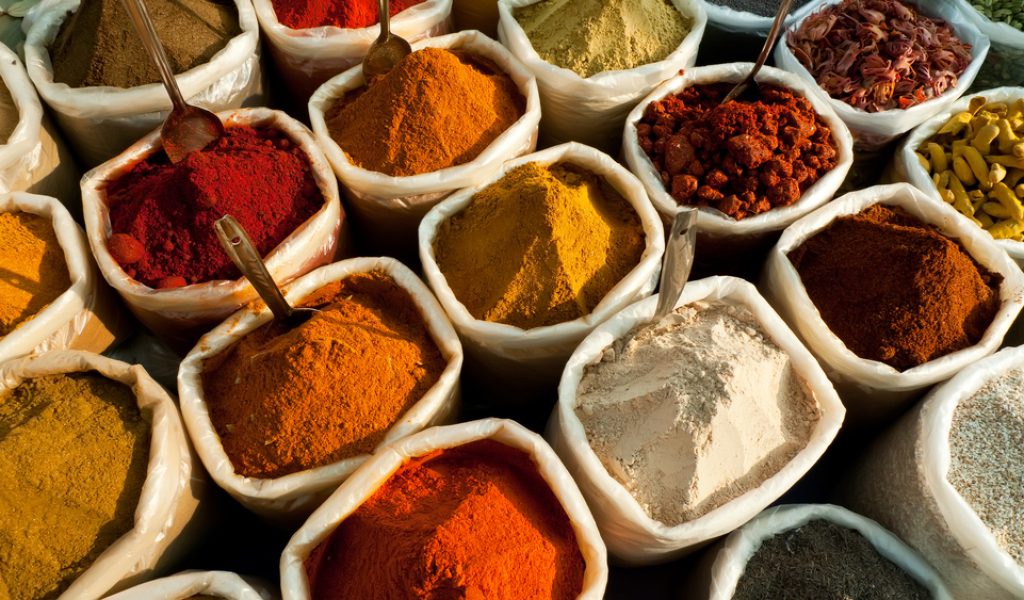


Spices are more than just flavor enhancers for our meals. They are nature’s little helpers, packed with nutrients and compounds that can boost our health in many ways. They improve digestion and fight inflammation.
We often focus on the main ingredients in our meals, like vegetables, grains, and meats, but do you know that small additions of spices can have a big impact on our health? They are loaded with antioxidants, anti-inflammatory compounds, and nutrients that support our body in many ways. Using the right spices regularly can help improve immunity, metabolism, heart health, and even mental clarity.
Let’s explore five healthy spices that should always be part of our daily lives.
Five Healthy Spices
1. Turmeric:
Turmeric is often called the golden spice or the golden healer. It has been used for thousands of years in Asian cooking and medicine. Its active compound, curcumin, is a powerful antioxidant and anti-inflammatory agent.
Benefits of Turmeric
- Reduces Inflammation: Turmeric can help reduce swelling and pain caused by conditions like arthritis. It’s also beneficial for general body inflammation, which can lead to chronic illnesses if not managed.
- Supports Brain Health: Curcumin may help improve memory and mood. Studies suggest it can reduce the risk of cognitive decline and support brain health.
- Boosts Heart Health: Turmeric helps improve blood circulation and reduce cholesterol levels, which are important for heart health.
- Fights Oxidative Stress: Its antioxidants help protect cells from damage caused by free radicals, slowing down aging and disease.
- Potential Anti-Cancer Effects: Research is ongoing, but turmeric may help prevent or slow down certain cancers.
How to Use Turmeric
- Add a teaspoon of turmeric powder to soups, curries, or stews.
- Mix turmeric with warm milk and a little honey for a soothing drink.
- Sprinkle turmeric on roasted vegetables or rice for color and flavor.
- Combine turmeric with black pepper in meals; piperine in black pepper increases curcumin absorption.
2. Cinnamon
Cinnamon is a spice made from the inner bark of trees and is known for its warm, sweet flavor. Beyond its taste, it’s incredibly good for your health.
Benefits of Cinnamon
- Regulates Blood Sugar: Cinnamon can help lower blood sugar levels and improve insulin sensitivity. This makes it useful for people with diabetes or anyone looking to maintain healthy blood sugar levels.
- Heart Health: It may reduce cholesterol and triglycerides, lowering the risk of heart disease.
- Antioxidant Properties: Cinnamon contains cinnamaldehyde, which helps protect the body from oxidative damage.
- Supports Brain Function: Cinnamon may help prevent neurodegenerative diseases and improve memory.
- Antimicrobial Effects: It can help fight bacteria, viruses, and fungi.
How to Use Cinnamon
- Sprinkle on oatmeal, yogurt, or fruit for breakfast.
- Add to coffee, tea, or smoothies for flavor and health benefits.
- Use cinnamon in baking or meat rubs for a warm taste.
3. Ginger
Ginger is a tropical plant that’s widely used in cooking and traditional medicinemostly for soothing the stomach. Its bioactive compounds, particularly gingerol, have strong anti-inflammatory and antioxidant effects.
Benefits of Ginger
- Eases Nausea: Ginger can relieve nausea caused by pregnancy, motion sickness, or surgery.
- Supports Digestion: It helps stimulate digestive juices, reducing bloating and constipation.
- Reduces Muscle Pain: Regular consumption can reduce exercise-induced muscle soreness.
- Anti-Inflammatory: Ginger can help reduce swelling and pain in conditions like arthritis.
- Boosts Immunity: It helps fight infections and supports overall health.
How to Use Ginger
- Add fresh ginger to teas and smoothies.
- Grate ginger into stir-fry dishes for extra flavor.
- Use powdered ginger in baked goods, soups, or curries.
4. Garlic
Garlic is a bulb widely used in cooking. Beyond its strong taste, it’s a heart-healthy superfood.
Benefits of Garlic
- Supports Heart Health: Garlic can reduce cholesterol and triglycerides, keeping arteries flexible.
- Boosts Immunity: Garlic stimulates white blood cells, helping your body fight infections.
- Reduces Blood Pressure: Regular consumption may help maintain healthy blood pressure.
- Antimicrobial Effects: Garlic fights bacteria, viruses, and fungi naturally.
- Anti-Inflammatory: Helps reduce inflammation in the body.
How to Use Garlic
- Use fresh garlic in cooking for the best benefits.
- Add garlic to sauces, soups, stir-fries, and marinades.
- Roast garlic with vegetables for a sweeter, milder taste.
5. Cayenne Pepper
Cayenne pepper is a type of chili pepper that contains capsaicin, which gives it its spicy kick. This compound is also responsible for many of its health benefits.
Benefits of Cayenne Pepper
- Boosts Metabolism: Capsaicin helps increase calorie burning and aids in weight management.
- Pain Relief: It reduces the number of pain signals sent to the brain, helping with arthritis and nerve pain.
- Supports Digestion: Cayenne stimulates digestive enzymes and can help reduce ulcers.
- Cardiovascular Health: It may improve blood circulation and reduce cholesterol levels.
- Immune Support: Contains vitamin C and antioxidants that help fight infections.
How to Use Cayenne Pepper
- Sprinkle a small amount in soups, stews, or sauces.
- Use it in marinades for meat or vegetables.
- Add a pinch to hot chocolate or smoothies for a spicy twist.
Extra Spices to Keep On Hand
While these five spices are amazing for health, there are a few more worth mentioning. Those spices can complement each other and make your meals not only tastier but also healthier.
- Nutmeg: Supports sleep, brain function, and digestion. Sprinkle in milk, smoothies, or baked goods.
- Rosemary: Antioxidant, anti-inflammatory, and may improve mood. Use in soups, bread, or roasted dishes.
- Sage: Rich in antioxidants and vitamin K, helps bone health and digestion. Use in omelets, meat dishes, or teas.
- Black Pepper: Enhances nutrient absorption, supports digestion, and improves immunity. Pair with almost any meal.
How to Use Spices for Maximum Health Benefits
- Cooking Methods: Avoid deep-frying spices. Instead, use steaming, boiling, stewing, or light sautéing. This preserves their nutrients.
- Fresh vs. Powdered: Fresh spices often have more nutrients, but dried spices are still very beneficial. Keep them stored in airtight containers away from sunlight.
- Combining Spices: Some spices, like turmeric and black pepper, work better together as they enhance absorption.
- Moderation: Too much spice can irritate the stomach or cause discomfort. Use small amounts regularly for best results.
Conclusion
Spices are not just for flavor; they are powerful tools to help stay fit and healthy. Adding these five recommended spices to daily life can improve overall health, immunity, and energy levels. They are easy to find, affordable, and versatile. Spices can be sprinkled on breakfast oatmeal, added to a main dish, or used in many other ways in meals.
Remember, healthy eating isn’t just about what is avoided; it’s also about what is added. A few simple spices can make a big difference.
So, spice up your life, enjoy delicious meals, and keep your body healthy and strong.
FAQs
Q1. Can eating spices daily improve mental clarity?
A: Yes! Certain spices like turmeric, cinnamon, and rosemary contain compounds that support brain function. Curcumin in turmeric may help improve memory and reduce mental fatigue, while rosemary’s aroma can enhance focus and alertness.
Q2. Do spices help the body absorb nutrients better?
A: Absolutely. Black pepper contains piperine, which increases the absorption of nutrients like curcumin from turmeric and other antioxidants from food. Adding a small amount of black pepper to meals can make other ingredients more effective for health.
Q3. Can spicy foods support weight management?
A: Yes, spices like cayenne and red chili peppers contain capsaicin, which can slightly increase metabolism and promote calorie burning. Regularly adding these spices to meals may help support a healthy weight when combined with a balanced diet.
Q4. Are spices beneficial even if you don’t cook with them?
A: Definitely. Spices can be consumed in teas, smoothies, or even sprinkled over salads and snacks. You don’t need to cook elaborate meals to enjoy their health benefits. Even small daily amounts can support digestion, immunity, and overall wellness.
Q5. Can spices help the body fight mild infections naturally?
A: Yes. Many spices, like garlic, cinnamon, and ginger, have natural antimicrobial and anti-inflammatory properties. They can help the body manage minor infections and support immune system function, though they are not a substitute for medical treatment when needed.
Q6. Can spices improve gut health beyond digestion?
A: Yes. Spices like turmeric, ginger, and fennel contain compounds that support a healthy gut microbiome. They help balance beneficial bacteria, reduce inflammation, and may even prevent bloating and discomfort.
Q7. Do spices affect mood and stress?
A: Some spices can positively influence mood. For example, cinnamon and saffron contain antioxidants that may help regulate stress hormones, while rosemary’s aroma can boost alertness and reduce anxiety.