



Periods are a normal part of life for most women, but let’s be honest, they can raise a lot of questions. One common thing many people notice is the smell of menstrual blood. You might wonder, “Is this normal?” or “Should I be worried about it?” Sometimes it’s a little uncomfortable to think about, but it’s actually very common, it’s nothing to be ashamed of.
Let’s take a deeper look at why this smell happens and what it means.
What Is Menstrual Odor?
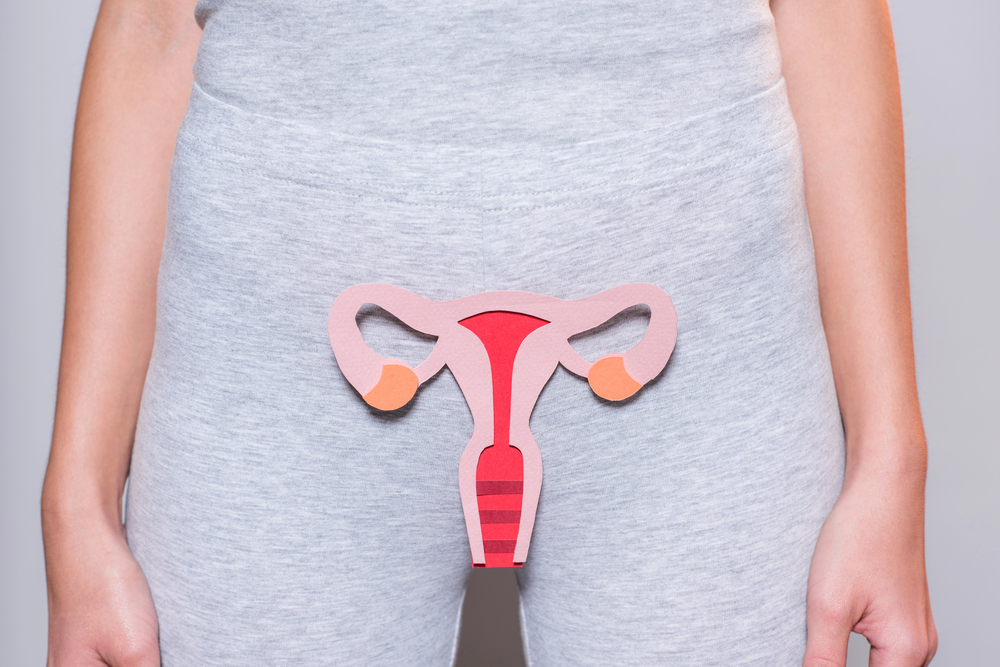
Menstrual odor is the smell that comes from your body when you are having your period. During menstruation, blood and tissue leave your uterus and come out through your vagina. This fluid is not just blood. It also contains tissue from the uterus, cervical mucus, and vaginal secretions.
The vagina is not a sterile place. It has many natural bacteria that live there all the time. These bacteria help keep the vagina healthy. When menstrual blood mixes with this environment, it can change the smell.
Because of this mix, having a smell during your period is normal. The smell usually comes from:
- Iron in the blood
- Natural bacteria inside the vagina
- Sweat and germs on the skin around the vagina
Why Does Menstrual Blood Smell the Way It Does?
It is normal for period blood to have a light smell. The smell can also change during your period. On some days it may be very light, and on other days it may be a bit stronger. This is because your body is changing during your cycle. Take a look at the main reasons behind it below.
- Blood Has Iron: Menstrual blood comes from tiny blood vessels in the uterus. Blood contains iron. Iron can give blood a slightly metallic smell, like old pennies or a coin. This smell is normal. It does not mean anything is wrong.
- Bacteria Inside the Vagina: The vagina has many kinds of bacteria living in it. Most of these bacteria are helpful. They help keep things balanced. When blood sits in the vaginal area for a while, it mixes with these bacteria. The bacteria interact with the blood. This can create an odor. This odor is usually mild and normal.
- Sweat and Skin Odors: There are sweat glands near the vaginal area. When sweat mixes with menstrual blood, it can create a “body odor” smell. This is similar to how your armpits might smell after exercise. This is normal and not a sign of infection.
- Products Left Too Long: If you leave a pad, tampon, or menstrual cup in too long, menstrual fluid sits against your skin or inside your vagina longer than necessary. This can make the smell stronger. Changing products often can reduce odor.
Normal Menstrual Odors
There are a few smells that many women notice during their period.
- Metallic Smell: This is one of the most common period smells. It comes from the iron in your blood. It may smell a bit like coins or metal. This is normal.
- Sweet or Slight Sour Smell: Some women notice a sweet or sour smell. This happens when the bacteria in your vagina change slightly as the flow moves through. This smell is usually mild. This is also normal.
- Sweaty Smell: If you sweat around your groin during your period, the smell of sweat can mix with menstrual blood. This might make the smell stronger or closer to typical body odor. But this is still normal.
Menstrual Smells That Could Be a Sign of a Problem
Some period smells are not normal, especially if they come with other symptoms. These may be signs that something is wrong, and you may need to see a doctor. These smells can include strong, unusual, or unpleasant odors that are different from your normal period smell.
- Fishy Smell: A strong fishy smell is usually not normal during your period. It may be a sign of a vaginal infection, most commonly bacterial vaginosis (BV). This infection happens when the natural balance of bacteria in your vagina is disrupted.
A fishy smell can also be caused by sexually transmitted infections (STIs), such as trichomoniasis. These infections need treatment from a doctor.
You may also notice:
- Unusual discharge that is gray, green, or yellow
- Itching around the vagina
- A burning feeling when you urinate
- Irritation or discomfort
- Rotten or Very Strong Foul Smell: If the smell is very strong and foul, like something rotting, it could mean:
- A tampon was left inside: Leaving a tampon in for too long can sometimes cause a rare but serious condition called Toxic Shock Syndrome (TSS). If you think a tampon may be stuck or notice a very bad smell, see a doctor immediately.
- A severe bacterial infection: A very strong foul smell can also be a sign of a serious bacterial infection. It is important to contact a healthcare provider for proper diagnosis and treatment.
- Other Unusual Odors: Sometimes your period may have a smell that is different from usual. These changes can be a sign that something needs attention. Check with a doctor if you notice:
- A very unpleasant or strong smell
- A smell that gets stronger over time
- A smell that comes with pain, itching, or irritation
What Can Change Your Period Smell?
Many factors can change how your menstrual flow smells.
- Hygiene Habits: If you do not change pads or tampons often, menstrual fluid stays against your skin longer. That can make the smell stronger. Changing products frequently helps keep odor at a minimum.
Different products can affect smell:
- Pads: If worn too long, fluid stays on the pad and can smell.
- Tampons: Must be changed often. Leaving them in too long can cause strong smell and infection risk.
- Menstrual Cups: These collect blood inside the vagina. They should be emptied and rinsed regularly.
2. Diet and Hydration: What you eat and drink can affect your body’s natural smell. Drinking enough water and eating a balanced diet may help keep odors mild.
3. Vaginal pH Level: The vagina has a natural pH balance that keeps healthy bacteria working well. Things that disrupt this balance, like douching or scented products, can lead to bad odors or infections.
4. Sweat and Heat: Hot weather or exercise can make you sweat more. Sweat mixed with blood can make the smell stronger, even if it is not a health problem.
Hygiene and Care Tips to Reduce Menstrual Odor
Good hygiene practices can help reduce menstrual odor and make you feel fresh and comfortable. Here are practical tips:
- Change Menstrual Products Often
- Change pads every 3–4 hours
- Change tampons every 4–8 hours (never more than 8 hours)
- Empty and rinse menstrual cups every 4–8 hours. This prevents blood from sitting too long and reduces odor.
- Wash Your External Genital Area Gently: Use clean, warm water to wash the outer part of your vagina (vulva). Do not use strong soaps, scented washes, or deodorant sprays. These products can irritate the skin and disrupt the natural bacteria.
- Wear Breathable Underwear: Cotton underwear lets air circulate. This helps reduce sweat and odor. Tight synthetic underwear can trap moisture and make smells stronger.
- Stay Clean and Dry: After washing, pat dry gently with toilet paper or a clean towel. Moisture left on the skin can make bacterial growth easier, which increases odor.
- Avoid Douching: Douching means rinsing the inside of your vagina with water or solutions. This is not recommended. The vagina cleans itself naturally. Douching can kill good bacteria and cause infections.
- Avoid Scented Products: Stuff like scented pads, tampons, wipes, or sprays may smell nice, but they can irritate your skin and vagina. That irritation can lead to infections and even stronger odors.
- Shower Daily: A daily shower during your period helps you feel clean and can reduce odors caused by sweat and bacteria on the skin.
When to See a Doctor
- The Smell Is Foul or Fishy
- You Have Abnormal Discharge
- You Think You Left a Tampon Inside
- You Have Pain, Fever, or Unusual Symptoms
- The Smell Persists After Your Period
Common Infections That May Cause Abnormal Odor
Here are some common causes of abnormal vaginal odor:
- Bacterial Vaginosis (BV): BV is the most common vaginal infection in women of reproductive age. It happens when there is a imbalance of bacteria in the vagina. BV is treated with antibiotics.
Symptoms include:
- Fishy smell
- Greyish discharge
- Itching or burning
2. Trichomoniasis: This is a sexually transmitted infection. It also causes a fishy smell, along with:
- Itching
- Burning
- Unusual discharge
3. Yeast Infections: Yeast infections are treated with antifungal medicines. Yeast infections can cause:
- Thick white discharge
- Itching and irritation
- Sometimes a mild smell
4. Toxic Shock Syndrome (TSS): This is rare but serious. It can happen if a tampon is left in too long. TSS is a medical emergency. If you think you have it, seek help right away.
Symptoms include:
- High fever
- Vomiting
- Rash
- Confusion or dizziness
How Menstrual Odor Changes Over Time
Menstrual odor is not the same for every period or every woman. It is normal for smell to be different from month to month. Mild changes are usually not a sign of trouble. It can change because:
- Your hormone levels change throughout your cycle
- You sweat more or less
- You eat different foods
- Your activity level changes
- Your products change (pads, tampons, cups)
Tips for Feeling More Comfortable During Your Period
- Carry Extra Products: Keep spare pads, tampons, or cup supplies with you. Change them when you need to.
- Use Panty Liners: If you have a light flow or want extra freshness, panty liners can help reduce odor.
- Stay Hydrated: Drinking water helps your body flush out toxins and can reduce body odor.
- Wear Dark Clothing on Heavy Days: Dark clothes make stains less visible and can help you feel more at ease.
- Take Warm Baths: Warm baths help clean the body and relax muscles. This can make your period feel more comfortable.
Myths About Period Smell
There are many myths about period odor. Let’s clear some up:
Myth: Period smell means you are dirty.
Not true. Menstrual odor is mostly natural. Your body is working normally. Washing daily and changing products often helps with smell.
Myth: Only bad hygiene causes odor.
While hygiene affects smell, even clean bodies can have menstrual odor. The smell comes from blood and bacteria mixing, not from being unclean.
Myth: All strong odors mean infection.
Not always. Strong odor can happen if a pad or tampon was left too long, or if you sweated a lot. But if the smell stays strong and comes with other symptoms, see a doctor.
Final Thoughts
Menstrual odor is a very normal part of having a period. Most smells like metallic, mild sour, or light body odor are nothing to worry about. They are caused by natural processes in your body.
However, if the smell is strong, fishy, or foul, especially with other symptoms like unusual discharge, itching, burning, or pain, it could mean an infection or another issue. In those cases, it is important to speak with a healthcare professional.
Remember, there is no need to feel embarrassed about discussing menstrual health. Taking care of your body and seeking help when needed is a normal and important part of staying healthy.
FAQs
Q1. Can the smell of my period change during my cycle?
A: Yes. Hormone levels change throughout your period, and this can affect how menstrual blood smells. Some days it may be metallic, other days slightly sweet or sour. These changes are usually normal.
Q2. Why does my period sometimes smell like sweat?
A: Sweat glands near the vaginal area can mix with menstrual blood. When this happens, your period may have a mild “body odor” smell, similar to how your armpits smell after exercise. This is normal and harmless.
Q3. Can a menstrual cup affect odor?
A: Menstrual cups collect blood inside the vagina, so if they are emptied and cleaned regularly, they usually don’t cause strong smells. If left too long, odor may develop, just like with tampons or pads.
Q4. Does age or pregnancy affect period smell?
A: Yes. Younger people or those approaching menopause may notice different odors due to hormone changes. During pregnancy, you don’t have periods, but vaginal discharge may have a new smell because of bacterial changes.
Q5. Can infections make my period smell different even if I feel fine?
A: Yes. Some infections, like bacterial vaginosis or mild yeast infections, can cause unusual odors even without pain or itching. It’s a good idea to see a healthcare provider if the smell suddenly changes or becomes very strong.