


Bacteria are very small living things, but they play a big role in our daily lives. They are found everywhere, in the air, water, food, and even inside our bodies. In the past, many people thought bacteria were only harmful, but this is not true. Many bacteria help us stay healthy. They support digestion, strengthen the immune system, and even affect how we feel. Some bacteria can cause illness, but many are helpful and important for life.
Let’s learn more about bacteria and how they affect your health.
What Are Bacteria?
Bacteria are very small, single-celled living organisms. They are among the oldest life forms on Earth and have existed for billions of years. A single bacterium is so tiny that millions could fit on the tip of a pin.
Bacteria live almost everywhere. They survive in soil, water, air, plants, animals, and humans. Some bacteria even live in extreme places such as hot springs, deep oceans, and icy environments.
Inside our bodies, bacteria are found mainly in the gut, mouth, skin, nose, and reproductive organs. It is estimated that the human body has trillions of bacteria. Bacteria can affect our health in both good and negative ways.
Types of Bacteria
Bacteria can be grouped in different ways. One common way is based on how they affect humans.
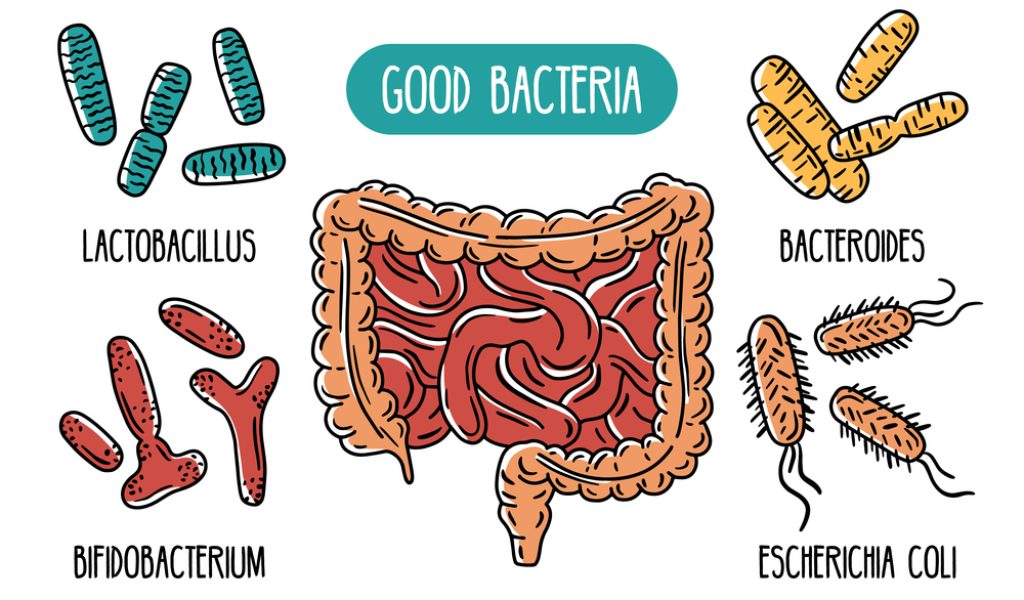
- Helpful Bacteria: Helpful bacteria support your health. They help digest food, make vitamins, protect you from harmful germs, and support your immune system. These bacteria are often called “good bacteria.” Most good bacteria live in the gut, also known as the digestive system. Together, they form the gut microbiome.
- Lactococcus: These bacteria help with digestion and are often used in the production of fermented foods like cheese and yogurt.
- Lactobacillus: Known for supporting gut health, they help break down food and protect against harmful bacteria.
- Lactobacillus bifidus: Found in the intestines, they aid in nutrient absorption, boost the immune system, and maintain a healthy balance in the gut.
- Harmless Bacteria: Many bacteria live in or on your body and do not help or harm you. They simply exist there without causing problems. These bacteria are harmless and usually go unnoticed.
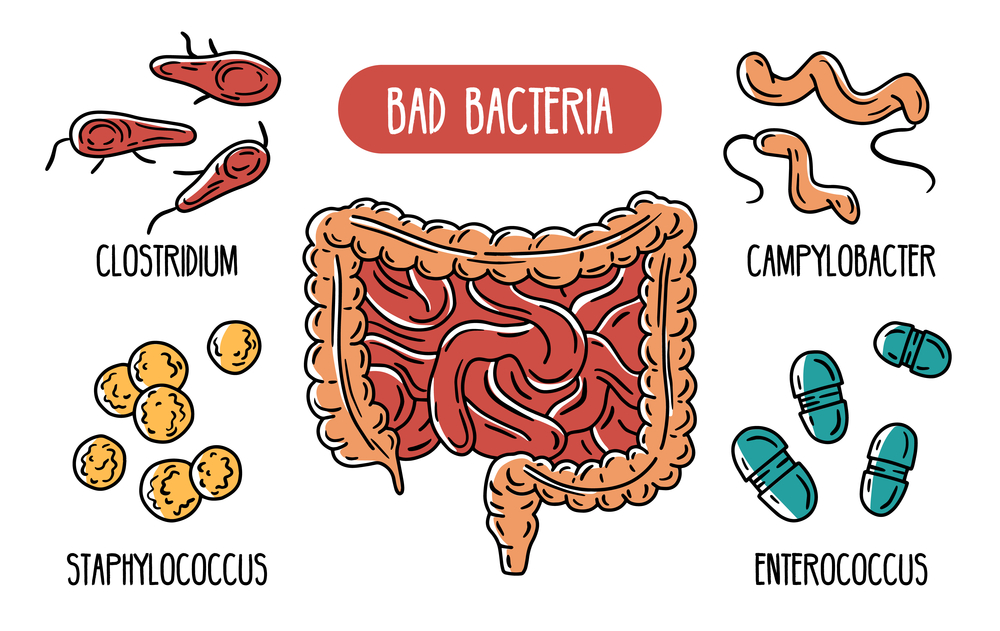
- Harmful Bacteria: Harmful bacteria, also called pathogenic bacteria, can cause illness and infections. They can enter your body through food, water, cuts in the skin, or close contact with infected people. When they grow and release toxins, they can damage tissues and make you sick.
- Clostridium perfringens: Can cause food poisoning and gas gangrene.
- Staphylococcus: Can lead to skin infections, pneumonia, and bloodstream infections.
- Escherichia coli (E. coli): Certain strains can cause foodborne illness, diarrhea, and urinary tract infections.
Shapes and Structures of Bacteria
Bacteria come in different shapes, and their shape can affect how they live, move, and cause disease. Even though they are very small, their structure helps them survive in many environments.
The main shapes of bacteria include:
- Rod-shaped bacteria: These look like tiny sticks or rods. They are long and straight. Some of them can move easily and are found in many environments.
- Round-shaped bacteria: These are spherical. They may exist alone, in pairs, in chains, or in clusters resembling bunches of grapes.
- Spiral-shaped bacteria: These have a twisted or spiral shape, like a spring. Their shape helps them move through liquids more easily.
- Comma-shaped bacteria: These look like a curved rod or a comma. They are slightly bent and can move quickly in water.
Bacterial Arrangements and Structure
Bacteria can live in different arrangements. Some live alone as single cells, while others join together. They may form long chains, small groups, or large clusters. Living together can help them survive and grow more easily.
Even though bacteria are simple organisms, they have special parts that help them live and protect themselves:
- Protective outer layer: Many bacteria have a strong outer covering that protects them from harsh conditions. This layer also helps them resist attacks from the body’s immune system.
- Flagellum: Some bacteria have a tail-like structure called a flagellum. It works like a tiny motor, helping the bacteria move from one place to another in search of food or better conditions.
- Hair-like structures (pili): These tiny hair-like parts help bacteria stick to surfaces, such as your skin or cells inside your body. This makes it easier for them to stay in one place and grow.
Where Bacteria Live in the Human Body
Bacteria are in different parts your body. Each area of the body has its own type of bacteria that plays a special role.
A. Gut Bacteria: The largest number of bacteria in your body live in your gut, especially in the large intestine. This group of bacteria is often called the gut microbiome. These bacteria help break down food that your body cannot digest on its own, such as fiber.
They also help your body absorb important nutrients and minerals. Some gut bacteria produce vitamins like vitamin K and certain B vitamins. They support digestion, reduce inflammation, and help keep your immune system strong.
When the balance of gut bacteria is healthy, your digestive system works smoothly. If this balance is disturbed, you may experience bloating, stomach pain, diarrhea, or constipation.
B. Skin Bacteria: Your skin is covered with millions of bacteria. While this may sound unpleasant, most of these bacteria are helpful. They act as a protective shield.
Good skin bacteria prevent harmful germs from entering your body. They compete for space and nutrients, which makes it harder for dangerous bacteria to grow.
When the balance of skin bacteria changes, it may lead to skin problems such as acne, infections, or irritation.
C. Mouth and Nose Bacteria: The mouth and nose also contain many types of bacteria. In the mouth, helpful bacteria start the digestion process and protect against harmful germs.
However, if you do not brush and clean your teeth properly, harmful bacteria can grow. This can lead to bad breath, cavities, and gum disease.
In the nose, bacteria help protect your respiratory system by blocking harmful germs from entering deeper into your body.
D. Reproductive System Bacteria: In women, helpful bacteria live in the vagina. These bacteria help keep the area healthy by maintaining the right balance. They create a slightly acidic environment that prevents harmful bacteria from growing.
If this balance is disturbed, it may lead to infections or discomfort. Maintaining proper hygiene and avoiding unnecessary antibiotics can help keep this balance stable.
How Bacteria Help Your Health
Not all bacteria are harmful. In fact, many bacteria in your body are very helpful. These “good bacteria” work quietly every day to keep your body healthy and balanced.
- Digestion and Nutrient Absorption: Good bacteria play an important role in digestion. Some parts of food, especially fiber, cannot be broken down by your body alone. Helpful bacteria in your gut break down this fiber and turn it into useful nutrients. They also help your body absorb important minerals like calcium, iron, and magnesium. These minerals are needed for strong bones, healthy blood, and proper body function. Without good bacteria, your digestion would be weaker, and your body would not get all the nutrients it needs.
- Vitamin Production: Certain bacteria in your gut can make vitamins that your body needs. This is very important because your body cannot produce all vitamins on its own.
For example:
- Vitamin K helps your blood clot properly when you get a cut or injury.
- B vitamins support energy production, brain function, and metabolism.
- Immune System Support: Your immune system protects you from illness, and good bacteria help train it. They teach your immune system how to recognize harmful germs and respond in the right way.
This means your body can fight infections more better. A healthy balance of bacteria also helps prevent your immune system from overreacting, which can reduce the risk of allergies and autoimmune problems.
- Protection Against Harmful Germs: Helpful bacteria protect your body by competing with harmful bacteria. They take up space and use the nutrients that harmful germs need to grow.
Because of this, dangerous bacteria find it harder to survive and multiply. This natural protection helps reduce the risk of infections and keeps your body safer.
- Mental Health and Mood: There is a strong connection between your gut and your brain. This is often called the “gut-brain connection.”
Healthy gut bacteria can affect how you feel. They help produce chemicals that influence mood and stress levels. When your gut is healthy, you may feel more balanced, calm, and focused.
On the other hand, an unhealthy balance of bacteria may affect your mood and increase feelings of stress or anxiety.
What Happens When Bacteria Become Harmful
Harmful bacteria can cause illness when they enter the body and multiply. They may release toxins that damage cells and tissues. Symptoms depend on the type of infection but may include fever, pain, swelling, diarrhea, fatigue, and inflammation.
Common bacterial infections include:
- Ear Infections: Ear infections often affect children. They cause ear pain, fever, fluid discharge, and hearing problems. Some ear infections clear on their own, while others need antibiotics.
- Sinus Infections: Sinus infections cause facial pain, congestion, thick nasal mucus, headache, and pressure around the eyes. They may follow a cold.
- Strep Throat: Strep throat causes a severe sore throat, fever, swollen tonsils, and difficulty swallowing. It spreads easily and needs antibiotics.
- Urinary Tract Infections: UTIs cause burning during urination, frequent urination, lower abdominal pain, and cloudy urine. They are more common in women and are often treated with antibiotics.
- Food Poisoning: Food poisoning happens when harmful bacteria grow in food. Symptoms can include vomiting, diarrhea, stomach cramps, and fever. Some cases heal without antibiotics.
Bacterial Skin Infections
Bacteria can sometimes cause infections on the skin. These infections can be uncomfortable and may need treatment to prevent them from spreading. Here are some common bacterial skin infections:
- Cellulitis: Cellulitis is an infection of the deeper layers of the skin, which causes redness, warmth, swelling, and pain in the affected area. The skin may look tight or shiny. If not treated, cellulitis can spread quickly to other parts of the body and become serious. It is usually treated with antibiotics.
- Impetigo: Impetigo is a skin infection that causes itchy sores with a yellow or honey-colored crust. It is most common in children and spreads easily through direct contact or by touching contaminated surfaces. While it is not usually dangerous, it can be uncomfortable and should be treated with medicine to prevent spreading.
- Folliculitis: Folliculitis is an infection of the hair follicles, the tiny pockets in the skin that hold hair. It causes small red bumps or pimples, sometimes with pus. Folliculitis can happen anywhere on the body where hair grows, often after shaving, friction from clothes, or sweating. Mild cases may heal on their own, but more severe cases may need antibiotic treatment.
Sexually Transmitted Bacterial Infections
Some bacteria can spread through sexual contact. These infections may cause pain, unusual discharge, sores, or bleeding. In many cases, the symptoms are mild at first, so people may not realize they are infected.
Early treatment is very important. If left untreated, these infections can lead to serious long-term health problems, including fertility issues and organ damage.
Common Sexually Transmitted Bacterial Infections
- Chlamydia: Often shows no symptoms at first, but can cause unusual discharge, pain during urination, and reproductive problems if untreated.
- Gonorrhea: Can infect the genitals, throat, or rectum. Symptoms may include discharge, pain, or swelling, but sometimes there are no signs.
- Syphilis: Causes sores on the genitals, mouth, or other areas. If untreated, it can progress and affect the heart, brain, and other organs.
Bacteria vs. Viruses
Bacteria and viruses are different.
| Feature | Bacteria | Viruses |
| Nature | Living, single-celled organisms | Not alive on their own; require a host cell to survive |
| Size | Larger (usually 0.2–2 micrometers) | Much smaller (20–300 nanometers) |
| Living Conditions | Can live on surfaces, in water, soil, and inside the body | Cannot survive or reproduce outside a host cell |
| Reproduction | Reproduce on their own by dividing | Must enter a host cell to reproduce |
| Effect on Body | Can be harmless, helpful, or harmful | Usually harmful and cause diseases |
| Treatment | Often treated with antibiotics (for bacterial infections) | Antibiotics do not work; some viral infections are treated with antiviral drugs or vaccines |
| Examples of Illness | Strep throat, urinary tract infections, tuberculosis | Influenza, COVID-19, chickenpox |
Antibiotics and How They Work
Antibiotics kill bacteria or stop them from growing. They save lives when used correctly. Doctors prescribe antibiotics for serious bacterial infections.
It is important to:
- Take antibiotics exactly as prescribed
- Finish the full course
- Never share antibiotics
- Never use leftover antibiotics
Antibiotic Resistance: Antibiotic resistance happens when bacteria change and no longer respond to antibiotics. This makes infections harder to treat.
Overuse and misuse of antibiotics increase resistance. When antibiotics are used without need, bacteria learn to survive them.
Antibiotic resistance is a serious global health issue. It can lead to longer illnesses, higher medical costs, and more deaths.
How to Protect Yourself From Harmful Bacteria
- Practice Good Hygiene: Keeping your body clean is one of the easiest ways to protect yourself from harmful bacteria. Wash your hands often with soap and water, especially before eating or after using the bathroom. Clean cuts and wounds properly to prevent bacteria from entering your body. Maintaining good oral hygiene by brushing and flossing your teeth daily also helps stop harmful bacteria from causing infections in your mouth.
- Handle Food Safely: Bacteria can grow on food and make you sick if it is not handled properly. Always clean your fruits and vegetables before eating or cooking them. Cook meat, eggs, and other foods thoroughly to kill any harmful bacteria. Store food at the right temperature, and avoid leaving perishable items out for too long. These steps help reduce the risk of foodborne illnesses.
- Support Good Bacteria: Not all bacteria are bad. Supporting the helpful bacteria in your body keeps you healthy. Eat foods rich in fiber, such as fruits, vegetables, and whole grains, which feed good gut bacteria. Include fermented foods like yogurt, kimchi, and sauerkraut, which contain live beneficial bacteria. Avoid taking antibiotics unless prescribed by a doctor, because unnecessary use can kill good bacteria and disrupt your body’s natural balance.
- Stay Up to Date With Vaccines: Vaccines help protect you from serious bacterial infections. For example, vaccines can prevent diseases like tetanus, whooping cough, and certain types of pneumonia. Staying current with vaccinations strengthens your immune system and reduces the risk of getting these harmful bacterial infections.
Probiotics and Gut Health
Probiotics are live beneficial bacteria found in supplements and foods. They support digestion and gut balance.
Foods rich in probiotics include:
- Yogurt
- Kefir
- Sauerkraut
- Kimchi
- Kombucha
The Balance of Bacteria in the Body
Your health depends on balance. Healthy habits help maintain balance. Too many harmful bacteria or too few good bacteria can cause problems.
An imbalance may lead to:
- Digestive issues
- Skin problems
- Infections
- Weak immunity
Bacteria in the Environment
Bacteria are not only important for our bodies; they also play a crucial role in the environment. They help break down waste, such as dead plants and animals, turning it into nutrients that other living things can use. This process recycles important elements like carbon and nitrogen, which plants need to grow. Some bacteria even form partnerships with plants, helping them absorb nutrients from the soil. Without bacteria, these natural cycles would stop, and ecosystems would struggle to survive. In short, bacteria are essential for keeping the Earth healthy and balanced.
When to See a Doctor
See a doctor if you have:
It is important to seek medical help if a bacterial infection may be serious. You should see a doctor if you have:
- High fever: A persistent or very high fever can be a sign that your body is fighting a serious infection.
- Severe pain: Pain that is intense or getting worse may indicate an infection that needs treatment.
- Symptoms lasting many days: If symptoms like swelling, redness, or fatigue continue for several days without improvement, it’s important to get checked.
- Signs of infection spreading: If redness, swelling, or pain spreads to other areas, or if you notice pus, unusual discharge, or other worrying signs, see a doctor immediately.
Final Thoughts:
Bacteria affect your health in many ways. Most bacteria are helpful and support digestion, strengthen your immune system, and contribute to overall well-being. However, some bacteria can cause illness and infections, which need proper care and attention.
Understanding bacteria and supporting the good ones through healthy foods, good hygiene, and smart medical choices helps protect your body and keep you healthy.
FAQs:
Q1. Can harmless bacteria become harmful?
A: Yes, some bacteria that are usually harmless can turn harmful under certain conditions. For example, an imbalance in gut bacteria or a weakened immune system can allow normally helpful bacteria to cause infections or inflammation.
Q2. How do bacteria interact with viruses in the body?
A: Bacteria and viruses can influence each other. Sometimes, a viral infection can create conditions that allow harmful bacteria to grow, leading to secondary infections like pneumonia or sinusitis. Conversely, a healthy balance of bacteria can help the body defend against viruses.
Q3. Do bacteria influence weight and metabolism?
A: Research shows that gut bacteria can affect how the body processes food, stores fat, and uses energy. A diverse and balanced gut microbiome may support healthy metabolism, while an imbalance could contribute to weight gain or digestive issues.
Q4. Can environmental bacteria affect human health?
A: Yes, bacteria in soil, water, and plants can impact human health. Beneficial environmental bacteria help decompose waste and recycle nutrients, which supports clean air, healthy soil, and nutritious food. Harmful environmental bacteria, like those in contaminated water or food, can cause illness.
Q5. How does antibiotic resistance develop in bacteria?
A: Bacteria can evolve when exposed to antibiotics, developing resistance that makes treatments less effective. Misusing or overusing antibiotics encourages resistant bacteria to grow, which can make infections harder to treat and increase the risk of spreading these resistant strains.