Apples: Crunch your way to Keep Healthy

In my childhood, I ate apples every day. They were one of my favorite fruits, and I always took one to school. This made me curious about why apples are considered so healthy, so I decided to gather information and share it with you.

Apples are well-known throughout the world. People have enjoyed them for hundreds of years, and many cultures have old sayings about their health benefits. The most famous one is: “An apple a day keeps the doctor away.”

This saying may sound simple, but there is real truth behind it. Apples provide important nutrients that protect the body, support overall health, and may help prevent long-term diseases such as heart disease, type 2 diabetes, and some forms of cancer.

Let’s look more closely at the nutritional value of apples and how they help the body.

Nutritional Value of Apples

A medium apple contains:

●        About 95 calories

●        Around 4 to 5 grams of fiber

●        Almost 86% water

●        A good amount of vitamin C

●        Natural plant chemicals called polyphenols and antioxidants

Apples have no fat, sodium, or cholesterol. They are a clean, natural food that gives your body fuel, vitamins, and fiber without added sugar or processed ingredients. Most of the nutrients are found in or just under the skin, so it is best to eat apples with the peel on.

Popular Apple Varieties and Their Health Benefits

Do you know apples come in many different varieties? Each type has its own unique flavor, texture, and nutritional benefits

Here are some popular types and what makes them healthy:

  • Red Delicious: This apple is rich in phenolic antioxidants, which help protect your heart by reducing inflammation and preventing cell damage. A medium Red Delicious apple provides about 5 grams of fiber, supporting digestion and heart health.
  • Granny Smith: Known for its tart flavor, Granny Smith is high in polyphenol antioxidants and malic acid. It has a lower sugar content, making it a good choice for controlling blood sugar. It contains about 2.5 grams of fiber per medium apple.
  • Fuji: Sweet and crisp, Fuji apples are high in polyphenols like chlorogenic acid and catechin. They also contain prebiotic fiber, which supports the growth of healthy gut bacteria. A medium Fuji apple has about 4 grams of fiber.
  • Gala: Mildly sweet, Gala apples have good antioxidant and fiber content. Studies suggest they may help reduce inflammation markers linked to heart disease. A medium size Gala apple provides about 4 grams of fiber.
  • Renetta Canada: This sweet-tart apple is rich in polyphenol antioxidants called proanthocyanidins. These compounds may help lower cholesterol and reduce the risk of heart disease. It contains around 2.6 grams of fiber.
  • Honeycrisp: Sweet and juicy, Honeycrisp apples are high in phenolic compounds that may support heart health and have anti-aging benefits. They also contain antioxidants that could help manage blood sugar. A medium Honeycrisp has about 3 grams of fiber.
  • Pink Lady: Known for its sweet-tart taste, Pink Lady is rich in antioxidants such as chlorogenic acid and catechin. It may have anticancer properties and provides a good balance of nutrients to support overall health.
  • Note: Among these varieties, Granny Smith stands out for blood sugar management, and Pink Lady is especially rich in antioxidants. However, all these apples provide fiber, vitamins, and antioxidants that contribute to overall health.

Why Apples Are Good for Health

Apples are more than just a tasty fruit, they are packed with nutrients that protect your body and support different systems like the heart, brain, and digestive system. The key compounds that make apples healthy include:

  • Pectin: A type of soluble fiber found mainly in the peel. Pectin helps digestion by making stools softer and easier to pass. It also lowers “bad” LDL cholesterol, which can protect the heart.
  • Quercetin: A natural antioxidant that protects cells from damage caused by harmful molecules called free radicals. Quercetin supports the health of the heart, lungs, and brain, and may reduce inflammation.
  • Catechin and Chlorogenic Acid: These antioxidants fight inflammation, protect cells from damage, and support overall health. They also help the body fight chronic diseases over time.

How Apples Improve Overall Health

Eating apples regularly can keep your body healthy and support brain function. Here are some of the main ways apples benefit your health:

  1. Support Heart Health: Heart disease is one of the most common health problems worldwide. Apples can help keep your heart strong because they contain fiber and antioxidants. Studies show that people who eat apples regularly may have a lower risk of heart disease and stroke. The antioxidants in apples help protect blood vessels, keeping the heart healthy over time.
  • Soluble fiber in apples helps lower LDL cholesterol, often called “bad cholesterol.
  • Polyphenols in apples relax blood vessels and improve blood flow.
  • Apples may also help reduce inflammation in the arteries.
  1. Improve Digestion: Many digestive problems, such as constipation, gas, or upset stomach, happen when there isn’t enough fiber in the diet. Apples are an easy way to add more fiber and support a healthy gut. A healthy gut helps reduce inflammation, improves nutrient absorption, and supports the immune system.
  • Pectin, the soluble fiber in apples, absorbs water and forms a soft gel in the digestive system.
  • This gel helps move stool smoothly through the intestines, preventing constipation.
  • Apples also act as a prebiotic, feeding the good bacteria in the gut and keeping digestion balanced.
  1. Help With Weight Management: Apples are high in fiber and water but low in calories, which makes them very filling. Feeling full can help prevent overeating and reduce snacking on high-calorie foods.

Studies show that people who include apples in their meals may lose small amounts of weight over time. The natural sweetness of apples can also help curb cravings for candy or other sugary snacks.

Tip: Eat an apple before a meal to feel full faster, so you eat less overall.

  1. Help Control Blood Sugar Levels: Apples can help keep blood sugar steady, which is important for overall health and diabetes prevention. Studies show that eating apples is linked to a lower risk of developing type 2 diabetes. Even eating apples once a week can provide some benefit.

People with diabetes can also enjoy apples. One small apple per meal or snack is a good portion, especially when paired with protein or healthy fats like nuts or peanut butter.

  • The fiber in apples slows down digestion, preventing sharp spikes in blood sugar after meals.
  • Antioxidants in apples support the pancreas, the organ that controls insulin.

  1. Reduce the Risk of Some Cancers: Apples are rich in antioxidants, which help protect cells from damage and harmful chemicals. They also contain fiber, which supports colon health. Eating more fiber has been linked to a lower risk of colorectal cancer.

While apples alone cannot prevent cancer, including them in your diet can help support long-term health.

Research suggests that eating apples may help lower the risk of:

  • Breast cancer
  • Lung cancer
  • Prostate cancer
  • Some cancers of the digestive tract
  1. Support Brain Health: Over time, the brain can be affected by inflammation and damage from harmful molecules called free radicals. The antioxidants in apples, especially quercetin, may help protect brain cells from this damage.

Some studies suggest that eating apples may slow down age-related memory decline. Even though more research is needed, early results are promising. Eating a diet rich in fruits and vegetables, including apples, generally supports better brain function as we get older.

  1. Strengthen the Immune System: Vitamin C is essential for a strong immune system, and apples are a good source of this vitamin. They also contain other antioxidants that help the body defend itself against illness.

Eating apples regularly can support the immune system by:

  • Reducing inflammation
  • Helping white blood cells work better
  • Improving gut health, which is closely linked to immunity

How Many Apples Should You Eat?

Most studies suggest that eating one to two apples a day gives the best health benefits. However, apples are most effective when included as part of a balanced, plant-based diet.

Eating a variety of other plant foods such as vegetables, beans, whole grains, nuts, seeds, and other fruits helps your body get a mix of vitamins, minerals, fiber, and antioxidants. These nutrients work together with the compounds in apples to support your heart, digestion, blood sugar, brain, and immune system, keeping you healthier overall.

Best Way to Eat Apples

  • Eat Apples With the Skin: Most of the nutrients, including fiber and antioxidants, are found in or just under the skin. Eating apples with the skin on gives you the maximum health benefits.
  • Choose Fresh Apples: Fresh apples are the healthiest option. They retain most of their vitamins, minerals, and antioxidants compared to processed or preserved forms.
  • Pair With Protein or Healthy Fats: Apple slices go well with peanut butter, nuts, or other healthy fats. This makes a balanced snack that keeps you full longer and helps manage blood sugar.
  • Apple Smoothies: Smoothies can be a good way to enjoy apples, but keep the fiber by blending the whole fruit instead of removing the peel or straining it.
  • Apple Juice and Cider: Apple juice and cider have much less fiber than whole apples. While they contain some vitamins, they don’t offer the same health benefits as eating the whole fruit.

Possible Side Effects

For most people, eating apples is safe and healthy. However, there are things to keep in mind:

  • Digestive Issues: Some people may experience gas, bloating, or mild stomach discomfort after eating apples. This is usually caused by the natural sugars and fiber in the fruit.
  • Allergies: People who are allergic to birch pollen may sometimes have a reaction to raw apples. Symptoms can include itching, swelling, or mild irritation in the mouth and throat.
  • Apple Seeds: Apple seeds contain a compound that can release a small amount of poison if eaten in large quantities. Swallowing a few seeds accidentally is usually harmless, but it’s best to avoid eating the seeds regularly.

Final Thoughts

Apples are an easily available, affordable, and powerful fruit. They provide fiber, antioxidants, natural plant compounds, and vitamins that support the heart, digestion, immune system, and brain.

You do not need to follow a complicated diet to benefit from apples. Just adding one or two apples to your daily routine can make a real difference. Eat them whole, with the peel, and try to include them along with many other plant-based foods.

So, take a bite of health, one apple a day gives your body a natural boost!
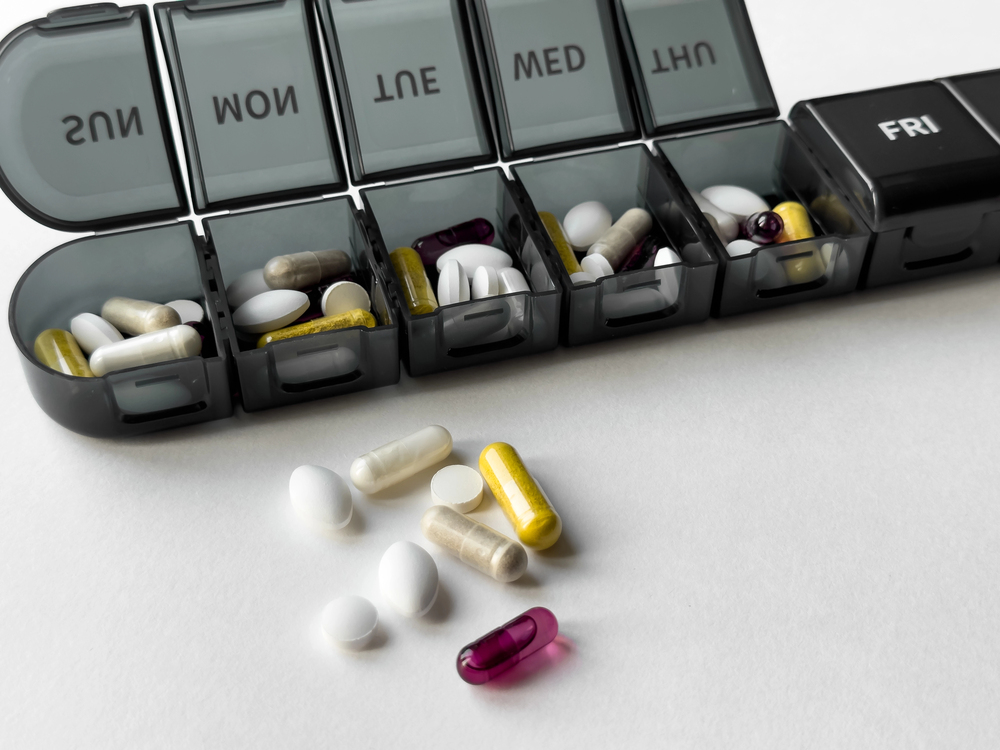
Your Medications and the Effects on Your Sexual Health       

Sexual health is a vital aspect of life. It affects how confident we feel, how we connect with our partners, and how we see ourselves. Many people experience changes in their sexual desire or performance at some point. These changes can be confusing and stressful. One common cause of sexual problems is medication.

Many common medicines can affect sexual desire, arousal, and performance. Even though these medicines help treat other health conditions, they may create unwanted side effects that affect sexual health.

Let’s explore how different medicines can influence your sexual function and what you can do about it.

What Is Sexual Dysfunction?

Sexual dysfunction is any problem that makes sexual activity difficult or less enjoyable. It may affect desire, arousal, orgasm, or comfort during sex. Both men and women can experience sexual dysfunction, and it is common. These problems can occur at any age and may be associated with physical, emotional, or hormonal factors. Medication is one of the most common physical causes.

Some common issues include:

  • Low sex drive
  • Difficulty getting or keeping an erection
  • Trouble reaching orgasm
  • Pain during sex
  • Dryness or lack of arousal
  • Delayed ejaculation or very fast ejaculation

How Medications Affect Sexual Health

Medicines can affect sexual health in many ways. Some lower the hormones that support desire. Others slow down nerve signals responsible for arousal and orgasm. Some drugs cause tiredness, emotional numbness, or stress. These changes can make sexual intimacy harder or less enjoyable.

You may notice problems soon after starting a medicine or after taking it for a long time. The effect can be mild or strong, depending on the person and the dose.

It is very important not to stop taking medicine on your own. Always talk to your doctor first.

Medications That May Affect Sexual Health

Some medicines are known to influence sexual desire, arousal, and performance. They help treat health conditions, but they can also change how the body responds during sexual activity.

  1. Antidepressants: Some medicines for depression and anxiety change the levels of brain chemicals linked to pleasure and desire. Selective serotonin reuptake inhibitors (SSRIs) are often used to treat depression, but they can lower libido and make it harder to reach orgasm.

Common SSRIs that may cause these effects include:

  • Paroxetine
  • Sertraline
  • Fluoxetine
  • Fluvoxamine
  • Escitalopram
  • Mirtazapine
  • Bupropion
  1. Blood Pressure Medications: Medicines used to treat high blood pressure may slow blood flow. This can affect arousal and erections. Some types may also decrease sexual desire.

Examples include:

  • Beta blockers
  • Diuretics (water pills)
  • Clonidine
  • Methyldopa
  • Spironolactone (which can also cause breast enlargement in men)
  1. Heart Failure Medications: Some medicines used to treat heart failure can affect sexual function in both men and women. For example, Digoxin may lower sexual desire and can make it harder for men to get or keep an erection. People with heart problems may already feel tired, weak, or stressed because their heart is working harder than usual. When medication adds to these feelings, sexual activity can seem even more difficult. It’s important to know that these side effects are not your fault. They happen because the medicine changes how the heart and blood flow work in the body.
  2. Antihistamines: Antihistamines are commonly used for allergies, cold symptoms, and sinus problems. Medicines like diphenhydramine and cetirizine can cause dryness in the body. This dryness can affect arousal by reducing natural lubrication in women and making sexual stimulation feel less comfortable. It can also lower desire in both men and women. These effects usually go away once the medicine wears off, but if someone uses them every day, the problem might continue. Drinking more water or using lubricants may help while taking these medicines.
  3. H2 Blockers for Acid Reflux: Medicines for acid reflux, such as cimetidine, help reduce stomach acid. However, some of these drugs can lower testosterone levels, especially in men. Testosterone is a hormone that plays a key role in sexual desire and sexual response. When its level drops, a person may notice lower interest in sex or difficulty with erections. These changes usually develop slowly over time, so people might not connect the medicine to the problem at first.
  4. Cancer Treatments: Cancer treatments, including chemotherapy, radiation, and hormone therapy, can have strong effects on the body. These treatments are designed to target cancer cells, but they can also affect healthy cells related to hormones and sexual function. Some people notice changes in desire, physical sensitivity, or touch response. Fatigue, nausea, or emotional stress from treatment may also reduce interest in sex. In many cases, sexual function improves once treatment ends, but sometimes the changes can last longer. Support from healthcare providers, counselors, or support groups can help during recovery.
  5. Medications That Affect Sex Hormones: Some medicines can change the levels of key sex hormones in the body, such as estrogen and testosterone. These hormones play an important role in sexual desire, mood, energy, and how the body responds during intimacy. When hormone levels drop, a person may notice a decrease in libido, which is the natural interest or desire for sexual activity.

These medicines are sometimes used to treat conditions like:

  • Prostate cancer
  • Endometriosis
  • Birth control

For example, some birth control pills can lower testosterone in women. Testosterone isn’t just a “male” hormone; women also need it in small amounts to support sexual desire and satisfaction. When testosterone decreases, some women may notice:

  • Less interest in sex
  • Trouble getting into the mood
  • Reduced physical arousal

Not all birth control pills affect testosterone in the same way. Some have a stronger effect, while others are milder and cause fewer changes. Every person’s body reacts differently, so one woman may notice a change in desire while another may not.

If someone feels that their sexual interest dropped after starting a new medication, it doesn’t mean there’s anything wrong with them. Often, the medication is the cause. In many cases, a doctor can adjust the dose or switch to a different medication to help improve the situation.

You Might Be Thinking: What Is Libido? Libido means sexual desire, the natural feeling of wanting sexual closeness or intimacy. It is basically how much you feel “in the mood” for sexual activity. Libido can change from day to day and may be affected by stress, emotions, hormones, overall health, or medications.

So, when we say a medicine lowers libido, it means the medication reduces interest or desire for sex, even if the person still cares about their partner or relationship.

  1. Antipsychotics: Medicines for conditions like schizophrenia and bipolar disorder can change hormone levels and lower dopamine. This can reduce desire and arousal.

Older antipsychotics cause these problems more often. Among the newer ones, risperidone is more likely to cause sexual side effects.

  1. Opioids for Pain: Opioids, which are strong pain-relief medicines, can affect sexual health in several ways. They can lower testosterone levels in both men and women. Testosterone is important for sexual desire and energy, so a drop can reduce interest in sex.

Opioids can also lower dopamine, a chemical in the brain that helps you feel pleasure. This can make sexual activity less enjoyable. Additionally, opioids often cause fatigue and slow down your body, which can further decrease interest in sexual activity.

Examples include:

  • Tramadol
  • Oxycodone
  • Hydrocodone
  • Methadone
  1. Benzodiazepines: Medicines for anxiety and sleep problems may calm the body so much that desire decreases. They may also make orgasm harder to reach.

Examples include:

  • Alprazolam
  • Lorazepam
  • Diazepam
  1. Antiepileptic Medications: Medicines for seizures and nerve pain can lower sexual desire and cause erectile problems in men. Some may affect hormone levels or slow arousal responses.

Examples include:

  • Carbamazepine
  • Valproic acid
  • Phenytoin
  • Levetiracetam

What You Can Do if a Medication Is Affecting Your Sexual Health

You don’t have to struggle alone. Sexual problems are common and often treatable. Taking action early can help improve your confidence, intimacy, and overall well-being.

Here are some steps you can take:

  • Speak with Your Doctor: Never stop taking medication on your own, as suddenly stopping some medicines can be dangerous. The first step is to talk openly with your doctor about any changes in your sexual health. Your doctor can help determine if your sexual problems are related to your medication or if another factor may be involved.
  • Ask About Adjustments: If your medication is causing sexual side effects, your doctor may be able to make changes to help. This could include lowering your dose, changing the timing of when you take your medicine, or switching you to a different medication that is less likely to affect sexual function. Small adjustments like these can sometimes make a big difference.
  • Consider Other Medicines That Support Sexual Function: In some cases, additional medications can help improve sexual function. For men experiencing erectile problems, drugs like sildenafil (Viagra) or tadalafil (Cialis) may be helpful. For women with low sexual desire, medicines such as flibanserin or bremelanotide can sometimes increase libido. These treatments are usually considered alongside other changes rather than as the first step.
  • Check Other Health Factors: Sexual function is influenced by more than just medication. Lifestyle habits, stress levels, mood, body image, hormone levels, and relationship health all play important roles. Addressing these areas can improve sexual desire and performance, sometimes even without changing medications.
  • Communication Helps: Talking openly and calmly with your partner can reduce anxiety and improve intimacy. Sharing your feelings and concerns about sexual problems can help both partners feel supported and can make sexual experiences more comfortable and enjoyable.

When to See a Doctor

You should talk to a healthcare provider if:

  • Sexual problems last longer than three months
  • They cause stress or affect your relationship
  • You notice the problems soon after starting or adjusting a medication

Final Thoughts

An important part of overall well-being is sexual health. Many medicines can affect libido, arousal, orgasm, and sexual performance, but these effects can often be managed. You deserve to feel comfortable and confident in your body and your relationships.

If you notice changes in your sexual health after starting a medication, reach out to your healthcare professional. With the right guidance, you may be able to adjust your treatment and restore your sexual well-being.

Have a happy sexual life!


10 Tips to a Healthy Football Season

Football season is one of the most exciting times of the year. From the first kickoff near Labor Day to the final games after New Year’s, fans across the country gather around stadiums, living rooms, and tailgate parties to cheer for their favorite teams. It’s a season full of energy, fun, and connection.

But let’s be honest, football season also brings plenty of challenges when it comes to health. Endless trays of wings, piles of nachos, greasy pizza, sugary drinks, and alcoholic beverages are often the centerpieces of game-day spreads. Add in hours of sitting on the couch watching games, cold weather, and busy schedules, and it becomes easy to slip into unhealthy habits.

But I have some good news for you! You don’t have to sacrifice the fun of football season to stay healthy. With a little planning, mindfulness, and balance, you can enjoy the season, stay active, and avoid adding inches to your waistline.

Here are 10 practical tips for a healthy football season that will help you stay on track.

1.     Don’t Start a Strict Diet During Football Season

One of the biggest mistakes people make is starting a new diet right when football season begins. With all the temptations around, it’s difficult to follow rigid restrictions, and falling off the diet can leave you feeling guilty and discouraged.

Instead of dieting, focus on maintaining your current weight and health. This means enjoying your favorite snacks and drinks in moderation, without going overboard. The goal should be balance, not perfection. By aiming for maintenance, you take the pressure off yourself and give room for both fun and self-control.

For example, if you know you’re going to indulge in wings and beer during the Sunday night game, balance it out by having a lighter breakfast and lunch earlier in the day, filled with fruits, vegetables, and lean protein.

2.     Avoid Camping Out Near the Food Table

It sounds simple, but where you sit at a party or tailgate matters. If you spend the game sitting next to the food table, chances are you’ll snack mindlessly even if you’re not hungry. Every touchdown, every commercial, every timeout becomes another excuse to grab “just one more chip.”

A smarter move is to fix a plate, enjoy it, and then move away from the food area. Out of sight actually does mean out of mind. When you separate yourself from the temptation, you’re less likely to keep reaching for snacks.

If you find yourself still hungry, drink a glass of water first. Often, what feels like hunger is really thirst.

3.     Bring a Healthy Option You Actually Enjoy

If you’re going to someone else’s house for a game, don’t show up empty-handed. Bring a healthier option that you know you’ll enjoy. This way, you’ll always have at least one snack on the table that works in your favor. By bringing your own dish, you’re not only making a smart choice for yourself but also helping others who may appreciate lighter alternatives.

Some great options include:

  • A colorful veggie platter with hummus.
  • A light Greek yogurt-based dip with multigrain bread or crackers.
  • Homemade air-popped popcorn seasoned with spices instead of butter.
  • Fruit skewers with a drizzle of dark chocolate.

4.     Choose Smarter Beverages

For many, game day isn’t complete without a drink in hand. But beverages can be one of the biggest calorie traps of football season. Sugary sodas, heavy beers, creamy cocktails, and oversized margaritas can easily add hundreds of calories before you even touch the food.

That doesn’t mean you have to skip drinks altogether, just be strategic. Here are some healthier swaps:

  • Light or ultra-light beer instead of regular.
  • Clear liquor mixed with soda water, diet soda, or fresh lime juice.
  • A glass of red or white wine.
  • Sparkling water with fruit for a non-alcoholic but festive choice. Sip slowly, alternate alcoholic drinks with water, and avoid drinking on an empty stomach.

5.     Pace Yourself During Long Games

Football games aren’t quick. Between pre-game hype, halftime shows, and commercials, you can easily spend four hours watching just one matchup. That’s a long time to be eating and drinking without realizing how much you’re consuming.

Instead of diving in right away, pace yourself. Think of game day like a marathon, not a sprint. Eat slowly, savor your food, and give your body time to feel full. This not only prevents overeating but also helps you actually enjoy your favorite snacks instead of wolfing them down mindlessly.

A helpful trick is to use smaller plates. Research shows that people naturally eat less when their portions look full on smaller plates.

6.     Stay Active Beyond Couch Coaching

While cheering for your team from the couch is fun, it doesn’t burn many calories. Combine that with heavy eating, and you have a recipe for weight gain. The solution is to build activity into your football season routine.

  • During halftime, go for a brisk walk or do some light stretching.
  • If you’re watching at home, challenge friends to do push-ups after every touchdown.
  • Spend part of your day outdoors before the game—throwing a football, going for a run, or even walking the dog.

These little bursts of activity add up, helping you stay fit and boosting your energy levels. Plus, physical activity is a great way to counter the winter blues that often come with shorter days and colder weather.

7.     Eat Before You Head Out

One of the easiest ways to avoid overindulging is to eat a healthy meal before leaving for a game party or stadium event. Showing up hungry is a recipe for disaster. You’ll likely dive into the heaviest, greasiest food first.

A good pre-game meal might include lean protein (like chicken or fish), vegetables, and complex carbs (like brown rice or quinoa). This combination keeps you full, balances your blood sugar, and helps you make smarter choices later on.

Think of it this way: arriving at the party already satisfied makes it easier to treat game-day food as a snack rather than a full meal.

8.     Practice Portion Control (Yes, Even with Wings)

As we all know, chicken wings, nachos, and pizza aren’t exactly going to disappear from football season. And honestly, they shouldn’t. The key is moderation.

Instead of avoiding these foods altogether, practice portion control:

  • Enjoy a few wings, but don’t eat the whole platter.
  • Take one slice of pizza, then load up the rest of your plate with veggies or a salad.
  • Share nachos instead of tackling the mountain alone.

A good rule of thumb is the 80/20 approach: eat healthy 80% of the time, and allow yourself treats 20% of the time. This way, you enjoy the foods you love without sabotaging your health goals.

9.     Be a Smart Host When It’s Your Turn

If you’re hosting a football party, you have the power to set the menu. Take advantage of it! While your guests might expect the usual greasy spread, you can offer healthier alternatives that still taste amazing.

Some ideas:

  • Swap fried wings for baked or grilled ones.
  • Serve turkey or veggie chili instead of nacho cheese dip.
  • Put out bowls of air-popped popcorn, nuts, and sliced fruit.
  • Offer water and sparkling water alongside beer and soda.

Most guests won’t even notice the difference, especially when they’re distracted by the game. And even if they do, they’ll likely appreciate having healthier choices.

10.     Skip Fast Food Stops

It might be tempting to swing by a fast-food drive-thru on your way to the game, but that decision usually leads to regret. Fast food meals are high in calories, salt, and unhealthy fats, and they rarely keep you satisfied for long.

Instead, plan. Pack snacks like trail mix, protein bars, or fruit for the car ride. If you’re traveling to a stadium, check ahead to see if you can bring your own food, or look for healthier options inside. Many stadiums now offer salads, wraps, and grilled items alongside the usual hot dogs and fries.

By avoiding fast food, you save yourself unnecessary calories and feel better during the game.

Bonus Health Strategies for Football Season

While the ten tips above cover the essentials, here are a few more strategies to keep you feeling your best all season long:

  • Hydrate Consistently: Drink water throughout the day, not just during the game. Staying hydrated helps control cravings and keeps your energy levels steady.
  • Don’t Skip Meals: Skipping meals before a party often backfires, leading to overeating later. Stick to regular, balanced meals.
  • Get Enough Sleep: Lack of sleep increases cravings and lowers your self-control. Aim for 7–9 hours per night.
  • Practice Mindful Eating: Pay attention to what you eat and how it makes you feel. This helps you avoid mindless snacking.
  • Prioritize Recovery: If you’re active, give your body rest days to recover. This prevents injury and supports long-term fitness.

Final Thoughts

Football season is about more than just food; it’s about community, excitement, and enjoying the game. By following these 10 tips, you can strike the right balance between indulging in game-day fun and taking care of your health.

Remember, it’s not about giving up your favorite snacks or drinks; it’s about making smarter choices, setting boundaries, and staying active. With a little mindfulness, you can celebrate every touchdown without the extra pounds.

So go ahead; cheer for your team, enjoy your favorite game-day foods, stay strong all season long, and most importantly, have fun!

How Often Should You Wash Your Bath Mats?

When you step out of the shower, nothing feels better than sinking your feet into a soft bath mat. It keeps you from slipping, makes your bathroom feel cozy, and absorbs all that extra water dripping off your skin. But here’s the not-so-pretty truth: bath mats are one of the germiest items in your bathroom.

Think about it, your mat sits in a warm, moist room, collecting water, dead skin cells, hair, dust, and even tiny droplets from the toilet. Over time, it becomes the perfect playground for mold, mildew, fungus, and bacteria. That means if you’re not washing your mats regularly, you could be stepping right into a hidden health hazard.

So, how often should you really wash your bath mats? And what’s the best way to keep them clean, fresh, and long-lasting?

Let’s break it all down step by step.

Why Bath Mats Need Regular Cleaning

At first glance, your bath mat might look perfectly fine. Maybe there are no visible stains, and it doesn’t look dirty. But here’s the truth: bath mats don’t need to look dirty to actually be dirty. Just because the mess isn’t visible doesn’t mean it’s not there.

Dermatologists often explain that the warm, damp environment of a bathroom is like a theme park for fungus and yeast; they thrive in these conditions. When you leave mats unwashed for too long, you’re giving these unwanted organisms the perfect place to grow. Over time, that can lead to real health issues such as athlete’s foot, toenail fungus, and skin irritations.

The mat is doing its job by protecting your feet and soaking up water, but it also needs some care in return. Regular washing is the only way to keep it clean, safe, and comfortable.

Here’s what could be hiding in your mat:

  • Moisture and humidity: Every time you step out of the shower, water drips onto the mat. The fibers soak it up, and if it doesn’t dry quickly, that dampness lingers. Moist environments are exactly where mold and mildew love to grow.
  • Dead skin cells and hair: You shed tiny flakes of skin and strands of hair every day. These fall onto the mat and get trapped in the fabric. Over time, they build up and provide food for bacteria and fungi.
  • Toilet spray: This one’s a bit gross but true. Even in the cleanest bathrooms, flushing a toilet releases tiny droplets into the air. Some of these droplets land on nearby surfaces, including your bath mat.
  • Bacteria and fungi: Once moisture, skin cells, and other debris are trapped in the mat, bacteria and fungi have everything they need to multiply. Left unchecked, this can easily lead to infections or bad odors.
  • Odors: If your mat starts smelling musty or sour, that’s usually a red flag. The smell often comes from bacteria, mildew, or even mold that has begun to grow inside the fibers.

How Often Should You Wash Bath Mats?

The safest rule to follow is to wash your bath mats at least once a week. Bathrooms are naturally warm and humid, which makes them the perfect place for bacteria, mold, and mildew to grow. Even if your mat looks clean, it may already be holding onto moisture, germs, and odors.

If your bathroom is shared with family members or roommates, it becomes even more important to wash mats frequently. Every person who steps on the mat brings in moisture, dirt, and skin cells. The more feet that use it, the higher the risk of germs spreading.

For people who live alone, it can be tempting to stretch the time between washes, but once a week should still be the minimum. Bacteria and mold don’t need multiple people—they can grow on their own in damp fibers.

Here’s a practical guide to help you decide how often to wash:

  • High-traffic bathrooms (used by multiple people): Wash your bath mats twice a week if possible. More people mean more water and germs on the mat, so extra cleaning helps prevent buildup.
  • Medium-traffic bathrooms (couples or small families): Washing once a week is usually enough. This keeps the mat fresh and reduces the chances of mildew or bacteria spreading.
  • Low-traffic bathrooms (guest bathrooms rarely used): Washing every two weeks is generally fine since the mats don’t get much daily use. Just make sure to let them dry fully between uses.
  • If someone in the house is sick: Wash the mats immediately after they recover. This helps remove any lingering germs and keeps others in the household safe.

How to Wash Your Bath Mats the Right Way

Cleaning bath mats isn’t complicated. Most mats can go straight into the washing machine, but because materials vary, you should always start by checking the care label. Different mats, like cotton, polyester, memory foam, or those with rubber backings, require different care methods.

Following the right steps will keep your mat clean without damaging it.

Step 1: Check the Care Label: Every bath mat comes with specific washing instructions provided by the manufacturer. These directions are important because not all mats can handle the same water temperature or drying method. For example, cotton mats can usually handle higher heat, while mats with rubber backings need more gentle care. Ignoring the care label can lead to fading, shrinking, or a damaged backing. Always read the label before washing to make sure you’re treating your mat the right way.

Step 2: Shake It Out: Before placing your mat in the washing machine, take it outside and give it a firm shake. This helps remove loose dirt, hair, and dust that tend to collect in the fibers. Shaking it out beforehand not only makes the washing process more effective but also prevents your machine from getting clogged with hair or debris. For mats that trap a lot of lint or pet hair, you can also run a vacuum cleaner over the surface for extra cleaning.

Step 3: Use Warm or Hot Water: Warm or hot water works best when washing bath mats because it helps kill bacteria, mold, and mildew that may be hiding in the fibers. However, it’s still important to follow the care label. Some mats, especially those with memory foam or delicate backings, may only allow cold water washing. Using the wrong water temperature can damage the material, so always double-check before starting the cycle.

Step 4: Add Mild Detergent: A mild detergent is the safest choice for cleaning bath mats. Harsh detergents or bleach can weaken the fibers, strip away color, or damage the non-slip backing. Use the recommended amount of detergent as listed on the product, and avoid overloading the machine with too much soap. Too much detergent can leave behind residue, which not only feels unpleasant but can also trap dirt more easily in the future.

Step 5: Optional — Add Baking Soda: If your bath mat has developed a musty smell, baking soda can help. Add about half a cup of baking soda to the rinse cycle along with your detergent. Baking soda acts as a natural deodorizer and can also help lift stains, leaving the mat fresher and cleaner. This step is optional, but it’s especially useful if your mat hasn’t been washed in a while or if it’s in a bathroom that gets heavy daily use.

Step 6: Dry Completely: Drying is one of the most important steps in cleaning bath mats. A damp mat is the perfect environment for mold and mildew, so make sure it’s fully dry before placing it back on the floor.

  • Mats with rubber backing should either be air-dried or placed in the dryer on a low-heat setting. High heat can cause the backing to crack or peel, shortening the life of your mat.
  • Cotton or polyester mats can usually handle medium heat in the dryer, which helps speed up the process without damaging the fibers.
  • Memory foam mats should always be air-dried. Heat from a dryer can ruin the foam, making it lose its shape and comfort.
  • Once your mat is fully dry, give it a quick fluff by shaking it out before returning it to the bathroom floor

Common Mistakes to Avoid When Washing Mats

Even if you wash your bath mats often, a few simple mistakes can shorten their life or make them less effective. Here are the most common ones and how to avoid them.

  • Using Too Much Detergent: It might feel like more detergent means a cleaner mat, but the opposite is true. Excess detergent doesn’t rinse out completely, leaving behind a soapy residue. This residue traps dirt and bacteria, making your mat look dull and smell bad over time. Always measure your detergent carefully and stick to the recommended amount.
  • Skipping the Care Label: Every bath mat is made from different materials, and not all of them can handle the same washing method. Ignoring the care label can lead to shrinking, damage, or weakened fibers. For example, some mats can be washed in hot water, while others must be cleaned in cold water. Always check the instructions before tossing your mat into the machine.
  • Leaving Mats Damp: One of the worst mistakes is putting a damp mat back on the floor. Moisture trapped in the fibers creates the perfect environment for mold and mildew. To avoid this, always make sure your mat is completely dry before using it again, whether you air-dry it or use a dryer. Don’t rush the process.
  • Bleaching Rubber-Backed Mats: Bleach might seem like a quick way to disinfect, but it can seriously damage mats with rubber backings. The harsh chemicals break down the rubber, causing it to peel or crack, and once the grip is ruined, the mat becomes unsafe. Instead, use mild detergent or natural cleaning boosters like baking soda for a safe, effective clean.

Different Types of Bath Mats and How to Clean Them

Not all bath mats are the same, and each type needs slightly different care to stay fresh and last longer.

  1. Cotton Mats: Cotton mats are usually machine washable and safe for the dryer. They can handle hot water during washing, which helps kill germs, and their soft, absorbent fibers make them comfortable, though they do take longer to dry.
  2. Microfiber Mats: Microfiber mats are machine washable and dry quickly, which makes them more resistant to mildew. Washing them in warm water works best to keep them clean and fresh.
  3. Memory Foam Mats: Memory foam mats are very comfortable but more delicate than other types. They should be hand-washed or placed in the washing machine on a gentle cycle, and they must always be air-dried to avoid damage.
  4. Rubber-Backed Mats: Rubber-backed mats are excellent for preventing slips, but they require careful cleaning. They should be washed in cold or warm water only and always air-dried to prevent the rubber from cracking or peeling.
  5. Wooden or Bamboo Mats: Wooden or bamboo mats don’t absorb water, so they dry quickly and don’t require machine washing. They can be wiped down with a vinegar and water solution, making them a good choice for anyone who prefers low-maintenance options.

Extra Tips to Keep Your Mats Fresh

If you want to extend the life of your mats and avoid washing them too often, here are some simple tricks:

  1. Air them out after every shower: Hang your mat over the bathtub edge, shower door, or towel rack so it dries completely.
  2. Use a vinegar spray: Mix equal parts vinegar and water in a spray bottle. Lightly spritz your mat once in a while to kill odors and bacteria.
  3. Keep your bathroom dry:  Use the exhaust fan or open a window after showers. Reducing moisture helps mats stay fresher longer.
  4. Rotate between multiple mats: If you hate doing laundry, keep two or three mats and swap them weekly. This gives you more time before you have to wash them all.
  5. Inspect for wear and tear: If the rubber backing is peeling, cracked, or slippery, it’s time to replace the mat.

What If You Don’t Wash Your Mats?

You might be thinking: Is it really that big of a deal? Yes, it is. Not washing your mat regularly costs you more in the long run, both in health risks and replacement costs.

Here’s what can happen if mats are left unwashed:

  • Musty smell: The first sign of bacteria and mildew growth.
  • Visible mold: Black or green spots that are dangerous to your health.
  • Fungal infections: Athlete’s foot, toenail fungus, and other skin irritations.
  • Shorter lifespan: The mat breaks down faster when dirt and moisture are trapped inside.

Final Thoughts

Keeping bath mats clean isn’t just about appearances; it’s about hygiene, safety, and durability. A consistent washing routine keeps them fresh, extends their lifespan, and makes your bathroom a healthier place.

By choosing the right mat and caring for it properly, you’ll enjoy both comfort and peace of mind every time you step out of the shower.

FAQs:

Q1: Can I wash bath mats with towels?
Ans: Yes, you can wash them in the same setting, but it’s best not to wash towels and mats together. Also, avoid mixing mats with clothes, since they require different wash settings. While it’s possible, it’s recommended to handle towels and mats separately for the best results.

Q2: What’s the fastest way to dry a bath mat?
Ans: Use the dryer on low heat (if safe per label) or hang it outside in direct sunlight for natural disinfecting.

Q3: How many bath mats should I own?
Ans: Ideally, two or three. This lets you rotate them and avoid rushing to wash one immediately.

Q4: Can I use fabric softener on bath mats?
Ans: Skip it. Fabric softener leaves residue that reduces absorbency.

Q5: How do I know when to replace a bath mat?
Ans: If it smells even after washing, has a peeling backing, or looks worn out, it’s time for a new one.

12 Proven Ways to Improve Your Health and Well-Being

Taking care of your health is one of the most important investments you can make for yourself and your family. A healthy lifestyle not only helps you feel better every day but also protects you from serious diseases later in life. Unfortunately, many people overlook small daily habits that make a huge difference. Skipping sleep, eating poorly, avoiding exercise, or ignoring stress may not show effects immediately, but over time, these choices can harm your body and mind.

Let’s explore 12 proven ways to be healthier so we can all benefit.

1.   Get Enough Sleep

Sleep is the body’s natural repair system. While you sleep, your body heals tissues, restores energy, and balances hormones. Without enough rest, you may feel tired, irritable, and unable to concentrate. Long-term sleep deprivation increases the risk of obesity, diabetes, high blood pressure, and even heart disease.

What happens if you don’t:

  • Poor memory and focus
  • Mood swings and irritability
  • Increased appetite leading to weight gain
  • Weaker immune system, making you more prone to infections

Tips to adopt:

  • Aim for 7–8 hours of sleep every night.
  • Go to bed and wake up at the same time daily.
  • Avoid heavy meals, caffeine, or screen use close to bedtime.
  • Keep your bedroom dark, quiet, and cool for better rest.

2.   Drink Plenty of Water

Your body is made up of about 60% water, and every function relies on it. Water helps transport nutrients, regulate temperature, flush out toxins, and keep your skin glowing. Dehydration can lead to fatigue, headaches, constipation, and kidney problems.

What happens if you don’t:

  • Low energy and dizziness
  • Digestive issues like constipation
  • Dry skin and poor concentration
  • Increased risk of kidney stones

Tips to adopt:

  • Drink at least 8 glasses (about 2 liters) of water daily.
  • Carry a reusable water bottle to remind yourself.
  • Drink a glass of water before each meal.
  • Flavor water naturally with lemon, cucumber, or mint if plain water feels boring.

3.   Eat a Balanced Diet

Food is fuel for your body. Eating a balanced diet rich in fruits, vegetables, lean proteins, and healthy fats provides essential vitamins, minerals, and energy. On the other hand, processed foods high in sugar, salt, and unhealthy fats can damage your heart, increase blood pressure, and lead to obesity.

What happens if you don’t:

  • Malnutrition and nutrient deficiencies
  • Weight gain or unhealthy weight loss
  • Weakened immunity
  • Higher risk of diabetes, heart disease, and cancer

Tips to adopt:

  • Fill half your plate with fruits and vegetables.
  • Choose whole grains like brown rice or oats instead of refined ones.
  • Eat lean protein sources like beans, fish, chicken, or tofu.
  • Cook with healthy oils like olive oil instead of butter or margarine.
  1. Exercise Regularly
    Movement keeps your body strong. Exercise strengthens your muscles and bones, improves blood flow, and keeps your weight under control. Regular physical activity lowers your risk of chronic illnesses like diabetes, heart disease, and some cancers.

What happens if you don’t:

  • Weight gain and obesity
  • Muscle weakness and joint stiffness
  • Higher risk of heart disease and diabetes
  • Poor mood and increased stress

Tips to adopt:

  • Aim for at least 30 minutes of moderate activity, like brisk walking or cycling, most days of the week.
  • Take the stairs instead of the elevators.
  • Stretch or walk during long sitting periods.
  • Try fun activities like dancing, swimming, or sports to stay motivated.

5.   Reduce Stress

Stress is a normal part of life, but too much of it can harm both mind and body. Chronic stress raises cortisol levels, which can increase blood pressure, weaken immunity, and disturb sleep. It can also lead to anxiety, depression, and burnout.

What happens if you don’t:

  • Constant worry and irritability
  • Insomnia and fatigue
  • Heart problems and high blood pressure
  • Weaker immune system

Tips to adopt:

  • Practice relaxation methods like meditation, yoga, or deep breathing.
  • Take short breaks during work to recharge.
  • Talk to friends, family, or a counselor when stressed.
  • Engage in hobbies that bring joy, such as reading, gardening, or painting.

6.   Practice Good Hygiene

Good hygiene protects you and others from germs that cause illness. Simple habits like washing your hands and brushing your teeth regularly prevent infections, the flu, and dental problems.

What happens if you don’t:

  • Frequent colds and flu
  • Risk of foodborne illnesses
  • Dental cavities and gum disease
  • Poor personal image and confidence

Tips to adopt:

  • Wash your hands for at least 20 seconds, especially before meals and after using the bathroom.
  • Brush your teeth twice daily and floss once.
  • Shower regularly and keep nails trimmed.
  • Keep your living space clean and well-ventilated.

7.   Incorporate Omega-Rich Foods

Omega-3, 6, and 9 fatty acids are healthy fats that support heart, brain, and joint health. They reduce inflammation, balance cholesterol, and improve mental focus.

What happens if you don’t:

  • Poor heart health
  • Increased inflammation and joint pain
  • Weak memory and concentration
  • Dry skin and hair problems

Tips to adopt:

  • Eat fatty fish like salmon, tuna, or sardines twice a week.
  • Add flaxseeds, chia seeds, or walnuts to smoothies or oatmeal.
  • Use olive oil in cooking or salads.
  • Replace processed oils with sunflower or soybean oil in moderation.

8.   Schedule Regular Check-Ups

Preventive health care helps detect problems early before they become serious. Regular screenings can save lives by catching diseases like cancer, diabetes, or high blood pressure in their early stages.

What happens if you don’t:

  • Late diagnosis of diseases
  • Higher medical costs for treatment
  • Increased risk of complications
  • Missed opportunity to maintain good health

Tips to adopt:

  • Visit your doctor at least once a year for a general check-up.
  • Follow age-appropriate screenings like mammograms, Pap smears, and colonoscopies.
  • Monitor blood pressure, cholesterol, and blood sugar regularly.
  • Keep a record of vaccinations and health history.

9.   Avoid Smoking and Excessive Drinking

Smoking and heavy drinking are among the biggest health threats. They damage the lungs, liver, heart, and brain. Quitting smoking and moderating alcohol can extend your life and greatly improve its quality.

What happens if you don’t:

  • Higher risk of cancer, stroke, and lung disease
  • Liver damage and addiction problems
  • Premature aging and weakened immunity
  • Financial stress from medical costs

Tips to adopt:

  • If you smoke, seek support programs or nicotine replacement therapy.
  • Limit alcohol to one drink a day for women and two for men.
  • Replace smoking or drinking habits with healthier alternatives like herbal tea or exercise.
  • Surround yourself with supportive people who respect your choice.

10.   Incorporate Green Tea into Your Diet

Green tea is rich in antioxidants that fight inflammation, improve brain health, and support weight management. It also contains small amounts of omega-3s, adding to its benefits.

What happens if you don’t:

  • Missed opportunity for natural antioxidants
  • Higher risk of cell damage from free radicals
  • Lower energy levels compared to healthier drinks

Tips to adopt:

  • Replace one cup of coffee or soda with green tea daily.
  • Enjoy it hot in winter and iced in summer.
  • Avoid adding too much sugar—try honey or lemon instead.
  • Drink in moderation (2–3 cups a day) to avoid caffeine overload.

11.   Practice Portion Control

Even healthy foods can cause problems if eaten in excess. Portion control helps maintain a healthy weight and prevents overeating, which can lead to obesity and digestive issues.

What happens if you don’t:

  • Weight gain and obesity
  • Increased risk of diabetes and heart disease
  • Feeling sluggish after meals
  • Difficulty managing hunger

Tips to adopt:

  • Use smaller plates to reduce serving size.
  • Read food labels to understand serving sizes.
  • Eat slowly and stop when you feel satisfied, not stuffed.
  • Avoid eating straight from large packages.

12.   Eat a Variety of Fruits and Vegetables

Different fruits and vegetables provide different nutrients. Eating a colorful variety ensures your body gets a full range of vitamins, minerals, and antioxidants.

What happens if you don’t:

  • Weak immunity and frequent illness
  • Nutrient deficiencies like a lack of vitamin C, iron, or fiber
  • Higher risk of chronic diseases
  • Poor digestion and skin problems

Tips to adopt:

  • Add at least 5 servings of fruits and vegetables daily.
  • Try to include colors like green (spinach), orange (carrots), red (tomatoes), and purple (berries).
  • Mix vegetables into soups, stir-fries, and sandwiches.
  • Keep cut fruits or veggie sticks handy for snacks.

Conclusion

Becoming healthier does not mean making drastic changes overnight. It’s about adopting simple habits consistently and gradually building a routine that supports your well-being. If you experience serious health issues, always consult a healthcare professional. For everyday improvements, start by picking one or two tips from our list and make them part of your daily routine. Over time, add more habits, and you will notice significant improvements in your health, energy, and overall quality of life

FAQs:

Q1: Can small daily habits really make a difference in long-term health?
Ans:
Yes, small daily habits like drinking enough water, taking the stairs, or adding an extra serving of vegetables can have a cumulative effect over time. Consistency matters more than intensity; small changes add up to major health benefits in the long run.

Q2: How can I stay motivated to maintain healthy habits?
Ans:
Motivation can be maintained by setting realistic goals, tracking your progress, rewarding yourself for achievements, and involving friends or family for accountability. Breaking larger goals into smaller, manageable steps makes it easier to stay consistent.

Q3: Is it necessary to take supplements if I eat a balanced diet?
Ans:
Generally, a balanced diet provides most essential nutrients. Supplements may be helpful only if recommended by a healthcare professional, such as vitamin D in areas with low sunlight or B12 for those on a strict vegan diet.

Q4: How long does it take to notice health improvements after changing habits?
Ans:
Some changes, like improved energy from better sleep or hydration, can be noticed within a few days. More significant improvements, like weight management or lowered blood pressure, may take several weeks to months of consistent habits.

Q5: Can mental health practices improve physical health too?
Ans:
Absolutely. Reducing stress through meditation, yoga, or mindfulness can lower cortisol levels, reduce inflammation, improve sleep, and support heart health. A healthy mind positively affects the body, creating a cycle of overall well-being

Olive Oil Story – From Ancient Roots to Modern Kitchens

Olive oil is one of the oldest and most loved foods in the world. For thousands of years, people have used it in cooking, skincare, medicine, and even in traditions and ceremonies. It comes from the fruit of the olive tree (Olea europaea) and has been a big part of Mediterranean food and culture since ancient times.

It’s not just tasty, it’s also one of the healthiest oils you can use, packed with antioxidants and heart-friendly fats. That’s why olive oil is valued as both a flavorful ingredient and a natural way to support better health.

A Brief History of Olive Oil

The story of olive oil goes back thousands of years. The olive tree has been cultivated for more than 6,000 years, with some of the earliest evidence of olive oil production dating back to around 3500 BCE, found on the island of Crete. Since then, olive oil has played a significant role in the daily lives, trade, and culture of many civilizations.

  • Phoenicians and Egyptians used olive oil not only as food but also for skincare and religious purposes. In Egypt, it was part of beauty routines and sometimes used in burial traditions.
  • The Greeks saw olive oil as sacred. It was used to anoint athletes before competitions, offered to the gods in temples, and even given as prizes to Olympic victors. The olive tree itself became a symbol of peace and prosperity.
  • The Romans took olive oil to an even larger scale. They developed advanced farming and pressing techniques and made olive oil a major trade item across their vast empire. For them, it was a household essential, used in cooking, medicine, bathing, and as lamp fuel.
  • As centuries passed, olive growing spread further. During the Middle Ages, it became a key crop throughout the Mediterranean region. With exploration and colonization, olive trees eventually reached new lands, including the Americas, Australia, and parts of Asia, where the climate allowed them to thrive.
  • Today, olive oil is more than just a product of history; it is still at the heart of Mediterranean cuisine and culture. At the same time, its reputation for being healthy and delicious has made it popular worldwide. Whether in Europe, the Middle East, or modern kitchens in faraway countries, olive oil continues to be celebrated as one of nature’s most valuable gifts.

How Olive Oil Is Made

Producing high-quality olive oil is a careful process that blends tradition with modern techniques. It all begins with the harvest of ripe olives, which usually takes place between September and February in the Northern Hemisphere. The timing of the harvest is important because it affects both the flavor and the quality of the oil.

  • Harvesting
    There are two main ways to harvest olives. The traditional method is hand-picking. This helps preserve the fruit’s quality since the olives are handled gently, but it also requires a lot of time and effort. On the other hand, mechanical harvesting is more common in large olive groves. Machines can collect olives much faster, but they sometimes bruise or damage the fruit, which can influence the final taste of the oil.
  • Washing and Crushing
    Once harvested, the olives are quickly transported to the mill. They are washed to remove dust, leaves, and dirt. After cleaning, the olives (including the pits) are crushed into a thick paste using stone mills or modern metal crushers. This step releases the oil trapped inside the fruit.
  • Malaxing (Mixing the Paste)
    The olive paste is then gently mixed in a process called malaxing. This helps tiny oil droplets combine into larger ones, making it easier to extract the oil. The temperature during this step is carefully controlled—too much heat can lower the oil’s quality and reduce its natural nutrients.
  • Extraction
    After mixing, the paste goes through an extraction process. Traditionally, olive oil was separated using heavy presses, but today centrifuges are commonly used. The centrifuge spins the paste at high speed, separating the oil from water and solid parts of the olive. The result is fresh, raw olive oil.
  • Filtering and Bottling
    At this stage, some producers filter the oil to remove tiny particles, while others leave it unfiltered for a more robust flavor. Finally, the oil is stored in stainless steel tanks or dark glass bottles to protect it from light and air, both of which can cause it to spoil.

Why the Process Matters

Every step in making olive oil, from the way olives are harvested to how the oil is stored, affects its flavor, freshness, and health benefits. Careful methods help produce high-quality extra virgin olive oil, which is rich in nutrients and full of taste. This is why traditional techniques, combined with modern technology, remain so important in keeping olive oil one of the world’s most valued natural products.

Grades of Olive Oil

Olive oil is classified into several grades, primarily based on production method, flavor, and acidity levels. The International Olive Council (IOC) sets global standards for grading.

  • Extra Virgin Olive Oil (EVOO): This is the highest and purest grade of olive oil. It is obtained only by mechanical methods, without the use of heat or chemicals. Extra virgin olive oil must be free from defects and have an acidity level of no more than 0.8%. It is rich in antioxidants, full of flavor, and has a strong aroma. Because of its quality, EVOO is best enjoyed raw in salad dressings, for dipping bread, drizzling over cooked dishes, or in light, low-heat cooking.
  • Virgin Olive Oil: Virgin olive oil is also extracted mechanically, but it has a slightly higher acidity level, ranging from 0.8% to 2%. Its flavor is milder compared to extra virgin olive oil, making it suitable for everyday cooking when a less intense taste is desired.
  • Refined Olive Oil: When olive oil has natural defects, it can be refined using heat and chemicals to make it suitable for consumption. This process removes most of the flavor, aroma, and color, leaving a neutral-tasting oil. To improve its taste, refined olive oil is often blended with small amounts of virgin olive oil. It is commonly used for general cooking and frying, where a strong flavor is not required.
  • Olive Pomace Oil: This oil is made from the leftover pulp, skins, and pits after the first pressing of olives. Since the remaining material contains very little oil, chemical solvents are used to extract it. Olive pomace oil has a neutral taste and is considered the lowest edible grade. It is mostly used for high-heat cooking and some industrial purposes.
  • Lampante Oil: Lampante oil is a virgin olive oil of very poor quality. Because of its high acidity and defects, it is not fit for human consumption without refining. In ancient times, it was mainly used as fuel for oil lamps, which is how it got its name.

Global Production and Major Producers

Olive oil is mainly produced in areas with a Mediterranean climate, where mild winters and long, hot summers allow olive trees to thrive.

  • Spain is the world’s largest producer, accounting for nearly half of the global supply. The region of Andalusia, especially Jaén, is famous for its endless olive groves and large-scale production.
  • Italy is known for its high-quality, artisanal oils. Each region—such as Tuscany, Liguria, and Sicily—offers olive oils with unique flavors and aromas that reflect local traditions and olive varieties.
  • Greece produces robust and flavorful oils, with Crete and the Peloponnese being key producing areas. Olive oil is so central to Greek culture that the country has one of the highest consumption rates per person in the world.
  • Tunisia and Turkey are also major producers and exporters, supplying large quantities to international markets.
  • Beyond the Mediterranean, olive oil production has spread to other parts of the world. California, Chile, Australia, and New Zealand have developed growing industries, producing high-quality oils that are becoming increasingly popular worldwide.

Health Benefits of Olive Oil

Olive oil, especially extra virgin olive oil (EVOO), is one of the key ingredients in the Mediterranean diet and is praised for its many proven health benefits.

  • Heart Health: One of the biggest reasons olive oil is considered healthy is its effect on the heart. It is rich in monounsaturated fats, which help lower LDL (“bad”) cholesterol while supporting HDL (“good”) cholesterol. Regular consumption can improve blood vessel function and lower the risk of heart disease and stroke.
  • Antioxidant Power: Extra virgin olive oil is packed with antioxidants like polyphenols and vitamin E. These powerful compounds fight oxidative stress and help reduce chronic inflammation, which is linked to many long-term illnesses, including heart disease, arthritis, and even some cancers.
  • Cognitive Protection: Research shows that olive oil may protect the brain. Studies suggest it helps reduce inflammation in brain cells and may even protect against Alzheimer’s disease. Animal studies also indicate that diets rich in olive oil can improve memory and learning ability.
  • Diabetes Prevention: A diet that includes olive oil has been linked to better blood sugar control. It supports insulin sensitivity and may reduce the risk of developing type 2 diabetes.
  • Other Benefits: Beyond these major health effects, olive oil also supports digestive health, may lower the risk of certain cancers, and helps keep skin soft and hydrated. When applied topically, it can even promote wound healing.

Culinary Uses of Olive Oil

Olive oil’s versatility makes it a staple in kitchens worldwide.

  • Extra Virgin Olive Oil: Perfect for salad dressings, marinades, drizzling over cooked dishes, and dipping bread.
  • Virgin/Refined Oils: Suitable for frying, sautéing, baking, and grilling due to their higher smoke points.
  • Pomace Oil: Used in deep-frying and industrial cooking.

Other Uses Beyond Cooking

Olive oil has been valued for centuries not only as food but also for its many other uses. Its unique properties make it a key ingredient in several industries and cultural traditions.

  • Cosmetics: Olive oil is a natural moisturizer, often found in skincare products like creams, soaps, and lotions. It’s also widely used in hair treatments to add shine and strength.
  • Pharmaceuticals: Because it’s gentle and safe, olive oil is often used as a base in medicinal preparations, ointments, and even some capsules.
  • Textiles: Traditionally, olive oil played a role in processing wool and other textiles, helping to soften fibers during production.
  • Religious & Cultural Significance: Across different cultures and religions, olive oil is a symbol of peace, purity, and blessing. It has long been used for rituals, anointing, and sacred ceremonies.

Storage Tips

Olive oil stays freshest when stored with care. To preserve its flavor and health benefits:

  • Keep it cool and dark: Store olive oil in a cupboard or pantry away from heat and direct sunlight.
  • Choose the right container: Dark glass bottles or stainless steel tins are best because they protect the oil from light and air.
  • Seal it tightly: Always close the bottle securely after each use to prevent oxidation. When stored properly, a good-quality olive oil can last up to 18–24 months from the production date. For the best taste and maximum nutritional value, try to use it within 12 months.

Conclusion

Olive oil is not just something we use in the kitchen. It’s part of history, culture, and healthy living. For thousands of years, people have valued it for its taste, its health benefits, and even its use in beauty and traditions.

Today, it remains one of the best natural ingredients we can enjoy.

FAQs:

Q1: How can I tell if my olive oil is real or fake?
Ans:
Real olive oil usually has a rich aroma, a slightly bitter or peppery taste, and comes in dark glass bottles. Fake or low-quality oils often taste flat and may be sold in clear plastic containers. Always check the harvest or best-by date for freshness.

Q2: Can olive oil be used for weight management?
Ans:
Yes, when used in moderation, olive oil can support weight management. Its healthy fats promote satiety, meaning you feel full longer, which may help reduce overeating.

Q3: Is olive oil safe for high-heat cooking?
Ans:
Extra virgin olive oil is best for low to medium heat, but refined olive oil and pomace oil have higher smoke points, making them safer for frying and grilling.

Q4: Why does olive oil sometimes solidify in the fridge?
Ans:
This is completely normal. Olive oil solidifies in cold temperatures due to its natural fats. Once returned to room temperature, it will turn liquid again without losing quality.

Q5: Does the color of olive oil determine its quality?
Ans:
No, color is not a reliable indicator of quality. High-quality olive oils can range from green to golden yellow. Taste, aroma, and freshness matter more than appearance.

Replacing Sugar with Honey – A Companion to Good Health

Most of us know that too much sugar isn’t good for our health. It can cause weight gain, energy crashes, and even raise the risk of diabetes and heart problems. That’s why many people are looking for healthier ways to enjoy sweetness without the same risks.

One of the best options is honey. Unlike refined sugar, which only gives empty calories, honey is a natural sweetener made by bees from flower nectar. It also contains antioxidants, enzymes, and small amounts of vitamins and minerals that make it a better choice. Let’s take a closer look at honey and why it can be a smart replacement for sugar.

Honey as Nature’s Sweetener

Honey is often called nature’s sweetener because it comes straight from bees without the heavy processing that refined sugar goes through. Beyond its sweet taste, honey carries small amounts of nutrients that sugar completely lacks. It contains trace minerals like potassium, magnesium, and copper, along with enzymes and antioxidants such as flavonoids and phenolic acids. These compounds support the body in ways that ordinary sugar never can, from aiding digestion to reducing oxidative stress. But do remember, honey is still sugar, so moderation is important.

Refined Sugar vs. Honey

  • Refined sugar is one of the most common sweeteners in the world, but it comes at a cost to health. It is made by heavily processing sugarcane or sugar beets until only pure sucrose crystals remain. This process strips away all vitamins, minerals, and natural compounds, leaving what many call “empty calories.” Consuming too much refined sugar is linked to weight gain, energy crashes, tooth decay, and increased risk of chronic conditions such as type 2 diabetes and heart disease.
  • Honey, on the other hand, is produced by bees from flower nectar and is a natural sweetener. Pure or raw honey undergoes minimal processing, which means it retains beneficial compounds that sugar lacks. Along with its natural sweetness, honey provides small amounts of minerals like potassium and magnesium, enzymes that aid digestion, and antioxidants that help fight oxidative stress in the body.
  • The biggest difference lies in their nutritional impact. While both contain sugars and calories, honey has a lower glycemic index (GI) than refined sugar. This means it raises blood sugar more slowly, offering a steadier release of energy. Honey also contributes trace nutrients and protective compounds, making it more than just a sweetener; it’s a food with added health value.


Refined Sugar vs. Honey: A Quick Comparison

Feature Refined Sugar Honey (Raw/Pure)
Calories (per tbsp) ~49 ~64
Glycemic Index (GI) High (65+) Moderate (45–55)
Nutrients None Trace minerals (K, Mg, Cu)
Antioxidants/Enzymes None Present (flavonoids, phenolic acids)
Health Effects Energy spikes, empty calories, and higher disease risk Steadier energy, mild antioxidant, and digestive benefits

Nutritional Profile of Honey

  • Macronutrients: Honey is made up mostly of natural sugars. The two main types are fructose and glucose, which give honey its sweetness and energy. These sugars are easier for the body to use compared to refined sugar, and they provide a quick source of fuel.
  • Micronutrients: Unlike white sugar, honey has tiny amounts of vitamins and minerals. These include B vitamins such as riboflavin and vitamin B6, as well as important minerals like copper, manganese, and potassium. While the amounts are small, they still add extra value to honey compared to refined sugar, which has none.
  • Bioactive Compounds: What really makes honey special are its bioactive compounds. Honey contains natural antioxidants like polyphenols and flavonoids, which help protect the body from cell damage caused by free radicals. It also has enzymes that support digestion and may improve overall health.

Health Benefits of Replacing Sugar with Honey

There are many benefits to swapping refined sugar for honey.  Let’s explore how this simple change can support better health in different ways.

  1. Antioxidant Power: One of the most valuable qualities of honey is its antioxidant content. Antioxidants are natural compounds that help the body fight oxidative stress—a process caused by unstable molecules called free radicals. Too much oxidative stress can damage cells, speed up aging, and increase the risk of chronic diseases such as heart disease and cancer. Honey contains antioxidants like polyphenols and flavonoids, which protect the body from this damage. Research shows that darker types of honey, such as buckwheat or chestnut honey, usually contain higher levels of antioxidants compared to lighter varieties. Adding honey to your diet in place of refined sugar not only satisfies your sweet tooth but also contributes protective compounds that sugar cannot provide. Over time, these small benefits add up, supporting better long-term health.
  1. Blood Sugar Regulation: Even though honey is still a form of sugar, it affects blood sugar differently than refined sugar. White sugar has a high glycemic index (GI), which means it causes blood sugar to rise quickly and then drop just as fast. These spikes and crashes often leave people feeling tired and craving more sugar. Honey, however, has a lower GI. It releases glucose into the bloodstream more slowly, resulting in a steadier flow of energy and fewer sharp swings. This property makes honey a better choice for people looking to manage their energy levels. Some studies even suggest that moderate honey consumption may benefit people with type 2 diabetes by improving blood sugar control and reducing long-term complications. Still, honey should be used with caution in diabetic diets, since it does contain natural sugars and calories.
  1. Heart Health: Replacing refined sugar with honey may also benefit the heart. Too much sugar is linked to high blood pressure, unhealthy cholesterol levels, and a greater risk of heart disease. Honey, on the other hand, has been found in some studies to improve cholesterol balance. It may help lower LDL (the “bad” cholesterol) while raising HDL (the “good” cholesterol), creating a healthier lipid profile. Honey also contains compounds from bees, such as propolis, which have been studied for their potential to reduce inflammation and support blood vessel health. While honey is not a medicine, using it in moderation as part of a balanced diet can contribute to better heart function over time compared to diets high in refined sugar.
  1. Digestive & Immune Support: Honey has long been used as a natural remedy for digestion and immunity, and modern science supports many of these uses. It acts as a prebiotic, which means it helps feed the beneficial bacteria in the gut. A healthy gut microbiome is linked to stronger digestion, better nutrient absorption, and improved immune defenses. In addition, honey has natural antibacterial and antimicrobial properties. It can help fight harmful bacteria in the body and is often used to soothe sore throats or calm a cough. Studies also show that honey can be as effective as some over-the-counter syrups for easing nighttime coughing in children. This combination of gut-friendly and immune-supporting effects makes honey a valuable addition to everyday wellness routines.
  1. Energy & Athletic Performance: Honey is not just for home remedies—it’s also a natural source of quick energy. Because it is made up of simple sugars like fructose and glucose, the body can use it almost immediately for fuel. This makes honey a useful option for athletes or anyone needing an energy boost. Unlike refined sugar, honey provides energy without the same crash, thanks to its lower glycemic index and added nutrients. Some sports nutrition experts compare honey to commercial energy gels, noting that it can offer similar benefits but in a more natural form. Taking a spoonful of honey before or during exercise can help maintain stamina, while a little afterward may support recovery. For people looking for a cleaner alternative to processed sports supplements, honey provides both sweetness and functional benefits.

Practical Ways to Use Honey in Place of Sugar

Replacing sugar with honey doesn’t have to be difficult. With a few simple swaps, you can enjoy the same sweetness while gaining the extra benefits honey provides. Here are some easy and practical ways to use honey in your daily meals and recipes:

  • Sweetening Beverages: Honey works wonderfully as a natural sweetener for drinks like tea, coffee, or smoothies. It dissolves easily and adds a mild flavor that blends well. Unlike sugar, honey also gives a touch of natural aroma, making your beverages more enjoyable.
  • Morning Detox Drinks: A popular way to start the day is with warm water, lemon, and honey. This simple drink helps hydrate the body, supports digestion, and gives a gentle energy boost without the harsh sugar spike. It’s a refreshing morning ritual that many people find cleansing and soothing.
  • Salad Dressings, Sauces, and Marinades: Honey can balance flavors in savory dishes. It adds a light sweetness to salad dressings, pairs well with mustard or vinegar in sauces, and helps tenderize meats in marinades. Because honey is sticky, it also helps sauces and glazes cling better to food.
  • Baking Adjustments: Honey can replace sugar in baked goods, but it requires small adjustments. Use about ¾ cup of honey for every 1 cup of sugar. Since honey adds moisture, reduce the liquid in your recipe slightly. Lowering the oven temperature by around 25°F (about 15°C) also helps prevent over-browning. These tips ensure your cakes, cookies, or breads turn out soft and flavorful.
  • Snacks and Desserts: Honey makes a healthy upgrade for snacks and desserts. Drizzle it over fresh fruit, yogurt, or oatmeal for extra flavor. It also works well for coating roasted nuts, creating a crunchy and nutritious treat. These small swaps reduce refined sugar while keeping sweetness in your diet.

Considerations & Precautions When Using Honey

While honey has many health benefits, there are some important points to keep in mind. It is not a perfect substitute for everyone, and moderation is key. The table below highlights the main considerations and precautions you should know before making honey a regular part of your diet.

Consideration Details
Calorie Content About 64 calories per tablespoon (slightly higher than sugar).
Moderation Excess intake can lead to weight gain, so portion control is important.
Infants Not safe for children under 12 months due to the risk of infant botulism.
Diabetes People with diabetes should consult a healthcare provider before regular use.
Allergy Risk Some individuals may be allergic to honey or pollen traces in it.


Common Myths About Honey

When it comes to honey, there are plenty of misconceptions. Let’s clear up some of the most common ones:

“Honey burns fat.”
 This is a myth. No food can directly burn fat. Weight loss only happens when you maintain a calorie deficit, burning more calories than you consume. Honey can replace sugar more healthily, but it doesn’t melt fat away on its own.

“You can eat unlimited honey.”
 False. Honey may be more nutritious than refined sugar, but it still contains natural sugars and calories. Eating too much honey can lead to weight gain and other health problems, just like overdoing sugar. Moderation is key.

“All honey in stores is pure.”
Not always. Some commercial honey is adulterated with sugar syrups or additives to increase quantity and cut costs. That’s why it’s important to buy from trusted sources and check labels carefully.

Choosing the Right Honey

Not all honey is created equal, and picking the right one makes a big difference in both taste and health benefits.

  • Signs of Pure Honey: Good-quality honey usually has a thicker texture, a natural floral aroma, and may crystallize over time, which is actually a sign of purity, not spoilage. Always check labels for “100% pure” or “raw honey,” and avoid products with added glucose, corn syrup, or artificial flavors.
  • Source Matters: Sourcing honey from trusted local brands or beekeepers is often the best option. Local honey is less likely to be diluted and may even contain pollen from nearby plants, which some believe helps with seasonal allergies. Supporting small-scale beekeepers also encourages sustainable practices.
  • Raw vs. Pasteurized: Raw honey is extracted and bottled without high heat, keeping its enzymes and antioxidants intact. Pasteurized honey, on the other hand, is heated to improve shelf life and appearance but loses some of its natural nutrients in the process. For health benefits, raw honey is usually the better choice.

Conclusion:

Honey is packed with natural compounds like antioxidants and propolis that can be good for your health. It’s a much better choice than refined sugar, but it’s still important to enjoy it in moderation since, at the end of the day, honey also acts like sugar in your body.

One more thing to keep in mind, honey isn’t safe for babies under 1 year old because it can carry a small risk of botulism. For everyone else, when used wisely, honey can be a sweet and healthier way to add flavor to your meals and drinks.

FAQs

Q1: Is honey better than sugar for losing weight?
Ans:
Honey is healthier than refined sugar because it has antioxidants and trace nutrients. But it doesn’t directly burn fat. Weight loss depends on calorie control, so honey should still be used in moderation.

Q2: How much honey should I consume daily?
Ans:
It’s best to limit honey to about 1–2 tablespoons per day. This amount gives you the health benefits without adding too many extra calories.

Q3: Can diabetics use honey safely?
Ans:
Honey has a lower glycemic index than sugar, which means it raises blood sugar more slowly. However, it still affects glucose levels, so diabetics should check with their doctor before regular use.

Q4: Is honey safe to cook or bake with?
Ans:
Yes, honey can be used in cooking and baking. It adds sweetness, moisture, and flavor. Just adjust recipes, use less honey than sugar, and reduce other liquids.

Q5: Which type of honey is healthiest?
Ans:
Raw, pure honey is best since it keeps its natural enzymes and antioxidants. Dark varieties usually contain more antioxidants than lighter ones.

The Importance of Hand Washing

Wash your hands before dinner!” It’s something most of us remember hearing as kids. At the time, it probably felt like just another rule our parents made us follow. But as we grow older, we realize that hand washing is more than just a habit; it’s one of the easiest and most effective ways to protect our health.

Hand hygiene simply means removing or killing the germs that live on our hands. According to the Centers for Disease Control and Prevention (CDC), keeping your hands clean is one of the most important steps you can take to avoid getting sick and to stop germs from spreading to others.

Why Hand Washing Is So Important

Our hands come into contact with countless germs throughout the day, and without proper cleaning, these germs can easily make us or others sick. By washing hands regularly, you not only protect yourself but also help keep your family, friends, and community safe. Here are a few main reasons why hand washing matters so much:

  • Prevents Illness: Washing your hands helps remove dirt, bacteria, and viruses that can cause sickness. Common health problems like colds, flu, diarrhea, and even serious respiratory infections are often spread by germs on unwashed hands.
  • Stops the Spread of Germs: When hands aren’t washed, germs move easily from one person to another. They can spread through handshakes, shared objects, food, or surfaces like doorknobs and phones. Clean hands mean fewer chances for germs to travel.
  • Protects Vulnerable Populations: Some people, like children, the elderly, or those with weak immune systems, are more at risk of getting very sick from infections. By practicing good hand hygiene, you help protect not just yourself, but also these more vulnerable groups.
  • Real-World Example: The COVID-19 pandemic reminded the world just how important hand washing is. Along with masks and social distancing, keeping hands clean became one of the most effective ways to slow the spread of the virus and protect communities.

How Germs Spread Without Hand Washing

Understanding how germs move helps us see why hand washing is so important.

  • Touching Your Face: Most people touch their face many times a day without even noticing. When you rub your eyes, scratch your nose, or touch your mouth, germs from your hands can easily enter your body and cause illness.
  • Germ Transfer to Food and Drinks: Unwashed hands can pass germs onto the food we eat and the drinks we prepare. Some germs can even multiply in food, which makes the risk of getting sick even higher.
  • Contaminating Surfaces: Anything you touch with dirty hands, like toys, doorknobs, railings, or phones, can carry germs. The next person who touches those surfaces may pick up the germs and get sick.
  • Increased Risk in Public Areas: Public spaces such as buses, subways, grocery stores, or schools are full of shared surfaces. Without hand washing, germs picked up in these places can spread quickly from one person to another.

Proper Hand-Washing Technique

Washing your hands the right way makes all the difference. A quick rinse under water isn’t enough to get rid of germs. To make sure your hands are truly clean, follow these simple steps every time you wash:

Step 1: Remove Jewelry: Take off rings, bracelets, or watches before washing. Germs can hide under jewelry, and water and soap may not reach those areas properly.

Step 2: Wet Hands with Running Water: Use clean, running water; warm or cold is fine. Standing water is not safe because it may already contain germs.

Step 3: Apply Soap and Lather: Add soap to your wet hands and rub them together until you have a good lather. Keep scrubbing for at least 20 seconds. An easy trick is to hum or sing the “Happy Birthday” song twice to keep track of time.

Step 4: Scrub All Parts of the Hands: Don’t just wash your palms. Scrub the backs of your hands, between your fingers, and under your nails where germs often hide.

Step 5: Rinse Thoroughly: Rinse your hands well under clean, running water. This washes away the dirt, germs, and soap.

Step 6: Dry Your Hands: Dry your hands with a clean towel, paper towel, or let them air dry. Germs spread more easily on wet hands, so drying is important.

Step 7: Use a Towel to Turn Off the Tap: If possible, use the towel or paper towel to turn off the faucet. This prevents your clean hands from touching the same tap you turned on with dirty hands.

When to Wash Your Hands

Knowing when to wash your hands is just as important as knowing how to wash them. Germs can be picked up at almost any time of the day, so regular hand washing helps lower your risk of getting sick and spreading illnesses to others. Here are the key times when washing your hands is a must:

  • When Visibly Dirty: If your hands look or feel dirty, wash them right away. Visible dirt and grease can trap germs and make them harder to remove.
  • Before, During, and After Preparing Food: Always wash before handling food, while cooking, and after touching raw meat, poultry, or seafood. This helps prevent foodborne illnesses.
  • Before Eating: Clean hands before every meal to avoid transferring germs into your mouth while eating.
  • After Using the Toilet or Changing Diapers: This is one of the most important times to wash, as harmful bacteria and viruses can spread easily in these situations.
  • After Touching Animals or Pets: Whether you’re feeding pets, cleaning up after them, or just playing, wash your hands afterward to remove germs they may carry.
  • After coughing, sneezing, or Blowing Your Nose: Germs spread quickly through droplets, so hand washing after these actions helps protect you and others.
  • After Touching Public Surfaces: Things like handrails, elevator buttons, shopping carts, or bus seats are touched by many people daily. Washing afterward lowers your chance of picking up germs.
  • After Handling Garbage: Trash can carry bacteria and other contaminants. Always wash your hands once you’re done.
  • Before and After Caregiving or Medical Care: If you’re looking after someone who is sick, or treating wounds, clean your hands before and after to keep both you and them safe.
  • When Returning Home from Public Spaces: After being outside, whether at the grocery store, school, or work, wash your hands as soon as you get home. This helps prevent germs from spreading inside your home.

Soap and Water vs. Hand Sanitizer

Both soap and hand sanitizer are useful for keeping your hands clean, but knowing when to use each one is important. They work in different ways, and sometimes one is more effective than the other.

  1. When Soap and Water Are Best: Washing with soap and running water is the most reliable way to remove germs. It’s especially important when your hands are visibly dirty, greasy, or covered in soil. Soap and water also work better if you’ve been handling chemicals or raw foods, because sanitizers can’t remove certain substances.
  2. When Hand Sanitizers Are Effective: Hand sanitizers are a great option when you don’t have access to soap and water. They’re especially helpful while traveling, shopping, or in healthcare settings where quick cleaning is needed. Just make sure to rub the sanitizer into your hands until they are completely dry.

Requirement: At least 60% Alcohol: Not all sanitizers work the same. To be effective, a hand sanitizer must contain at least 60% alcohol. Check the label before using to make sure it meets this standard.

Limitations of Hand Sanitizers:

Sanitizers aren’t perfect. They don’t work well when your hands are dirty or greasy, and they can’t remove harmful chemicals like pesticides or heavy metals. They also may not kill every type of germ, such as certain stomach bugs. In these cases, soap and water are always the better choice.

Common Mistakes to Avoid

Hand washing sounds simple, but many people make small mistakes that reduce its effectiveness.

To make sure your hands are truly clean, here are some common errors to watch out for:

  • Leaving Jewelry On While Washing: Rings, bracelets, and watches can trap germs and make it harder to wash all areas of your hands. Take them off before washing so soap and water can reach everywhere.
  • Using Standing Water Instead of Running Water: Washing hands in a bowl of standing water doesn’t work well because the water may already be contaminated. Always use clean, running water for proper hand hygiene.
  • Reusing a Single Damp Towel for Drying: Using the same damp towel over and over can spread germs back onto your clean hands. It’s better to use a clean, dry towel, paper towel, or air dryer each time.
  • Using Sponges or Non-Disposable Cloths: Sponges and shared cloths stay moist and can quickly become breeding grounds for germs. Never use them to clean or dry your hands.
  • Rushing the Process: Many people don’t wash for long enough. A quick rinse isn’t enough; you need to scrub for at least 20 seconds to give the soap time to break down germs and dirt.

Protecting Your Skin While Washing Frequently

Washing your hands often is important for staying healthy, but it can sometimes make your skin dry, red, or even cracked. This happens because frequent washing removes natural oils that keep your skin soft and protected. The good news is, with a few simple habits, you can keep your hands both clean and healthy.

  • Wet Hands Before Applying Soap: Adding soap to already wet hands reduces irritation. Dry skin can get worse if soap is applied directly without enough water.
  • Pat Dry Instead of Rubbing: Rubbing your hands harshly with a towel can make dryness worse. Instead, gently pat them dry to keep the skin intact.
  • Use Moisturizing Lotions Regularly: After washing, apply hand cream or lotion to replace lost moisture. Keeping a small bottle nearby makes it easier to use throughout the day.
  • Choose Sanitizers with Emollients: If you need to use hand sanitizer often, look for one that contains moisturizers (emollients). These help prevent irritation and keep your skin from drying out.

Hand Washing in Healthcare Settings

In hospitals and clinics, hand washing is more than just a healthy habit; it’s a life-saving practice. Doctors, nurses, caregivers, and even visitors are all expected to follow strict hand hygiene rules to protect patients and themselves.

  • Critical for Healthcare Workers and Visitors: Because healthcare workers move between patients and medical equipment, clean hands are essential to stop germs from spreading. Visitors are also asked to wash or sanitize their hands to reduce risks to vulnerable patients.
  • Prevents Hospital-Acquired Infections (HAIs): Hospital-acquired infections, or HAIs, are infections people get while receiving medical care. These can be very serious, but many can be prevented through proper hand hygiene.
  • Examples of Germs in Healthcare Settings: Some of the most common and dangerous infections in hospitals include MRSA, difficile, flu, and even COVID-19. These germs spread quickly through contact, but regular hand washing is one of the strongest defenses against them.
  • Institutional Guidelines and Compliance: Healthcare facilities have strict hand hygiene policies. Staff is trained to wash or sanitize their hands before and after every patient interaction. Many hospitals even monitor compliance to make sure these rules are followed at all times.

Conclusion

Hand washing may seem like a small thing, but it’s one of the most powerful habits you can build. Every time you wash your hands the right way, you’re protecting not just yourself but also your family and everyone around you. It’s a simple act with a big impact.

So, the next time you’re about to skip washing your hands, remember this: clean hands save lives.

Stay healthy, stay safe, and make hand washing a part of your everyday routine.

FAQs:

Q1: How long should I wash my hands?
A:
You should wash your hands for at least 20 seconds. A good trick is to sing the “Happy Birthday” song twice while scrubbing.

Q2: Is hand sanitizer as good as soap and water?
A:
Hand sanitizer works well when your hands aren’t visibly dirty and when soap and water aren’t available. But if your hands are greasy, covered in dirt, or after using the bathroom, soap and water are always better.

Q3: Can washing my hands too much harm my skin?
A:
Washing too often can make your skin dry or cracked. To protect your hands, use lotion regularly and gently pat your hands dry instead of rubbing.

Q4: Do I need to use hot water to wash my hands?
A:
No, warm or cold running water both work. What matters most is using soap and washing for the right amount of time.

Q5: Why is hand washing so important in public places?
A:
Public areas like buses, schools, or stores have many shared surfaces that lots of people touch. Washing your hands after being in these places helps you avoid picking up germs and getting sick.


How Many Times Should You Use Bath Towels Before Washing Them?

We usually think of our bath towels as clean because we use them right after showering, when our bodies are fresh and free of dirt. But here’s the surprising truth, just because you’re clean doesn’t mean your towel stays clean. Every time you dry off, the towel picks up tiny bits of water, dead skin cells, and natural body oils. Over time, these damp fibers can turn into the perfect home for bacteria and odors.

A lot of people believe they can use the same towel for a whole week or even longer without washing it. It still looks fine, maybe even smells fine, so why not keep using it? The problem is, bacteria don’t always show themselves with stains or smells right away. That’s why experts say bath towels shouldn’t be stretched out for endless use.

Let’s find out how many times you should use a bath towel before washing it!

Why Towel Reuse Has Limits

At first, it may seem harmless to keep reusing the same towel again and again. But remember towels don’t stay fresh forever.

  • Towels Collect More Than Just Water: When you dry your body, the towel isn’t only soaking up water. It also traps small amounts of dead skin cells, natural body oils, and sweat. Even if you can’t see them, these build up with every use. Over time, the towel becomes less fresh and more likely to carry unwanted germs.
  • Moisture Creates the Perfect Environment: A towel that stays damp for hours is the perfect place for bacteria and fungi to grow. Bathrooms are often warm and humid, which makes things even worse. This is why a towel that’s been reused too many times can start to smell musty, even if it looked fine at first.
  • The Risk to Your Skin: Reusing a towel too often doesn’t just affect the towel, it can affect your skin. A bacteria-filled towel can lead to acne breakouts, rashes, or fungal infections. If you already have sensitive skin or conditions like eczema, an overused towel can make things even more irritating.
  • Towels Aren’t Self-Cleaning: It’s easy to assume that because we use towels after a shower, they stay clean. But the truth is, towels don’t “wash themselves.” They hold on to everything they touch, water, skin, and microbes, and only a proper wash can get rid of those.

The General Rule of Thumb

Most experts, including dermatologists, agree that a bath towel should be used no more than three to four times before it goes into the wash. If you shower once a day, this usually means changing your towel about twice a week.

By limiting a towel to 3–4 uses, you reduce the risk of odors and skin irritation while still keeping your laundry routine practical.

Factors That Affect How Many Times You Can Reuse a Towel

Not everyone can reuse their towel the same number of times. The exact limit depends on several factors, from where you live to how you care for your towels.

Here are the main things that make a difference:

  1. Humidity Levels: If your bathroom is humid and doesn’t have good airflow, towels stay damp for longer. A damp towel becomes a breeding ground for bacteria and fungi, which means you should wash it more often, sometimes even after just 2–3 uses. On the other hand, if you live in a dry climate or keep your bathroom well-ventilated, towels dry faster and stay fresher, so you may get those full 3–4 uses safely.
  2. Personal Hygiene: The way you shower matters too. If you wash your body thoroughly and rinse well, your towel won’t collect as much dirt, sweat, or soap residue, which allows for more reuses. But if you take quick showers or skip certain areas, your towel gets dirty faster and should be washed sooner.
  3. Skin Sensitivity or Health Conditions: People with sensitive skin, acne, or conditions like eczema should be extra careful. Towels that are reused too many times can transfer bacteria or irritants back onto the skin. In such cases, it’s better to wash towels after every 2–3 uses, or even daily for face towels.
  4. Towel Material and Thickness: Not all towels are made the same. Thick cotton towels feel luxurious but take longer to dry, which means germs can grow more easily. Quick-dry microfiber towels, however, dry faster and may stay fresh for an extra use or two. Choosing the right fabric can make a big difference in how long you can reuse a towel.
  5. Storage Habits: How you store your towel plays a huge role. Hanging it neatly on a rack where air can circulate helps it dry properly between uses. Tossing it on the bed, chair, or bathroom floor traps moisture and shortens its freshness. A towel that isn’t hung correctly should be washed sooner.
  6. Frequency of Showers: If you shower multiple times a day, your towel will naturally get damp more often, which means fewer reuses before washing. But if you shower every other day, your towel gets more time to dry in between, which may allow for a couple of extra uses.

Different Towels, Different Usage Limits

Not all towels are used in the same way, so their washing needs are different. Some can be reused a few times, while others should go straight to the laundry after every use. Here’s a closer look:

  • Bath Towels: Bath towels are the ones we use after showering. Since they mainly deal with clean water from your body, they can usually be reused 3–4 times before needing a wash. The key is to let them dry fully between uses by hanging them properly.
  • Hand Towels: Hand towels get dirty much faster than bath towels. They’re touched multiple times a day by different people, often with hands that aren’t perfectly clean. For this reason, hand towels should be changed every 1–2 days to keep germs from spreading.
  • Face Towels/Washcloths: Face towels and washcloths should be washed after every use. The skin on your face is more sensitive, and reusing a towel can transfer bacteria and oils back onto your skin, which may lead to acne or irritation.
  • Gym Towels: Workout towels are exposed to sweat, bacteria, and gym equipment. They should always be washed after each session. Reusing them can spread bacteria and cause bad odors quickly.
  • Beach Towels: Beach towels come into contact with sand, chlorine, or saltwater. Even if they look clean, these elements can damage the fabric and irritate your skin. That’s why it’s best to wash beach towels after every use.

Signs You’ve Reused a Towel Too Many Times

It’s not always easy to tell when a towel has reached its limit, but there are clear signs that it’s time for a wash. Ignoring these can make your towel unhygienic and even harmful for your skin.

  • Musty or Sour Smell: The most obvious sign is the smell. If your towel has a sour, musty, or “wet dog” odor, bacteria are already growing in the fibers. Even if it looks clean, it needs washing right away.
  • Feels Damp Even After Hanging: A fresh towel should dry out completely between uses. If your towel still feels damp hours later, it means the fabric is holding too much moisture, which encourages bacteria and mold.
  • Sticky or Less Absorbent Texture: When towels are overused, they can start to feel sticky or less absorbent. This happens because body oils and soap residue build up in the fibers, making the towel less effective at drying.
  • Breakouts or Skin Irritation: If you suddenly notice acne, rashes, or irritation after using your towel, it could be because of bacteria being transferred back onto your skin. Sensitive areas like the face and neck are especially vulnerable.
  • Discolored Patches: Any dark spots, stains, or faded patches are a sign that dirt or mildew has settled in. At this point, your towel needs a thorough wash—or even replacement if the stains don’t come out.

How to Extend the Number of Times You Can Use a Towel

While towels should not be reused endlessly, there are smart ways to keep them fresher for longer. By caring for them properly, you can safely get the most out of each use before it’s time to wash.

Hang Towels Fully Spread Out: Never leave your towel in a crumpled pile. When towels are bunched up, the moisture stays trapped inside the fabric, which encourages bacteria and mold. Always spread them out completely after each use so they can dry evenly.

Use Towel Racks Instead of Hooks: Hooks may be convenient, but they make towels fold over themselves, preventing proper air circulation. A towel rack allows the whole surface to be exposed to air, helping it dry faster and stay fresh longer.

Ensure Bathroom Ventilation: Bathrooms are naturally humid, and humidity slows down drying. Keep a window open or use an exhaust fan to reduce moisture in the air. The drier the environment, the longer your towel will stay usable.

Rotate Towels: If you have two or more bath towels, rotate them. Using one while the other dries completely gives both enough time to air out, which reduces bacteria growth and extends their life.

Sun-Dry When Possible: Sunlight is a natural disinfectant. Hanging towels outside not only dries them faster but also kills some of the bacteria that cause odors. Even a few hours of sun can refresh a towel.

Choose Quick-Drying Fabrics: Some fabrics, like microfiber, are designed to dry much faster than thick cotton towels. Quick-drying towels reduce the chance of bacterial buildup, making them a great choice if you want to reuse towels safely.

Risks of Overusing Towels

Reusing a towel too many times may seem harmless, but it can affect both your skin and the towel itself. Here are the main risks:

  • Skin Health Problems: Towels that aren’t washed often enough can carry bacteria and fungi. Each time you reuse one, these germs transfer back to your skin, increasing the risk of acne, rashes, and fungal infections. People with sensitive skin or conditions like eczema may notice irritation even sooner.
  • Unpleasant Smells on Skin: A musty or sour towel doesn’t just smell bad—it can leave that odor on your freshly cleaned skin. Instead of feeling refreshed after a shower, you may notice your body smelling less than pleasant, all because of the towel.
  • Weakened Towel Fibers: When towels go too long without being washed, oils and dirt build up in the fabric. This makes the fibers break down faster, causing the towel to lose softness and absorbency. Over time, your towels will wear out and need replacing sooner.
  • Hidden Bacteria Even Without Odor: The absence of a smell doesn’t mean a towel is clean. Many bacteria and fungi don’t produce odors right away. This “invisible dirt” can still harm your skin and health, even if the towel looks and smells fine.

Common Myths About Towel Use

There are a few common beliefs about towels that sound convincing but aren’t completely true. Let’s clear them up:

“If it doesn’t smell, it’s still clean.”

Just because a towel doesn’t smell bad doesn’t mean it’s free of germs. Many bacteria and fungi don’t produce odors right away, so a towel can look and smell fine while still being unhygienic.

“Good-quality towels last longer between washes.”

High-quality towels may feel softer and more absorbent, but they don’t stay clean any longer than cheaper ones. No matter the price or brand, all towels collect moisture, skin cells, and oils that allow bacteria to grow.

“Sunlight alone disinfects towels.”

Hanging towels in the sun can help kill some germs and remove odors, but it’s not enough to replace washing. Sun-drying should be seen as an extra step, not a substitute for proper cleaning.

Tips For Towel Routine

There’s no single “perfect” towel routine, but finding one that fits your lifestyle makes towel care simple and effective. The goal is balance: staying hygienic without over-washing.

  1. For daily showerers: If you shower once a day, aim to rotate between two bath towels each week. Use one for 3–4 showers, then switch to the other while the first is washed. This keeps towels fresh without creating endless laundry.
  2. For family households: Sharing towels spreads germs quickly, so it’s best if each person has their own. Label towels by name or color to avoid mix-ups, especially with kids. A weekly wash cycle usually works, but if someone is sick, increase frequency.
  3. For athletes and active lifestyles: If you exercise often, keep a separate workout towel for the gym or sports. Never reuse a sweaty towel for your bath—it increases the risk of skin irritation and odors. Wash workout towels after every use, while bath towels can still last 3–4 uses.
  4. Personalize your routine:
  • Pay attention to your climate—hot, humid environments require more frequent washing.
  • If you notice odors, stains, or dampness, don’t wait—wash immediately.
  • Rotate at least two towels per person so one can rest and dry fully between uses.

Conclusion

Towels are an essential part of everyday hygiene, but they don’t stay fresh forever. On average, most people can safely use a bath towel three to four times before it needs washing. Creating a simple towel routine makes life easier and healthier. With good ventilation, proper spreading after use, and occasional sun-drying, you can extend your towel’s freshness while reducing wear and tear.

Fresh towels aren’t just about comfort, they’re also about healthier skin and longer-lasting towels.

Health Risks of Cell Phones

Honestly most of us can’t imagine a single day without our phones. They’re our alarm clocks, our calendars, our entertainment, and our way of staying connected with the world. But while mobile phones have made life so much easier, they also come with some hidden downsides. Over the years, health experts have raised concerns about how too much phone use might affect our bodies and minds. From poor sleep to eye strain, the risks are real and worth understanding.

Lets’ explore the major health risks of mobile phone use and what you can do to protect yourself.

1.     Increased Stress and Anxiety

Mobile phones keep us connected all the time, but this constant connection can also become over sometime. Every few minutes there’s a new notification, messages, emails, social media updates, or reminders. Many people feel they must respond immediately, even if it’s late at night or during family time.

Over time, this creates pressure and stress. You never get a real break because your phone keeps pulling you back. When work and personal life mix on the same device, it becomes hard to switch off, and this can lead to mental fatigue, restlessness, and even anxiety. For some people, the constant alerts make them feel “on edge,” as if they can’t relax. If this continues for long periods, it may also affect sleep and overall mental health.

Management Tips

Here are some simple ways to manage stress caused by phone use:

  • Turn off unnecessary notifications: Disable alerts for apps that aren’t important. This reduces constant interruptions.
  • Set “quiet hours”: Use “Do Not Disturb” mode at night or during meals so you can relax without distractions.
  • Separate work and personal life: If possible, use different apps or even different devices for work and personal use.
  • Check messages at set times: Instead of replying instantly, set specific times (e.g., morning, afternoon, evening) to check emails and messages.
  • Take short phone-free breaks: Keep your phone away for 30–60 minutes daily to give your mind a rest.
  • Practice mindfulness: Breathing exercises, meditation, or simply sitting quietly without your phone can help reduce anxiety

2.     Reduced Physical Activity

Spending too much time on mobile phones often means sitting still for long periods. People may spend hours scrolling social media, watching videos, or playing games without realizing how much time has passed. This lack of movement reduces physical activity, which is important for staying healthy.

When you sit too long, your body doesn’t burn enough calories. Over time, this can lead to weight gain and increase the risk of obesity. Inactivity is also linked to heart problems, weaker muscles, and brittle bones. For students and office workers, using phones for long hours often replaces outdoor activities, sports, or even a simple walk.

In short, phones can quietly turn into a reason why people move less and become less active, which harms both physical health and energy levels.

Management Tips

  • Set movement reminders: Use your phone as a tool by setting alarms to stand up, stretch, or walk every 30–60 minutes.
  • Mix phone use with activity: Listen to podcasts or audiobooks while walking or exercising instead of sitting.
  • Limit screen time: Decide a daily limit for non-essential phone use and stick to it.
  • Swap scrolling for movement: Each time you feel the urge to scroll, do a quick activity like 10 squats, stretching, or a short walk.
  • Plan outdoor breaks: Go outside for fresh air and light activity, even for 10–15 minutes a day.
  • Track your steps: Use your phone’s health app or a fitness tracker to monitor daily activity and aim for at least 7,000–10,000 steps.

3.     Sleep Problems

Using your phone before bed can make it hard for you to fall asleep. The blue light from screens stops the body from making enough melatonin, the hormone that tells us it’s time to sleep. Scrolling social media, watching videos, or playing games late at night delays sleep, lowers its quality, and makes you feel tired the next day.

Management Tips:

  • Set a “phone-free” time before bed: Stop using screens at least 30–60 minutes before sleeping.
  • Use night mode: Turn on the blue light filter or night shift mode in the evening.
  • Create a bedtime routine: Replace scrolling with relaxing habits like reading, journaling, or meditation.
  • Charge your phone outside the bedroom: This removes the temptation to keep checking it.
  • Avoid heavy content at night: Skip stressful news or intense games close to bedtime.

4.     Eye Strain and Vision Issues

Staring at small screens for many hours can make your eyes tired. This is called digital eye strain. Common signs include headaches, blurry vision, and dry eyes. When we look at screens, we blink less, which makes the eyes dry and uncomfortable. Too much blue light from screens can also harm the eyes in the long run and may increase the risk of eye problems.

Management Tips:

  • Follow the 20-20-20 rule: Every 20 minutes, look at something 20 feet away for at least 20 seconds.
  • Blink often: Remind yourself to blink more to keep your eyes moist.
  • Adjust screen settings: Use blue light filters or “night mode” to reduce strain.
  • Take screen breaks: Step away from your phone or computer every 1–2 hours.
  • Good lighting: Avoid using your phone in complete darkness, as it puts extra pressure on your eyes.
  • Visit an eye doctor: If you often feel discomfort, get your eyes checked.

5.     Poor Posture and Body Pain

Spending too much time looking down at your phone can hurt your body. When you bend your head forward for a long time, it puts a lot of pressure on your neck and back. This problem is often called “text neck.” Over time, it can cause stiffness, pain, and even long-term posture issues.

Also, using your thumbs and fingers nonstop for typing, texting, or scrolling can lead to repetitive strain injuries like tendonitis or carpal tunnel syndrome. These conditions cause pain, swelling, and weakness in the hands and wrists.

Management Tips:

  • Hold your phone at eye level: Try to keep your neck straight instead of always bending down.
  • Take movement breaks: Stretch your neck, shoulders, and back every 30–40 minutes.
  • Use both hands: Avoid typing or scrolling with only one thumb all the time.
  • Strengthen posture muscles: Simple exercises like shoulder rolls or back stretches can help.
  • Limit continuous use: Give your fingers and wrists a break when they start to feel sore.
  • Consider ergonomic tools: Phone holders or stands can reduce strain on the body.

6.     Mental Health Concerns

Spending too much time online can take a toll on your mental well-being. Social media often encourages people to compare themselves with others, creating pressure to maintain a “perfect” image. Over time, this can lead to low self-esteem, anxiety, and even depression.

Another concern is phone addiction. Many people feel restless, distracted, or anxious when they are away from their devices. Constant notifications, endless scrolling, and fear of missing out (FOMO) make it harder to disconnect and relax.

Management Tips:

  • Set screen time limits: Use apps or phone settings to track and reduce daily usage.
  • Schedule “phone-free” times: Especially during meals, before bed, or when spending time with loved ones.
  • Curate your feed: Follow accounts that inspire and uplift you instead of ones that cause stress or comparison.
  • Practice mindfulness: Replace late-night scrolling with meditation, journaling, or deep breathing.
  • Seek offline activities: Hobbies like reading, exercising, or meeting friends can help break the habit.
  • Reach out for help: If feelings of anxiety or depression worsen, talking to a friend, family member, or mental health professional can make a difference.

7.     Cognitive Decline and Memory Issues

Phones make multitasking seem effortless, switching between apps, messages, and tasks within seconds. However, this constant task-switching actually weakens attention span and makes it harder to concentrate on one thing for long periods. Over time, frequent interruptions can also impact memory retention, as the brain struggles to process and store information effectively.

Another concern is over-reliance on phones for everyday tasks. Depending too heavily on reminders, calculators, or quick online searches can reduce opportunities to exercise critical thinking, problem-solving, and memory skills. While smartphones are convenient, using them as a substitute for mental effort may slowly erode cognitive sharpness.

Tips for Better Focus:

  • Try single-tasking instead of juggling multiple apps.
  • Set aside phone-free study or work sessions to build concentration.
  • Use your brain for simple tasks (like remembering small lists or doing mental math) instead of defaulting to your phone.
  • Limit notifications to reduce constant distractions.

8.     Addiction and Behavioral Problems

Mobile phone addiction, also known as “nomophobia” (the fear of being without one’s phone), is becoming increasingly common. Many people feel restless, anxious, or even stressed if they can’t access their device. This dependency can disrupt daily routines, reduce productivity, and harm social interactions, as people may prioritize screen time over face-to-face communication.

In more severe cases, being away from a phone may trigger withdrawal-like symptoms, including irritability, mood swings, and difficulty concentrating. For children and teenagers, excessive screen time has also been linked to attention problems, poor academic performance, and reduced interest in offline activities.

Tips to Overcome Phone Addiction

  • Set screen-time limits using built-in phone features or apps.
  • Create “no-phone zones” such as the dining table or bedroom.
  • Replace excessive scrolling with offline hobbies (reading, exercise, art).
  • Schedule digital detox days to reset habits.
  • Encourage kids and teens to balance screen time with outdoor or creative activities.

9.     Radiation Exposure

Cell phones emit low levels of radio frequency (RF) energy, a type of non-ionizing radiation. Unlike high-energy radiation, such as X-rays, RF energy does not have enough power to directly damage DNA. Research so far has not found strong evidence that typical mobile phone use causes cancer.

However, some studies suggest that long-term, heavy use, especially holding the phone close to the head for many years, might carry potential risks. While conclusive evidence is lacking, it is wise to take simple precautions to reduce unnecessary exposure.

Management Tips:

  • Use hands-free devices: Earphones, Bluetooth headsets, or speaker mode keep the phone away from your head.
  • Limit long calls: Break long conversations into shorter sessions or use messaging instead.
  • Avoid carrying phones against the body: Keep your phone in a bag or on a desk rather than in your pocket for long periods.
  • Text instead of call: Messaging reduces direct exposure to your head.
  • Use airplane mode when possible: Especially when the phone is not in use.

10. Social Isolation

Ironically, while phones make it easy to stay connected online, they can reduce real-life social interactions. Spending too much time on social media, messaging apps, or watching videos often replaces meaningful face-to-face conversations. Over time, this can weaken relationships and increase feelings of loneliness and isolation.

Although online interactions are convenient, they lack important elements like tone of voice, facial expressions, and physical presence, which help build emotional connections. Relying too much on virtual communication may make people feel disconnected from the world around them.

Management Tips:

  • Schedule regular face-to-face time: Meet friends and family in person whenever possible.
  • Set phone-free periods: During meals, family time, or social gatherings, keep phones aside.
  • Prioritize meaningful conversations: Focus on quality interactions rather than scrolling through endless messages.
  • Engage in group activities: Join clubs, sports, or community events to strengthen social bonds.
  • Use phones intentionally: Limit casual scrolling and use devices to plan real-life meetups or calls.

How to Build Healthy Phone Habits

Aside from managing each problem individually, here are general lifestyle tips for balanced phone use:

  1. Set Boundaries: Have fixed hours for phone use, especially for work.
  2. Use Technology Wisely: Download apps that limit screen time or block distractions.
  3. Take Phone-Free Breaks: Go for a walk, cook, read, or meditate without your phone.
  4. Follow Digital Detox Days: Dedicate one day per week to minimal phone usage.
  5. Create a Bedtime Routine: Replace late-night scrolling with calming activities like reading or journaling.
  6. Teach Kids Healthy Habits Early: Monitor screen time and encourage outdoor play.

Conclusion

Mobile phones are powerful tools, but excessive use can affect both physical and mental health. From stress and poor sleep to posture problems and potential radiation exposure, these concerns are real. However, with small lifestyle changes and regular digital detoxes, you can make a big difference.

Phones should make life easier, not harder. By using them wisely, you can enjoy the benefits of technology without putting your health at risk.