What Is Hormone Replacement Therapy (HRT)? A Complete Guide for Women

As women age, hormonal changes become a normal and natural part of life. One of the most significant transitions many women experience is menopause, a stage that marks the end of menstrual cycles and fertility. During this time, levels of important hormones such as estrogen and progesterone begin to decline, often leading to a variety of physical and emotional symptoms.

For some women, these symptoms can significantly impact daily life. This is where Hormone Replacement Therapy, commonly known as HRT, may be considered.

Hormone Replacement Therapy has been used for decades to help relieve menopause-related symptoms and improve quality of life for many women. However, HRT is not a one-size-fits-all treatment, and understanding its benefits, risks, and available options is important when making healthcare decisions.

In this article, we’ll explore what Hormone Replacement Therapy is, how it works, potential benefits, possible risks, and who may be a candidate for treatment.

What Is Hormone Replacement Therapy?

Hormone Replacement Therapy (HRT) is a medical treatment that replaces hormones the body produces in lower amounts during menopause.

The primary hormones used in HRT are:

  • Estrogen
  • Progesterone
  • In some cases, testosterone

The goal of HRT is to help reduce symptoms caused by declining hormone levels and improve overall well-being.

Menopause usually occurs between the ages of 45 and 55, some women experience it earlier or later.

When hormone levels decrease, many women experience symptoms that can range from mild to severe.

Why Do Hormones Decline During Menopause?

Women are born with a finite number of eggs in their ovaries.

As menopause approaches, the ovaries gradually produce less estrogen and progesterone.

Eventually, hormone production declines enough that menstrual periods stop completely.

These hormonal changes affect many systems throughout the body, including:

  • The reproductive system
  • The brain
  • Bones
  • Skin
  • Heart and blood vessels
  • Urinary tract

This is why menopause symptoms can vary so widely among women.

Common Symptoms of Menopause

Many women experience symptoms during perimenopause and menopause due to changing hormone levels.

Common symptoms include:

Hot Flashes

Hot flashes are sudden feelings of warmth that often affect the face, neck, and chest.

They can occur during the day or night and may disrupt sleep.

Night Sweats

Night sweats are episodes of excessive sweating during sleep and are often associated with hot flashes.

Mood Changes

Some women experience:

  • Irritability
  • Anxiety
  • Mood swings
  • Increased emotional sensitivity

Sleep Problems

Hormonal fluctuations may contribute to insomnia and disrupted sleep patterns.

Vaginal Dryness

Declining estrogen levels can reduce natural lubrication, leading to discomfort and pain during intimacy.

Brain Fog

Many women report difficulty concentrating, forgetfulness, or mental fatigue during menopause.

Reduced Libido

Changes in hormones may affect sexual desire and satisfaction.

Joint Aches

Some women notice increased stiffness and joint discomfort during menopause.

How Does HRT Work?

Hormone Replacement Therapy works by supplementing the hormones that are no longer being produced in sufficient amounts.

By restoring hormone levels, HRT may help reduce or eliminate many menopause-related symptoms.

The treatment is designed to bring hormone levels closer to what they were before menopause.

For many women, this can provide significant relief and improve overall quality of life.

Types of Hormone Replacement Therapy

There are several forms of HRT available.

The best option depends on a woman’s medical history, symptoms, and individual health needs.

Estrogen-Only Therapy

Estrogen-only therapy is typically prescribed for women who have had a hysterectomy.

Because the uterus has been removed, there is no need for progesterone to protect the uterine lining.

Combined HRT

Combined HRT includes both estrogen and progesterone.

Progesterone helps reduce the risk of abnormal growth of the uterine lining in women who still have a uterus.

Local Estrogen Therapy

Some women experience primarily vaginal symptoms such as dryness or discomfort.

In these cases, low-dose estrogen may be applied directly to the vaginal area through:

  • Creams
  • Tablets
  • Rings

Local estrogen therapy targets symptoms while minimizing hormone exposure to the rest of the body.

Forms of HRT

Hormone Replacement Therapy can be received in several ways.

Pills

Oral tablets are one of the most common forms of HRT.

Patches

Skin patches deliver hormones through the skin and provide a steady release throughout the day.

Gels

Hormone gels are applied directly to the skin and absorbed into the bloodstream.

Sprays

Hormone sprays offer another non-oral option for hormone delivery.

Vaginal Products

Creams, tablets, and rings may be used for localized symptoms.

Each method has advantages and disadvantages, which should be discussed with a healthcare provider.

Benefits of Hormone Replacement Therapy

For many women, HRT can provide substantial relief from menopause symptoms.

Relief from Hot Flashes

HRT is considered one of the most effective treatments for reducing hot flashes and night sweats.

Improved Sleep

Many women report better sleep quality once symptoms such as hot flashes are controlled.

Reduced Vaginal Dryness

Estrogen therapy can improve vaginal moisture and comfort.

Improved Mood and Quality of Life

Some women experience improvements in mood, energy levels, and overall well-being.

Bone Health Support

Estrogen plays an important role in maintaining bone density.

HRT may help reduce bone loss and lower the risk of osteoporosis in some women.

Improved Sexual Comfort

By addressing vaginal dryness and discomfort, HRT may improve intimacy and sexual satisfaction.

Potential Risks of HRT

Although HRT offers benefits, it is not appropriate for every woman.

Potential risks vary depending on factors such as:

  • Age
  • Health history
  • Type of HRT
  • Duration of use

Some studies have suggested that certain forms of HRT may be associated with increased risks of:

  • Blood clots
  • Stroke
  • Gallbladder disease
  • Certain cancers in some women

The overall balance of benefits and risks is highly individual.

Healthcare providers carefully evaluate each woman’s medical history before recommending treatment.

Who May Be a Good Candidate for HRT?

HRT may be considered for women who:

  • Experience moderate to severe menopause symptoms
  • Have significant hot flashes
  • Have menopause-related sleep disturbances
  • Experience vaginal discomfort affecting quality of life
  • Are at increased risk of osteoporosis

A healthcare provider can help determine whether HRT is appropriate based on personal health factors.

Who May Need Alternative Treatments?

Some women may not be ideal candidates for HRT.

This may include women with certain medical conditions such as:

  • Certain hormone-sensitive cancers
  • Unexplained vaginal bleeding
  • Active liver disease
  • Certain clotting disorders

In these situations, alternative treatment options may be explored.

Lifestyle Strategies That May Support Hormonal Health

Whether or not a woman chooses HRT, healthy lifestyle habits can help support overall wellness during menopause.

Maintain a Healthy Diet

Focus on:

  • Fruits
  • Vegetables
  • Whole grains
  • Lean proteins
  • Healthy fats

Stay Physically Active

Regular exercise supports:

  • Heart health
  • Bone health
  • Mood
  • Weight management

Prioritize Sleep

Good sleep habits may help reduce fatigue and improve overall well-being.

Manage Stress

Stress management techniques such as:

  • Meditation
  • Yoga
  • Walking
  • Deep breathing

may help improve emotional health.

Avoid Smoking

Smoking may worsen menopause symptoms and increase health risks.

Questions to Ask Your Doctor About HRT

If you’re considering Hormone Replacement Therapy, consider asking:

  • What type of HRT is right for me?
  • What benefits can I realistically expect?
  • What are the potential risks based on my health history?
  • How long should I use HRT?
  • Are there non-hormonal alternatives available?

Open communication with your healthcare provider can help you make an informed decision.

Final Thoughts

Hormone Replacement Therapy is a treatment designed to help women manage symptoms associated with menopause and declining hormone levels. For many women, HRT can provide significant relief from hot flashes, night sweats, sleep disturbances, vaginal dryness, and other menopause-related symptoms.

At the same time, HRT is not suitable for everyone. The decision to use hormone therapy should be made in partnership with a qualified healthcare provider who can evaluate your personal health history and individual needs.

Menopause is a natural stage of life, but that doesn’t mean women have to suffer through uncomfortable symptoms. Understanding the benefits, risks, and available treatment options can empower women to make informed decisions and maintain their health, comfort, and quality of life during this important transition.


Straightening Your Teeth Can Be Good for Your Health and Enhance Your Smile

When most people think about straightening their teeth, they often focus on cosmetic benefits. A straighter smile can certainly improve appearance and boost confidence, but the benefits of orthodontic treatment go far beyond aesthetics. Properly aligned teeth can play an important role in overall health, oral hygiene, digestion, and even self-esteem.

Whether through traditional braces, clear aligners, or other orthodontic treatments, straightening your teeth can have a lasting positive impact on both your health and your quality of life.

In this article, we’ll explore the many ways that straightening your teeth can benefit your health while enhancing your smile.

Why Teeth Become Crooked

Crooked or misaligned teeth can develop for a variety of reasons.

Common causes include:

  • Genetics
  • Thumb sucking during childhood
  • Prolonged pacifier use
  • Early loss of baby teeth
  • Jaw development issues
  • Injury or trauma

Some people develop only minor alignment issues, while others experience significant crowding, gaps, overbites, underbites, or crossbites.

While some alignment concerns are primarily cosmetic, others can affect oral function and long-term health.

Improved Oral Hygiene

One of the most significant health benefits of straightening your teeth is improved oral hygiene.

When teeth are crowded or overlapping, it becomes more difficult to clean between them properly. Even with diligent brushing and flossing, plaque and food particles can become trapped in hard-to-reach areas.

Over time, this can increase the risk of:

  • Cavities
  • Tooth decay
  • Gum disease
  • Bad breath
  • Plaque buildup

Straight teeth are generally easier to brush and floss effectively. Improved cleaning can help reduce the accumulation of harmful bacteria and support better long-term oral health.

Reduced Risk of Gum Disease

Gum disease is a common oral health issue that can range from mild inflammation to serious infection.

Misaligned teeth can contribute to gum problems because bacteria and plaque can collect in crowded areas that are difficult to clean.

Symptoms of gum disease may include:

  • Red gums
  • Swollen gums
  • Bleeding while brushing
  • Persistent bad breath
  • Gum recession

If left untreated, advanced gum disease may eventually lead to tooth loss.

Straightening the teeth can make your oral hygiene more effective and help reduce the risk of gum-related complications.

Better Digestion Begins in the Mouth

Many people do not realize that digestion starts with chewing.

Properly aligned teeth help break food into smaller pieces before it enters the digestive system. When teeth are very misaligned, chewing may become less efficient.

Inadequate chewing can make digestion more difficult because larger food particles require additional work from the stomach and intestines.

By improving bite alignment and chewing efficiency, orthodontic treatment may help support the digestive process.

Reduced Wear and Tear on Teeth

Misaligned teeth often place uneven pressure on certain areas of the mouth.

When teeth do not fit together properly, some teeth may absorb excessive force during chewing.

Over time, this can contribute to:

  • Tooth wear
  • Chipped teeth
  • Cracked teeth
  • Enamel erosion

Proper alignment helps distribute pressure more evenly across the teeth, reducing unnecessary stress and wear.

This can help preserve natural teeth for many years.

May Help Reduce Jaw Discomfort

Some people with bite problems experience discomfort in the jaw joint, commonly known as the temporomandibular joint or TMJ.

Symptoms may include:

  • Jaw pain
  • Clicking sounds
  • Headaches
  • Facial discomfort
  • Difficulty chewing

While not all TMJ issues are caused by misaligned teeth, orthodontic treatment may help improve bite function in certain cases.

A properly aligned bite can reduce strain on the jaw muscles and joints.

Easier Flossing and Brushing

Daily oral hygiene becomes significantly easier when teeth are properly aligned.

Crowded teeth often create narrow spaces that make flossing difficult.

As a result, many people may unintentionally skip certain areas, allowing plaque to accumulate.

Straight teeth create more accessible spaces for:

  • Brushing
  • Flossing
  • Water flossers
  • Interdental brushes

The easier oral care becomes, the more likely individuals are to maintain healthy habits.

Lower Risk of Tooth Injury

Teeth that protrude significantly are often more vulnerable to injury.

For example, individuals with a pronounced overbite may have front teeth that are more exposed during falls, sports activities, or accidents.

Orthodontic treatment can help reposition teeth into safer alignment and reduce the risk of trauma.

This can be particularly beneficial for children and active adults.

Enhanced Confidence and Self-Esteem

While health benefits are important, the emotional benefits of a straighter smile should not be overlooked.

Many people feel self-conscious about crooked teeth.

They may avoid:

  • Smiling in photos
  • Speaking in public
  • Social situations
  • Professional opportunities

A straighter smile often helps individuals feel more confident and comfortable in their appearance.

Improved self-confidence can positively influence many areas of life, including personal relationships, career opportunities, and overall well-being.

A Beautiful Smile Can Improve First Impressions

Research consistently shows that people often notice a person’s smile during first impressions.

A healthy, confident smile may contribute to perceptions of:

  • Friendliness
  • Confidence
  • Professionalism
  • Approachability

While appearance should never define a person’s worth, feeling confident about your smile can help you present yourself more comfortably in social and professional settings.

Modern Orthodontic Options Are More Convenient Than Ever

Many adults avoid orthodontic treatment because they assume braces are their only option.

Fortunately, modern dentistry offers several solutions.

Common options include:

Traditional Braces

Traditional braces remain highly effective for correcting complex alignment issues.

Ceramic Braces

These braces use tooth-colored materials that are less noticeable than metal braces.

Clear Aligners

Clear aligners have become increasingly popular among adults because they are removable and nearly invisible.

Many patients appreciate the convenience and aesthetics of aligner therapy.

Your dentist or orthodontist can help determine which treatment option is best for your needs.

It’s Never Too Late to Straighten Your Teeth

Many people believe orthodontic treatment is only for teenagers.

In reality, adults of all ages seek orthodontic care.

As long as the teeth and gums are healthy, many adults can successfully straighten their teeth later in life.

In fact, adult orthodontic treatment has become increasingly common as more discreet treatment options become available.

Whether you are 25, 45, or 65, improving your smile may still be possible.

Maintaining Results After Treatment

Once teeth have been straightened, maintaining results is important.

Most orthodontic patients are advised to wear retainers after treatment.

Retainers help prevent teeth from gradually shifting back to their previous positions.

Maintaining good oral hygiene and attending regular dental visits can also help preserve your results.

Final Thoughts

Straightening your teeth is about much more than improving appearance. Properly aligned teeth can support better oral hygiene, reduce the risk of gum disease and tooth decay, improve chewing efficiency, decrease unnecessary wear on teeth, and contribute to overall oral health.

At the same time, a straighter smile can provide a powerful boost in confidence and self-esteem. Feeling good about your smile often encourages more social interaction, greater confidence, and a more positive outlook.

If you have been considering orthodontic treatment, it may be worth discussing your options with a qualified dental professional. Whether through braces or clear aligners, investing in your smile may provide both health and cosmetic benefits that last a lifetime.

A healthy smile is not only beautiful—it can also be an important part of your overall health and wellness journey.


Is It Normal to Have Vaginal Discharge Every Day? Understanding Normal vs. Abnormal Vaginal Discharge

Many women notice vaginal discharge every day and wonder whether it is normal or a sign that something may be wrong. The good news is that daily vaginal discharge is often a healthy and natural part of the body’s reproductive system. In fact, discharge plays an important role in keeping the vagina clean, lubricated, and protected from infection.

However, not all discharge is considered normal. Changes in color, odor, consistency, or amount can sometimes signal an infection or other health concern. Understanding the difference between normal and abnormal discharge can help women feel more confident about their bodies and know when it may be time to seek medical advice.

What Is Vaginal Discharge?

Vaginal discharge is produced by glands inside the vagina and cervix. This fluid helps remove dead cells and bacteria, keeping the reproductive system clean and healthy.

Discharge is a normal part of vaginal health and can vary from woman to woman. Some women produce only a small amount each day, while others may notice more significant amounts throughout their menstrual cycle.

The amount and appearance of discharge can be influenced by several factors, including:

  • Hormonal changes
  • Ovulation
  • Pregnancy
  • Sexual activity
  • Birth control use
  • Menstrual cycle phase

Because of these factors, discharge can change from day to day without indicating a health problem.

Is Daily Discharge Normal?

Yes, daily vaginal discharge is usually normal.

Many healthy women experience some degree of discharge every day. This discharge serves several important functions:

  • Helps maintain the vagina’s natural pH balance
  • Removes dead cells and bacteria
  • Provides lubrication
  • Protects against infections

If your discharge is clear, white, or slightly cloudy and does not have a strong odor or cause discomfort, it is generally considered normal.

Some women produce enough discharge to require wearing a panty liner, while others may barely notice it. Both can be perfectly normal.

What Does Normal Discharge Look Like?

Normal vaginal discharge can vary in appearance throughout the menstrual cycle.

Clear and Stretchy

Many women notice clear, slippery, egg-white-like discharge around ovulation. This type of discharge helps sperm travel more easily and is often a sign of fertility.

Thin and Watery

Watery discharge can occur at various times during the cycle and is usually normal.

Creamy White

A creamy white discharge is common before or after menstruation and is often completely healthy.

Slightly Yellow When Dry

Normal discharge may appear slightly yellow when it dries on underwear. This usually is not a cause for concern.

How Hormones Affect Discharge

Hormones play a major role in determining the amount and consistency of vaginal discharge.

You may notice increased discharge:

  • During ovulation
  • During pregnancy
  • While taking hormonal birth control
  • During sexual arousal

These hormonal changes can increase fluid production without indicating an infection or illness.

When Discharge May Be Abnormal

While daily discharge is usually normal, certain changes may signal a problem.

Strong or Fishy Odor

A strong fishy odor may be associated with bacterial vaginosis, a common vaginal infection caused by an imbalance of vaginal bacteria.

Thick, White, Cottage Cheese-Like Discharge

This type of discharge is often linked to a yeast infection, especially if accompanied by itching or irritation.

Green or Gray Discharge

Green, gray, or unusually colored discharge may indicate an infection and should be evaluated by a healthcare provider.

Frothy Discharge

Foamy or frothy discharge may sometimes be associated with sexually transmitted infections (STIs).

Bloody Discharge Between Periods

Unexpected bleeding or bloody discharge outside of menstruation should be discussed with a healthcare professional, especially if it is persistent.

Symptoms That Should Not Be Ignored

Discharge alone is not always enough to determine whether something is wrong. Pay attention to other symptoms that may occur alongside changes in discharge.

Seek medical attention if you experience:

  • Vaginal itching
  • Burning during urination
  • Pelvic pain
  • Pain during intercourse
  • Significant redness or swelling
  • Strong foul odor
  • Fever

These symptoms may indicate an infection or other medical condition that requires treatment.

Common Causes of Abnormal Discharge

Several conditions can cause changes in vaginal discharge.

Yeast Infections

Yeast infections occur when there is an overgrowth of Candida, a fungus that naturally lives in the body.

Common symptoms include:

  • Thick white discharge
  • Itching
  • Burning
  • Irritation

Bacterial Vaginosis

Bacterial vaginosis happens when the natural balance of bacteria in the vagina is disrupted.

Symptoms may include:

  • Thin gray discharge
  • Fishy odor
  • Increased discharge

Sexually Transmitted Infections

Certain STIs can cause abnormal discharge, including:

  • Chlamydia
  • Gonorrhea
  • Trichomoniasis

These infections often require medical treatment.

Can Stress Affect Vaginal Discharge?

Yes, stress can influence vaginal discharge.

Chronic stress can affect hormone levels, which may lead to changes in the amount or consistency of discharge. While stress itself does not directly cause infections, it may weaken the immune system and make infections more likely.

Women experiencing high levels of stress may notice temporary changes in their vaginal health.

Can Diet Impact Vaginal Health?

Diet plays an important role in overall health, including vaginal health.

Eating a balanced diet rich in:

  • Fruits
  • Vegetables
  • Whole grains
  • Lean proteins
  • Probiotic-rich foods

may help support a healthy immune system and vaginal environment.

Staying hydrated is also important, as hydration can influence the body’s natural secretions.

Should You Use Feminine Washes or Douches?

Most healthcare professionals recommend avoiding douching.

The vagina is self-cleaning and maintains its own natural balance. Douching can disrupt healthy bacteria and increase the risk of infections.

Similarly, heavily scented feminine products may cause irritation in some women.

Instead:

  • Wash the external genital area gently with warm water.
  • Use mild, fragrance-free products if needed.
  • Wear breathable cotton underwear.

How to Monitor Your Vaginal Health

One of the best ways to recognize abnormal changes is to become familiar with what is normal for your body.

Pay attention to:

  • Color
  • Consistency
  • Odor
  • Amount

Keeping track of changes throughout your menstrual cycle can help you identify patterns and recognize when something is unusual.

Final Thoughts

For most women, having vaginal discharge every day is completely normal and healthy. Discharge is a natural part of the body’s way of cleaning and protecting the reproductive system. The amount, color, and consistency can change throughout the menstrual cycle due to hormonal fluctuations and other normal factors.

However, if discharge develops a strong odor, unusual color, causes itching or irritation, or is accompanied by pain or discomfort, it may be a sign of an infection or other medical condition.

Understanding the difference between normal and abnormal discharge can help women make informed decisions about their health and seek medical attention when necessary. When in doubt, it is always a good idea to consult a healthcare provider for personalized guidance and reassurance.


Bacterial Infections and Amoxicillin

Bacterial infections are common health conditions that occur when harmful bacteria enter the body and multiply. These infections can affect different parts of the body, including the throat, lungs, skin, ears, urinary tract, and sinuses. While some bacterial infections are mild and resolve on their own, others may require medical treatment with antibiotics such as Amoxicillin.

Amoxicillin is one of the most widely prescribed antibiotics in the world. It belongs to the penicillin family and is commonly used to treat a variety of bacterial infections. Understanding how bacterial infections work and how Amoxicillin helps treat them can help patients use antibiotics more safely and effectively.

What Are Bacterial Infections?

Bacteria are microscopic organisms that live almost everywhere, including inside and outside the human body. There are many bacteria that are harmless and even beneficial. However, certain harmful bacteria can invade the body and cause illness.

Bacterial infections occur when harmful bacteria grow rapidly and damage tissues or produce toxins. Symptoms vary depending on the type and location of the infection.

Common symptoms of bacterial infections include:

  • Fever
  • Swelling
  • Redness
  • Fatigue
  • Pain
  • Pus or discharge
  • Coughing
  • Sore throat
  • Diarrhea

Different types of bacteria cause different illnesses. Some infections spread through contaminated food or water, while others spread through coughing, sneezing, cuts, or close physical contact.

Common Types of Bacterial Infections

  1. Ear Infections

Ear infections are especially common in children. Symptoms may include ear pain, fever, and difficulty hearing. Amoxicillin is often prescribed to treat bacterial ear infections.

  1. Strep Throat

Strep throat is caused by Streptococcus bacteria. Symptoms include severe sore throat, swollen tonsils, fever, and painful swallowing.

  1. Sinus Infections

Bacterial sinus infections may cause facial pressure, congestion, thick mucus, headaches, and fever.

  1. Urinary Tract Infections (UTIs)

UTIs happen when bacteria enter the urinary system. Symptoms include burning during urination, pelvic pain, and frequent urges to urinate.

  1. Pneumonia

Some cases of pneumonia are caused by bacteria. Symptoms may include chest pain, coughing, fever, chills, and difficulty breathing.

  1. Skin Infections

Cuts, wounds, or insect bites can become infected with bacteria, leading to redness, swelling, warmth, and pus.

What Is Amoxicillin?

Amoxicillin is an antibiotic medication used to kill bacteria or stop them from growing. It works by interfering with the bacteria’s ability to build protective cell walls, causing the bacteria to die.

Doctors commonly prescribe Amoxicillin because:

  • It is effective against many bacterial infections
  • It is generally well tolerated
  • It is available in capsules, tablets, and liquid forms
  • It is often affordable

Amoxicillin is available under several brand names and generic forms.

How Amoxicillin Works

Amoxicillin targets bacterial cells without directly harming human cells. Once taken, the medication enters the bloodstream and travels throughout the body to fight infection-causing bacteria.

The antibiotic begins working relatively quickly, but symptoms may not improve immediately. Patients often start feeling better after a few days of treatment.

However, it is extremely important to finish the entire prescribed course even if symptoms improve early. Stopping antibiotics too soon may allow some bacteria to survive and become resistant.

Conditions Commonly Treated With Amoxicillin

Amoxicillin is commonly used to treat:

  • Ear infections
  • Strep throat
  • Bronchitis
  • Pneumonia
  • Sinus infections
  • Skin infections
  • Urinary tract infections
  • Dental infections

In some cases, Amoxicillin may be combined with other medications to treat more complex infections.

Side Effects of Amoxicillin

Like all medications, Amoxicillin may cause side effects in some people.

Common side effects include:

  • Nausea
  • Vomiting
  • Diarrhea
  • Mild rash
  • Stomach discomfort

Most side effects are mild, but serious reactions can occur in rare cases.

Seek medical attention immediately if symptoms such as these occur:

  • Difficulty breathing
  • Severe rash
  • Swelling of the face or throat
  • Severe diarrhea
  • Signs of allergic reaction

Antibiotic Resistance

One major concern in modern medicine is antibiotic resistance. This happens when bacteria adapt and become resistant to antibiotics that once killed them.

Antibiotic resistance can develop when:

  • Antibiotics are overused
  • Antibiotics are used unnecessarily
  • Patients do not finish their prescriptions
  • Antibiotics are taken for viral illnesses

It is important to remember that antibiotics like Amoxicillin do not work against viral infections such as:

  • The common cold
  • Most sore throats
  • Influenza (flu)
  • COVID-19

Using antibiotics when they are not needed increases the risk of resistant bacteria developing.

Safe Use of Amoxicillin

To use Amoxicillin safely:

  • Follow the doctor’s instructions carefully
  • Take the medication exactly as prescribed
  • Finish the entire course
  • Do not share antibiotics with others
  • Do not save any leftover antibiotics for future illnesses

Patients should also tell their healthcare provider about:

  • Allergies to penicillin
  • Pregnancy or breastfeeding
  • Other medications being taken
  • Medical conditions

Preventing Bacterial Infections

Although antibiotics can treat bacterial infections, prevention is always important.

Ways to reduce the risk of bacterial infections include:

  • Washing hands regularly
  • Practicing safe food handling
  • Keeping wounds clean
  • Avoiding close contact with sick individuals
  • Staying up to date on vaccinations
  • Maintaining a healthy immune system

Healthy lifestyle habits such as proper nutrition, exercise, hydration, and adequate sleep can also support immune health.

When to See a Doctor

People should seek medical attention if they experience:

  • High fever
  • Difficulty breathing
  • Severe pain
  • Persistent symptoms
  • Symptoms that worsen over time
  • Signs of dehydration

A healthcare provider can determine whether an infection is bacterial or viral and recommend the appropriate treatment.

Conclusion

Bacterial infections can range from mild to serious, affecting many different parts of the body. Amoxicillin remains one of the most commonly prescribed antibiotics for treating bacterial illnesses due to its effectiveness and availability.

However, antibiotics should always be used responsibly. Misuse can contribute to antibiotic resistance, making infections harder to treat in the future. Understanding how bacterial infections work and how medications like Amoxicillin help fight them can encourage safer and more effective treatment practices.

Always consult a qualified healthcare professional before starting or stopping any medication.


Exercises That Can Keep Women Over 50 in Shape

Staying active after 50 is one of the best things women can do for their overall health, energy, confidence, and quality of life. The body naturally changes with age, so exercise can help women remain strong, mobile, independent, and healthy for many years to come.

Many women over 50 notice shifts in metabolism, muscle tone, energy levels, balance, and joint comfort. Hormonal changes, stress, and busy schedules can also make it harder to stay consistent with fitness routines. However, the good news is that exercise does not have to be extreme or exhausting to be effective.

In fact, some of the best workouts for women over 50 focus on improving strength, flexibility, posture, endurance, and mobility in a safe and sustainable way.

Whether you are just getting started or looking to refresh your current routine, these exercises can help women over 50 stay fit, active, and strong.

Why Exercise Matters More After 50

As women age, the body begins to lose muscle mass naturally. Bone density can also decline, increasing the risk of fractures and injuries. Additionally, metabolism may slow down, making weight management more difficult than it was in earlier years.

Regular exercise can help support:

  • Healthy weight management
  • Stronger muscles and bones
  • Better balance and coordination
  • Increased energy levels
  • Improved heart health
  • Joint flexibility and mobility
  • Mental well-being
  • Better sleep quality

Exercise also helps many women feel more confident, independent, and capable in daily life.

The key is finding activities that are enjoyable, realistic, and gentle enough to support long-term consistency.

Walking: One of the Best Exercises for Women Over 50

Walking is often underrated, but it remains one of the most effective and accessible forms of exercise.

Walking helps improve:

  • Heart health
  • Circulation
  • Endurance
  • Mood
  • Joint mobility
  • Calorie burning

One of the biggest advantages of walking is that it is low impact, making it easier on the knees and joints compared to high-intensity workouts.

Women over 50 can start with short walks and gradually increase duration and pace over time.

Tips for Walking Success

  • Wear supportive shoes
  • Walk consistently
  • Add gentle hills for intensity
  • Swing your arms naturally
  • Listen to music or podcasts for motivation

Even 30 minutes of brisk walking most days of the week can make a major difference.

Strength Training for Muscle and Bone Health

Strength training becomes increasingly important after 50 because it helps preserve muscle mass and bone density.

Many women avoid strength training because they fear becoming bulky, but that is a common misconception. Moderate strength training helps create a toned, strong, and healthy body.

Strength exercises can include:

  • Dumbbells
  • Resistance bands
  • Bodyweight exercises
  • Light kettlebells
  • Machines at the gym

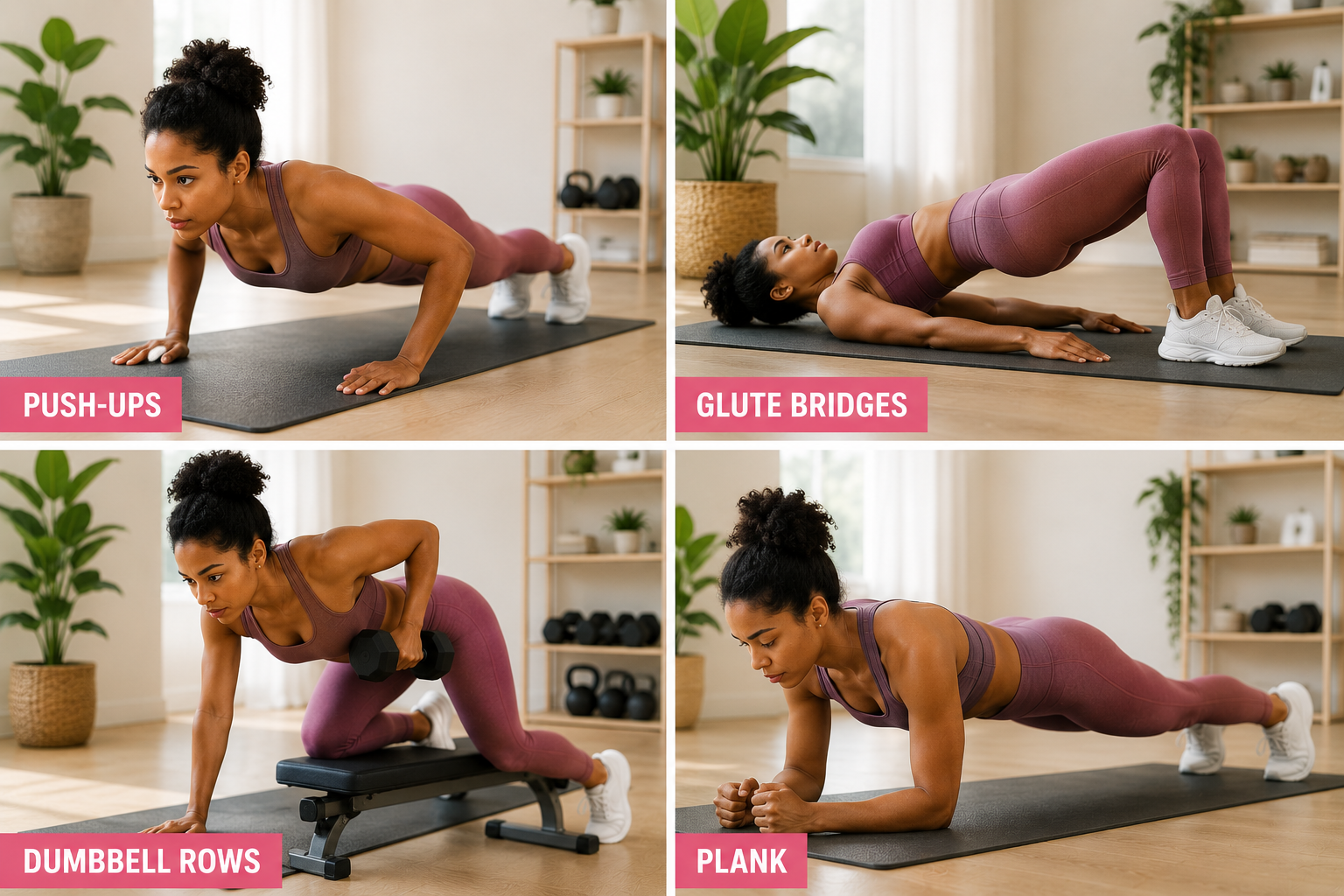
Great Strength Exercises for Women Over 50

  • Squats
  • Wall push-ups
  • Seated shoulder presses
  • Step-ups
  • Glute bridges
  • Resistance band rows

Strength training may help improve:

  • Posture
  • Stability
  • Balance
  • Metabolism
  • Everyday movement

Two to three strength sessions per week can provide excellent results.

Yoga for Flexibility and Stress Relief

Yoga is another excellent exercise option for women over 50 because it combines movement, flexibility, balance, and relaxation.

Yoga may help:

  • Improve flexibility
  • Support posture
  • Reduce stress
  • Increase mobility
  • Improve balance
  • Ease muscle tension

Many women also enjoy yoga because it encourages mindfulness and relaxation, which can help reduce stress and improve emotional well-being.

Gentle forms of yoga, such as beginner yoga or restorative yoga, can be especially beneficial.

Pilates for Core Strength

Pilates focuses heavily on core stability, posture, and controlled movement. It is popular among women over 50 because it is low impact while still strengthening the body.

Pilates may help improve:

  • Abdominal strength
  • Posture
  • Coordination
  • Flexibility
  • Back support
  • Muscle tone

Strong core muscles can help support the spine and reduce the risk of falls or injuries.

Many Pilates exercises can also be modified for beginners.

Swimming and Water Aerobics

Water-based exercise is ideal for women who experience joint discomfort or mobility challenges.

Swimming and water aerobics provide:

  • Cardiovascular exercise
  • Muscle strengthening
  • Resistance training
  • Joint-friendly movement

Because water reduces impact on the joints, many women find aquatic exercise more comfortable than land-based workouts.

Swimming can also improve endurance and support full-body conditioning.

Balance Exercises to Prevent Falls

Balance becomes increasingly important with age because falls can lead to serious injuries.

Simple balance exercises may help improve coordination and stability.

Helpful Balance Exercises

  • Standing on one foot
  • Heel-to-toe walking
  • Tai chi
  • Side leg raises
  • Gentle yoga poses

Practicing balance exercises regularly may help women feel more stable and confident during daily activities.

Stretching for Mobility and Joint Health

Flexibility exercises are often overlooked, but they are essential for maintaining comfortable movement and reducing stiffness.

Stretching may help:

  • Improve range of motion
  • Reduce tightness
  • Support posture
  • Increase mobility
  • Ease muscle discomfort

Good areas to stretch include:

  • Hamstrings
  • Calves
  • Shoulders
  • Chest
  • Hips
  • Lower back

Gentle daily stretching can help the body feel looser and more mobile.

Cycling for Heart Health

Cycling is another low-impact exercise that can support cardiovascular health and leg strength.

Women over 50 may enjoy:

  • Outdoor biking
  • Stationary cycling
  • Recumbent bikes

Cycling can improve:

  • Endurance
  • Leg strength
  • Heart health
  • Stamina

It’s also easier on the joints compared to running.

Dancing for Fun and Fitness

Exercise does not always have to feel like a chore. Dancing is an enjoyable way to stay active while improving coordination and cardiovascular health.

Dance workouts may help:

  • Burn calories
  • Improve mood
  • Enhance balance
  • Increase stamina
  • Reduce stress

Popular options include:

  • Zumba
  • Line dancing
  • Ballroom dancing
  • Aerobic dance classes

Many women find dancing motivating because it feels more social and entertaining.

Creating a Sustainable Routine

One of the biggest mistakes women make is trying to do too much too quickly. Extreme exercise routines can lead to burnout, soreness, or injury.

Instead, focus on consistency over perfection.

Helpful Tips for Staying Consistent

  • Start slowly
  • Choose enjoyable activities
  • Schedule workouts
  • Exercise with friends
  • Celebrate small wins
  • Stay hydrated
  • Listen to your body

A balanced fitness routine may include:

  • Strength training
  • Cardio
  • Flexibility work
  • Balance exercises

The best exercise plan is the one you can maintain long term.

Nutrition and Recovery Matter Too

Exercise works best when paired with proper nutrition and recovery.

Women over 50 should focus on:

  • Protein intake
  • Hydration
  • Fruits and vegetables
  • Healthy fats
  • Sleep quality

Recovery is also important because the body may need more time to repair and recharge after exercise.

Rest days, stretching, and quality sleep all support long-term fitness success.

Mental Health Benefits of Exercise

Exercise benefits the mind just as much as the body.

Regular movement may help:

  • Reduce stress
  • Improve mood
  • Increase confidence
  • Support memory and focus
  • Promote better sleep

Many women report feeling more energized, positive, and mentally clear after staying physically active consistently.

Final Thoughts

Getting older does not mean slowing down completely. In many ways, the years after 50 can become a powerful time to focus on strength, wellness, confidence, and healthy living.

The best exercises for women over 50 are those that support long-term mobility, strength, flexibility, and overall health without placing unnecessary stress on the body.

Walking, strength training, yoga, Pilates, swimming, stretching, cycling, and balance exercises can all help women stay fit and active while supporting healthy aging.

The goal is not perfection. The goal is feeling strong, energized, capable, and healthy enough to enjoy life fully.

By staying consistent and choosing exercises that feel enjoyable and realistic, women over 50 can continue building healthy habits that support both body and mind for years to come.


🍳 High-Protein Creamy Scrambled Eggs

A Comforting High-Protein Breakfast That Loves You Back

Some mornings call for something gentle.
Not complicated. Not heavy. Just nourishing food that helps you feel steady, clear, and cared for.

Scrambled eggs are a timeless comfort meal — warm, simple, familiar. With one small upgrade, they become a high-protein, energy-supportive breakfast that works with your body.

A spoonful of cottage cheese makes the eggs softer and creamier while adding extra protein to help stabilize blood sugar and support steady morning energy.

This is balanced nourishment for real life:

  • Busy mornings
  • Wellness routines
  • Post-workout recovery
  • Slow, peaceful starts

No extremes. No diet culture.
Just simple food that fuels you well.

⏱ Quick Recipe Details

  • Prep Time: 3 minutes
  • Cook Time: 5 minutes
  • Total Time: 8 minutes
  • Servings: 1
  • Difficulty: Easy

🥣 Ingredients

  • 2 whole eggs
  • 1 egg white
  • 1 tablespoon cottage cheese
  • 1/16 teaspoon of salt
  • 1/16 teaspoon of black pepper
  • 1 teaspoon butter or olive oil (for pan)

👩🍳 Instructions

1️ Whisk

Crack the eggs into a bowl.
Add the egg white and cottage cheese.

Add the salt and pepper
Whisk thoroughly until smooth and lightly frothy.

2️ Warm the Pan

Place a nonstick pan over low to medium-low heat.
Add butter or olive oil and allow it to melt gently.

3️ Cook Slowly

Pour in the egg mixture.
Let it sit for 10–15 seconds, then gently push eggs from the edges toward the center using a spatula.
Continue folding slowly as soft curds form.

4️ Remove Early (Secret to Creaminess)

When eggs look soft and slightly glossy, remove from heat.
They will finish cooking from residual warmth.

5️ Serve

Serve immediately for best texture.

🍽 Build a Balanced Plate

Protein Boost

  • Turkey bacon
  • Chicken sausage
  • Smoked salmon

Fiber & Nutrients

  • Sautéed spinach
  • Avocado slices
  • Cherry tomatoes
  • Fresh berries

Smart Carbs

  • Whole-grain toast
  • Roasted sweet potatoes

💪 Why This Meal Supports Energy

  • High protein helps stabilize blood sugar
  • Healthy fats support fullness and focus
  • Soft texture is gentle on digestion
  • Quick to prepare for consistent routines

🔄 Easy Variations

  • Dairy-Free: Skip cottage cheese or use dairy-free alternative
  • Spicy: Add chili flakes or hot sauce
  • Herby: Mix in chives, parsley, or spinach
  • Extra Protein: Add another egg white

🧮 Estimated Nutrition (Base Recipe)

  • Calories: ~220
  • Protein: ~20g
  • Carbs: ~2g
  • Fat: ~15g

(Values vary by brand and portion size.)

✨ Wellness Tip

Pair protein with gentle morning light and hydration for steadier energy and fewer crashes.

Nettle Health Benefits: This Powerful Plant Is Making a Comeback

For centuries, nettle has been used as a natural remedy in wellness practices around the world. While many people know nettle as the plant that can sting your skin when touched, fewer realize that this nutrient-rich herb offered a wide variety of health benefits. Today, nettle is gaining popularity in teas, supplements, powders, and wellness routines because of its impressive nutritional profile and potential support for energy, inflammation, and overall health.

If you have been curious about natural wellness remedies, learning more about nettle could be worthwhile. From supporting healthy iron levels to helping with seasonal allergies, this powerful plant has become a favorite among people looking for more natural ways to support their health.

What Is Nettle?

Nettle, often called stinging nettle, is a leafy green plant scientifically known as Urtica dioica. It grows in many parts of the world including Europe, North America, Asia, and Africa. The plant contains tiny hairs on its leaves and stems that release chemicals when touched, causing a temporary stinging sensation.

Once nettle is cooked, dried, or steeped into tea, the sting disappears, making it safe to consume in many forms. Nettle leaves, roots, and stems have all been used in herbal wellness traditions for generations.

Nutritional Value of Nettle

Nettle is so respected in the wellness world because it contains a variety of nutrients. Nettle is rich in:

  • Iron
  • Calcium
  • Magnesium
  • Potassium
  • Vitamin A
  • Vitamin C
  • Vitamin K
  • Antioxidants
  • Chlorophyll

These nutrients may help support many areas of the body, including immune health, energy production, bone strength, and circulation.

Because nettle contains iron and vitamin C together, some people use it as part of a wellness routine to help support healthy iron levels naturally.

Nettle May Support Energy Levels

Many people struggle with low energy due to stress, poor nutrition, lack of sleep, or demanding lifestyles. Since nettle contains iron, magnesium, and B vitamins, it may help support healthy energy production in the body.

Iron is especially important because it helps transport oxygen through the bloodstream. When iron levels are low, people may feel tired, weak, or sluggish. While nettle is not a replacement for medical treatment, some individuals include nettle tea or supplements in their wellness routine to support overall vitality.

Women, especially those dealing with heavy menstrual cycles, sometimes turn to nettle as a natural source of minerals and nourishment.

Nettle and Inflammation

Another reason nettle has become popular is its potential anti-inflammatory properties. Chronic inflammation has been linked to many health concerns, including joint discomfort, fatigue, and overall wellness challenges.

Nettle contains plant compounds and antioxidants that may help reduce oxidative stress in your body. Some studies suggest nettle may help support joint comfort and mobility, making it popular among individuals looking for natural wellness support.

Many people drink nettle tea regularly as part of a balanced lifestyle focused on reducing inflammation naturally.

Nettle May Help With Seasonal Allergies

One of the most talked-about nettle benefits is its possible ability to help support seasonal allergy relief. Some research suggests nettle may influence histamine activity in the body.

Histamine is a chemical involved in allergy symptoms such as:

  • Sneezing
  • Itchy eyes
  • Runny nose
  • Nasal congestion

Because of this, nettle is often found in natural allergy support supplements and teas. While results vary from person to person, many people enjoy using nettle during allergy season as part of their wellness routine.

Supports Healthy Hair and Skin

Nettle is also becoming increasingly popular in beauty and self-care products. Because it contains antioxidants, silica, sulfur, and vitamins, nettle may help support healthy skin and hair.

Some people use nettle for:

  • Supporting hair growth
  • Reducing oily scalp buildup
  • Promoting shinier hair
  • Supporting clearer-looking skin

Nettle extracts are commonly added to shampoos, conditioners, herbal rinses, and skincare products. Drinking nettle tea may also help nourish the body from within thanks to its vitamin and mineral content.

Nettle May Support Women’s Wellness

Women often experience unique wellness challenges related to hormones, stress, fatigue, and nutritional deficiencies. Nettle has become especially popular among women looking for gentle, plant-based wellness support.

Some women use nettle as part of routines focused on:

  • Supporting energy levels
  • Nourishing the body during menstruation
  • Supporting healthy circulation
  • Maintaining overall wellness

Because nettle contains iron and minerals, it is sometimes used by women who want more nutrient-dense herbal options in their daily routine.

Rich in Antioxidants

Antioxidants help protect the body from oxidative stress caused by free radicals. Over time, oxidative stress may contribute to aging and other health concerns.

Nettle contains antioxidants such as:

  • Polyphenols
  • Carotenoids
  • Vitamin C

These compounds may help support cellular health and overall wellness. Antioxidant-rich foods and herbs are often encouraged as part of a balanced diet focused on long-term health.

Nettle and Blood Sugar Support

Some early studies suggest nettle may help support healthy blood sugar balance already within normal ranges. Researchers are still learning more about how nettle interacts with metabolism and insulin sensitivity.

Although more research is needed, this has increased interest in nettle among people focused on healthy lifestyle habits and metabolic wellness.

It is important for anyone with blood sugar concerns or medical conditions to speak with a healthcare professional before using herbal supplements regularly.

Supports Urinary Health

Traditionally, nettle has also been used to support urinary tract health. Nettle root is commonly found in supplements designed to support healthy urinary function, especially for aging men.

The plant may help encourage healthy fluid balance and support normal urinary flow. Herbal practitioners have used nettle for these purposes for many years.

Ways to Use Nettle

There are several ways people enjoy nettle today. Some of the most common ways include:

Nettle Tea

Nettle tea is one of the easiest and most popular ways to consume nettle. It has an earthy, grassy flavor and can be enjoyed hot or iced.

Nettle Capsules

Capsules and supplements offer a convenient option for those who prefer not to drink herbal teas.

Nettle Powder

Nettle powder can be blended into smoothies, soups, or wellness drinks.

Fresh Nettle

Cooked nettle leaves can be added to soups, pasta dishes, and recipes similarly to spinach.

Possible Side Effects and Precautions

Although nettle is generally considered safe for many people, it may not be suitable for everyone.

Possible side effects may include:

  • Mild stomach upset
  • Skin irritation from fresh leaves
  • Interactions with certain medications

People who are pregnant, breastfeeding, taking blood pressure medication, blood thinners, or diabetes medication should speak with a healthcare professional before using nettle supplements regularly.

Fresh nettle should also be handled carefully because the tiny hairs can irritate the skin.

In conclusion

Nettle is far more than a wild plant growing in fields and forests. This nutrient-rich herb has been valued for generations and continues to attract attention for its potential wellness benefits.

From supporting energy and healthy iron levels to promoting skin, hair, and seasonal wellness, nettle offers a variety of possible health-supporting properties. While it is not a miracle cure, it can be a nourishing addition to a balanced lifestyle focused on overall wellness.

As interest in natural health continues to grow, nettle remains one of the most respected herbs in traditional wellness practices. Whether enjoyed as a tea, supplement, or added to meals, this powerful plant may offer gentle support for those looking to nourish their bodies naturally.


How to Exercise in the Rain: A Complete Guide to Safe and Effective Rainy-Day Workouts

Rainy weather doesn’t have to ruin your fitness routine. In fact, exercising in the rain can feel refreshing, energizing, and even empowering when done safely. Whether you enjoy running, walking, hiking, cycling, or outdoor workouts, learning how to exercise in wet weather can help you stay consistent with your goals no matter what the forecast looks like.

Many people skip workouts as soon as they see dark clouds outside. While there are times when staying indoors is the safest option, light to moderate rain can actually create a peaceful and enjoyable workout environment. The cooler temperatures may help prevent overheating, and rainy weather often creates a calming atmosphere that makes exercise feel less stressful and more therapeutic.

However, rainy workouts do require a few adjustments. Wet pavement, slippery surfaces, reduced visibility, and cold temperatures can increase your risk of injury if you are not prepared properly. The good news is that with the right clothing, mindset, and safety precautions, exercising in the rain can become one of your favorite ways to stay active.

Is It Safe to Exercise in the Rain?

In most cases, yes. Exercising in light or moderate rain is generally safe for healthy individuals. Many athletes, runners, and outdoor fitness enthusiasts continue training in rainy conditions regularly.

However, there are important exceptions. You should avoid outdoor exercise during:

  • Thunderstorms
  • Lightning
  • Heavy winds
  • Flooding
  • Hail
  • Extremely cold temperatures

Lightning is especially dangerous because it can strike even when a storm appears far away. If you hear thunder, it is safest to move indoors immediately.

For normal rainy conditions without dangerous weather warnings, outdoor exercise can usually be done safely with proper preparation.

Benefits of Exercising in the Rain

Cooler Temperatures

One major advantage of rainy weather is that temperatures are often cooler. This may make exercise feel more comfortable compared to hot and humid conditions.

Many people notice they can:

  • Run longer
  • Walk more comfortably
  • Sweat less
  • Feel less overheated

Cooler weather may also help reduce exhaustion during cardio workouts.

Builds Mental Toughness

Sticking to your workout routine even when conditions are less than perfect can strengthen discipline and consistency.

Rainy-day exercise teaches you how to:

  • Stay committed
  • Adapt to challenges
  • Avoid relying on perfect conditions
  • Build healthy habits

Consistency matters more than perfection when it comes to long-term fitness results.

Can Improve Mood

Rainy weather often creates a calm and peaceful environment. Some people find that walking or jogging in the rain helps reduce stress and anxiety.

Exercise itself naturally supports mood by releasing endorphins, and combining movement with fresh outdoor air can feel mentally refreshing.

Less Crowded Outdoor Spaces

Parks, trails, and sidewalks are usually quieter during rainy weather. This can make workouts feel more relaxing and private.

If crowded gyms or busy walking paths feel overwhelming, rainy days may provide a more peaceful fitness experience.

Best Exercises to Do in the Rain

Not every workout works well in wet conditions. Some exercises are safer and more practical than others when the ground is slippery or visibility is reduced.

Here are some of the best rainy-day outdoor workouts:

Walking

Walking is one of the safest and easiest ways to stay active in rainy weather. A brisk walk can improve circulation, support heart health, reduce stress, and help maintain a healthy weight.

Choose sidewalks or paths with good traction and avoid areas with puddles or uneven surfaces.

Jogging or Running

Many runners enjoy rainy-weather runs because the cooler temperatures can feel refreshing. If you choose to run in the rain:

  • Slow down slightly
  • Shorten your stride
  • Watch out for slippery pavement
  • Wear proper running shoes with traction

Do not sprint or do sharp turns on wet surfaces.

Hiking

Light rain can make hiking trails feel peaceful and beautiful. However, muddy terrain can become slippery quickly.

Wear:

  • Waterproof shoes or hiking boots
  • Moisture-wicking clothing
  • A lightweight rain jacket

Avoid steep trails if heavy rain has recently fallen.

Cycling

Cycling in light rain is possible, but it requires extra caution. Roads become slick, brakes may respond slower, and visibility can decrease.

If you bike in rainy conditions:

  • Wear reflective gear
  • Use bike lights
  • Reduce speed
  • Avoid sharp turns

For beginners, indoor cycling may be safer during wet weather.

Outdoor Bodyweight Workouts

You can also do simple outdoor exercises under covered areas like:

  • Park shelters
  • Garages
  • Covered patios
  • Outdoor pavilions

Examples include:

  • Squats
  • Lunges
  • Push-ups
  • Step-ups
  • Core exercises

This allows you to enjoy fresh air while staying partially protected from the rain.

What to Wear When Exercising in the Rain

The right clothing can make a huge difference in comfort and safety.

Wear Moisture-Wicking Fabrics

Avoid cotton whenever possible. Cotton absorbs water and stays wet, which can leave you feeling cold and uncomfortable.

Instead, choose:

  • Polyester blends
  • Athletic performance fabrics
  • Moisture-wicking leggings
  • Quick-dry tops

These materials help pull sweat and moisture away from the body.

Use a Lightweight Rain Jacket

A breathable rain jacket can help protect you without trapping too much heat.

Look for jackets that are:

  • Lightweight
  • Waterproof or water-resistant
  • Breathable
  • Reflective for visibility

Avoid heavy jackets that become uncomfortable when wet.

Choose Proper Footwear

Wet pavement increases the risk of slipping. Shoes with good traction are essential.

Look for:

  • Running shoes with grip
  • Waterproof athletic shoes
  • Trail shoes for muddy surfaces

If your socks get soaked easily, moisture-wicking socks may help reduce discomfort and blisters.

Wear Bright or Reflective Clothing

Rain often reduces visibility for drivers, cyclists, and pedestrians.

Bright colors and reflective gear can help you stay visible, especially:

  • Early in the morning
  • In the evening
  • During cloudy weather

Safety should always come first.

Tips for Staying Safe While Exercising in the Rain

Watch the Forecast

Always check the weather before heading outside. Light rain is very different from severe storms.

Avoid outdoor exercise if there is:

  • Thunder
  • Lightning
  • Flooding
  • Ice
  • Strong winds

Warm Up Properly

Rainy weather can make muscles feel tighter due to cooler temperatures.

Take extra time to:

  • Stretch
  • Walk before running
  • Warm up joints
  • Increase circulation gradually

This may help reduce the risk of strains or injuries.

Stay Hydrated

People often forget to drink water during cooler weather because they sweat less noticeably.

Even in the rain, your body still loses fluids during exercise.

Bring water if you plan to exercise for an extended period.

Protect Your Electronics

If you carry a phone or smartwatch:

  • Use waterproof cases
  • Keep electronics protected
  • Avoid exposing devices to heavy rain

Many fitness watches are water-resistant, but it is still smart to double-check their limits.

Dry Off Quickly After Your Workout

Remaining in wet clothes for too long can leave you feeling chilled.

After exercising:

  • Change into dry clothing
  • Warm up indoors
  • Drink water
  • Stretch gently

A warm shower after a rainy workout can also feel incredibly relaxing.

Rainy-Day Workout Motivation

Sometimes the hardest part about exercising in the rain is simply getting started.

Here are a few ways to stay motivated:

Focus on Consistency

Fitness results come from regular habits over time. One rainy day does not have to interrupt your progress.

Remind yourself:

  • A shorter workout is still valuable
  • Movement matters
  • Progress is built through consistency

Create a Rainy-Day Playlist

Music can make rainy workouts feel more energizing and fun.

Create playlists that help you:

  • Stay motivated
  • Keep pace
  • Enjoy the atmosphere

Many people find rainy workouts surprisingly peaceful with the right music.

Set Small Goals

Instead of committing to a long workout, start small.

Try:

  • 10-minute walk
  • Short jog
  • Quick outdoor circuit

Often, once you begin moving, motivation increases naturally.

Indoor Alternatives for Dangerous Weather

Sometimes outdoor exercise simply is not safe. During severe storms or extreme weather, indoor movement is the better choice.

Indoor rainy-day workout ideas include:

  • Walking workouts
  • Yoga
  • Pilates
  • Dance workouts
  • Home cardio
  • Strength training
  • Treadmill walking
  • Indoor cycling

The goal is to stay active consistently, even when the weather changes.

Final Thoughts

Rain does not have to stop you from exercising. With the right mindset, proper clothing, and attention to safety, rainy-day workouts can become a refreshing part of your fitness routine.

Whether you enjoy walking, jogging, hiking, or outdoor workouts, exercising in light rain can help you stay consistent, reduce stress, and build healthy habits that last long term.

The key is learning how to adapt safely while listening to your body and respecting weather conditions.

Sometimes the most rewarding workouts happen when you push past excuses, step outside, and discover that a little rain is not enough to stop your progress.


Is Menstrual Odor Normal? What Women Should Know

Periods are a normal part of life for most women, but let’s be honest, they can raise a lot of questions. One common thing many people notice is the smell of menstrual blood. You might wonder, “Is this normal?” or “Should I be worried about it?” Sometimes it’s a little uncomfortable to think about, but it’s actually very common, it’s nothing to be ashamed of.

Let’s take a deeper look at why this smell happens and what it means.

What Is Menstrual Odor?

Menstrual odor is the smell that comes from your body when you are having your period. During menstruation, blood and tissue leave your uterus and come out through your vagina. This fluid is not just blood. It also contains tissue from the uterus, cervical mucus, and vaginal secretions.

The vagina is not a sterile place. It has many natural bacteria that live there all the time. These bacteria help keep the vagina healthy. When menstrual blood mixes with this environment, it can change the smell.

Because of this mix, having a smell during your period is normal. The smell usually comes from:

  • Iron in the blood
  • Natural bacteria inside the vagina
  • Sweat and germs on the skin around the vagina

Why Does Menstrual Blood Smell the Way It Does?

It is normal for period blood to have a light smell. The smell can also change during your period. On some days it may be very light, and on other days it may be a bit stronger. This is because your body is changing during your cycle. Take a look at the main reasons behind it below.

  • Blood Has Iron: Menstrual blood comes from tiny blood vessels in the uterus. Blood contains iron. Iron can give blood a slightly metallic smell, like old pennies or a coin. This smell is normal. It does not mean anything is wrong.
  • Bacteria Inside the Vagina: The vagina has many kinds of bacteria living in it. Most of these bacteria are helpful. They help keep things balanced. When blood sits in the vaginal area for a while, it mixes with these bacteria. The bacteria interact with the blood. This can create an odor. This odor is usually mild and normal.
  • Sweat and Skin Odors: There are sweat glands near the vaginal area. When sweat mixes with menstrual blood, it can create a “body odor” smell. This is similar to how your armpits might smell after exercise. This is normal and not a sign of infection.
  • Products Left Too Long: If you leave a pad, tampon, or menstrual cup in too long, menstrual fluid sits against your skin or inside your vagina longer than necessary. This can make the smell stronger. Changing products often can reduce odor.

Normal Menstrual Odors

There are a few smells that many women notice during their period.

  1. Metallic Smell: This is one of the most common period smells. It comes from the iron in your blood. It may smell a bit like coins or metal. This is normal.
  2. Sweet or Slight Sour Smell: Some women notice a sweet or sour smell. This happens when the bacteria in your vagina change slightly as the flow moves through. This smell is usually mild. This is also normal.
  3. Sweaty Smell: If you sweat around your groin during your period, the smell of sweat can mix with menstrual blood. This might make the smell stronger or closer to typical body odor. But this is still normal.

Menstrual Smells That Could Be a Sign of a Problem

Some period smells are not normal, especially if they come with other symptoms. These may be signs that something is wrong, and you may need to see a doctor. These smells can include strong, unusual, or unpleasant odors that are different from your normal period smell.

  1. Fishy Smell: A strong fishy smell is usually not normal during your period. It may be a sign of a vaginal infection, most commonly bacterial vaginosis (BV). This infection happens when the natural balance of bacteria in your vagina is disrupted.

A fishy smell can also be caused by sexually transmitted infections (STIs), such as trichomoniasis. These infections need treatment from a doctor.

You may also notice:

  • Unusual discharge that is gray, green, or yellow
  • Itching around the vagina
  • A burning feeling when you urinate
  • Irritation or discomfort
  1. Rotten or Very Strong Foul Smell: If the smell is very strong and foul, like something rotting, it could mean:
  • A tampon was left inside: Leaving a tampon in for too long can sometimes cause a rare but serious condition called Toxic Shock Syndrome (TSS). If you think a tampon may be stuck or notice a very bad smell, see a doctor immediately.
  • A severe bacterial infection: A very strong foul smell can also be a sign of a serious bacterial infection. It is important to contact a healthcare provider for proper diagnosis and treatment.
  1. Other Unusual Odors: Sometimes your period may have a smell that is different from usual. These changes can be a sign that something needs attention. Check with a doctor if you notice:
  • A very unpleasant or strong smell
  • A smell that gets stronger over time
  • A smell that comes with pain, itching, or irritation

What Can Change Your Period Smell?

Many factors can change how your menstrual flow smells.

  1. Hygiene Habits: If you do not change pads or tampons often, menstrual fluid stays against your skin longer. That can make the smell stronger. Changing products frequently helps keep odor at a minimum.

Different products can affect smell:

  • Pads: If worn too long, fluid stays on the pad and can smell.
  • Tampons: Must be changed often. Leaving them in too long can cause strong smell and infection risk.
  • Menstrual Cups: These collect blood inside the vagina. They should be emptied and rinsed regularly.

2. Diet and Hydration: What you eat and drink can affect your body’s natural smell. Drinking enough water and eating a balanced diet may help keep odors mild.

3. Vaginal pH Level: The vagina has a natural pH balance that keeps healthy bacteria working well. Things that disrupt this balance, like douching or scented products, can lead to bad odors or infections.

4. Sweat and Heat: Hot weather or exercise can make you sweat more. Sweat mixed with blood can make the smell stronger, even if it is not a health problem.

Hygiene and Care Tips to Reduce Menstrual Odor

Good hygiene practices can help reduce menstrual odor and make you feel fresh and comfortable. Here are practical tips:

  1. Change Menstrual Products Often
  • Change pads every 3–4 hours
  • Change tampons every 4–8 hours (never more than 8 hours)
  • Empty and rinse menstrual cups every 4–8 hours. This prevents blood from sitting too long and reduces odor.
  1. Wash Your External Genital Area Gently: Use clean, warm water to wash the outer part of your vagina (vulva). Do not use strong soaps, scented washes, or deodorant sprays. These products can irritate the skin and disrupt the natural bacteria.
  2. Wear Breathable Underwear: Cotton underwear lets air circulate. This helps reduce sweat and odor. Tight synthetic underwear can trap moisture and make smells stronger.
  3. Stay Clean and Dry: After washing, pat dry gently with toilet paper or a clean towel. Moisture left on the skin can make bacterial growth easier, which increases odor.
  4. Avoid Douching: Douching means rinsing the inside of your vagina with water or solutions. This is not recommended. The vagina cleans itself naturally. Douching can kill good bacteria and cause infections.
  5. Avoid Scented Products: Stuff like scented pads, tampons, wipes, or sprays may smell nice, but they can irritate your skin and vagina. That irritation can lead to infections and even stronger odors.
  6. Shower Daily: A daily shower during your period helps you feel clean and can reduce odors caused by sweat and bacteria on the skin.

When to See a Doctor

  • The Smell Is Foul or Fishy
  • You Have Abnormal Discharge
  • You Think You Left a Tampon Inside
  • You Have Pain, Fever, or Unusual Symptoms
  • The Smell Persists After Your Period

Common Infections That May Cause Abnormal Odor

Here are some common causes of abnormal vaginal odor:

  1. Bacterial Vaginosis (BV): BV is the most common vaginal infection in women of reproductive age. It happens when there is a imbalance of bacteria in the vagina. BV is treated with antibiotics.

Symptoms include:

  • Fishy smell
  • Greyish discharge
  • Itching or burning

2. Trichomoniasis: This is a sexually transmitted infection. It also causes a fishy smell, along with:

  • Itching
  • Burning
  • Unusual discharge

3. Yeast Infections: Yeast infections are treated with antifungal medicines. Yeast infections can cause:

  • Thick white discharge
  • Itching and irritation
  • Sometimes a mild smell

4. Toxic Shock Syndrome (TSS): This is rare but serious. It can happen if a tampon is left in too long. TSS is a medical emergency. If you think you have it, seek help right away.

Symptoms include:

  • High fever
  • Vomiting
  • Rash
  • Confusion or dizziness

How Menstrual Odor Changes Over Time

Menstrual odor is not the same for every period or every woman. It is normal for smell to be different from month to month. Mild changes are usually not a sign of trouble. It can change because:

  • Your hormone levels change throughout your cycle
  • You sweat more or less
  • You eat different foods
  • Your activity level changes
  • Your products change (pads, tampons, cups)

Tips for Feeling More Comfortable During Your Period

  • Carry Extra Products: Keep spare pads, tampons, or cup supplies with you. Change them when you need to.
  • Use Panty Liners: If you have a light flow or want extra freshness, panty liners can help reduce odor.
  • Stay Hydrated: Drinking water helps your body flush out toxins and can reduce body odor.
  • Wear Dark Clothing on Heavy Days: Dark clothes make stains less visible and can help you feel more at ease.
  • Take Warm Baths: Warm baths help clean the body and relax muscles. This can make your period feel more comfortable.

Myths About Period Smell

There are many myths about period odor. Let’s clear some up:

Myth: Period smell means you are dirty.

Not true. Menstrual odor is mostly natural. Your body is working normally. Washing daily and changing products often helps with smell.

Myth: Only bad hygiene causes odor.

While hygiene affects smell, even clean bodies can have menstrual odor. The smell comes from blood and bacteria mixing, not from being unclean.

Myth: All strong odors mean infection.

Not always. Strong odor can happen if a pad or tampon was left too long, or if you sweated a lot. But if the smell stays strong and comes with other symptoms, see a doctor.

Final Thoughts

Menstrual odor is a very normal part of having a period. Most smells like metallic, mild sour, or light body odor are nothing to worry about. They are caused by natural processes in your body.

However, if the smell is strong, fishy, or foul, especially with other symptoms like unusual discharge, itching, burning, or pain, it could mean an infection or another issue. In those cases, it is important to speak with a healthcare professional.

Remember, there is no need to feel embarrassed about discussing menstrual health. Taking care of your body and seeking help when needed is a normal and important part of staying healthy.

FAQs

Q1. Can the smell of my period change during my cycle?

A: Yes. Hormone levels change throughout your period, and this can affect how menstrual blood smells. Some days it may be metallic, other days slightly sweet or sour. These changes are usually normal.

Q2. Why does my period sometimes smell like sweat?

A: Sweat glands near the vaginal area can mix with menstrual blood. When this happens, your period may have a mild “body odor” smell, similar to how your armpits smell after exercise. This is normal and harmless.

Q3. Can a menstrual cup affect odor?

A: Menstrual cups collect blood inside the vagina, so if they are emptied and cleaned regularly, they usually don’t cause strong smells. If left too long, odor may develop, just like with tampons or pads.

Q4. Does age or pregnancy affect period smell?

A: Yes. Younger people or those approaching menopause may notice different odors due to hormone changes. During pregnancy, you don’t have periods, but vaginal discharge may have a new smell because of bacterial changes.

Q5. Can infections make my period smell different even if I feel fine?

A: Yes. Some infections, like bacterial vaginosis or mild yeast infections, can cause unusual odors even without pain or itching. It’s a good idea to see a healthcare provider if the smell suddenly changes or becomes very strong.


Why You’re Always Tired as a Woman (It’s Not Just Sleep)

I often feel tired even after getting a full night’s sleep, and I wonder why this is happening. Feeling tired all the time is something many women quietly struggle with. We may sleep for 7 to 8 hours, try to eat well, and still wake up feeling drained. By the afternoon, our energy drops, and even small tasks start to feel difficult.

If this sounds familiar, you are not alone. Constant fatigue in women is very common, and it is rarely just about sleep. There are many hidden reasons behind it. Understanding the real cause is the first step to getting your energy back.

Let’s take a closer look at why we feel tired all the time and what we can do to feel better.

Fatigue vs Normal Tiredness

Before going deeper, it is important to know the difference between normal tiredness and fatigue.

Normal tiredness

●        Happens after a busy day or poor sleep

●        Improves after rest

●        Temporary

Fatigue

●        Feels constant and long-lasting

●        Does not improve much after rest

●        Affects your daily life

●        Often comes with brain fog, low motivation, or weakness

If you feel tired most days, even after resting, it is more than normal tiredness. Your body is telling you something.

Why Women Feel More Tired Than Men

Before we look at each reason in detail, it is important to understand that women’s fatigue is often caused by a mix of physical, emotional, and social factors. These everyday challenges can slowly affect energy levels over time.

  • Hormonal changes throughout life
  • Monthly blood loss during periods
  • Higher rates of iron deficiency
  • More autoimmune conditions
  • Greater emotional and mental load
  • Social pressure to manage work, family, and relationships

Common Reasons Why Women Feel Low on Energy

1.     Hormonal Imbalances and Life Stages

Hormones are chemical messengers that control many important functions in your body, including energy, mood, sleep, and metabolism. When your hormones are not balanced, your body does not work smoothly, and one of the first signs you may notice is constant tiredness. Women go through many natural hormonal changes during life, and each stage can affect energy levels in different ways.

  1. Menstrual Cycle and PMS: Many women feel more tired before or during their periods. This is because hormone levels rise and fall throughout the cycle, especially before menstruation. These changes can affect your energy level, mood, and sleep. At the same time, the body loses blood during periods, which can lower iron levels. Low iron means less oxygen is carried to your body, making you feel weak and exhausted. Mood swings, cramps, and discomfort can also drain your energy. If your periods are heavy, this tiredness can become more serious over time.
  2. Perimenopause and Menopause: As women get older, the body slowly produces less estrogen and progesterone. This stage is called perimenopause, and it leads to menopause. These hormonal changes can disturb your sleep and affect how your body manages energy. Many women experience night sweats and hot flashes, which can wake them up many times during the night. Even if you stay in bed for enough hours, your sleep may not be deep or restful. This can leave you feeling tired, slow, and low on energy during the day.
  3. Thyroid Problems: The thyroid is a small gland that controls how your body uses energy. If it becomes underactive, a condition called hypothyroidism, your body slows down. This can cause constant tiredness, even after rest. You may also notice weight gain, feeling cold, and low mood. Thyroid problems are more common in women, which makes them an important cause of fatigue.
  4. PCOS (Polycystic Ovary Syndrome): PCOS is a common hormonal condition that can affect energy levels. It can cause problems with how your body uses insulin, leading to changes in blood sugar. These changes can make your energy rise and fall quickly, leaving you feeling tired. PCOS can also affect sleep and mood, which can increase fatigue.
  5. Postpartum Changes: After childbirth, hormone levels drop quickly. At the same time, caring for a newborn often means less sleep and more stress. These changes can lead to long-lasting tiredness. Recovery takes time, and it is normal to feel low on energy during this period.

2.     Nutritional Deficiencies That Drain Energy

Even if you eat enough food, your body may still be missing important nutrients. This is sometimes called hidden hunger. When your body does not get the vitamins and minerals it needs, it cannot produce energy properly, which can leave you feeling tired all the time.

  1. Iron Deficiency (Anemia): Iron is very important because it helps carry oxygen in your blood. When your iron levels are low, your body does not get enough oxygen, which leads to tiredness and weakness. Many women have low iron because of monthly blood loss during periods, especially if their periods are heavy. As a result, they may feel exhausted even after rest and may also notice dizziness, pale skin, or shortness of breath.
  2. Vitamin B12 Deficiency: Vitamin B12 plays an important role in keeping your nerves healthy and helping your body produce energy. When your B12 levels are low, you may feel very tired and weak. It can also affect your thinking, causing brain fog or difficulty concentrating. Some people may even feel tingling in their hands and feet. Vegetarians and vegans are more at risk because B12 is mainly found in animal-based foods.
  3. Vitamin D Deficiency: Vitamin D is important for your energy, mood, and muscle strength. When your body does not get enough vitamin D, you may feel tired, weak, or low in mood. Many women have low vitamin D because they do not get enough sunlight, which is needed for the body to produce this vitamin. This can lead to ongoing fatigue and body aches.
  4. Magnesium Deficiency: Magnesium is a mineral that helps your body produce energy and supports healthy muscles and sleep. If your magnesium levels are low, you may feel tired, have muscle cramps, or struggle with poor sleep. Since good sleep is important for energy, low magnesium can make fatigue worse over time.

3.     Chronic Stress and Mental Health

Fatigue is not always physical. Your mind can also become tired. When your brain is constantly busy with stress, worries, and responsibilities, it uses a lot of energy. This can leave you feeling drained, even if your body has rested.

  1. High Stress Levels: Stress is a normal part of life, but when it continues for a long time, it can affect your energy. Your body releases a hormone called cortisol, when you are stressed. In small amounts, it can help you stay alert, but when stress lasts for a long time, it can disturb your sleep and keep your body in a constant state of tension. This can lead to burnout, poor sleep, and feeling tired all the time.
  2. Depression and Anxiety: Mental health conditions like depression and anxiety often affect your body as well as your mind. You may feel tired all the time, even if you have not done much physically. It can also make you feel unmotivated, mentally drained, and unable to focus. Sometimes, people do not feel very sad but still feel constantly tired. This may be a sign that your mental health needs attention.
  3. Decision Fatigue and Mental Load: Another hidden cause of tiredness is mental overload. Every day, you make many small and big decisions, from planning meals to managing work and family responsibilities. This constant thinking uses a lot of mental energy. Over time, your brain becomes tired, a condition known as decision fatigue. By the end of the day, even simple choices can feel difficult, and you may feel completely drained.

4.     Emotional Labor

Many women carry emotional responsibilities that are not always seen or appreciated. This kind of work is not physical, but it still uses a lot of mental and emotional energy. Even though it is invisible, it can leave you feeling exhausted.

  1. Caring for Family Members: Looking after children, partners, or aging relatives takes constant attention and energy. Even small daily tasks, like planning meals or keeping everyone on schedule, can build up and cause fatigue over time.
  2. Remembering Important Dates: Keeping track of birthdays, anniversaries, appointments, and other important events may seem minor, but remembering and planning for them adds to your mental load.
  3. Supporting Friends Emotionally: Being there for friends during tough times; listening, giving advice, or helping them solve problems, requires emotional energy. Doing this repeatedly can be draining, even if it doesn’t feel physically tiring.
  4. Managing Social Situations: Handling social interactions, smoothing conflicts, or keeping gatherings organized can be exhausting. Constantly monitoring moods, reactions, and relationships adds to stress and fatigue, even when you are just “being polite.”

5.     Poor Sleep Quality (Even If You Sleep Enough)

Sleeping for 7–8 hours does not always mean your body is fully rested. Poor sleep quality can leave you feeling tired all day, even if you spend enough time in bed. Stress, hormonal changes, using screens before bed, or a noisy or uncomfortable environment can all affect how deeply you sleep.

  1. Sleep Disorders: Some conditions affect sleep without you realizing it. These can make you feel exhausted even after a full night of rest.
  2. Sleep Apnea: Sleep apnea causes brief pauses in breathing during sleep. Common signs include snoring, waking up feeling tired, and morning headaches. Women are often undiagnosed because their symptoms can be subtle or mistaken for normal fatigue.
  3. Insomnia: Insomnia makes it hard to fall asleep or stay asleep. Even if you get enough hours in bed, interrupted or restless sleep can leave you feeling drained and fatigued throughout the day.

6.     Underlying Medical Conditions

Sometimes feeling tired all the time is not just about lifestyle—it can be a sign of a deeper health issue. Certain medical conditions are more common in women and can cause ongoing fatigue.

  1. Autoimmune Diseases: Autoimmune conditions, like lupus and rheumatoid arthritis, occur when the body’s immune system attacks its own tissues. These conditions can cause chronic inflammation, pain, and extreme tiredness that does not go away with rest.
  2. Heart Disease: Fatigue is one of the most common early signs of heart problems in women. Many women mistakenly assume it is just stress or normal tiredness, which can delay diagnosis and treatment.
  3. Chronic Fatigue Syndrome: Chronic Fatigue Syndrome (CFS) causes long-lasting fatigue that does not improve with sleep or rest. People with CFS often feel exhausted after even small tasks, making daily life very challenging.

7.     Lifestyle Habits That Drain Your Energy

The way you live day to day has a big impact on your energy levels. Simple habits can either help you feel energized or leave you feeling constantly tired.

  1. Lack of Physical Activity: It may seem strange, but not moving enough can make fatigue worse. Even light exercise, like walking or stretching, improves blood flow, helps deliver oxygen to your muscles and brain, and boosts overall energy.
  2. Poor Diet: Eating too much sugar, processed foods, or skipping meals can lead to energy crashes. Unhealthy eating affects blood sugar levels and can leave you feeling low on energy throughout the day.
  3. Too Much Caffeine: Caffeine can give a temporary boost, but relying on it too much can disrupt sleep, cause energy crashes, and even increase anxiety. Over time, it can make fatigue worse instead of better.
  4. Dehydration: Even mild dehydration can reduce your energy, make it harder to concentrate, and cause headaches. Drinking enough water throughout the day is important to keep your body and mind functioning well.

8.     Weight and Metabolism

Body weight and metabolism play an important role in how energetic you feel. Being overweight can increase the risk of sleep apnea, which disrupts rest and causes daytime tiredness. It can also affect hormones, leading to imbalances that lower energy. Maintaining a healthy weight through balanced eating and regular activity can help improve sleep quality, support hormone balance, and boost overall energy levels.

9.     Medications and Health Treatments

Some medications and health treatments can make you feel tired as a side effect. Common examples include antidepressants, blood pressure medications, and hormonal treatments. If you notice increased fatigue after starting a new medicine, it’s important to talk with your doctor. They can help adjust your treatment or suggest ways to manage the tiredness.

10. Chronic Illnesses and Long-Term Health Conditions

Ongoing health conditions can silently drain your energy, even if they don’t seem directly related to tiredness.

  1. Diabetes: Diabetes affects how your body uses blood sugar for energy. High or low blood sugar levels can leave you feeling weak, sluggish, and unable to focus. Fatigue is a common symptom, even if you are following your usual routine.
  2. Kidney Disease: When the kidneys are not working well, toxins build up in the body. This can cause tiredness, weakness, and a lack of motivation. Even small daily tasks may feel exhausting for people with kidney problems.
  3. Respiratory Conditions: Conditions like asthma or chronic bronchitis reduce the amount of oxygen reaching your body. When your muscles and organs do not get enough oxygen, you feel drained and short of breath, making normal activities more tiring.

When Should You See a Doctor?

Feeling tired occasionally is normal, but constant fatigue is not.

You should seek medical advice if you have:

  • Fatigue lasting more than a few weeks
  • Trouble focusing or working
  • Heavy or irregular periods
  • Unexplained weight changes
  • Mood changes or depression
  • Poor sleep that does not improve

Your doctor may suggest tests such as:

  • Blood tests for iron, vitamin B12, and vitamin D
  • Thyroid function tests
  • Hormone levels
  • Screening for mental health

Simple Ways to Improve Your Energy

While treating the root cause is important, small daily changes can help you feel better.

  1. Improve Sleep Quality
  • Keep a regular sleep schedule
  • Avoid screens before bed
  • Create a calm bedtime routine

       2. Eat Balanced Meals: Avoid too much sugar and processed food.

Focus on:

  • Protein
  • Healthy fats
  • Fruits and vegetables
  1. Stay Hydrated: Drink water regularly throughout the day.
  2. Move Your Body: Even light exercise like walking can boost energy.
  3. Manage Stress

Try:

  • Deep breathing
  • Journaling
  • Talking to someone you trust
  1. Set Boundaries: Protect your energy by saying no when needed.
  2. Reduce Mental Overload
  • Plan your day in advance
  • Simplify routines
  • Avoid overthinking small decisions

Final Thoughts

If you feel tired all the time, you should not ignore it or think it is normal. Your body is sending signals, and constant exhaustion is one of them. For many women, being tired is not just about sleep. It can happen because of hormones, nutrition, mental stress, health conditions, and daily habits. Once you understand the reason behind your fatigue, you can take steps to improve your energy and feel like yourself again.

Don’t be afraid to seek help when you need it. Your energy is important, and you deserve to feel well every day.

FAQs

Q1. Can my daily decisions actually drain my energy?
A:
Yes. Constantly making choices—from what to wear to how to manage work and home—can tire your brain. This is called decision fatigue, and it can make you feel exhausted even before the day ends.

Q2. Does my body remember past stress?
A:
It does. Long-term or repeated stress can keep your nervous system in “high alert,” which drains energy over time. Even if things seem calm now, your body may still feel tired from past stress.

Q3. Can light movement really help me feel less tired?
A:
Surprisingly, yes. Gentle exercise like walking or stretching increases blood flow and oxygen delivery. This helps your body make energy more efficiently, reducing fatigue even if you feel too tired to start.

Q4. Is invisible emotional work making me exhausted?
A:
Absolutely. Caring for others, managing social situations, and keeping track of people’s needs can consume energy without you noticing. This “invisible labor” adds to fatigue just like physical work does.

Q5. Can minor nutrient imbalances make a huge difference?
A:
Yes. Even small deficiencies in magnesium, vitamin D, or B12 can make you feel drained, weak, or foggy. You might eat enough food, but your body may still lack the exact nutrients it needs for energy.