

If you or someone you know had cancer before, then it’s important to know the potential health concerns from cancer and its treatment. Often people diagnosed with cancer do not remember consultations during the days after they were diagnose about problems such as depression, pain, infertility, and other physical and emotional changes. Whether the problems are permanent or temporary, most of them can be managed.
According to Pamela J. Haylock, MA, RN, “the late effects of the treatment of cancer and cancer itself for survivors diagnosed as adults remain inadequately documented. Up to 75 percent of survivors have some health discrepancies related to cancers and therapies. Being knowledgeable about the risks and learning and utilizing risk reducing strategies are crucial steps in survivor’s recovery.”
Below is some advice recommended by nurses:
*participate in stress management, regular exercise, a healthy diet, and weight management to live a healthy lifestyle.
* Schedule regular doctor appointments
*Ask your oncology specialist for a written report on your cancer diagnosis, tests, treatments, and recommendations for follow ups once treatment is done. Create a file or folder to organize and manage laboratory and diagnostic reports. You can give this folder to your doctor so they can make a copy for their records.
*Talk with your doctor about possible long term effects of your cancer therapy and ways to minimize or prevent them. Effects may differ from person to person, therefore make sure you educate yourself and find out more about your body.
*Tell your doctor about your previous cancer history, treatment, current medications and long term affects you may experience, including early menopause, infertility, dry mouth, indigestion, taste changes, diarrhea, constipation, fatigue, sleep issues, memory loss, dry skin, vision problems, hearing problems, depression, anxiety, sexuality/relationship issues, pain, confidence issues, or numbness or swelling in the fingers and toes.
*Search for information that will assist with emotional, physical, or financial issues that may come up.
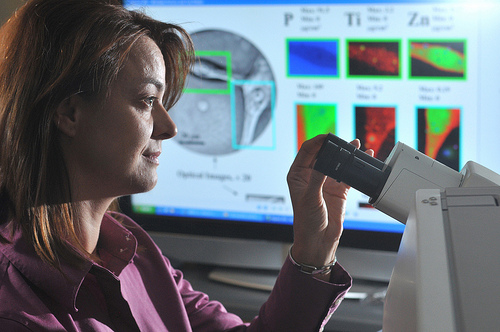
Top photo credit: Treating Cancer with Nano-bio Technology by Argonne National Laboratory
In text photo credit: Cancer Institute of Columbia. By PAHO/WHO