



A personalized approach can make healthy eating more realistic, sustainable, and easier to follow.
A healthy diet doesn’t look exactly the same for every woman.
Your age, height, weight, activity level, goals, schedule, food preferences, budget, cultural background, and overall lifestyle can all influence what makes an eating plan practical and sustainable.
That’s why a diet plan that works well for one woman may feel completely unrealistic for another.
Instead of asking, “What is the best diet for women?”, a better question is:
“What eating plan can I realistically follow based on my goals, lifestyle, preferences, and nutritional needs?”
A personalized diet plan starts there.
It isn’t necessarily about eating unusual foods, following complicated rules, or eliminating entire food groups. It is about creating a structured approach that fits your real life.
What Is a Personalized Diet Plan?
A personalized diet plan is an eating strategy created around an individual’s goals, preferences, lifestyle, activity level, and nutritional needs rather than relying entirely on a generic meal plan.
A personalized plan may take into account:
- Your health and wellness goals
- Current eating habits
- Activity level
- Food preferences
- Foods you dislike
- Food allergies or intolerances
- Work schedule
- Meal-preparation habits
- Dining-out habits
- Budget
- Fitness routine
- Current starting point
- Desired outcomes
For example, a woman who works twelve-hour shifts may need a different meal structure from someone who works from home.
A beginner who wants to start exercising may also need a different plan from an experienced athlete.
Personalization allows the plan to fit the person instead of forcing the person to fit the plan.
Why Generic Diet Plans Don’t Work for Everyone
Generic diet plans can provide useful ideas, but they often make assumptions about your life.
A generic plan may assume that you:
- Like all the foods listed
- Have time to cook every day
- Have access to a kitchen
- Eat meals at traditional times
- Enjoy the suggested workouts
- Have no food allergies or intolerances
- Have the same calorie needs as everyone else following the plan
- Have the same goals as everyone else
That can become frustrating.
Imagine receiving a meal plan filled with foods you don’t enjoy. Or being told to cook elaborate meals every evening when you work long hours. Or following a workout schedule that includes exercises you hate.
The problem isn’t necessarily that the plan is unhealthy.
The problem is that it wasn’t designed for you.
A good personalized approach should account for your circumstances and make healthy habits more realistic.
Ready for a plan built around your life?
You don’t have to spend hours trying to create everything yourself.
Explore Our Custom Diet & Fitness Plans
Our customized 30-day plans are designed around the information you provide about your goals, schedule, food preferences, activity level, and lifestyle.
Step 1: Define Your Goal
Before choosing meals, decide what you are actually trying to accomplish.
Your goal might be:
- Weight management
- Gradual weight loss
- Supporting muscle maintenance
- Improving overall diet quality
- Increasing protein intake
- Improving meal consistency
- Supporting physical performance
- Eating more fruits and vegetables
- Building healthier long-term habits
Your goal helps determine the structure of the plan.
For example, someone who wants to improve overall diet quality may need a different approach from someone whose primary goal is gradual weight loss.
Your goal should be specific enough to guide your choices without turning your eating plan into an all-or-nothing challenge.
Step 2: Understand Your Starting Point
Before changing everything at once, take a realistic look at what you’re doing now.
For several days, consider paying attention to:
- What you eat and drink
- When you usually eat
- How hungry you feel
- How often you snack
- How frequently you eat away from home
- How much water you drink
- How active you are
- How much you sleep
You don’t need to become obsessed with tracking.
The purpose is simply to recognize patterns.
Maybe your biggest challenge isn’t a lack of nutritional knowledge.
Maybe your real problem is:
“I don’t have anything ready after work.”
Or:
“I skip meals and become extremely hungry later.”
Or:
“I don’t know what to cook.”
Those details matter because they help you build a plan that solves the actual problem.
Step 3: Consider Your Daily Schedule
A personalized diet plan should fit your life as much as reasonably possible.
Ask yourself:
What time do I wake up?
What time do I work?
When do I normally get hungry?
How much time do I have to prepare food?
Do I work nights or weekends?
Do I travel frequently?
Do I have access to a refrigerator or microwave at work?
These questions can completely change what a practical plan looks like.
A woman working a long shift may need portable meals, quick recipes, or meals that can be prepared ahead.
Someone who works from home may have more flexibility to cook.
Someone who works overnight may have a schedule that doesn’t resemble the traditional breakfast-lunch-dinner routine.
The goal isn’t to find a perfect meal schedule.
The goal is to create a structure that works with your actual life.
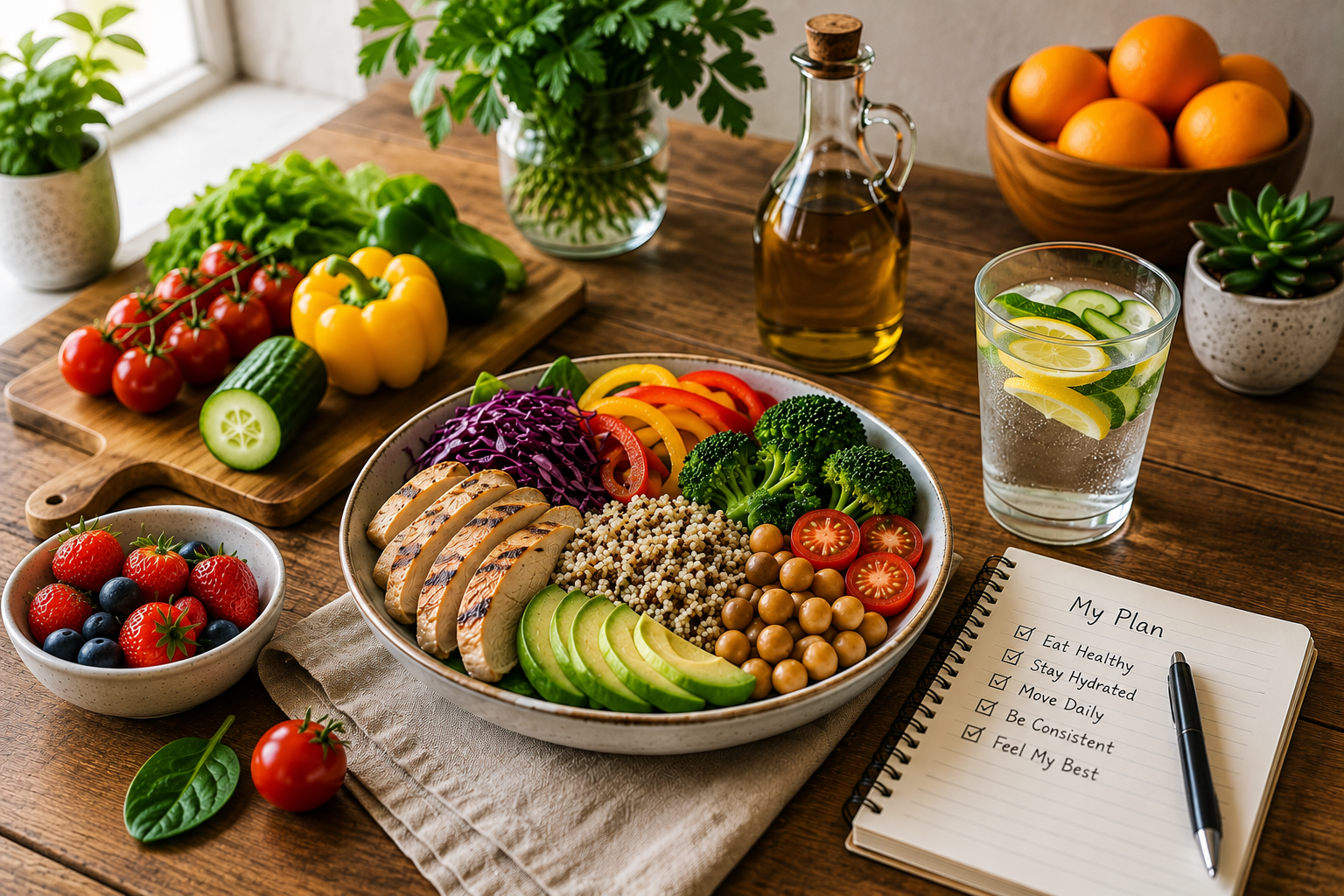
Step 4: Build Meals Around Nutrient-Dense Foods
A personalized diet should still be built on sound nutrition principles.
A useful starting point is to include a variety of nutrient-dense foods, such as:
- Protein foods
- Vegetables
- Fruits
- Whole grains and other high-fiber carbohydrates
- Healthy fats
- Dairy or fortified alternatives
If you’re unsure which foods to keep in your kitchen, read our guide Foods to Buy for Healthy Eating for practical grocery-shopping ideas and nutritious staples.
You can also learn more about building a balanced eating pattern in Healthy Diet for Women to Stay Fit.
Protein
Examples include:
- Eggs
- Chicken
- Turkey
- Fish
- Seafood
- Greek yogurt
- Cottage cheese
- Beans
- Lentils
- Tofu
- Tempeh
Fruits and vegetables
Choose a variety of colors and types.
Examples include:
- Berries
- Apples
- Bananas
- Oranges
- Spinach
- Broccoli
- Bell peppers
- Tomatoes
- Carrots
- Sweet potatoes
High-fiber carbohydrates
Examples include:
- Oats
- Brown rice
- Quinoa
- Potatoes
- Whole-grain bread
- Whole-grain pasta
- Beans
- Lentils
Healthy fats
Examples include:
- Avocado
- Olive oil
- Nuts
- Seeds
- Nut or seed butters
- Fatty fish
The exact foods and portions should be adapted to your individual circumstances.
Step 5: Include Foods You Actually Like
This is one of the most important parts of personalization.
If your meal plan contains foods you hate, it may become difficult to follow.
Instead, identify foods you genuinely enjoy.
Maybe you love:
- Seafood
- Southern-inspired meals
- Italian food
- Smoothies
- Fruit
- Spicy foods
- Rice dishes
- Pasta
- Breakfast foods
Healthy eating doesn’t require abandoning every familiar food.
A personalized plan can help you create balanced meals around foods you enjoy while still supporting your goals.
This can make healthy eating feel more like your lifestyle and less like a temporary diet.
Step 6: Account for Foods You Can’t Eat
A personalized plan should clearly distinguish between foods you simply don’t like and foods that aren’t safe for you.
Food allergies and intolerances need particular attention.
If you have a diagnosed food allergy, don’t simply substitute foods without understanding the allergen and possible cross-contact risks.
A qualified healthcare professional or registered dietitian can help you determine how to avoid allergens while maintaining adequate nutrition.
Your dislikes matter too.
If you hate a particular food, there’s usually no reason to force it into your plan when another nutritious option can serve a similar purpose.
Step 7: Decide How Many Meals Make Sense for You
There isn’t one universally correct number of meals per day.
Some women prefer three meals.
Others prefer three meals and one or two snacks.
Others naturally eat fewer meals.
Your appetite, schedule, goals, preferences, culture, and routine can influence what works best.
Instead of becoming overly focused on whether you “should” eat three, four, or five times a day, concentrate on creating a pattern that helps you meet your nutritional needs and maintain a manageable routine.
The most useful schedule is usually the one you can maintain consistently.
Step 8: Consider Protein Throughout the Day
Protein is an important part of a balanced diet because it provides amino acids needed for many body functions and supports muscle maintenance.
Good protein sources include:
- Fish
- Poultry
- Lean meats
- Eggs
- Beans
- Lentils
- Soy foods
- Greek yogurt
- Cottage cheese
- Nuts and seeds
Rather than thinking only about a daily total, consider how protein fits into your actual meals.
For example:
Breakfast: Eggs + whole-grain toast + fruit
Lunch: Chicken + brown rice + vegetables
Snack: Greek yogurt + berries
Dinner: Salmon + sweet potato + broccoli
Your personal protein needs vary based on factors such as body size, activity, age, goals, and overall dietary pattern.
Step 9: Think About Portions and Energy Needs
Personalization also means considering how much food you need.
Energy requirements can vary based on factors including age, sex, height, weight, and physical activity.
That means two women can eat similar foods while needing different portions.
This is one reason copying someone else’s meal plan isn’t necessarily appropriate for you.
A personalized approach may consider:
- Estimated calorie needs
- Protein needs
- Activity level
- Weight-management goals
- Hunger and fullness
- Food preferences
- Progress over time
Calories can be useful for certain goals, but nutrition is about more than one number.
Food quality, nutrient intake, activity, sleep, stress, and consistency all matter.
Step 10: Include Physical Activity
Nutrition and physical activity work together.
Regular physical activity can support cardiovascular health, muscle strength, bone health, sleep, mood, and weight management.
Adults are generally encouraged to include both aerobic activity and muscle-strengthening activity, although the appropriate routine varies from person to person.
Your workout program should reflect your experience level.
A beginner does not need the same program as an experienced athlete.
Your available equipment matters too.
If you only have dumbbells at home, your plan should work with dumbbells.
If you enjoy walking but dislike running, walking can still be a valuable part of your routine.
A personalized diet and fitness plan should make exercise feel more realistic, not more intimidating.
Step 11: Plan Around Your Real Obstacles
This is where personalization can become especially useful.
Ask yourself:
What usually causes me to quit?
Maybe it’s:
- Lack of time
- Stress
- Eating out
- Cravings
- Boredom
- Lack of meal planning
- Work
- Travel
- Family responsibilities
- Not knowing what to cook
Then create strategies around those obstacles.
Problem:
“I work long hours.”
Possible approach:
Choose simple meals, portable foods, and a realistic meal schedule.
Problem:
“I never know what to cook.”
Possible approach:
Create a rotating list of easy breakfast, lunch, and dinner options.
Problem:
“I eat whatever is available when I’m stressed.”
Possible approach:
Keep convenient, nutritious foods available so the easiest choice can also be a supportive one.
Stress can affect your eating habits and overall well-being. However, stress-related symptoms don’t automatically mean that you have a medical cortisol disorder. For a deeper explanation, read What Causes High Cortisol? Understanding Stress, Hormones, and Cortisol Imbalance.
Healthy eating often becomes easier when your environment and routine support your goals.
Step 12: Create a Grocery List
A personalized plan should make grocery shopping easier, not more confusing.
Once you know which meals you plan to eat, create a corresponding grocery list.
For example:
Protein
Chicken
Eggs
Greek yogurt
Salmon
Produce
Broccoli
Spinach
Strawberries
Bananas
Carbohydrates
Oats
Brown rice
Sweet potatoes
Healthy fats
Avocado
Olive oil
Almonds
Planning your meals before grocery shopping can help organize your week and reduce unnecessary purchases.
For more ideas, explore Foods to Buy for Healthy Eating.
Need help turning your grocery list into an entire plan?
Our Custom Diet & Fitness Plans are designed to organize your nutrition and fitness strategy around your individual goals, schedule, preferences, and lifestyle.
Step 13: Leave Room for Real Life
A personalized diet should not require perfection.
There will be:
- Birthdays
- Restaurants
- Vacations
- Busy workdays
- Holidays
- Unexpected schedule changes
- Days when you don’t feel like cooking
A plan that falls apart the moment real life happens isn’t very practical.
Instead, build flexibility into your routine.
That could mean having:
- At-home meals
- Quick meals
- Restaurant options
- Simple substitutions
- Portable snacks
The goal is to develop a healthy pattern you can continue using even when life isn’t perfect.
Step 14: Review and Adjust
A personalized diet plan isn’t necessarily something you create once and never revisit.
Your circumstances may change.
Your activity level may increase.
Your work schedule may change.
Your food preferences may evolve.
You may discover that a particular meal isn’t practical.
You may need different portions.
Periodically ask:
What’s working?
What’s difficult?
What am I consistently skipping?
What can be simplified?
What foods do I actually enjoy?
The most useful plan is the one you can actually follow.
Personalized Doesn’t Mean Complicated
A personalized diet plan doesn’t need exotic ingredients, complicated recipes, or dozens of rules.
Sometimes personalization simply means:
You hate cooking? Build around simple meals.
You work long hours? Make the schedule realistic.
You don’t like certain foods? Substitute them.
You eat out frequently? Include restaurant strategies.
You’re a beginner? Keep the fitness plan approachable.
You enjoy certain cultural foods? Find practical ways to incorporate them into balanced meals.
That’s what makes personalization useful.
When You May Want Professional Guidance
Some women have nutritional or medical circumstances that require individualized professional care.
If you’re pregnant or breastfeeding, have a diagnosed medical condition, take medication that affects nutrition or exercise, have a history of an eating disorder, or have significant food allergies, speak with an appropriately qualified healthcare professional before making major changes to your diet or exercise routine.
A personalized wellness plan should complement appropriate medical care—not replace it.
How Our Custom Diet & Fitness Plans Work
You don’t have to spend hours trying to create your own plan from scratch.
At Women Health and Diet, our customized diet and fitness plans are designed around the information you provide about your goals, lifestyle, schedule, food preferences, activity level, and fitness experience.
Here’s how it works:
1. Complete the intake
Tell us about your goals, lifestyle, schedule, food preferences, and fitness experience.
2. Your information is reviewed
Your responses help determine what type of structure may fit your circumstances.
3. Your customized plan is created
Your plan is developed around the information you provide rather than simply giving you a generic template.
4. Receive your plan
Your customized plan is delivered according to the current service timeframe listed on our sales page.
Ready for a Plan Built Around You?
You can continue researching healthy eating on your own, or you can start with a structured plan designed around your individual goals and lifestyle.
GET YOUR CUSTOM 30-DAY DIET + FITNESS PLAN →
Final Thoughts
There is no single diet that is perfect for every woman.
A healthy eating pattern should provide the nutrients your body needs while also fitting into your daily life.
The best plan considers more than calories.
It considers your:
Goals.
Schedule.
Food preferences.
Activity level.
Cooking habits.
Obstacles.
Ability to stay consistent.
Healthy eating becomes much easier when you stop trying to follow someone else’s plan and start creating a strategy that makes sense for your life.
You don’t need another generic diet sitting in your bookmarks.
You need a plan you can actually live with.