
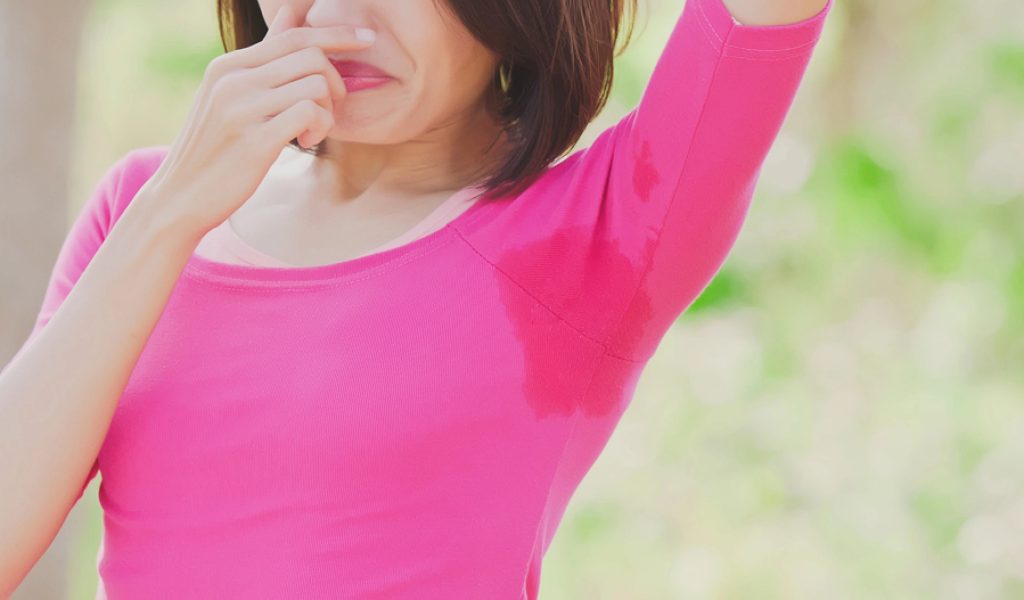


Have you noticed many people struggle with underarm odor, even though they shower daily and use deodorant? It is a common issue, yet it is rarely talked about openly. You might see someone constantly checking their clothes, avoiding lifting their arms, or reapplying deodorant several times a day. If you experienced this yourself, you are definitely not alone.
Underarm odor, also known as body odor, can be frustrating and embarrassing. Many people rely on deodorants and antiperspirants to mask or reduce odor, but sometimes these products do not work as expected. You may apply deodorant in the morning and still notice an unpleasant smell by midday. This can leave you feeling uncomfortable and unsure of what to do next.
Let’s learn what triggers underarm odor and how to manage it simply and effectively.
What Causes Underarm Odor?
Underarm odor is caused by the interaction between sweat and bacteria on your skin. Sweat itself is mostly water and salt, and it doesn’t smell. The odor develops when bacteria on your skin break down proteins and fats in your sweat, producing smelly compounds.
The underarms are a primary area for odor because they have apocrine sweat glands, which secrete sweat that contains proteins and lipids. These are the perfect food for odor-causing bacteria. Other factors that contribute to underarm odor include:
- Hormonal Changes: Puberty, menopause, pregnancy, and menstrual cycles can increase sweat production and alter body odor.
- Diet: Certain foods like garlic, onions, spicy dishes, and red meat contain compounds that can make sweat smell stronger.
- Stress: Emotional stress triggers sweat glands, especially apocrine glands, which produce sweat richer in proteins and fatty acids, promoting odor.
- Poor Hygiene: Infrequent washing or improper cleaning can let bacteria multiply in the underarm area.
- Medical Conditions: Diabetes, kidney or liver disease, hyperhidrosis (excessive sweating), and some infections can change body odor.
Why Deodorants Sometimes Don’t Work
Deodorants mask odor, while antiperspirants reduce sweat. However, there are several reasons why these products may fail:
- Bacteria Overgrowth: If there is a high bacterial load in the underarm area, a standard deodorant may not be enough to control odor.
- Excessive Sweating: People with hyperhidrosis sweat more, and deodorants may not absorb or block enough sweat.
- Wrong Product Choice: Some deodorants don’t contain antiperspirants. If you sweat a lot, a deodorant alone will not stop odor.
- Improper Application: Deodorants work best on clean, dry skin. Applying them to sweaty or dirty underarms reduces their effectiveness.
- Diet and Lifestyle Factors: Foods, alcohol, caffeine, and stress can increase sweating and make deodorants less effective.
Intense Hygiene Practices
The foundation for controlling underarm odor is proper hygiene. Here’s how to maximize hygiene to reduce odor:
- Daily Showering: Showering daily is crucial, especially after sweating. Use mild antibacterial soap to wash under your arms. Focus on areas where sweat accumulates, including:
- Underarms
- Groin
- Feet
Antibacterial soaps help reduce the number of bacteria that break down sweat into odor-producing compounds.
- Exfoliation: Exfoliating removes dead skin cells where bacteria can thrive. Use a gentle scrub, loofah, or exfoliating cloth on your underarms 2–3 times a week. This reduces odor and improves the effectiveness of deodorants.
- Drying Thoroughly: Bacteria thrive in moisture. Always dry your underarms completely after showering. You can use a towel or hairdryer on a cool setting. Avoid applying deodorant to wet skin.
- Shaving or Trimming Hair: Underarm hair traps sweat and bacteria, creating a perfect environment for odor. Regularly shaving or trimming underarm hair makes cleaning easier and allows deodorant or antiperspirant to work more effectively.
Natural Remedies to Reduce Underarm Odor
If deodorants are not effective or you prefer natural options, several simple remedies can help control underarm odor by reducing bacteria and moisture. These methods are easy to use and can be added to your regular body care routine.
- Baking Soda: Baking soda helps balance the skin’s pH and absorbs excess moisture, which makes it harder for odor-causing bacteria to survive. To use it, mix a small amount of baking soda with water to form a smooth paste. Apply this paste to clean, dry underarms and let it sit for about five to ten minutes before rinsing it off with water. You can use this remedy a few times a week. If you have sensitive skin, avoid using it too often, as baking soda can cause dryness or irritation.
- Apple Cider Vinegar: Apple cider vinegar has natural antibacterial properties that help kill the bacteria responsible for bad odor. To use it safely, dilute apple cider vinegar with water in equal amounts. Apply the mixture to your underarms using a cotton ball or spray bottle, and allow it to dry completely before putting on clothes. This method works well when used sparingly. Avoid applying it right after shaving, as it may sting or irritate the skin.
- Lemon Juice: Lemon juice is acidic, which helps destroy odor-causing bacteria and reduce unpleasant smells. Mix fresh lemon juice with water and apply it gently to your underarms. Leave it on for about five minutes, then rinse thoroughly with water. This remedy should not be used on freshly shaved or irritated skin, as lemon juice can cause stinging or burning.
- Green Tea Bags: Green tea contains natural compounds called polyphenols that help reduce bacteria and may also limit sweat production. To use this method, soak green tea bags in warm water for a few minutes, then place the damp bags on clean underarms for five to ten minutes. This gentle remedy can be used daily and is especially helpful for people with sensitive skin.
- Witch Hazel: Witch hazel acts as a natural astringent, meaning it helps tighten pores and reduce sweating while also killing bacteria. Apply witch hazel to your underarms using a cotton pad after showering. Allow it to dry before dressing. Regular use can help keep the underarm area fresh and dry without harsh chemicals.
Clothing Choices to Reduce Odor
The fabrics you wear and how you care for clothes significantly impact underarm odor:
- Breathable Fabrics: Cotton, linen, and moisture-wicking fabrics allow air circulation and reduce sweat accumulation.
- Avoid Synthetics: Polyester and nylon trap heat and moisture, increasing odor.
- Change Clothes Daily: Wearing clean clothes prevents bacterial buildup.
- Laundry Tips: Use antibacterial laundry detergent and avoid leaving sweaty clothes in the hamper for too long.
Diet and Lifestyle Adjustments
Making small changes in your diet and lifestyle can greatly help reduce sweating and odor over time.
- Foods to Avoid: Some foods contain strong-smelling compounds that can be released through sweat, making body odor more noticeable. Garlic and onions are common examples, as they contain sulfur compounds that affect how sweat smells. Spicy foods can also increase sweating, which allows bacteria to grow more easily. Red meat may contribute to stronger body odor because it takes longer to digest. Cruciferous vegetables like broccoli, cabbage, and cauliflower can also influence sweat odor in some people. Reducing these foods, especially during hot weather, may help keep odor under control.
- Limit Caffeine and Alcohol: Caffeine and alcohol can stimulate the sweat glands and raise body temperature, leading to increased sweating. More sweat creates a better environment for odor-causing bacteria. Cutting back on coffee, energy drinks, and alcohol can help reduce both sweat production and underarm odor.
- Stay Hydrated: Drinking plenty of water helps your body flush out toxins and keeps sweat more diluted. When sweat is less concentrated, it tends to smell less strong. Staying hydrated also helps regulate body temperature, which can reduce excessive sweating throughout the day.
- Stress Management: Stress triggers the apocrine sweat glands, which produce the type of sweat that causes a strong odor when it mixes with bacteria. Managing stress through simple activities like yoga, meditation, deep breathing, or regular physical exercise can lower stress-related sweating and help control underarm odor naturally.
Over-the-Counter Treatments
If regular deodorants are not controlling underarm odor, there are other treatments available that can be more effective. These options focus on reducing sweat, killing bacteria, or both.
- Antiperspirants: Antiperspirants work differently from deodorants. Instead of just masking odor, they reduce how much you sweat by blocking sweat pores with aluminum salts. For best results, apply antiperspirant at night on clean, completely dry skin. This lets the product work while your sweat glands are less active. Some people with heavy sweating may need prescription-strength antiperspirants, which are stronger than those sold in stores and should be used under medical guidance.
- Topical Treatments: Certain topical products can help control odor by reducing bacteria on the skin. Benzoyl peroxide, commonly used for acne, can also be applied to the underarms in small amounts to lower bacterial growth that causes odor. Charcoal-based deodorants and creams are another option. These products absorb excess moisture and trap odor, helping keep the underarm area dry and fresh throughout the day.
- Clinical Options: If underarm odor or excessive sweating continues despite using over-the-counter products, it may be time to consult a doctor. There are medical treatments available for more difficult cases. Botulinum toxin injections, often known as Botox, can temporarily block the nerves that activate sweat glands, significantly reducing sweating for several months. Prescription medications may also be used to control sweating throughout the body. In very severe and rare cases, surgical procedures can remove sweat glands or interrupt nerve signals to the sweat glands. These options are considered only when other treatments have failed.
Understanding Your Sweat and Odor
Sweating is a completely natural process, and not all sweat causes odor. The type of sweat and where it comes from play a big role in whether or not it smells. Our bodies have two main types of sweat glands which are eccrine and apocrine glands.
- Eccrine Glands: Eccrine glands are found all over the body, with higher concentrations on the palms of your hands and the soles of your feet. These glands produce a watery sweat that helps regulate your body temperature. When this sweat evaporates, it cools the skin and keeps your body from overheating. Sweat from eccrine glands is usually odorless because it is mostly water and salt, without the proteins and lipids that bacteria feed on.
- Apocrine Glands: Apocrine glands are mainly located in areas such as the underarms, groin, and scalp. Unlike eccrine glands, apocrine glands produce a thicker sweat that contains proteins and lipids. This type of sweat itself does not smell at first, but when bacteria on the skin break it down, it produces the familiar body odor. These glands are particularly active during puberty and can be influenced by factors like stress, hormones, and diet, which is why underarm odor can vary from person to person and at different times.
Medical Conditions That Affect Odor
Sometimes, persistent or unusually strong body odor may be a sign of an underlying medical condition rather than just hygiene or diet. Being aware of these conditions can help you address the problem effectively.
- Diabetes: People with uncontrolled diabetes may develop a fruity or sweet-smelling odor. This is often linked to a condition called ketoacidosis, where high levels of ketones in the blood cause a distinctive smell in sweat and breath.
- Liver or Kidney Disease: Problems with the liver or kidneys can lead to a buildup of toxins in the body. This can result in a bleach-like or chemical odor in sweat or breath. If you notice a sudden change in smell along with fatigue, nausea, or other symptoms, it’s important to consult a doctor.
- Thyroid Problems: Hyperthyroidism, or an overactive thyroid, can increase the activity of sweat glands. This leads to excessive sweating, which can mix with bacteria and cause stronger body odor than usual.
- Infections or Skin Disorders: Certain infections, such as fungal or bacterial skin infections, can cause localized odor changes. Skin conditions that affect sweat gland function may also contribute to unusual smells.
Personal Body Care Routine to Manage Underarm Odor
A consistent routine is key to staying fresh:
- Morning:
- Shower with antibacterial soap.
- Dry underarms thoroughly.
- Apply deodorant or antiperspirant.
- Wear clean, breathable clothes.
- During the Day:
- Carry wet wipes for underarm touch-ups after exercise or heat.
- Drink water to stay hydrated.
- Avoid foods and drinks that increase sweat.
- Evening:
- Shower or wash underarms if needed.
- Apply a thin layer of baking soda or a natural remedy if preferred.
- Weekly:
- Exfoliate underarms 2–3 times.
- Change clothing, especially workout wear, immediately after use.
Natural and Alternative Approaches
For those who prefer a more natural way to manage underarm odor, several alternative treatments can be effective. However, it is important to always do a patch test before applying any natural product to avoid irritation or allergic reactions.
- Herbal Extracts: Herbs like neem, tea tree oil, and aloe vera have natural antibacterial properties that help reduce the bacteria responsible for odor. You can apply diluted extracts or gels directly to clean underarms. These herbs are gentle on the skin and can be used regularly as part of your body care routine.
- Essential Oils: Certain essential oils, such as lavender, eucalyptus, and peppermint, have antimicrobial properties and a pleasant scent. Adding a few drops to a carrier oil and applying it to your underarms can help reduce odor while leaving a fresh fragrance. Always dilute essential oils before use to prevent skin irritation.
- Charcoal Pads or Creams: Charcoal is known for its ability to absorb moisture and odor. Charcoal-based deodorant pads or creams can be applied to the underarms to naturally trap sweat and minimize smell. These products are particularly useful for people looking for chemical-free alternatives and can be incorporated into your daily routine.
Conclusion
Everyone sweats, and a little odor is normal. Dealing with underarm odor can be frustrating, but it can be managed. The key is understanding why it happens and taking simple, consistent steps, such as maintaining good hygiene, adjusting your diet, or using natural remedies.
What matters is finding what works for you so you can go through your day confidently, without worrying about lifting your arms. Wearing breathable clothes, staying hydrated, and managing stress also make a noticeable difference.
Small, regular habits can lead to lasting results and make underarm odor much easier to control.
