



Bad breath is something most of us have experienced at some point; maybe after a strong cup of coffee, a garlicky meal, or skipping brushing your teeth one morning. But when it becomes persistent, it’s more than just a minor inconvenience. It can make people around you feel uncomfortable and affect your self-confidence, social interactions, and even your professional life.
Understanding what causes bad breath and how to address it can make a big difference, not just for your breath, but for your overall oral health.
Let’s take a closer look at the causes of bad breath and the ways to fix it.
What Is Bad Breath?
Bad breath, also called halitosis, is a common issue that affects millions of people around the world. Everyone experiences temporary bad breath after eating certain foods or waking up in the morning. However, chronic bad breath, which lasts for weeks or months, often indicates an underlying problem.
The odor in bad breath is usually caused by chemicals produced by bacteria in the mouth. These bacteria break down food particles, saliva, and other substances, releasing compounds that have a strong, often unpleasant smell.
Common Smells of Bad Breath
- Sulfur smell: Often like rotten eggs, caused by sulfur compounds produced by oral bacteria.
- Fruity smell: Can indicate diabetes-related ketoacidosis.
- Foul or putrid odor: May signal infections in the mouth, throat, or sinuses.
- Sour taste: Often related to acid reflux or GERD (gastroesophageal reflux disease).
Causes of Bad Breath
Bad breath can have multiple causes, ranging from simple oral hygiene issues to serious medical conditions. Below is a in depth look at the most common causes:
- Oral Bacteria: The primary cause of bad breath is bacteria in the mouth. These bacteria break down food particles left on your teeth, gums, and tongue. The breakdown produces volatile sulfur compounds (VSCs), which have a strong, unpleasant odor.
Some bacteria also form plaque, a sticky layer that covers teeth and gums, contributing to gum disease and halitosis.
- Poor Oral Hygiene: Failing to brush and floss regularly allows food debris and bacteria to build up. Plaque and tartar form over time, which can cause gum irritation and infection, leading to bad breath.
Dentures, bridges, retainers, and other oral appliances can also harbor bacteria if not cleaned properly.
- Dry Mouth (Xerostomia): Saliva helps clean the mouth by washing away food particles and bacteria. A lack of saliva can lead to dry mouth, which increases the risk of halitosis.
Common causes of dry mouth include:
- Medications like antihistamines, antidepressants, and blood pressure drugs.
- Caffeine and alcohol consumption.
- Breathing through the mouth or sleeping with your mouth open.
- Certain medical conditions, like diabetes or Sjögren’s syndrome.
- Foods and Drinks: The odor from food can last until the compounds leave your body, even after brushing your teeth. Certain foods are very known for causing bad breath:
- Garlic and onions: These contain sulfur compounds that are absorbed into the bloodstream and exhaled through the lungs.
- Coffee and alcohol: Can dry out the mouth and contribute to odor.
- Spicy foods: Often leave lingering odors in the mouth.
- Tobacco Products: Smoking and chewing tobacco are major contributors to bad breath. Tobacco causes its own odor and dries out the mouth, increasing bacterial growth. It also raises the risk of gum disease, which can worsen halitosis.
- Medical Conditions: While oral hygiene is the most common cause of bad breath, certain medical conditions can also play a role:
- Gum disease (gingivitis or periodontitis): Plaque buildup causes inflammation and pockets that trap odor-causing bacteria.
- Tonsil stones: Food particles can get trapped in the tonsils and harden into smelly calcium deposits.
- Sinus infections: Foul-smelling fluid from infections in the sinuses can cause bad breath.
- Respiratory infections: Pneumonia, bronchitis, or chronic lung infections may contribute to halitosis.
- Diabetes: Low insulin levels can lead to ketoacidosis, producing a fruity odor on the breath.
- Acid reflux (GERD): Stomach acid leaks into the esophagus, leaving a sour taste and odor in the mouth.
- Kidney or liver disease: These conditions can prevent toxins from being filtered properly, causing a strong odor.
- Certain cancers: Head and neck cancers can affect breath odor.
- Diet and Crash Diets: Low-carb diets or fasting can cause your body to produce ketones, which have a strong, fruity smell. This is a common cause of bad breath in people following ketogenic or other low-carb diets.
- Medications and Supplements: Some medications reduce saliva production, leading to dry mouth and bad breath. Others may break down in the body and release odorous compounds.
Examples include:
- Nitrates (used for heart conditions)
- Chemotherapy drugs
- Tranquilizers such as phenothiazines
- Large doses of vitamins or supplements
- Foreign Bodies: Children sometimes have objects stuck in their nasal cavities, which can lead to a foul smell. Removing the foreign object usually resolves the issue.
- Rare Causes: While uncommon, bad breath can sometimes signal serious conditions:
- Ketoacidosis in diabetics: dangerous and requires immediate medical attention.
- Bowel obstruction: Can cause fecal-smelling breath if vomiting occurs over a prolonged period.
- Bronchiectasis: Chronic lung disease leading to mucus buildup.
- Aspiration pneumonia: This is Caused by inhaling food, liquids, or vomit into the lungs.
Symptoms of Bad Breath
Detecting your own bad breath can be tricky, but there are some simple ways to check. One home test is to lick the inside of your wrist, let it dry for a few seconds, and then smell it. If it has an unpleasant odor, you may have halitosis.
Bad breath can vary in both intensity and smell. Common symptoms to watch for include:
- Persistent foul odor coming from the mouth
- Sour or metallic taste in the mouth
- Dry mouth or sticky saliva
- Visible plaque or tartar on teeth
- Swollen, red, or bleeding gums
How to Fix Bad Breath
The first step to tackling bad breath is maintaining good oral hygiene. While many cases of halitosis can be managed at home, persistent bad breath may require help from a dentist or doctor. Let’s look at the most effective ways to improve your breath.
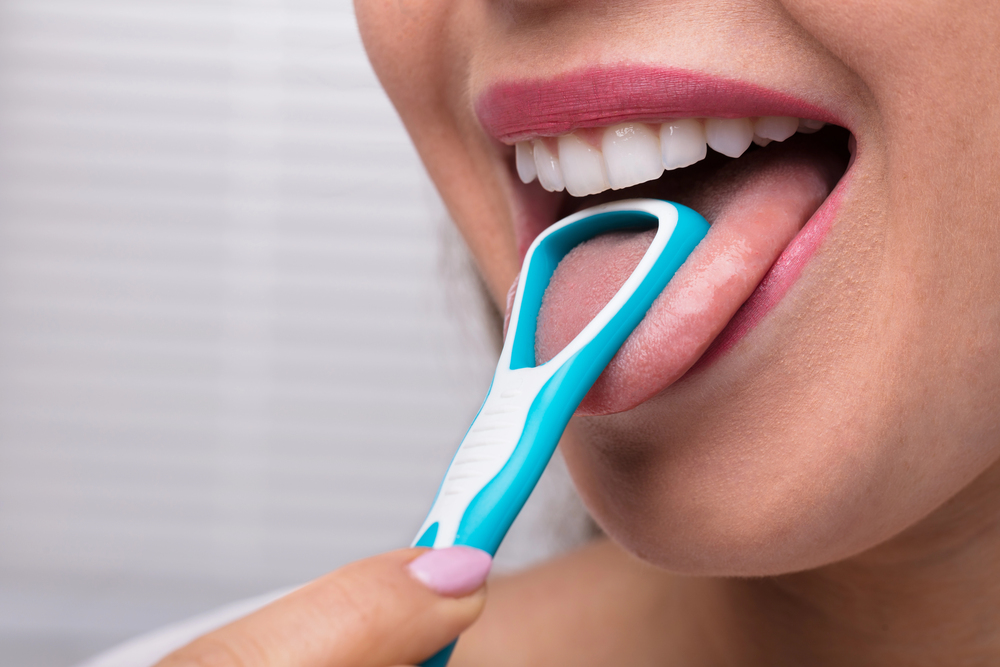
- Practice Good Oral Hygiene: Brushing your teeth at least twice a day is essential. Use a fluoride toothpaste to remove plaque, food particles, and bacteria that cause odor. Flossing once daily is equally important, as it cleans the areas between your teeth where a toothbrush can’t reach. Don’t forget your tongue, bacteria and food particles often accumulate there. Using a toothbrush or a tongue scraper can remove this buildup and significantly reduce bad breath.
- Use Mouthwash: Mouthwash can help freshen your breath, but not all types are equally effective. Choose an alcohol-free, antibacterial mouthwash that targets the bacteria causing the odor. Many mouthwashes only mask bad breath temporarily, so using one that kills bacteria is key to addressing the root problem.
- Stay Hydrated: Drinking plenty of water is crucial for keeping your mouth moist. Saliva naturally washes away bacteria and food particles, helping to prevent odors. Staying hydrated also reduces dry mouth, a common cause of persistent bad breath.
- Stimulate Saliva Production: If your mouth tends to be dry, try chewing sugar-free gum or sucking on sugar-free candies. These activities stimulate saliva production, which helps cleanse your mouth. Eating crunchy fruits and vegetables, like apples and carrots, also supports saliva flow while naturally cleaning teeth and removing debris.
- Avoid Triggers: Certain foods and habits can worsen bad breath. Limit tobacco, alcohol, and caffeine, as they can dry out your mouth and promote bacterial growth. Strong-smelling foods like garlic, onions, and spicy dishes can linger in your breath for hours. Reducing sugary foods is also important, as sugar feeds odor-causing bacteria.
- Clean Dentures and Oral Appliances: If you use dentures, retainers, bridges, or mouth guards, remove and clean them daily. Bacteria can build up on these appliances, leading to persistent bad breath. Follow your dentist’s instructions carefully for cleaning to ensure your oral appliances remain hygienic.
- Replace Your Toothbrush Regularly: A worn-out toothbrush is less effective at removing plaque and bacteria. Replace your toothbrush every 3–4 months, or sooner if the bristles are frayed. Using a soft-bristled toothbrush prevents damage to your gums while effectively cleaning your teeth.
- Diet Adjustments: What you eat can affect your breath. Avoid foods with strong odors and try to maintain a balanced diet. Crash diets or very low-carb diets can produce ketones, which give the breath a strong, unpleasant smell. Eating a variety of fresh fruits and vegetables not only supports oral health but also keeps your breath fresher.
- Professional Dental Care: Regular dental visits are essential for maintaining fresh breath. Dentists can detect problems like cavities, gum disease, or tonsil stones that contribute to bad breath. Professional cleanings remove bacteria and plaque that you may miss at home. If gum disease is present, your dentist may refer you to a periodontist for deep cleaning and specialized care.
- Medical Treatment: Sometimes, persistent bad breath is caused by health issues beyond the mouth. If your breath does not improve despite good oral hygiene, your primary care doctor may check for sinus infections, diabetes, acid reflux (GERD), kidney or liver disease, or chronic lung infections. Treating the underlying condition often resolves bad breath.
Home Remedies for Bad Breath
Along with regular brushing, flossing, and professional dental care, certain home remedies can help reduce bad breath naturally. These methods are simple, safe, and can make a noticeable difference when practiced consistently.
- Water: Drinking plenty of water helps prevent dry mouth and keeps your mouth clean. Saliva naturally washes away food particles and bacteria, but when your mouth is dry, bacteria can build up and cause bad breath. Staying hydrated is one of the easiest ways to support fresh breath.
- Green Tea: Green tea is rich in antioxidants, particularly EGCG, which has antibacterial properties. Research suggests that drinking green tea may reduce the growth of harmful bacteria in the mouth and decrease the production of odor-causing chemicals. Enjoy a cup of unsweetened green tea daily for its oral health benefits.
- Herbal Rinses: Mouth rinses made with natural ingredients like tea tree oil, cloves, and basil can help reduce plaque, gingivitis, and oral bacteria. These rinses have antimicrobial and anti-inflammatory properties. Always follow instructions carefully and avoid swallowing essential oils.
- Tea Tree Oil Rinse: Tea tree oil can target bacteria that produce volatile sulfur compounds, the chemicals largely responsible for bad breath. To make a rinse, mix a few drops of tea tree oil in a cup of water and swish it around your mouth for 30 seconds, then spit it out. Never swallow tea tree oil, as it can be toxic if ingested.
- Cinnamon Oil: Cinnamon oil also has antibacterial properties and can help reduce compounds that cause bad breath. Use it carefully, diluted in water or a carrier oil, and avoid swallowing. Cinnamon oil can be a pleasant-smelling, natural way to support oral health.
- Strong-Smelling Herbs and Spices: Certain herbs and spices can naturally freshen breath while offering antimicrobial benefits. Herbs like spearmint, peppermint, parsley, cilantro, rosemary, and thyme are excellent choices. Spices such as fennel seeds, star anise, cloves, cinnamon, and ginger can help mask odors and support oral hygiene.
- Probiotic Yogurt: Probiotics are beneficial bacteria that can improve oral health by reducing harmful bacteria. Studies show that eating probiotic yogurt may lower levels of bacteria linked to cavities and bad breath, making it a tasty and effective addition to your diet.
- Kefir: Kefir, a fermented milk drink similar to yogurt, contains even more probiotic bacteria. Drinking kefir regularly may help reduce the number of odor-causing bacteria in your mouth and improve overall oral health.
Bad Breath Tests
If home remedies and good oral hygiene don’t fully solve your bad breath, professional testing can help figure out the cause. Dentists and healthcare providers use several methods to assess halitosis.
- Halimeter: A halimeter is a device that measures volatile sulfur compounds (VSCs) in your breath. These compounds are often the main cause of bad breath. The test helps quantify the odor and determine how severe it is.
- Gas Chromatography: This test provides a more detailed chemical analysis. It detects specific sulfur compounds like hydrogen sulfide, methyl mercaptan, and dimethyl sulfide. Gas chromatography gives precise information about what’s causing the odor.
- BANA Test: The BANA test checks for certain enzymes produced by bacteria known to cause halitosis. It helps identify whether bacterial activity in the mouth is contributing to bad breath.
- Beta-Galactosidase Test: This test measures another type of bacterial enzyme that correlates with mouth odor. It gives additional insight into the bacterial causes of halitosis.
- Gauze or Smell Test: Sometimes, a simple gauze test is enough. The dentist scrapes the tongue or other areas of the mouth and smells the sample to assess odor. This method can help pinpoint where the smell is coming from.
- Home Test: You can also do a simple test at home: lick the inside of your wrist, let it dry for a few seconds, and then smell it. An unpleasant odor may indicate bad breath. While not as precise as professional tests, it’s a good early check.
- Other Observations: Dentists may also ask questions about your oral hygiene habits, diet, medications, and medical history. They might smell your breath from both your mouth and nose to detect possible infections or other underlying issues. These observations help them recommend the most effective treatment.
When to See a Dentist or Doctor
Persistent bad breath should be evaluated by a professional. You should see a dentist if:
- Bad breath does not improve with brushing and flossing.
- You have painful, bleeding, or swollen gums.
- You have loose teeth or a toothache.
- Oral appliances cause discomfort or smell.
A doctor may also be needed to check for:
- Sinus infections
- Chronic lung infections
- Digestive issues
- Diabetes or ketoacidosis
- Kidney or liver disease
Prevention of Bad Breath
Most causes of bad breath can be prevented with simple daily habits:
- Brush your teeth at least twice a day.
- Floss once a day to remove food particles and plaque.
- Use a tongue scraper or brush your tongue.
- Clean dentures, retainers, or bridges daily.
- Rinse with alcohol-free antibacterial mouthwash.
- Stay hydrated and stimulate saliva.
- Avoid excessive alcohol, caffeine, and tobacco.
- Avoid strong-smelling foods like garlic and onions.
- Maintain regular dental check-ups every six months.
Final Words
Bad breath, also called halitosis, is a common problem that affects many people. It is usually caused by bacteria in the mouth, poor oral hygiene, dry mouth, certain foods, tobacco use, or underlying medical conditions. Common signs include a foul smell from the mouth, a sour or metallic taste, and dry or sticky saliva.
Fortunately, bad breath can often be managed with simple daily habits. Brushing and flossing your teeth every day, including cleaning your tongue, helps remove food particles and bacteria that cause odor. Using an antibacterial, alcohol-free mouthwash can also reduce bacteria and freshen your breath.
Consistent care of your mouth can keep your breath fresh and make you feel confident in every social and professional situation!
