


Years are passing very fast. With each passing day, people are becoming more aware of what is good and what is harmful for their lives. I feel this change in myself, too. Every year, I learn something new about health, habits, and balance.
As my awareness grows, I make a personal list. This list includes things I want to follow and things I want to avoid. It helps me stay focused and make better daily choices. I believe small changes, done consistently, can improve life in a big way.
For 2026, I have again collected my thoughts, experiences, and lessons. Based on what I have learned so far, here is my personal advice for healthy living in 2026. These are simple ideas, easy to follow, and practical for real life.
What Healthy Living Means
Healthy living is not just about exercise or food. It is about taking care of your whole life. This includes your body, your mind, your emotions, your sleep, your daily habits, and even the environment around you. When someone lives a healthy life, they usually feel more energetic, calm, focused, and strong most of the time, not just once in a while.
Healthy living means eating food that supports your body and gives you proper nutrition. It also means moving your body every day, even in simple ways like walking or stretching. Good sleep at night is very important because it helps your body and mind recover. Managing stress in healthy ways, such as relaxing, breathing deeply, or taking breaks, also plays a big role. Taking care of mental health, avoiding harmful habits, and building positive daily routines all work together to create a balanced life.
Let’s start with a simple step.
1. Eat Real and Simple Food
Healthy living should start with food. You do not need fancy diets or strict rules. The simplest and best step is to eat real and natural food.
- Focus on natural foods: The best advice for healthy eating is simple. Eat food that is natural or close to natural. Fresh fruits, vegetables, whole grains, beans, nuts, seeds, eggs, dairy, and fresh meat are much better for your body than packaged food. The foods mentioned give your body the nutrients it needs to stay healthy, strong, and active.
- Reduce processed food: Processed food was everywhere in 2025, and this habit is likely to continue into 2026. Fast food, frozen meals, sugary snacks, and soft drinks may save time, but they slowly harm health. Eating too much processed food can lead to weight gain, low energy, poor digestion, hormone problems, and heart issues. You do not need to stop eating these foods all at once. Start by reducing them slowly. Try to cook at home more often, read food labels carefully, and avoid products with long ingredient lists.
- Eat With Awareness: Healthy eating is not only about what you eat, but also how you eat. The way you eat affects digestion and helps control how much you eat. Habits like eating slowly, chewing your food well, avoiding screens while eating, and stopping when you feel satisfied can make a big difference.
Many people today often eat while working or using their phones; which can lead to overeating and poor digestion. Try to keep your mealtime calm and relaxed. Eating with attention and care helps your body digest food better and leaves you feeling comfortable and satisfied.
2. Stay Active Every Day
Staying active is very important for your health. Even small daily movements can keep your body strong and your mind alert.
- Movement is Medicine: You do not need intense workouts to stay healthy. Sitting for long hours is one of the biggest health risks today, and regular movement improves blood flow, digestion, mood, and energy levels. Simple ways to stay active include walking for 30 minutes, stretching in the morning, taking the stairs, standing every hour, or doing light home exercises.
- Choose Activities You Enjoy: Exercise should never feel like punishment. Walking, cycling, yoga, dancing, swimming, or home workouts are all good options. When you enjoy the activity, it becomes easier to stay consistent and make movement a part of your daily life.
3. Prioritize Sleep Like Never Before
Sleep is the foundation of good health. Without proper sleep, even the best diet or exercise plan will not work effectively. Adults usually need about 7 to 9 hours of sleep every night to feel rested and energized.
- Why Poor Sleep Is Harmful: Poor sleep can cause many problems, such as weak immunity, weight gain, poor focus, mood swings, and hormonal imbalance. Over time, lack of sleep can affect your overall health and make daily life harder.
- Improve Sleep Quality: You can improve your sleep with simple habits. Go to bed at the same time every day, avoid screens at least an hour before sleep, keep your room dark and quiet, avoid heavy meals late at night, and reduce caffeine after the evening.
4. Manage Stress in Healthy Ways
Stress is a part of life, but constant stress can harm your health. It can come from work, money, social pressure, or spending too much time online.
- Why Stress Is Harmful: Long-term stress can cause many health problems, including anxiety, depression, heart issues, digestive problems, and a weak immune system. Managing stress is as important as eating healthy and staying active.
- Healthy Stress Management Habits: You can reduce stress with simple daily habits. Try deep breathing, short walks in nature, meditating for 5 to 10 minutes, writing your thoughts in a notebook, or talking to someone you trust. Avoid unhealthy coping methods like overeating, smoking, or spending too much time on screens, as these often create more problems instead of solving them.
5. Take Care of Mental Health
Your mental health is important just as much as your physical health. Many people are becoming more aware of mental health, but some still ignore their own feelings.
- Signs You Need Mental Care: You may need extra care if you notice constant sadness, feeling empty or tired, losing interest in life, trouble sleeping, or frequent negative thoughts. Paying attention to these signs early on can prevent bigger problems later on.
- Support Mental Well-Being: There are simple steps to support your mental health. Accept your emotions, take breaks from social media, set boundaries at work, practice gratitude daily, and seek professional help when needed. There is no shame in asking for help; taking care of your mental health is a form of self-care.
6. Reduce Screen Time and Digital Stress
Technology is useful, but too much screen time can harm your health. Spending long hours on phones, laptops, or tablets can affect your body and mind.
- Why Excess Screen Time Is Harmful: Too much screen time can cause eye strain, neck and back pain, poor sleep, anxiety, and a low attention span. These effects can build up over time and affect your overall well-being.
- Build Healthy Tech Habits: You can protect your health with simple habits. Take screen breaks every hour, avoid phones during meals, limit social media time, use blue light filters at night, and spend some time offline every day. Your brain needs rest from constant information, and these habits help it recover and stay healthy.
7. Drink Enough Water
Water is needed and important for every function in your body. Many people stay dehydrated without even realizing it, which can affect energy, focus, and overall health.
- Benefits of Proper Hydration: Drinking enough water regularly supports better digestion, clear skin, improved energy, better focus, and healthy kidneys.
- How to Stay Hydrated: Aim to drink water throughout the day. Carry a water bottle with you and listen to your body’s signals. Simple habits like these help keep your body functioning well and feeling its best.
8. Avoid Harmful Habits
Some habits quietly damage your health over time. Being aware of them is the first step to staying healthy.
- Habits to Reduce or Stop: Common habits that can harm your body include smoking, excessive alcohol, eating late at night, overeating sugar, and sitting for long hours.
- Focus on Progress: Replacing bad habits with good ones takes time. Focus on small improvements each day rather than aiming for perfection. Consistent effort will bring lasting results for your health.
9. Support Gut Health
Gut health is very important because it affects digestion, immunity, mood, and energy. Taking care of your gut helps your whole body feel better and function well.
- How to Support Your Gut: You can support your gut with simple daily habits. Eat fiber-rich foods, include yogurt or other fermented foods, reduce sugar and junk food, manage stress, and drink enough water. A healthy gut not only improves digestion but also boosts overall well-being, helping you feel more energetic and balanced every day.
10. Maintain a Healthy Weight Naturally
A healthy weight is not just about appearance; it is about how your body functions. Avoid extreme diets, as they can harm your metabolism and mental health.
- Natural Weight Balance Tips: Eat balanced meals, move your body daily, sleep well, manage stress, and listen to your hunger signals. Everyone is different, so focus on your health and how you feel, rather than comparing yourself to others.
11. Strengthen Your Immune System
A strong immune system protects you from illnesses and helps you recover faster.
- How to Boost Immunity: Eat plenty of fruits and vegetables, get enough sleep, manage stress, stay active, and avoid smoking. Supplements are helpful only when needed, but food and lifestyle are the most important for lasting immunity.
12. Spend Time in Nature
Nature can calm the mind and body. Even a short time outdoors can improve your mood and reduce stress.
- Simple Ways to Connect With Nature: Walk in a park, sit in sunlight, grow plants, or open windows to let in fresh air. Spending time in nature regularly helps your mind and body feel balanced and refreshed.
13. Build Positive Relationships
Healthy relationships support emotional well-being, while toxic relationships increase stress and anxiety.
- How to Choose Relationships: Spend time with people who respect you, support your growth, allow honest communication, and bring peace instead of fear. Surrounding yourself with positive relationships helps you feel valued and emotionally strong.
14. Preventive Health Care Matters
Do not wait to get sick. Preventive care saves money, stress, and time in the long run.
- Steps for Preventive Care: Schedule regular health checkups, get blood tests when needed, take care of dental and eye health, and focus on prevention rather than treatment. Staying proactive keeps your body healthy and helps avoid serious problems.
15. Balance Work and Personal Life
Overworking can lead to burnout and stress. Maintaining balance is essential for long-term health.
- Tips for Balance: Take regular breaks, set clear work boundaries, rest without guilt, and make time for hobbies. Remember, your health is more important than constant productivity.
16. Keep Learning About Health
Health knowledge keeps evolving. Staying informed helps you make better choices for your body. Follow trusted sources, avoid fear-based information, and focus on practical advice that works for your body. Learning continuously helps you adapt and maintain good health throughout life.
Conclusion
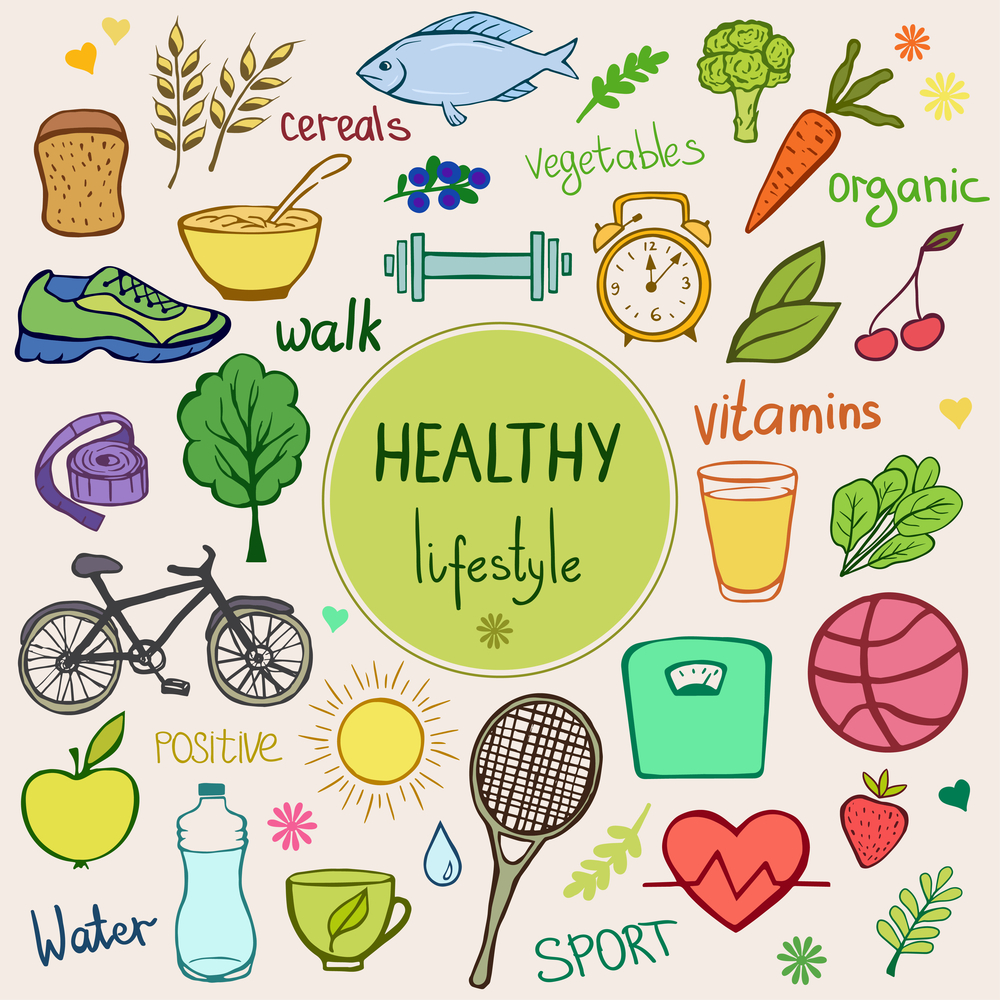
Healthy living is not about doing everything perfectly or following every trend. It’s about making small, smart choices that adds up over time. You don’t have to change your whole entire life all at once. Pick one habit at a time, focus on it, and let it grow naturally. Every small step counts, and consistency matters more than intensity.
Remember, your health is your most valuable asset, and taking care of it is the simplest way to enjoy life fully and feel your best every single day.
