
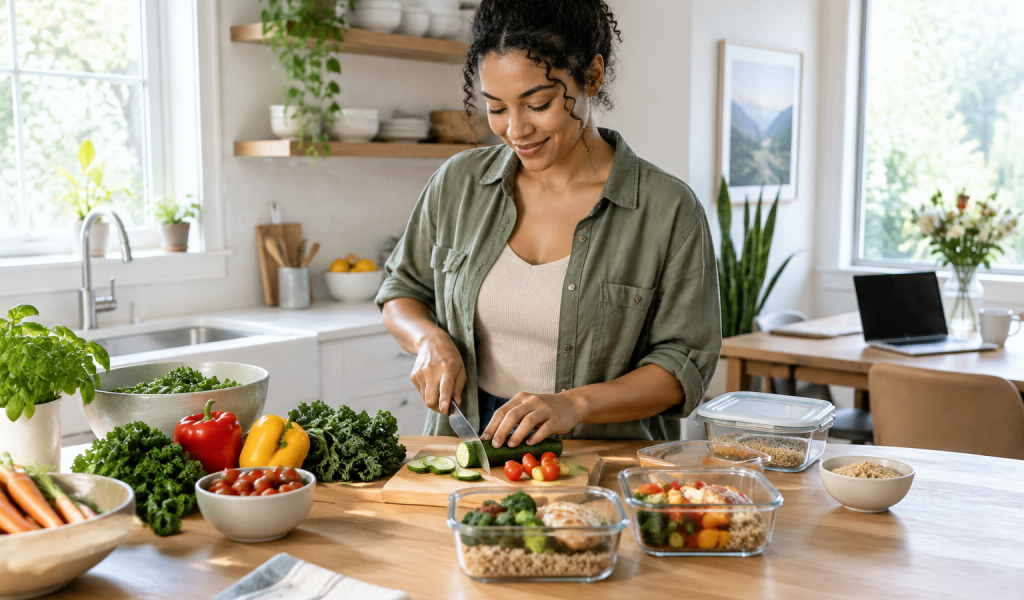


Busy schedules can make healthy eating feel like a challenge. For many women juggling work, family, and personal commitments, simple, reliable nutrition habits are more effective than strict, unsustainable plans. This guide offers practical, proven ideas to eat well with a full calendar, including batch-cooking strategies, quick meals, and ways to tailor meals to your day. While a one-size-fits-all plan rarely fits every day, knowing when to seek personalized support can help you stay on track without guilt or crash dieting.
Why busy schedules benefit from a practical approach
When days are packed, consistency matters more than perfection. A practical approach focuses on small, repeatable choices that add up over time. Think in terms of routine, simplicity, and balance rather than rigid rules. The goal is to keep energy steady, cravings manageable, and meals nourishing enough to sustain you through demanding afternoons.
Personal well-being starts with predictable meals and snacks that protect energy and mood. You don’t need to sacrifice flavor or satisfaction to eat well; you simply need a plan that travels with you—whether you’re in a kitchen, at the office, or on the go.
Set a simple nutrition framework you can trust
A dependable framework helps you make quick decisions without opening a nutrition app every hour. A straightforward approach centers on three pillars: protein, fiber, and healthy fats, combined with mindful hydration and regular meal timing.
- Protein at every meal: Supports fullness and energy. Examples include eggs, yogurt, beans, tofu, lean poultry, fish, or tempeh.
- Fiber in each meal: From vegetables, whole grains, fruits, legumes, or seeds, fiber helps digestion and satiety.
- Healthy fats: Avocado, nuts, seeds, olive oil, or fatty fish contribute to sustained energy and flavor.
- Balanced portions: Aim to combine protein, fiber, and fats in meals to promote fullness without oversized portions.
Beyond macronutrients, practical habits matter: stay hydrated, choose minimally processed options when possible, and keep meals colorful with vegetables and fruit. If you’re dealing with inconsistent energy, consider a small snack that includes protein and fiber between meals to smooth energy dips.
Batch cooking and meal prep that actually sticks
Batch cooking can save you from last-minute decisions that lead to less healthy choices. The key is a simple routine that fits your week, not a culinary marathon. Here are practical steps to establish a sustainable batch-prep routine:
- Choose a window: Allocate a single, regular block of time (e.g., Sunday afternoon or weekday evening) for batch tasks.
- Cook once, reuse often: Prepare a protein base (grilled chicken, baked tofu, or boiled eggs), a grain or legume, and a couple of vegetables. Build multiple meals from these elements.
- Pack thoughtfully: Invest in a few reliable containers for portioned meals and snacks to take to work or on the go.
- Season with variety: Use herbs, spices, and different sauces to keep flavors appealing across the week.
Concrete batch ideas include a roasted veggie tray with a protein of choice, quinoa or brown rice, and a simple vinaigrette; or a large pot of bean soup that can become soup, a salad topping, or a quick dip.
To keep the routine realistic, start with one batch-cook session per week and adjust as your schedule evolves. A few staples can save you time: boiled eggs, grilled chicken or chickpeas, cooked grains, chopped vegetables, and a few ready-to-eat snacks.
Fast, nourishing meals you can make in 20–30 minutes
Even on busy days, you can assemble meals that are satisfying and nutrient-dense. The following ideas balance protein, fiber, and fats while keeping prep brief.
- Morning: Greek yogurt bowl with berries, nuts, and a drizzle of honey; or veggie omelet with whole-grain toast.
- Lunch: Quick quinoa bowl with roasted veggies, canned tuna or chickpeas, and olive oil; or a whole-grain wrap filled with lean protein, greens, and avocado.
- Dinner: Sheet-pan chicken or salmon with potatoes and a mix of vegetables; a one-pan sauté with tofu, broccoli, and bell peppers over brown rice.
- Smart swaps: Use pre-washed greens, frozen vegetables, and pre-cooked grains to shave minutes off your prep time without sacrificing nutrition.
Practical recipe ideas you can try this week:
- Salmon sheet-pan with asparagus, cherry tomatoes, and lemon—20 to 25 minutes at a moderate oven temperature.
- Chickpea and vegetable stir-fry over microwavable brown rice—15 to 20 minutes with a quick soy-ginger glaze.
- Egg muffins baked in a muffin tin with spinach, peppers, and cheese—grab-and-go protein for rushed mornings.
Having a few go-to recipes reduces decision fatigue and helps you stay consistent on busy days.
Snacks and cravings that support steady energy
Smart snacking helps bridge meals and can prevent overeating later. Aim for snacks that combine protein and fiber for staying power.
- Greek yogurt with fruit and a sprinkle of nuts
- Apple or carrot slices with almond butter
- Hummus and veggie sticks
- Hard-boiled eggs with whole-grain crackers
- Cottage cheese with pineapple or sliced pear
Hydration is part of snack planning too. If you notice cravings spike in the afternoon, consider a small glass of water or a warm beverage with a protein option.
Is a personalized plan right for you?
Many women find that a customized approach fits their unique schedule, dietary preferences, and energy patterns. A tailored plan can help align daily meals with personal goals, health considerations, and lifestyle realities. Signs that a personalized plan might be helpful include:
- Persistent fatigue or digestive discomfort despite reasonable meal patterns
- Frequent last-minute meals or reliance on highly processed foods
- Conflicting schedules that make routine planning difficult
- Interest in achieving specific goals (energy, digestion, or weight management) without feeling deprived
While general guidelines work for many, a customized program can adapt to your work hours, family commitments, and food preferences. It focuses on practical, enjoyable nutrition that you can sustain over time. If you’d like to explore a plan tailored to your day-to-day life, a professional assessment can be a helpful next step.
Putting it all together: a practical day plan
Here is a realistic example of how a busy day can unfold with a simple framework. Adapt this to your own routine, meals, and work commitments.
- Morning (start around 6:30–7:00 a.m.): Smoothie with yogurt or protein powder, spinach, frozen berries, and a tablespoon of ground flaxseed. Pair with a small handful of almonds.
- Mid-morning: A piece of fruit with a small handful of nuts or a yogurt cup with a few berries.
- Lunch: A quinoa bowl with roasted vegetables, chickpeas, and a olive-oil-based vinaigrette. Include a side of greens or fruit.
- Afternoon: If energy dips, try a protein-rich snack like cottage cheese with sliced pineapple or a hard-boiled egg and carrot sticks.
- Dinner: Sheet-pan chicken with mixed vegetables and a portion of whole grains, such as brown rice or farro. A side of leafy greens completes the plate.
- Evening: A light, satisfying snack if needed, such as yogurt with a drizzle of honey or a small bowl of chia pudding.
Adjust portions and timing to your hunger cues and activity level. The goal is steady energy and satisfaction, not rigid calorie counting.
Frequently Asked Questions
How much should I eat when I’m busy?
Portion size should reflect hunger, energy needs, and activity. A simple way to guide yourself is to fill half your plate with non-starchy vegetables, a quarter with lean protein, and a quarter with complex carbohydrates or whole grains, plus a small amount of healthy fats. Listen to your body between meals and adjust as needed rather than forcing a fixed rule.
How can I eat well when I have to dine out?
When dining out, look for meals that resemble your home choices: a protein source, vegetables, and a whole-grain or legume side. Ask for vegetables instead of fries, sauces on the side, and dressings on the side to control added fats and sugars. If options are limited, assemble a meal with what’s available and pair it with a fruit or a small salad to boost fiber.
What about sugar cravings?
Cravings are common, especially during busy days. Try pairing a small amount of indulgence with protein and fiber to improve satiety. For example, if you crave something sweet, a small yogurt with berries or half a dark-chocolate square with almonds can satisfy the urge without derailing the day.
Is it okay to skip meals?
Skipping meals can lead to overeating later and may impact energy and mood. If mornings are hectic, keep a ready-to-eat option available, such as a yogurt cup, a protein bar with minimal added sugars, or a smoothie you can take on the go. Aim for regular eating patterns that feel sustainable for your lifestyle.
Do I need to track calories?
Calorie tracking is not necessary for everyone and can become burdensome. For many, focusing on balanced meals, portions, and listening to hunger cues is sufficient. If you’re curious about specifics, a registered dietitian can help you estimate needs in a practical way that suits your routine.
For those who want guided support, consider a personalized plan that aligns nutrition with your schedule, preferences, and goals. A tailored approach can reduce decision fatigue and increase consistency over time.
Conclusion
Healthy eating for a busy life is less about perfection and more about consistency, planning, and practical choices you can enjoy. By building a simple framework, prioritizing batch cooking, and choosing fast, nourishing meals, you can support energy, mood, and overall well-being without sacrificing your time or enjoyment. Remember that a personalized plan can offer customized guidance that respects your unique day-to-day realities while helping you stay aligned with your goals. If you’re curious about how a tailored approach might fit into your life, explore the Women’s Health & Diet Custom Diet & Fitness Plan for a customized start.
For personalized guidance, consider the Women’s Health & Diet Custom Diet & Fitness Plan: learn more here.