
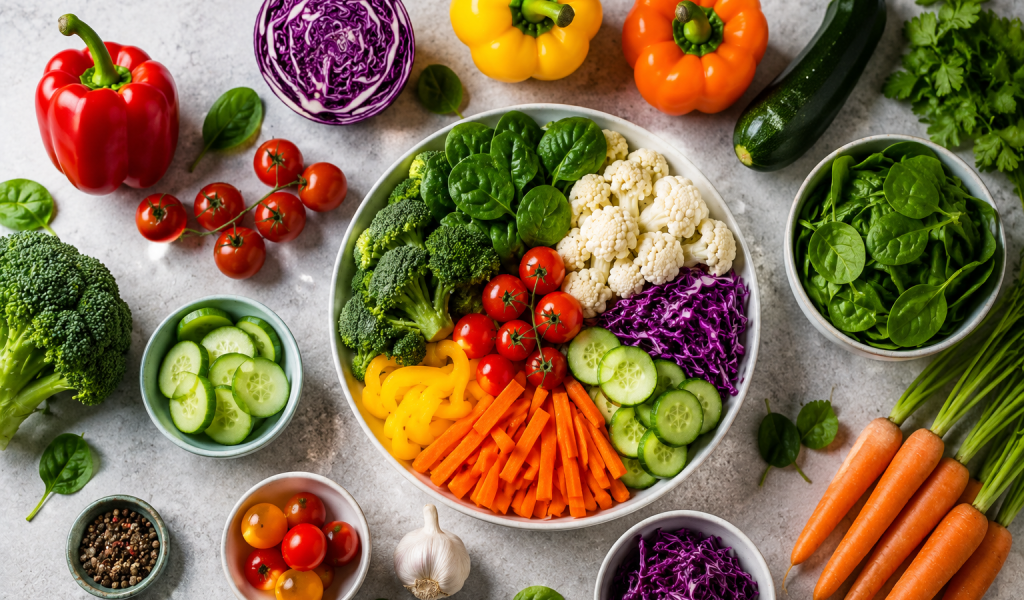


When it comes to healthy eating and weight loss, you’ve probably heard advice like “eat the rainbow” or “fill your plate with colorful vegetables.” But does the color of your vegetables really make a difference when it comes to losing weight?
The short answer is yes—and no.
Eating differently colored vegetables won’t magically cause weight loss on their own. However, colorful vegetables provide a wide variety of nutrients, fiber, antioxidants, and plant compounds that can support appetite control, improve overall health, and make it easier to maintain a healthy weight.
Let’s explore why colorful vegetables deserve a place on your plate and how they may help support your weight-loss goals.
What Does “Eating the Rainbow” Mean?
Eating the rainbow refers to consuming fruits and vegetables in a variety of colors, including:
- Red
- Orange
- Yellow
- Green
- Blue/Purple
- White
Each color contains different vitamins, minerals, antioxidants, and phytonutrients that provide unique health benefits.
The more colors you include in your diet, the broader range of nutrients your body receives.
How Vegetables Support Weight Loss
Before discussing color, it’s important to understand why vegetables are often recommended for weight loss.
- Vegetables Are Low in Calories
Most vegetables contain relatively few calories compared to processed foods.
For example:
- 1 cup broccoli: approximately 30 calories
- 1 cup cucumbers: approximately 16 calories
- 1 cup spinach: approximately 7 calories
Because vegetables are low in calorie density, they allow you to eat larger portions while consuming fewer calories overall.
- Vegetables Are Rich in Fiber
Fiber is one of the most important nutrients for weight management.
Fiber helps:
- Increase feelings of fullness
- Slow digestion
- Reduce hunger between meals
- Support healthy blood sugar levels
Women often struggle to get enough fiber, and increasing vegetable intake is one of the easiest ways to boost daily fiber consumption.
- Vegetables Add Volume to Meals
Adding vegetables to meals increases the size of your meals without dramatically increasing calories.
A large salad, vegetable soup, or stir-fry can help you feel satisfied while supporting a calorie deficit if weight loss is your goal.
Why Vegetable Color Matters
Different colors indicate the presence of different nutrients and plant compounds.
By eating a variety of colors, you gain access to a broader range of health benefits that may indirectly support weight loss and overall wellness.
Red Vegetables
Examples include:
- Tomatoes
- Red bell peppers
- Radishes
- Beets
- Red cabbage
Red vegetables contain compounds such as lycopene and anthocyanins.
Potential benefits include:
- Supporting heart health
- Reducing inflammation
- Protecting cells from oxidative stress
Inflammation and poor metabolic health can make healthy weight management more challenging, so foods that support overall health may indirectly support weight-loss efforts.
Orange and Yellow Vegetables
Examples include:
- Carrots
- Sweet potatoes
- Butternut squash
- Yellow peppers
- Pumpkin
These vegetables are rich in:
- Beta-carotene
- Vitamin A
- Vitamin C
Benefits may include:
- Supporting immune function
- Promoting healthy skin
- Supporting eye health
Sweet potatoes and squash are particularly satisfying because they provide fiber and complex carbohydrates that can help reduce cravings and keep you full longer.
Green Vegetables
Examples include:
- Spinach
- Kale
- Broccoli
- Brussels sprouts
- Green beans
- Zucchini
Green vegetables are often considered nutritional powerhouses.
They contain:
- Folate
- Magnesium
- Vitamin K
- Iron
- Fiber
Benefits include:
- Supporting energy production
- Promoting healthy digestion
- Helping regulate blood sugar levels
Many green vegetables are especially filling because of their fiber content while remaining low in calories.
Blue and Purple Vegetables
Examples include:
- Eggplant
- Purple cabbage
- Purple carrots
- Purple cauliflower
These vegetables contain anthocyanins, powerful antioxidants associated with numerous health benefits.
Potential benefits include:
- Supporting brain health
- Reducing oxidative stress
- Supporting healthy aging
While these vegetables don’t directly burn fat, they contribute to a nutrient-rich eating pattern that supports long-term health.
White Vegetables
Examples include:
- Cauliflower
- Mushrooms
- Garlic
- Onions
- Turnips
White vegetables are often overlooked but provide important nutrients and beneficial compounds.
Benefits may include:
- Supporting immune health
- Promoting digestive health
- Supporting heart health
Cauliflower, has become popular for weight-conscious eating because it can replace higher-calorie ingredients in recipes while adding volume and nutrients.
Can Colorful Vegetables Reduce Cravings?
Possibly.
Many women struggle with cravings because their meals lack enough:
- Fiber
- Protein
- Nutrients
- Volume
Colorful vegetables can help address several of these issues.
A meal containing:
- Lean protein
- Healthy fats
- Colorful vegetables
is often more satisfying than a meal dominated by highly processed foods.
When meals are more satisfying, cravings may naturally decrease.
Do Different Colored Vegetables Boost Metabolism?
There is no evidence that vegetable color itself directly boosts metabolism.
However, vegetables support metabolic health in several ways:
- Providing essential nutrients
- Supporting gut health
- Improving blood sugar regulation
- Reducing overall calorie intake
- Supporting healthy digestion
A healthy metabolism depends on many factors, including nutrition, sleep, exercise, stress management, and adequate calorie intake.
The Gut Health Connection
Your gut health may influence appetite regulation, digestion, and overall wellness.
Vegetables provide prebiotic fibers that feed beneficial gut bacteria.
A diverse vegetable intake may promote a more diverse gut microbiome, which researchers believe may play a role in maintaining a healthy weight.
The more variety you consume, the more types of beneficial fibers your gut receives.
Easy Ways to Eat More Colors
If you’re trying to eat more colorful vegetables, keep it simple.
Breakfast
Add:
- Spinach to eggs
- Tomatoes to omelets
- Bell peppers to breakfast scrambles
Lunch
Build a colorful salad with:
- Leafy greens
- Red cabbage
- Carrots
- Cucumbers
- Bell peppers
Dinner
Fill half your plate with vegetables such as:
- Broccoli
- Roasted carrots
- Brussels sprouts
- Cauliflower
- Green beans
Snacks
Try:
- Bell pepper slices
- Cucumber sticks
- Cherry tomatoes
- Baby carrots
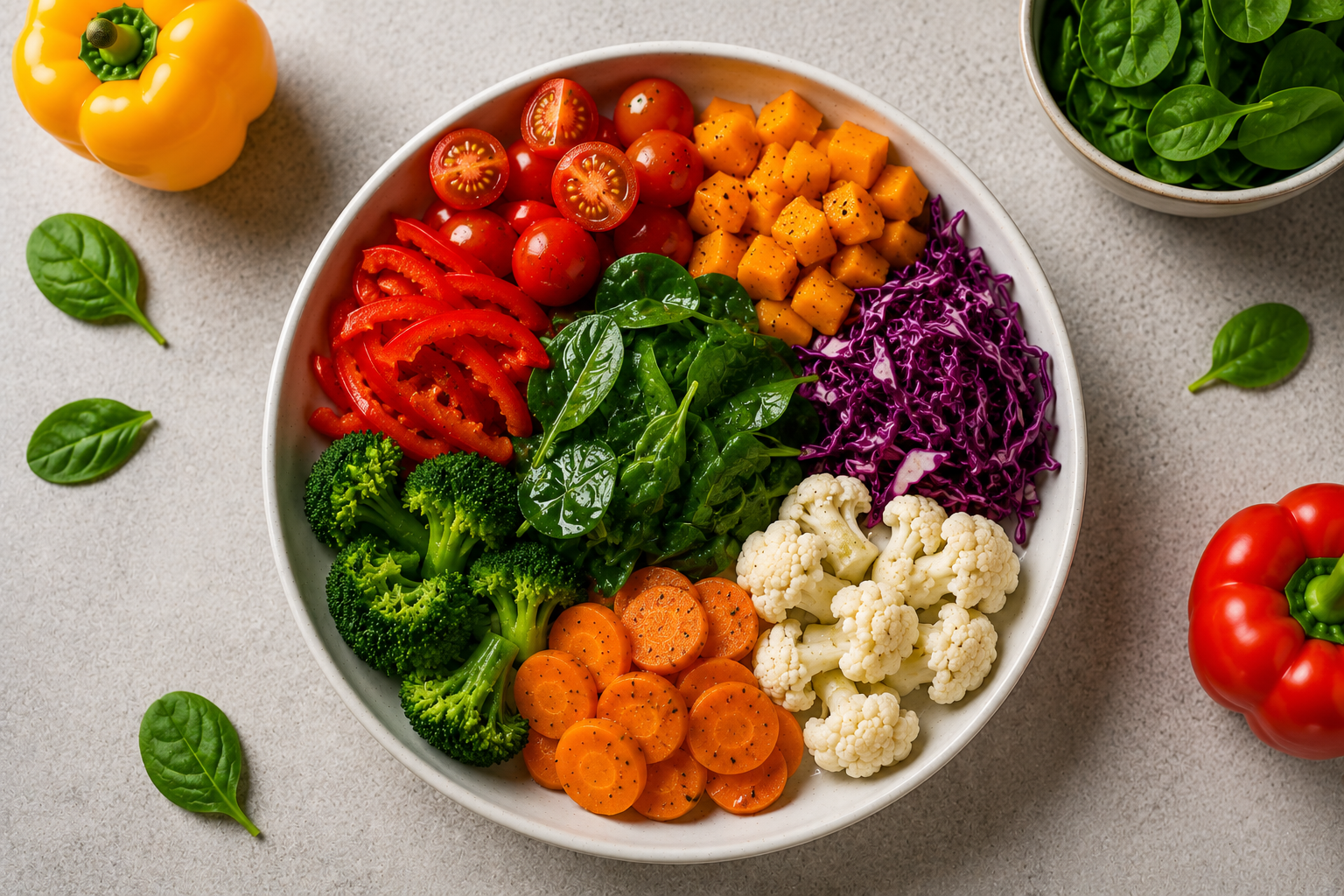
A Sample Rainbow Plate
A balanced meal might include:
- Grilled chicken breast
- Roasted broccoli
- Red bell peppers
- Sweet potatoes
- Purple cabbage slaw
This meal provides protein, fiber, healthy carbohydrates, and a variety of vitamins and antioxidants that support overall health.
The Bottom Line
Eating differently colored vegetables is not a magic weight-loss solution, but it can be a powerful strategy for improving your overall diet.
Colorful vegetables provide fiber, vitamins, minerals, antioxidants, and plant compounds that help support fullness, digestion, blood sugar control, and long-term health.
If weight loss is your goal, focus on creating balanced meals that include:
- Plenty of colorful vegetables
- Adequate protein
- Healthy fats
- Whole-food carbohydrates
Rather than obsessing over a specific color, aim to include a variety of colors throughout the week. The more colorful your plate, the more diverse the nutrients you’re providing your body.
Remember, sustainable weight loss isn’t about eating less food—it’s about eating foods that nourish your body, support your health, and help you feel satisfied.
A colorful plate is a great place to start.