
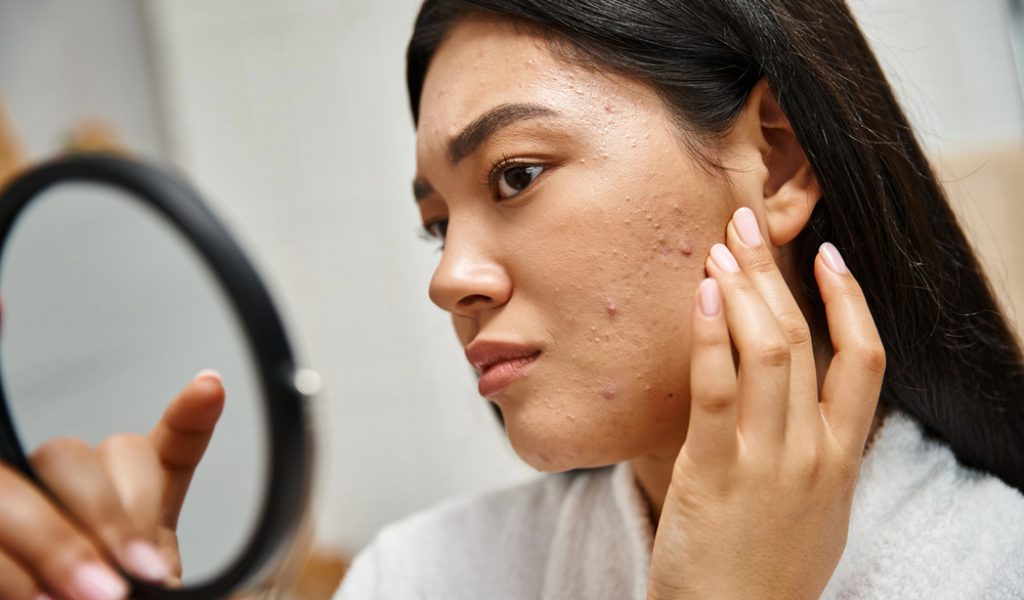


Acne is a common skin problem worldwide. It can appear during teenage years, puberty, or in adults with hormonal changes. The good news is that with the right habits and care, it can be managed.
Acne occurs when pores get clogged with dead skin cells, oil, or bacteria. This can cause blackheads, whiteheads, pimples, or cysts. It is not dangerous, but it can affect confidence, self-esteem, and emotions.
Let’s learn more about acne and simple ways to get rid of it.
What Is Acne?
Your skin has tiny openings called pores, which are connected to oil glands beneath the surface. These glands produce sebum, a natural oil that keeps your skin soft, moisturized, and protected. Normally, sebum flows out of the pores easily, but sometimes it can mix with dead skin cells and bacteria. This mix can block the pores, causing acne to develop.
How Pimples Develop Under the Skin
When a pore becomes blocked, different types of acne can form, depending on how the blockage and inflammation occur:
- Whiteheads appear when the blocked pore stays closed. The trapped oil and dead skin form a small bump under the skin, usually white or flesh-colored.
- Blackheads form when the blocked pore remains open. When the oil inside the pore reacts with air, it turns dark, which gives it the characteristic black top.
- Papules are small, red bumps that can be tender to the touch. They form when the blocked pore becomes inflamed, but no pus is present.
- Pustules are pimples that contain pus. They are red at the base with a white or yellow tip, and they form when the body’s immune system responds to bacteria inside the pore.
- Nodules and Cysts are more severe forms of acne. They are deep, large, and painful lumps under the skin. The difference is nodules are solid and cysts are filled with pus. Both types often need medical treatment to prevent scarring.
Main Causes and Triggers of Acne
- Hormonal Changes: Hormones can increase oil production in the skin. This makes acne common during puberty, monthly periods, pregnancy, and times of stress.
- Poor Skincare Habits: Using strong or drying products, not washing your face properly, or sleeping with makeup on can block pores and make acne worse.
- Diet and Lifestyle Choices: Eating a lot of sugar, dairy, and processed foods can raise insulin levels, Which can increase oil production and cause breakouts.
- Stress and Lack of Sleep: Stress pushes the body to release more cortisol, a hormone that increases oil and inflammation. Not getting enough sleep slows skin healing and can lead to more pimples.
- Genetic Factors: If your parents had acne, you may have a higher chance of getting it too. Genetics can affect oil levels and how sensitive your skin is.
Common Areas Where Acne Appears
- Face Acne: The face is the most common place for acne. Often breakouts show up on the forehead, nose, and chin, also called the T-zone. This area produces more oil than the rest of the face, so pores get blocked more easily. Stress, hormones, makeup, and touching the face can also make facial acne worse.
- Back and Chest Acne: Acne on the back and chest is common, especially in people who sweat a lot. Sweat can mix with bacteria and oil on the skin and block the pores. Tight clothing, backpacks, and not showering after exercise can make this type of acne more likely. These areas have larger oil glands, so breakouts can be stronger and more painful.
- Scalp and Hairline Acne: Acne around the scalp and hairline usually happens because of hair products that are too oily or heavy. These products can build up on the skin and clog pores near the hair. Wearing hats or not washing hair products off properly can also cause bumps and pimples in this area.
Simple Daily Habits to Prevent Acne
- Wash Your Face the Right Way: Clean your face twice a day, once in the morning and once at night. Clean your face with a cleanser that’s appropriate for your skin and that does not dry out your skin. Avoid scrubbing hard because this can irritate your skin and make acne worse. Wash your face with lukewarm water, and not hot water as hot water can strip your skin of its natural oils.
- Keep Hands and Phones Clean: Your hands and phone carry a lot of bacteria and dirt. When you touch your face or place your phone on your cheek, these germs can clog your pores. Wipe your phone often and try to keep your hands away from your face.
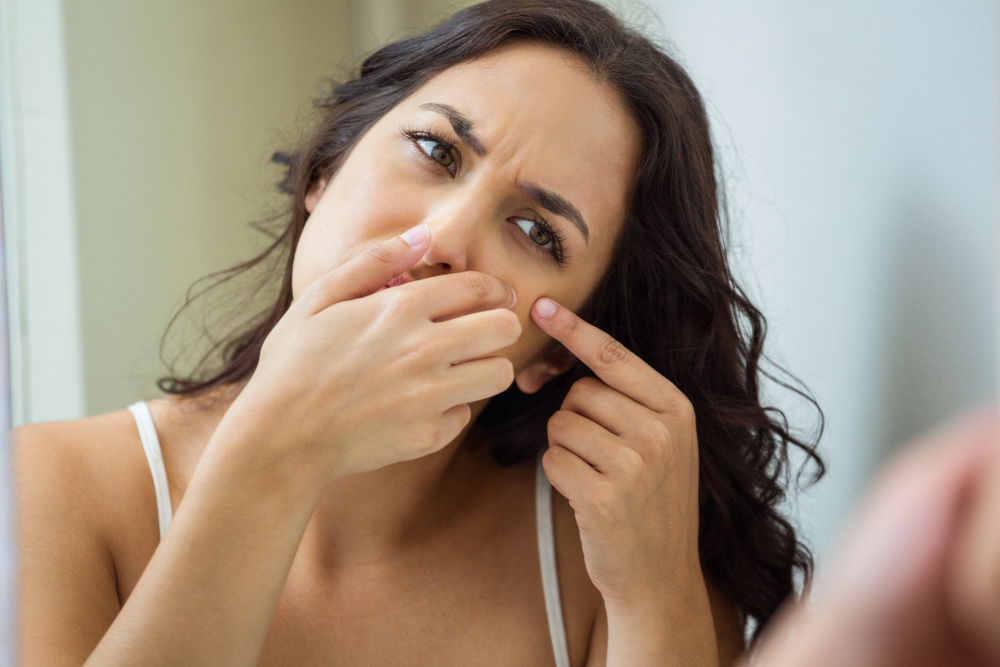
- Avoid Touching or Picking Pimples: It can be tempting to squeeze or pop pimples, but this can push bacteria deeper into the skin. This leads to more redness, swelling, scars, and even infections. Let pimples heal naturally or treat them with proper products.
- Manage Stress and Improve Sleep: Stress can cause your body to produce more oil, which leads to breakouts. Try simple stress-relief activities like meditation, walking, stretching, or light exercise. Aim for 7–8 hours of sleep each night to help your skin repair and stay healthy.
- Stay Hydrated and Eat a Balanced Diet: Drink a lot of water throughout the day to keep your skin hydrated from the inside. Eating fresh fruits, vegetables, whole grains, and lean foods helps the skin to heal and stay clear. Try to reduce sugary snacks and processed foods, as they can trigger breakouts for some people.
Effective Home Remedies for Acne
Many natural ingredients can help calm acne and support healthy skin. These remedies are gentle, easy to use, and can be done at home.
- Tea Tree Oil: Tea tree oil helps fight bacteria that cause pimples. Mix a few drops with coconut oil or jojoba oil to keep it gentle on the skin. Apply it to pimples with a cotton swab. It helps reduce redness, swelling, and irritation.
- Aloe Vera: Aloe vera gel is great for calming the skin. It has healing and cooling effects. Apply fresh aloe gel directly to your face once or twice a day. It helps reduce redness and keeps the skin soft.
- Honey and Cinnamon Mask: Honey and cinnamon are known for their ability to fight bacteria. Mix 1 tablespoon of honey with half a teaspoon of cinnamon. Apply the mask to your face for 10 to 15 minutes, then rinse it off. This helps soothe inflamed skin and reduce breakouts.
- Green Tea: Green tea is rich in antioxidants. Drinking it daily can help lower inflammation in the body, which may reduce acne. You can also apply cooled green tea to your face with a cotton pad to calm the skin and fight bacteria.
- Apple Cider Vinegar: Apple cider vinegar assists in balancing the skin’s pH and fighting germs. Combine 1 part vinegar and 3 parts water together and mix well. After cleansing, gently apply it to your skin with a cotton pad. This can help control oil and prevent clogged pores.
Over-the-Counter Treatments That Work
- Benzoyl Peroxide: Benzoyl peroxide helps kill the bacteria that cause pimples. It also reduces extra oil on the skin. Start with a lower strength, like 2.5% or 5% to avoid dryness or irritation. Apply a small amount once a day, then slowly increase if your skin reacts well.
- Salicylic Acid: Salicylic acid helps unclog pores by removing dead skin cells. It is great for treating blackheads and whiteheads. You can find salicylic acid in products such as cleansers, toners, and spot treatments. Use it once or twice a day, depending on how well your skin handles it.
- Retinoids (Vitamin A Derivatives): Retinoids help keep pores clear and speed up skin renewal. They can reduce breakouts and improve skin texture over time. Apply it at night because it can make your skin sensitive to sunlight. Always use sunscreen the next day to protect your skin.
- Sulfur and Clay Masks: Sulfur and clay help absorb extra oil, pull out impurities, and calm inflamed skin. Use these masks once or twice a week to keep pores clean and reduce extra oil. They are especially helpful for oily and acne-prone skin.
When to See a Dermatologist
- Severe or Painful Acne: If you have deep, painful cystic acne or large breakouts that do not go away, it’s best to see a dermatologist. These types of acne often need stronger treatments that you cannot get over the counter.
- Acne Scars and Dark Marks: If your acne is leaving scars or dark spots, a dermatologist can help fade them. They offer treatments like chemical peels, laser therapy, or special creams that even out your skin tone.
- Prescription Medications and Professional Care: For stubborn acne that keeps coming back, a dermatologist may recommend prescription treatments. These can include oral antibiotics, hormonal therapy, or stronger retinoids. Professional care can help control acne faster and prevent long-term damage.
Medical Treatments for Persistent Acne
Many medical options for acne do not improve with home care or over-the-counter products. These treatments are usually done by dermatologists and can give stronger, faster results.
- Chemical Peels: Chemical peels remove the top layer of dead skin. This helps clear clogged pores, reduce dark spots, and smooth the skin. They can improve mild to moderate acne and make the skin look brighter.
- Laser and Light Therapy: Laser and light treatments help kill the bacteria that cause acne. They also reduce oil production. These treatments are helpful for long-term control and can reduce future breakouts.
- Oral Medications
- Antibiotics: These help reduce bacteria and calm swelling in the skin.
- Hormonal Pills: These help balance hormones that may be causing breakouts, especially in women.
- Isotretinoin: A strong medication for severe acne that has not responded to other treatments. It is usually used under close medical supervision.
Diet and Acne
Some foods can trigger breakouts because they raise insulin levels, which leads to more oil production. These include:
- Sugary snacks and soft drinks
- Milk and other dairy products
- Fried and greasy foods
- White bread and pasta
Skin-Friendly Foods to Add to Your Diet
Eating nutritious foods can support healthy, clear skin. Try adding:
- Leafy greens like spinach and kale
- Omega-3-rich foods such as salmon, chia seeds, and flaxseeds
- Fruits high in vitamin C, like oranges, strawberries, and berries
- Nuts and seeds that contain zinc
Importance of Drinking Enough Water: Staying hydrated helps your skin stay soft and healthy. Water also helps the body clear out toxins and supports faster healing of pimples.
Lifestyle Changes to Support Clear Skin
- Regular Exercise and Safe Sweating: Exercise improves blood flow and helps the body remove waste. It also lowers stress, which can reduce breakouts. Always shower soon after exercising to keep sweat and bacteria from clogging your pores.
- Avoid Smoking and Limit Alcohol: Smoking reduces oxygen to the skin, making it dull and slowing healing. Alcohol dries out the skin and can increase inflammation, which makes acne worse.
- Consistency Is Key in Skincare: Acne takes time to improve. A good skincare routine needs at least 6–8 weeks of steady use before you see clear results. Be patient and stick with your plan.
How to Get Rid of Acne Scars Naturally
There are many natural and gentle ways to fade acne scars and improve skin texture. These methods help your skin heal slowly and safely.
Exfoliation and Microdermabrasion: Exfoliating skin regularly removes dead skin cells and encourages new skin to grow. You can use mild exfoliants at home, like gentle scrubs or chemical exfoliants made for sensitive skin. For deeper results, a dermatologist can perform microdermabrasion, which smooths the skin and lightens scars over time.
Vitamin C and Niacinamide Serums: Vitamin C helps brighten dark spots and gives the skin a more even tone. Niacinamide reduces redness, lightens marks, and strengthens the skin barrier. Using these serums on a daily basis can slowly fade scars and improve overall skin health.
Sunscreen: Sun exposure can make acne scars darker and harder to treat. Always use sunscreen with SPF 30 or higher before going outside. This protects your skin and helps scars fade faster. UV rays can harm your skin, even on cloudy days.
Conclusion:
Acne takes time to improve, but gentle and steady care makes a difference. Simple daily habits, like washing your face properly, eating healthy, drinking enough water, and using the right products, help your skin stay strong and clear.
Everyone’s skin is not the same, so focus on what works best for your skin. Be patient and don’t get discouraged if results take time.
If acne is severe, painful, or leaves marks, a dermatologist can provide treatments to help your skin heal faster.
Remember, gentle and consistent care can lead to the clear, glowing skin you want.
FAQs
Q1. How long does acne take to clear up?
A: Mild acne can improve within 4–6 weeks with proper care. Severe acne may take months of treatment.
Q2. Can stress really cause acne?
A: Yes, stress hormones increase oil production and inflammation, leading to breakouts.
Q3. Is toothpaste good for pimples?
A: No, it can irritate your skin. Stick to proven treatments like tea tree oil or salicylic acid.
Q4. Does makeup worsen acne?
A: Not if you use non-comedogenic (non-pore-clogging) products and remove makeup before sleeping.
Q5. Can acne be cured permanently?
A: It can be controlled with consistent skincare, healthy habits, and professional help if needed.
Q6. Does drinking water alone clear acne?
A: Water helps detoxify your body, but it must be combined with good hygiene, diet, and skincare for visible results.