



In my childhood, I ate apples every day. They were one of my favorite fruits, and I always took one to school. This made me curious about why apples are considered so healthy, so I decided to gather information and share it with you.
Apples are well-known throughout the world. People have enjoyed them for hundreds of years, and many cultures have old sayings about their health benefits. The most famous one is: “An apple a day keeps the doctor away.”
This saying may sound simple, but there is real truth behind it. Apples provide important nutrients that protect the body, support overall health, and may help prevent long-term diseases such as heart disease, type 2 diabetes, and some forms of cancer.
Let’s look more closely at the nutritional value of apples and how they help the body.
Nutritional Value of Apples
| A medium apple contains:
● About 95 calories ● Around 4 to 5 grams of fiber ● Almost 86% water ● A good amount of vitamin C ● Natural plant chemicals called polyphenols and antioxidants |
Apples have no fat, sodium, or cholesterol. They are a clean, natural food that gives your body fuel, vitamins, and fiber without added sugar or processed ingredients. Most of the nutrients are found in or just under the skin, so it is best to eat apples with the peel on.
Popular Apple Varieties and Their Health Benefits
Do you know apples come in many different varieties? Each type has its own unique flavor, texture, and nutritional benefits
Here are some popular types and what makes them healthy:
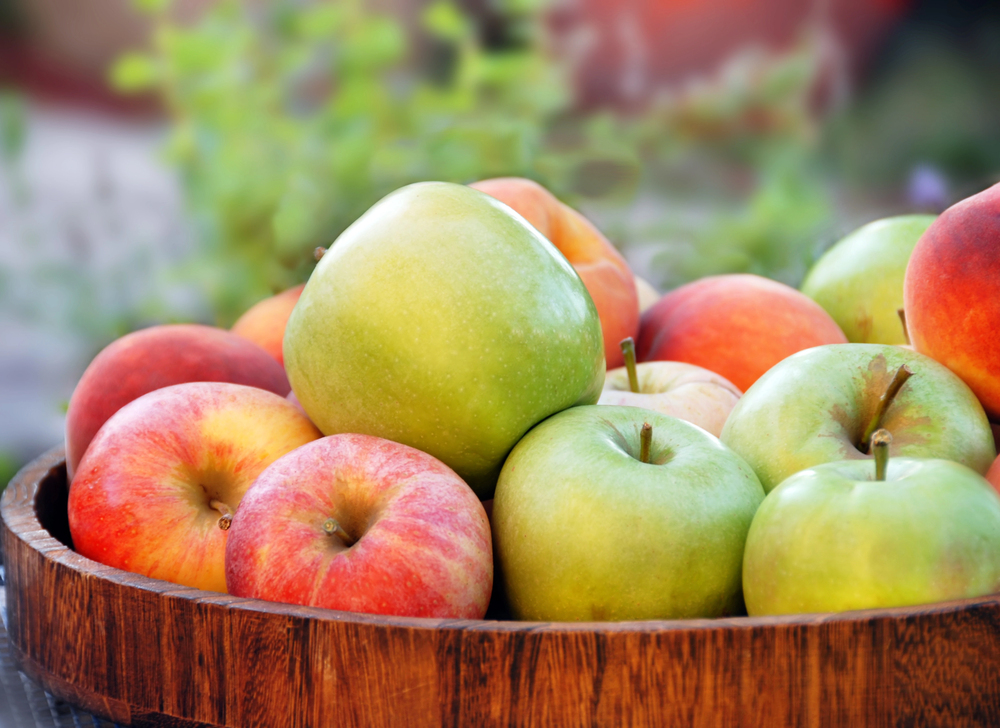
- Red Delicious: This apple is rich in phenolic antioxidants, which help protect your heart by reducing inflammation and preventing cell damage. A medium Red Delicious apple provides about 5 grams of fiber, supporting digestion and heart health.
- Granny Smith: Known for its tart flavor, Granny Smith is high in polyphenol antioxidants and malic acid. It has a lower sugar content, making it a good choice for controlling blood sugar. It contains about 2.5 grams of fiber per medium apple.
- Fuji: Sweet and crisp, Fuji apples are high in polyphenols like chlorogenic acid and catechin. They also contain prebiotic fiber, which supports the growth of healthy gut bacteria. A medium Fuji apple has about 4 grams of fiber.
- Gala: Mildly sweet, Gala apples have good antioxidant and fiber content. Studies suggest they may help reduce inflammation markers linked to heart disease. A medium size Gala apple provides about 4 grams of fiber.
- Renetta Canada: This sweet-tart apple is rich in polyphenol antioxidants called proanthocyanidins. These compounds may help lower cholesterol and reduce the risk of heart disease. It contains around 2.6 grams of fiber.
- Honeycrisp: Sweet and juicy, Honeycrisp apples are high in phenolic compounds that may support heart health and have anti-aging benefits. They also contain antioxidants that could help manage blood sugar. A medium Honeycrisp has about 3 grams of fiber.
- Pink Lady: Known for its sweet-tart taste, Pink Lady is rich in antioxidants such as chlorogenic acid and catechin. It may have anticancer properties and provides a good balance of nutrients to support overall health.
- Note: Among these varieties, Granny Smith stands out for blood sugar management, and Pink Lady is especially rich in antioxidants. However, all these apples provide fiber, vitamins, and antioxidants that contribute to overall health.
Why Apples Are Good for Health
Apples are more than just a tasty fruit, they are packed with nutrients that protect your body and support different systems like the heart, brain, and digestive system. The key compounds that make apples healthy include:
- Pectin: A type of soluble fiber found mainly in the peel. Pectin helps digestion by making stools softer and easier to pass. It also lowers “bad” LDL cholesterol, which can protect the heart.
- Quercetin: A natural antioxidant that protects cells from damage caused by harmful molecules called free radicals. Quercetin supports the health of the heart, lungs, and brain, and may reduce inflammation.
- Catechin and Chlorogenic Acid: These antioxidants fight inflammation, protect cells from damage, and support overall health. They also help the body fight chronic diseases over time.
How Apples Improve Overall Health
Eating apples regularly can keep your body healthy and support brain function. Here are some of the main ways apples benefit your health:
- Support Heart Health: Heart disease is one of the most common health problems worldwide. Apples can help keep your heart strong because they contain fiber and antioxidants. Studies show that people who eat apples regularly may have a lower risk of heart disease and stroke. The antioxidants in apples help protect blood vessels, keeping the heart healthy over time.
- Soluble fiber in apples helps lower LDL cholesterol, often called “bad cholesterol.
- Polyphenols in apples relax blood vessels and improve blood flow.
- Apples may also help reduce inflammation in the arteries.
- Improve Digestion: Many digestive problems, such as constipation, gas, or upset stomach, happen when there isn’t enough fiber in the diet. Apples are an easy way to add more fiber and support a healthy gut. A healthy gut helps reduce inflammation, improves nutrient absorption, and supports the immune system.
- Pectin, the soluble fiber in apples, absorbs water and forms a soft gel in the digestive system.
- This gel helps move stool smoothly through the intestines, preventing constipation.
- Apples also act as a prebiotic, feeding the good bacteria in the gut and keeping digestion balanced.
- Help With Weight Management: Apples are high in fiber and water but low in calories, which makes them very filling. Feeling full can help prevent overeating and reduce snacking on high-calorie foods.
Studies show that people who include apples in their meals may lose small amounts of weight over time. The natural sweetness of apples can also help curb cravings for candy or other sugary snacks.
Tip: Eat an apple before a meal to feel full faster, so you eat less overall.
- Help Control Blood Sugar Levels: Apples can help keep blood sugar steady, which is important for overall health and diabetes prevention. Studies show that eating apples is linked to a lower risk of developing type 2 diabetes. Even eating apples once a week can provide some benefit.
People with diabetes can also enjoy apples. One small apple per meal or snack is a good portion, especially when paired with protein or healthy fats like nuts or peanut butter.
- The fiber in apples slows down digestion, preventing sharp spikes in blood sugar after meals.
- Antioxidants in apples support the pancreas, the organ that controls insulin.
- Reduce the Risk of Some Cancers: Apples are rich in antioxidants, which help protect cells from damage and harmful chemicals. They also contain fiber, which supports colon health. Eating more fiber has been linked to a lower risk of colorectal cancer.
While apples alone cannot prevent cancer, including them in your diet can help support long-term health.
Research suggests that eating apples may help lower the risk of:
- Breast cancer
- Lung cancer
- Prostate cancer
- Some cancers of the digestive tract
- Support Brain Health: Over time, the brain can be affected by inflammation and damage from harmful molecules called free radicals. The antioxidants in apples, especially quercetin, may help protect brain cells from this damage.
Some studies suggest that eating apples may slow down age-related memory decline. Even though more research is needed, early results are promising. Eating a diet rich in fruits and vegetables, including apples, generally supports better brain function as we get older.
- Strengthen the Immune System: Vitamin C is essential for a strong immune system, and apples are a good source of this vitamin. They also contain other antioxidants that help the body defend itself against illness.
Eating apples regularly can support the immune system by:
- Reducing inflammation
- Helping white blood cells work better
- Improving gut health, which is closely linked to immunity
How Many Apples Should You Eat?
Most studies suggest that eating one to two apples a day gives the best health benefits. However, apples are most effective when included as part of a balanced, plant-based diet.
Eating a variety of other plant foods such as vegetables, beans, whole grains, nuts, seeds, and other fruits helps your body get a mix of vitamins, minerals, fiber, and antioxidants. These nutrients work together with the compounds in apples to support your heart, digestion, blood sugar, brain, and immune system, keeping you healthier overall.
Best Way to Eat Apples
- Eat Apples With the Skin: Most of the nutrients, including fiber and antioxidants, are found in or just under the skin. Eating apples with the skin on gives you the maximum health benefits.
- Choose Fresh Apples: Fresh apples are the healthiest option. They retain most of their vitamins, minerals, and antioxidants compared to processed or preserved forms.
- Pair With Protein or Healthy Fats: Apple slices go well with peanut butter, nuts, or other healthy fats. This makes a balanced snack that keeps you full longer and helps manage blood sugar.
- Apple Smoothies: Smoothies can be a good way to enjoy apples, but keep the fiber by blending the whole fruit instead of removing the peel or straining it.
- Apple Juice and Cider: Apple juice and cider have much less fiber than whole apples. While they contain some vitamins, they don’t offer the same health benefits as eating the whole fruit.
Possible Side Effects
For most people, eating apples is safe and healthy. However, there are things to keep in mind:
- Digestive Issues: Some people may experience gas, bloating, or mild stomach discomfort after eating apples. This is usually caused by the natural sugars and fiber in the fruit.
- Allergies: People who are allergic to birch pollen may sometimes have a reaction to raw apples. Symptoms can include itching, swelling, or mild irritation in the mouth and throat.
- Apple Seeds: Apple seeds contain a compound that can release a small amount of poison if eaten in large quantities. Swallowing a few seeds accidentally is usually harmless, but it’s best to avoid eating the seeds regularly.
Final Thoughts
Apples are an easily available, affordable, and powerful fruit. They provide fiber, antioxidants, natural plant compounds, and vitamins that support the heart, digestion, immune system, and brain.
You do not need to follow a complicated diet to benefit from apples. Just adding one or two apples to your daily routine can make a real difference. Eat them whole, with the peel, and try to include them along with many other plant-based foods.
So, take a bite of health, one apple a day gives your body a natural boost!