
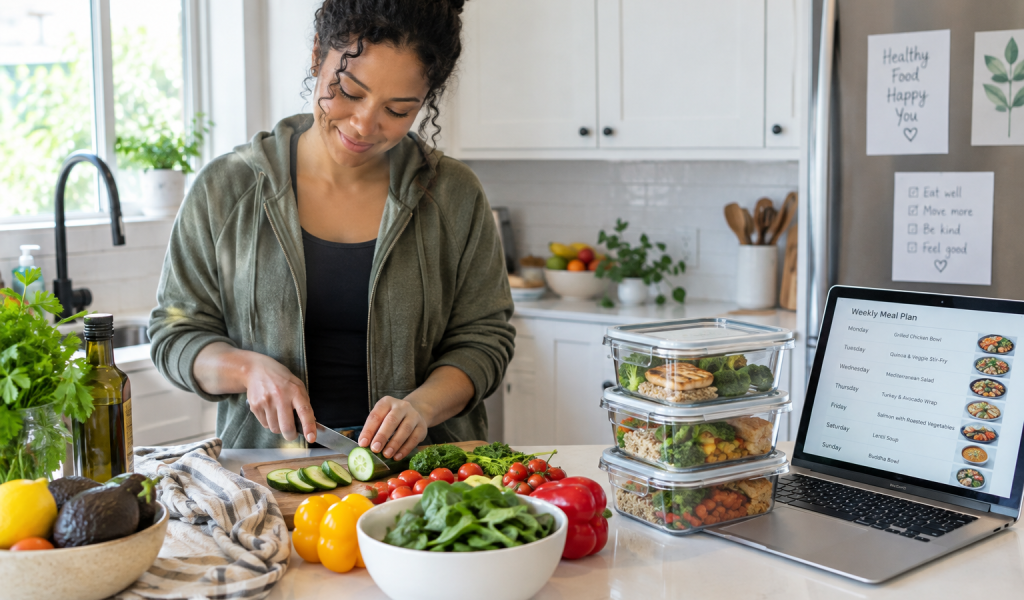


Juggling a career, family, workouts, and social life can make healthy eating feel like a moving target. A personalized meal plan translates nutrition concepts into options you can actually follow day to day. It isn’t about deprivation or chasing a trendy rule; it’s about a tailored approach that fits your schedule, food preferences, and energy needs. This guide explains when a personalized plan makes sense, what it includes, and how to start making it work for you.
Think of a plan as a framework you can customize rather than a fixed set of prescriptions. The goal is sustainable habits that support energy, mood, and gradual progress you can maintain over months. Below you’ll find practical steps, examples, and questions to help you decide what kind of plan could support your goals without adding stress.
Why a personalized plan can help busy women
For many women, personal circumstances shape how nourishing eating actually happens. A personalized plan takes into account daily routines, work patterns, sleep windows, and personal preferences, turning nutrition into an actionable system rather than a set of abstract rules.
Key advantages include:
- Clarity and consistency: Clear daily choices reduce decision fatigue, especially on busy days.
- Better energy management: When meals support steady energy, you’re less likely to experience mid-afternoon crashes or late-night cravings.
- Craving and appetite alignment: Planning protein, fiber, and fat at meals can help with fullness and reduce spur-of-the-moment snacking.
- Flexibility without guilt: A plan can include your favorite foods in balanced amounts, making sustainable eating more enjoyable.
Remember, personalization isn’t about perfection. It’s about building a structure that respects your real life, with room to adapt when work travel, kids’ schedules, or an especially stressful week shakes things up.
What makes a plan personalized (without overcomplication)
A practical personalized plan includes a few adaptable components rather than a rigid menu. Here are the core elements to consider:
Calorie and protein targets
Some women benefit from a general guidance approach (focusing on plate balance and portion sizes), while others prefer a specific calorie target paired with a protein goal. The right level depends on your energy needs, activity level, and whether you’re aiming for weight maintenance or gradual loss. A simple starting point is to aim for steady energy and adequate protein at each meal (for example, 20–30 grams of protein per main meal) while using vegetables, fiber, and healthy fats to support fullness.
Food preferences and dietary patterns
Personalization works best when it respects taste preferences, cultural foods, and any dietary patterns you already follow. If you love Mediterranean meals, your plan might emphasize olive oil, legumes, and lean proteins. If you prefer quick prep, it could lean toward batch-cooked grains, roasted vegetables, and easy protein options. The goal is a plan you enjoy enough to stick with.
Timing and schedule constraints
Consider when you eat and how much time you have to prepare meals. A plan should map your typical day, including work shifts, school runs, and workouts. For some, two larger meals with one or two snacks works well; for others, three solid meals with two lighter snacks fits better. The right timing helps you avoid overeating or relying on high-sugar snacks during long gaps between activities.
Practical formats you can live with
There is no universal best format. Options include:
- Plate method with balanced portions at three main meals.
- Macro-focused plans (calories, protein grams, and carbohydrate/fat targets).
- Meal-prep templates for 2–4 days, with quick additions for leftovers or eaten-out days.
- Flexible “built-your-day” templates, where you choose from a short, curated list of breakfast, lunch, dinner, and snack options.
Whichever format you choose, the emphasis should be on sustainable choices, not perfection.
Is a personalized plan necessary? Signs it might be useful
Personalization can be particularly helpful in certain situations. Consider a plan if you recognize several of the following:
- You have irregular or long work hours: It’s tough to predict hunger cues or meal timing, making a flexible plan valuable.
- You frequently snack due to energy dips: A plan emphasizing protein and fiber at meals can support longer satiety between meals.
- You’ve tried generic diets that didn’t stick: Personalization can align with your preferences and lifestyle, increasing adherence.
- You have cravings tied to specific times or situations: A plan can include strategies to manage cravings before they start.
- You’re balancing workouts with recovery and stress: A nutrition plan tailored to activity can support energy and muscle recovery.
It’s important to note that a personalized plan should be viewed as a helpful tool, not a guarantee. If your goals or circumstances change, your plan can (and should) evolve with you.
How to implement a personalized plan in real life
Putting a plan into action is where many people stumble. Here is a practical, step-by-step approach that can be done over a weekend and adjusted weekly.
Decide on a flexible structure (three meals with two snacks, or two larger meals plus two snacks) and a rough protein target per meal (for example, 20–30 grams). Write down your wake time, work blocks, workouts, and usual meal times. Identify where you tend to feel hungry or drained. List 3–5 protein options, 3 starch or carbohydrate bases, 3 vegetables, and 3 sources of healthy fat you enjoy. This becomes your quick-start pantry and fridge. Pair each meal with one or two recommended options. Include at least one snack that travels well for busy days. Build a grocery list from your plan. Do a 1–2 hour prep session to wash, chop, portion, and batch-cook a couple of staples. Note what felt easy, what felt too restrictive, and where you ran into trouble. Use this to tweak portions, timing, and food choices. Have a few “out-to-eat” or takeout-friendly swaps ready (for example, grilled chicken over a large salad, or a veggie-forward bowl where you can add a protein).
Here’s a practical example to illustrate how a day might look within a personalized plan:
Sample day from a busy-woman-friendly plan
Breakfast: Greek yogurt bowl with berries, a tablespoon of chia seeds, and a handful of almonds.
Mid-morning snack: An apple with a small handful of walnuts.
Lunch: Quinoa and chickpea bowl with mixed roasted vegetables and a vinaigrette made with olive oil.
Afternoon snack: Carrot sticks with hummus and a piece of dark chocolate.
Dinner: Grilled salmon or tofu, a serving of brown rice or barley, and steamed greens with a squeeze of lemon.
Evening option (if needed): A small smoothie with spinach, frozen berries, a scoop of protein powder, and water or unsweetened almond milk.
This example focuses on balanced portions, protein at each meal, fiber-rich vegetables, and a mix of healthy fats. Your exact foods can vary, but the framework supports steady energy and fullness.
Practical tips for sustaining without feeling deprived
Adherence grows when meals feel nourishing and predictable, yet still allow room for pleasure. Try these practical ideas:
- Prioritize protein at each meal: It helps with fullness and supports muscle maintenance during weight management.
- Fill half your plate with vegetables: They add volume, fiber, and micronutrients without a lot of calories.
- Plan for leftovers: Build dishes that reheat well or remix into a new meal, reducing cooking time on busy days.
- Smart snacking: Combine a protein source with fiber (for example, cheese and fruit, or yogurt with seeds) to improve satiety between meals.
- Keep a quick grocery list template: When you’re short on time, a ready-made list helps you shop efficiently without impulse buys.
Meals don’t have to be perfect every day. The aim is a pattern you can repeat with small, manageable variations that fit your week.
When to consider professional help
Most women can benefit from some level of personalization, but there are moments when more tailored support is especially valuable. If you notice persistent cravings that disrupt daily life, ongoing energy fluctuations, digestive discomfort that isn’t explained by food choices, or a desire to align exercise with recovery and performance, a personalized plan designed with your biology and schedule in mind may offer clearer direction. A clinician or registered dietitian can help ensure your plan respects any medical considerations and nutritional needs. In many cases, a well-built plan can be paired with coaching or periodic check-ins to keep you accountable and supported.
At Women’s Health & Diet, the approach emphasizes practical customization that fits your life, your food preferences, and your activity level. If you’re curious about building a plan that reflects your routines, you may find it helpful to explore our Custom Diet & Fitness Plan when you’re ready for guidance tailored to you.
Ultimately, personalization should empower you to eat well with less stress, not add to it. It’s about turning healthy choices into consistent habits that suit your life now and adjust as your circumstances change.
Frequently Asked Questions
Q1: How is a personalized plan different from a generic meal plan?
A1: A personalized plan considers your daily schedule, food preferences, activity level, and energy needs, aiming for sustainable choices rather than a one-size-fits-all template.
Q2: Do I need to count calories to benefit from personalization?
A2: Not necessarily. Some people prefer a precise calorie target; others use a plate-based approach focusing on protein, fiber, and vegetables. Start with what feels practical for you and adjust over time.
Q3: How long does it take to see changes after starting a personalized plan?
A3: Individual responses vary. Many people notice improved energy and reduced overeating within a few weeks when the plan suits their routine and preferences. Sustainable progress often appears gradually.
Q4: Can the plan adapt to travel or irregular work shifts?
A4: Yes. The strength of a personalized plan lies in its flexibility. You can map portable options, adjust meal timing, and use quick, balanced choices when schedules shift.
Q5: Is this approach suitable for someone with specific dietary needs or restrictions?
A5: Personalization can accommodate allergies, intolerances, or cultural preferences. If there are medical concerns, consult a healthcare professional to ensure the plan meets your needs safely.
Taking the next step
If you want guidance tailored to your life, consider exploring a customized route that aligns with your schedule, food likes, and activity level. A personalized plan can provide structure while leaving room for real-life flexibility. For readers who want a comprehensive, individualized approach, the Women’s Health & Diet Custom Diet & Fitness Plan offers support designed around you. Learn more by visiting Custom Diet & Fitness Plan.
Conclusion
A personalized meal plan isn’t a rigid commandment; it’s a practical framework built for real life. By focusing on your schedule, preferences, and energy needs, you can create balanced meals that support sustainable weight management, better energy, and fewer cravings. Start with a simple structure, test what works for you, and adjust as needed. With thoughtful planning, healthy eating can fit your busy life—without adding stress.