
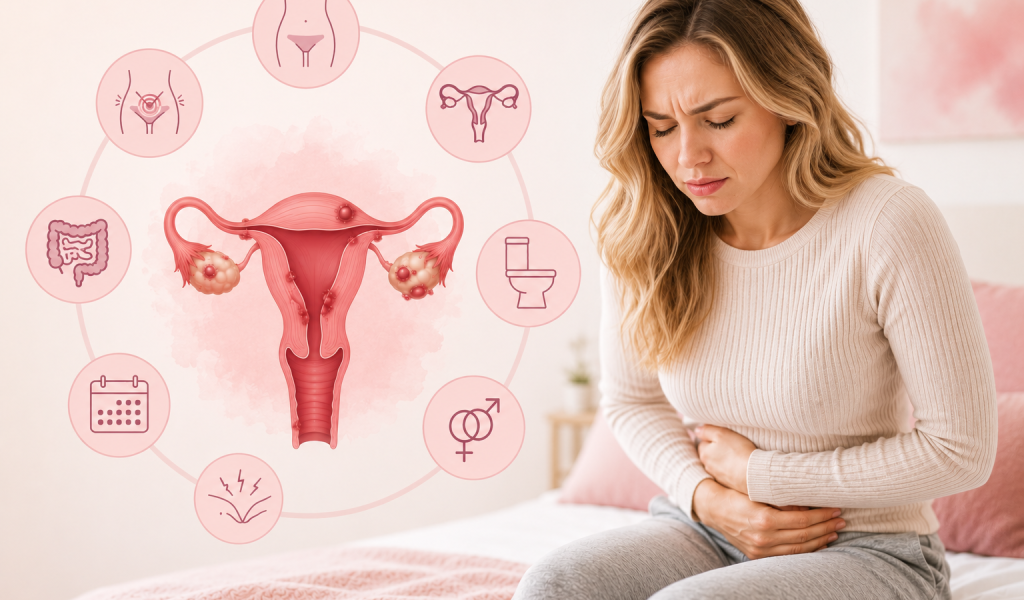


Endometriosis is a chronic condition that affects an estimated 1 in 10 women of reproductive age, yet many women spend years searching for answers before receiving a diagnosis. Because its symptoms often overlap with common menstrual discomfort or digestive disorders, endometriosis is frequently overlooked or mistaken for something else.
Many women are told that severe period pain is “just part of being a woman.” While mild menstrual cramps can be normal, pain that regularly interferes with work, school, relationships, or daily activities should never be ignored.
Learning to recognize the signs of endometriosis can help you seek medical care sooner and begin exploring treatment options that may improve your quality of life.
In this article, we’ll discuss the most common symptoms of endometriosis, what causes them, risk factors, diagnosis, treatment options, and when it’s time to talk with your healthcare provider.
What Is Endometriosis?
Endometriosis is a condition in which tissue similar to the lining of the uterus (called the endometrium) grows outside the uterus or other areas.
This tissue can develop on the:
- Ovaries
- Fallopian tubes
- Outside of the uterus
- Pelvic lining
- Bladder
- Intestines
- Rectum
- Other nearby organs
This tissue responds to hormonal changes throughout the menstrual cycle. However, unlike menstrual blood that leaves the body during a period, this misplaced tissue has nowhere to go. Over time, it can lead to:
- Inflammation
- Scar tissue (adhesions)
- Irritation
- Chronic pelvic pain
- Fertility problems
The severity of endometriosis doesn’t always match the amount of pain a woman experiences. Some women with mild disease have severe symptoms, while others with advanced endometriosis have very little discomfort.
- Severe Menstrual Cramps
One of the most common signs of endometriosis is painful menstrual cramps that are much more intense than typical period pain.
Women often describe the pain as:
- Sharp
- Stabbing
- Burning
- Throbbing
- Crippling
Unlike ordinary menstrual cramps, endometriosis pain may:
- Begin several days before your period
- Continue throughout your period
- Last for several days afterward
- Fail to improve with over-the-counter pain medication
If your period pain forces you to miss work, school, or important events, it’s worth discussing with a healthcare professional.
- Chronic Pelvic Pain
Pain isn’t always limited to your menstrual cycle.
Many women experience pelvic pain throughout the month.
This pain may feel:
- Dull and aching
- Constant
- Intermittent
- Sharp during certain movements
Chronic pelvic pain can affect:
- Walking
- Sitting for long periods
- Exercising
- Sleeping
- Daily activities
Persistent pelvic pain should always be evaluated by a healthcare provider.
- Pain During or After Sexual Intercourse
Pain during sex (dyspareunia) is another common symptom of endometriosis.
Some women experience:
- Deep pelvic pain
- Sharp pain with penetration
- Cramping afterward
- Pain lasting for several hours after intercourse
Pain during intimacy is not something you simply have to live with. It deserves medical attention and evaluation.
- Heavy or Irregular Menstrual Bleeding
Although not every woman with endometriosis experiences heavy bleeding, many women report:
- Heavy periods
- Bleeding between periods
- Long menstrual cycles
- Passing large blood clots
Heavy menstrual bleeding can increase your risk of iron deficiency anemia, which may lead to:
- Fatigue
- Weakness
- Dizziness
- Pale skin
- Shortness of breath
If you’re soaking through pads or tampons very quickly or bleeding for longer than usual, it’s important to discuss these symptoms with your healthcare provider.
- Painful Bowel Movements
Some women notice severe pain during bowel movements, especially while menstruating.
This may include:
- Sharp rectal pain
- Cramping
- Pressure
- Pain before or after using the bathroom
When endometriosis affects tissue near the bowel, these symptoms may become more noticeable during your menstrual cycle.
- Painful Urination
If endometrial-like tissue develops near the bladder or urinary tract, some women experience:
- Pain while urinating
- Burning sensations
- Pelvic pressure
- Increased urinary urgency
These symptoms often worsen during menstruation.
However, urinary symptoms can have many causes, including urinary tract infections, so proper medical evaluation is important.
- Digestive Problems
Many women with endometriosis initially believe they have digestive disorders because their symptoms resemble irritable bowel syndrome (IBS).
Common digestive symptoms include:
- Bloating
- Constipation
- Diarrhea
- Gas
- Nausea
- Abdominal pain
One of the best-known digestive symptoms is what’s often called “endo belly,” a term used to describe severe abdominal bloating that may occur before or during a period.
Although bloating has many possible causes, recurring digestive symptoms that worsen around menstruation are worth discussing with your healthcare provider.
- Lower Back and Hip Pain
Endometriosis pain can be experienced in other areas besides the pelvis.
Some women experience:
- Lower back pain
- Hip pain
- Buttock pain
- Pain radiating into the thighs
These symptoms often become more noticeable around the menstrual cycle but can also occur at other times.
- Pain During Ovulation
Some women notice intense pain around the middle of their menstrual cycle when they ovulate.
Although mild ovulation discomfort (sometimes called mittelschmerz) can be normal, severe pain that interferes with daily life deserves medical evaluation.
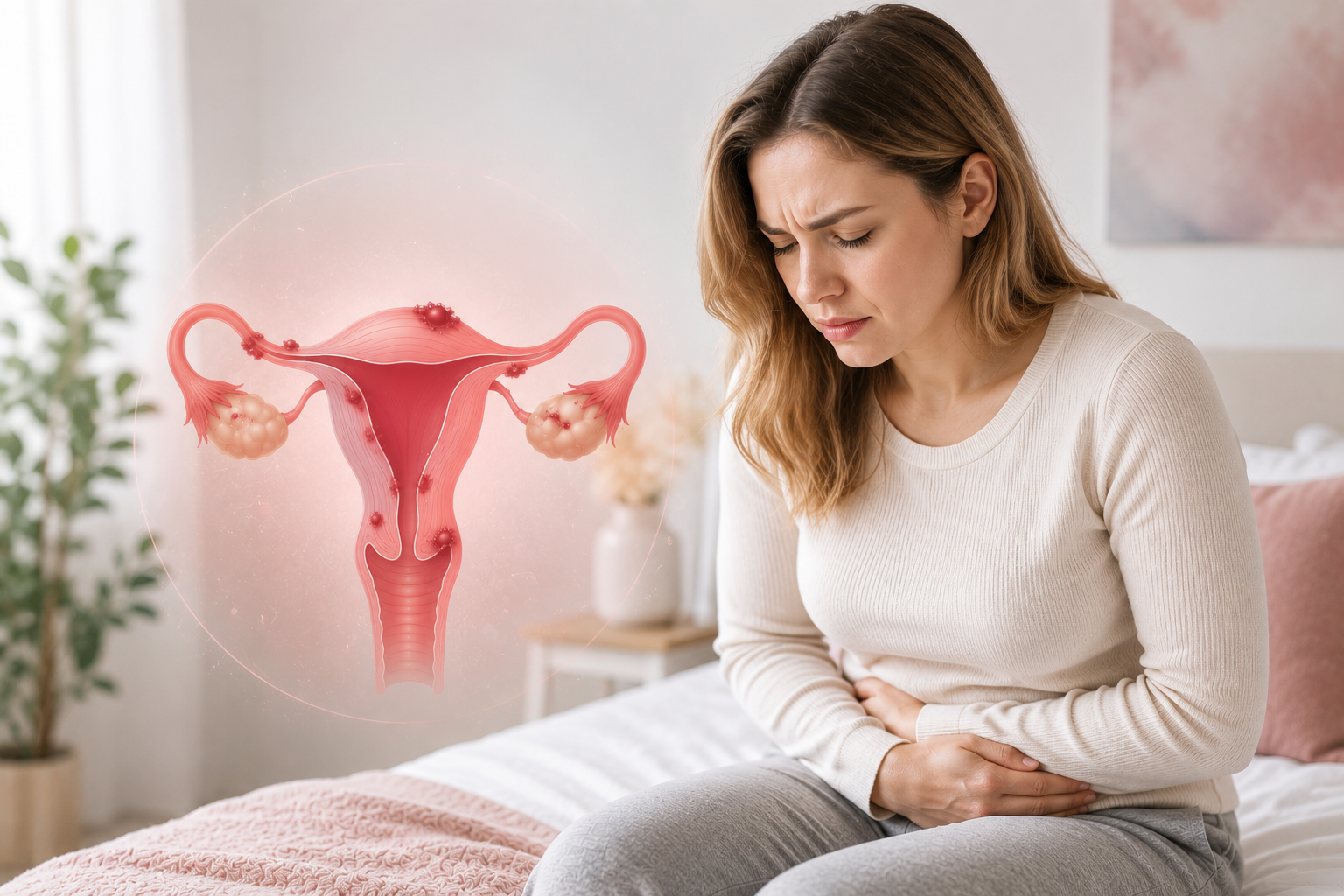
- Difficulty Becoming Pregnant
Endometriosis is one of the leading causes of infertility.
The condition may affect fertility by:
- Causing inflammation
- Blocking fallopian tubes
- Creating scar tissue
- Affecting egg quality
- Changing the pelvic environment
It’s important to remember that many women with endometriosis still become pregnant naturally, while others may benefit from fertility treatments.
If you’ve been trying to conceive without success, talk with your healthcare provider about possible underlying causes.
- Chronic Fatigue
Living with chronic pain and inflammation can be exhausting.
Many women with endometriosis report:
- Constant tiredness
- Low energy
- Difficulty concentrating
- Brain fog
- Feeling drained despite getting enough sleep
Fatigue may become even worse during menstruation or during painful flare-ups.
Less Common Symptoms
Depending on where endometrial-like tissue grows, some women experience less common symptoms such as:
- Shoulder pain
- Chest pain during menstruation (rare)
- Blood in the urine during periods (rare)
- Blood in the stool during periods (rare)
- Sciatica-like leg pain
- Pain while exercising
These symptoms are uncommon but should always be evaluated by a healthcare provider.
What Causes Endometriosis?
Researchers are still working to understand the exact cause of endometriosis.
Several theories include:
- Retrograde menstruation (menstrual blood flowing backward into the pelvis)
- Genetics
- Hormonal factors
- Immune system dysfunction
- Transformation of certain cells into endometrial-like tissue
It’s likely that multiple factors contribute to the development of the condition.
Who Is at Risk?
Several factors may increase your risk of developing endometriosis, including:
- Having a close family member with endometriosis
- Starting menstruation at a young age
- Short menstrual cycles
- Heavy or prolonged periods
- Never having given birth (although women who have given birth can also develop endometriosis)
Having risk factors doesn’t necessarily mean you’ll develop the condition, but it may increase your likelihood.
How Is Endometriosis Diagnosed?
Diagnosing endometriosis can sometimes take years because symptoms overlap with many other conditions.
Your healthcare provider may recommend:
- A detailed discussion of your symptoms
- A pelvic examination
- Pelvic ultrasound
- MRI in certain situations
Although imaging tests can identify some findings, they cannot definitively diagnose or rule out endometriosis.
The only way to confirm the diagnosis is through a minimally invasive surgical procedure called laparoscopy, during which a surgeon can directly view and sometimes biopsy endometrial-like tissue.
Treatment Options
Treatment depends on your symptoms, age, reproductive goals, and overall health.
Options may include:
- Nonsteroidal anti-inflammatory drugs (NSAIDs) for pain relief
- Hormonal birth control
- Progestin therapy
- Gonadotropin-releasing hormone (GnRH) medications
- Laparoscopic surgery to remove endometrial-like tissue
- Fertility treatments when pregnancy is desired
Many women benefit from a combination of medical treatment and healthy lifestyle habits.
Lifestyle Tips That May Help
While lifestyle changes cannot cure endometriosis, they may help support your overall well-being alongside medical care.
Helpful habits include:
- Eating a balanced diet rich in fruits, vegetables, whole grains, and lean proteins
- Staying physically active as tolerated
- Prioritizing quality sleep
- Managing stress through yoga, meditation, or deep breathing
- Keeping a symptom journal to identify patterns
- Following your healthcare provider’s treatment plan
These strategies may help you better manage symptoms and improve your quality of life.
When Should You See a Healthcare Provider?
Schedule an appointment if you experience:
- Severe menstrual cramps
- Pelvic pain that interferes with daily life
- Pain during sex
- Heavy menstrual bleeding
- Painful bowel movements or urination during your period
- Ongoing digestive symptoms linked to your menstrual cycle
- Difficulty becoming pregnant
- Chronic fatigue along with pelvic pain
Seeking medical advice early may shorten the time to diagnosis and help you receive appropriate treatment sooner.
The Bottom Line
Endometriosis is much more than painful periods. It is a chronic condition that can affect many areas of a woman’s life, including her physical comfort, fertility, emotional well-being, and daily activities.
Knowing the warning signs—such as severe menstrual cramps, chronic pelvic pain, painful intercourse, heavy bleeding, digestive problems, fatigue, and infertility—can empower you to seek medical evaluation if something doesn’t feel right.
If your symptoms are disrupting your life, remember that severe pain is not something you should simply accept. Talk with your healthcare provider about your concerns and discuss whether further evaluation for endometriosis is appropriate.
Frequently Asked Questions
Can you have endometriosis without severe pain?
Yes. Some women have mild symptoms or no noticeable symptoms at all, while others experience debilitating pain. The severity of symptoms does not always reflect the extent of the disease.
What is “endo belly”?
“Endo belly” is an informal term used to describe significant abdominal bloating that some women with endometriosis experience, often around their menstrual period.
Is endometriosis curable?
There is currently no cure for endometriosis. However, medications, surgery, and other treatments can help manage symptoms and improve quality of life.
Can endometriosis affect fertility?
Yes. Endometriosis can make it more difficult for some women to become pregnant, but many women with the condition conceive naturally or with the help of fertility treatments.
Is severe period pain normal?
Mild to moderate menstrual cramps are common. However, pain that prevents you from working, attending school, exercising, or enjoying daily activities should be evaluated by a healthcare professional.