Health Benefits of White Tea: Why This Delicate Brew Deserves a Place in Your Wellness Routine
When it comes to healthy beverages, green tea often steals the spotlight. However, white tea is a hidden gem that deserves just as much attention. Made from the young leaves and unopened buds of the Camellia sinensis plant, white tea undergoes minimal processing, helping preserve many of its natural antioxidants and delicate flavor.
For women looking to support their overall health, improve hydration, and incorporate more antioxidant-rich foods into their daily routine, white tea may be a refreshing addition to a balanced lifestyle.
In this article, we’ll explore the science-backed health benefits of white tea, its nutritional profile, and simple ways to enjoy this soothing beverage.
What Is White Tea?
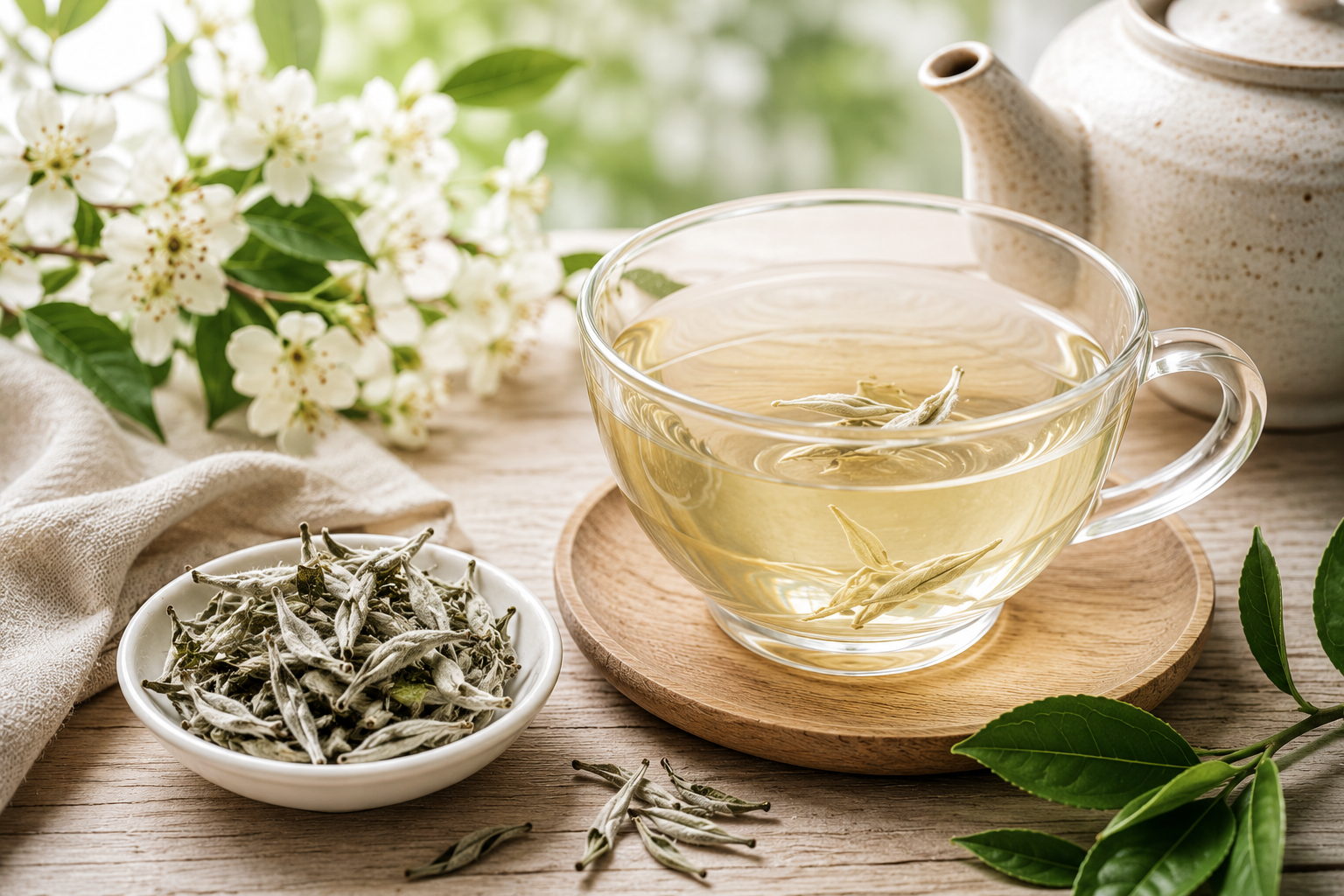
White tea is considered the least processed variety of tea. Unlike black or oolong tea, the leaves are harvested while still young and are gently dried without extensive oxidation or fermentation.
This minimal processing gives white tea:
- A light, delicate flavor
- A pale golden color
- High levels of naturally occurring plant compounds called polyphenols
Popular varieties include:
- Silver Needle (Bai Hao Yin Zhen)
- White Peony (Bai Mu Dan)
- Tribute Eyebrow (Gong Mei)
- Long Life Eyebrow (Shou Mei)
Nutritional Facts
An 8-ounce (240 mL) cup of unsweetened white tea contains approximately:
- Calories: 0–2
- Fat: 0 g
- Carbohydrates: 0 g
- Protein: 0 g
- Sugar: 0 g
- Sodium: 0 mg
- Caffeine: 15–30 mg (varies by variety and brewing time)
White tea also naturally contains:
- Catechins
- Flavonoids
- Polyphenols
- Small amounts of fluoride
- L-theanine
- Trace minerals
1. Rich in Powerful Antioxidants
One of white tea’s greatest strengths is its impressive antioxidant content.
Antioxidants help protect your cells from damage caused by unstable molecules known as free radicals. Over time, oxidative stress from free radicals may contribute to aging and the development of certain chronic diseases.
White tea is especially rich in catechins, a group of antioxidants that have been widely studied for their potential role in supporting overall health.
While no single food or drink can prevent disease, consuming antioxidant-rich foods as part of a balanced diet may help support your body’s natural defenses.
2. May Support Heart Health
Heart disease remains one of the leading health concerns for women.
Research suggests that the polyphenols found in tea may support cardiovascular health by helping maintain healthy blood vessel function and reducing oxidative stress.
Some studies have also linked regular tea consumption with:
- Healthy cholesterol levels already within the normal range
- Healthy blood pressure as part of an overall healthy lifestyle
- Improved circulation
These benefits are most likely when white tea is combined with regular exercise, a nutritious diet, and other heart-healthy habits.
3. May Help Support Healthy Weight Management
If you’re trying to maintain a healthy weight, white tea may be a smart beverage choice.
Unlike sugary soft drinks, sweetened coffees, or energy drinks, unsweetened white tea contains virtually no calories.
Some laboratory research suggests that compounds in white tea may influence fat metabolism and support the body’s natural fat-burning processes. However, these findings are still being studied, and white tea should not be viewed as a weight-loss solution on its own.
Replacing high-calorie beverages with white tea may help reduce your daily calorie intake.
4. May Help Promote Healthy Skin
Healthy skin starts from within.
The antioxidants in white tea may help protect skin cells from oxidative damage caused by environmental stressors such as pollution and UV exposure.
Some laboratory studies suggest that white tea extracts may help protect collagen and elastin—proteins responsible for keeping skin firm and elastic. While more human research is needed, drinking antioxidant-rich beverages can be part of an overall skin-friendly lifestyle.
For best results, pair white tea with:
- Plenty of water
- Fruits and vegetables
- Healthy fats
- Adequate sleep
- Daily sunscreen
5. May Support Healthy Aging
Aging is a natural part of life, but healthy habits can help you feel your best at every stage.
Because white tea contains a variety of antioxidant compounds, it may help reduce oxidative stress, which plays a role in the aging process.
Combined with regular physical activity, nutritious eating, stress management, and quality sleep, white tea can be a simple addition to a healthy aging routine.
6. May Support Brain Health
White tea contains two naturally occurring compounds that make it especially interesting for brain health:
- L-theanine
- Caffeine
Together, these compounds may help support alertness while promoting a calm, focused feeling.
Compared with coffee, white tea generally contains less caffeine, making it a gentler option for people who are sensitive to caffeine but still enjoy a mild energy boost.
Many people enjoy white tea as an afternoon beverage because it offers refreshment without the stronger stimulation associated with coffee.
7. May Help Support Oral Health
White tea naturally contains fluoride, catechins, and tannins.
These compounds may help support oral health by reducing the growth of certain bacteria involved in plaque formation.
White tea should never replace brushing, flossing, or regular dental visits, but it can complement a healthy oral hygiene routine.
8. May Help Support Healthy Blood Sugar Levels
Some research suggests that tea polyphenols may play a role in supporting healthy glucose metabolism.
While more research is needed specifically on white tea, replacing sugar-sweetened beverages with unsweetened white tea can be a positive dietary change for many adults.
If you have diabetes or another medical condition affecting blood sugar, speak with your healthcare provider before making significant dietary changes.
9. Supports Daily Hydration
Many people mistakenly believe that caffeinated beverages don’t count toward hydration.
In reality, beverages like white tea contribute to your daily fluid intake.
Staying hydrated supports:
- Energy levels
- Digestion
- Temperature regulation
- Joint lubrication
- Healthy skin
- Overall body function
If you struggle to drink plain water, white tea offers a flavorful alternative.
10. A Relaxing Daily Ritual
Health isn’t just about nutrition—it’s also about creating moments of calm.
Preparing a warm cup of white tea can become a relaxing self-care ritual that encourages mindfulness and stress reduction.
Pair your tea break with:
- Reading a book
- Journaling
- Deep breathing
- Gentle stretching
- Quiet reflection
Even a few peaceful minutes each day can support your overall well-being.
How to Brew White Tea
Ingredients
- 1 teaspoon loose-leaf white tea or 1 tea bag
- 8 ounces hot water (about 170–185°F or 77–85°C)
Directions
- Heat water until hot but not boiling.
- Pour over the tea.
- Steep for 3–5 minutes.
- Remove the leaves or tea bag.
- Enjoy plain or with a slice of lemon if desired.
Avoid boiling water, as it can make white tea taste bitter and overpower its delicate flavor.
Tips for Choosing High-Quality White Tea
When shopping for white tea, look for:
- Whole leaves rather than tea dust
- Minimal added ingredients
- No added sugars
- Organic options if preferred
- Fresh packaging with a harvest or expiration date
Loose-leaf varieties often provide a richer flavor, though quality tea bags can also be an excellent choice.
Are There Any Side Effects?
White tea is generally considered safe for most healthy adults when consumed in moderation.
However, keep these considerations in mind:
- It contains caffeine, though less than coffee and many black teas.
- Pregnant or breastfeeding women should discuss caffeine intake with their healthcare provider.
- Tea may reduce iron absorption if consumed with meals. If you have iron deficiency, consider drinking tea between meals instead.
- Some medications may interact with caffeine, so consult your healthcare provider if you have concerns.
The Bottom Line
White tea is more than just a soothing beverage—it’s a naturally low-calorie drink packed with antioxidants that can support an overall healthy lifestyle. From promoting hydration and providing a gentle energy boost to contributing beneficial plant compounds, white tea offers numerous reasons to become part of your daily routine.
While it isn’t a cure-all, replacing sugary drinks with unsweetened white tea is a simple step that can support your long-term wellness goals. Pair it with a balanced diet, regular exercise, quality sleep, and stress management for the greatest health benefits.
Whether you’re looking for a calming afternoon pick-me-up or a refreshing way to increase your antioxidant intake, white tea is a delicious choice that nourishes both body and mind.
Frequently Asked Questions
Is white tea healthier than green tea?
Both white tea and green tea are rich in antioxidants and can be part of a healthy diet. White tea is less processed and often contains a milder flavor, while green tea has been studied more extensively. Neither is universally “healthier”—the best choice depends on your taste and preferences.
Can I drink white tea every day?
For most healthy adults, enjoying one to three cups of unsweetened white tea daily is generally considered safe. Be mindful of your total caffeine intake, especially if you are sensitive to caffeine.
Does white tea help with weight loss?
White tea is not a weight-loss treatment, but replacing high-calorie beverages with unsweetened white tea may support healthy weight management as part of a balanced diet and active lifestyle.
Should I add sugar to white tea?
White tea has a naturally delicate, slightly sweet flavor. Enjoying it plain allows you to avoid added sugars and fully appreciate its subtle taste.