What Foods Burn Fat? The Truth About Foods That Support Healthy Weight Management
Can Certain Foods Really Help You Burn Fat?
If you’ve ever searched for ways to lose weight, you’ve probably seen headlines claiming that certain foods can “melt belly fat” or “burn fat overnight.” While those claims can sound exciting, the truth is more realistic—and much more sustainable.
No single food can magically burn body fat on its own.
However, certain nutrient-rich foods can support your body’s natural fat-burning processes by helping you stay full longer, maintain muscle, support a healthy metabolism, and make it easier to consume an appropriate number of calories over time.
The key isn’t finding one miracle food. It’s building meals around foods that nourish your body while supporting your overall health.
In this article, we’ll explore foods that may help support healthy weight management, why they work, and how to include them in a balanced eating plan.
What Does It Mean to “Burn Fat”?
Your body uses energy constantly throughout the day.
When you consume fewer calories than your body needs over time, it begins using stored fat as an energy source. This process is influenced by several factors, including:
- Physical activity
- Muscle mass
- Sleep quality
- Hormones
- Age
- Overall diet
- Genetics
Rather than relying on one “fat-burning” food, focus on eating foods that support satiety, blood sugar balance, and muscle preservation.
- Eggs
Eggs are one of the most satisfying breakfast foods you can eat.
They’re packed with high-quality protein, which helps keep you feeling full and may reduce the temptation to snack between meals.
Why They’re Helpful
- Rich in protein
- Contain important vitamins and minerals
- Help support muscle maintenance
- Keep you satisfied longer
Enjoy Them
- Scrambled with vegetables
- Hard-boiled for snacks
- In vegetable omelets
- On avocado toast
- Greek Yogurt
Plain Greek yogurt is an excellent source of protein while being lower in sugar than many flavored yogurts.
Protein requires more energy to digest than carbohydrates or fats, and higher-protein meals can help you feel fuller for longer.
Benefits
- High in protein
- Contains calcium
- Provides probiotics that support gut health
Healthy Toppings
- Fresh berries
- Chia seeds
- Walnuts
- Cinnamon
- Salmon
Fatty fish like salmon provide healthy omega-3 fats and protein.
While salmon doesn’t directly burn fat, it supports heart health and helps you stay full after meals.
Nutritional Benefits
- High-quality protein
- Omega-3 fatty acids
- Vitamin D
- Selenium
- Beans and Lentils
Beans are one of the best foods for women trying to manage their weight.
They’re rich in both fiber and plant protein, making them incredibly filling.
Excellent Choices
- Black beans
- Chickpeas
- Lentils
- Kidney beans
- Pinto beans
- Oats
Oats contain a type of soluble fiber called beta-glucan, which helps slow digestion and promotes fullness.
Starting your morning with oatmeal may help reduce hunger later in the day.
Try Adding
- Cinnamon
- Blueberries
- Almonds
- Ground flaxseed
- Apples
Apples are naturally sweet while providing fiber and water.
Their combination of volume and fiber can help satisfy hunger between meals.
Remember to eat the peel whenever possible since much of the fiber is found there.
- Berries
Blueberries, strawberries, raspberries, and blackberries are nutrient powerhouses.
They’re naturally low in calories while being rich in antioxidants and fiber.
Great For
- Smoothies
- Yogurt bowls
- Oatmeal
- Healthy desserts
- Leafy Greens
Spinach, kale, arugula, romaine lettuce, and Swiss chard provide vitamins and minerals with very few calories.
They add volume to meals without adding a lot of calories.
Easy Ways to Eat More
- Salads
- Smoothies
- Stir-fries
- Soups
- Avocados
Although avocados are higher in calories than many fruits, they’re also rich in heart-healthy monounsaturated fats and fiber.
Healthy fats help promote satisfaction after meals.
A small serving can go a long way.
- Nuts
Almonds, pistachios, walnuts, and pecans provide protein, healthy fats, and fiber.
Because nuts are calorie-dense, portion size matters.
A small handful makes a satisfying snack.
- Chia Seeds
These tiny seeds provide:
- Fiber
- Protein
- Omega-3 fats
When mixed with liquid, chia seeds expand, creating a pudding-like texture that may help increase feelings of fullness.
- Green Tea
Green tea contains natural compounds called catechins and also provides caffeine in smaller amounts than coffee.
Some studies suggest green tea may have a modest effect on energy expenditure, but the impact is generally small. It should be viewed as part of an overall healthy lifestyle rather than a fat-loss solution.
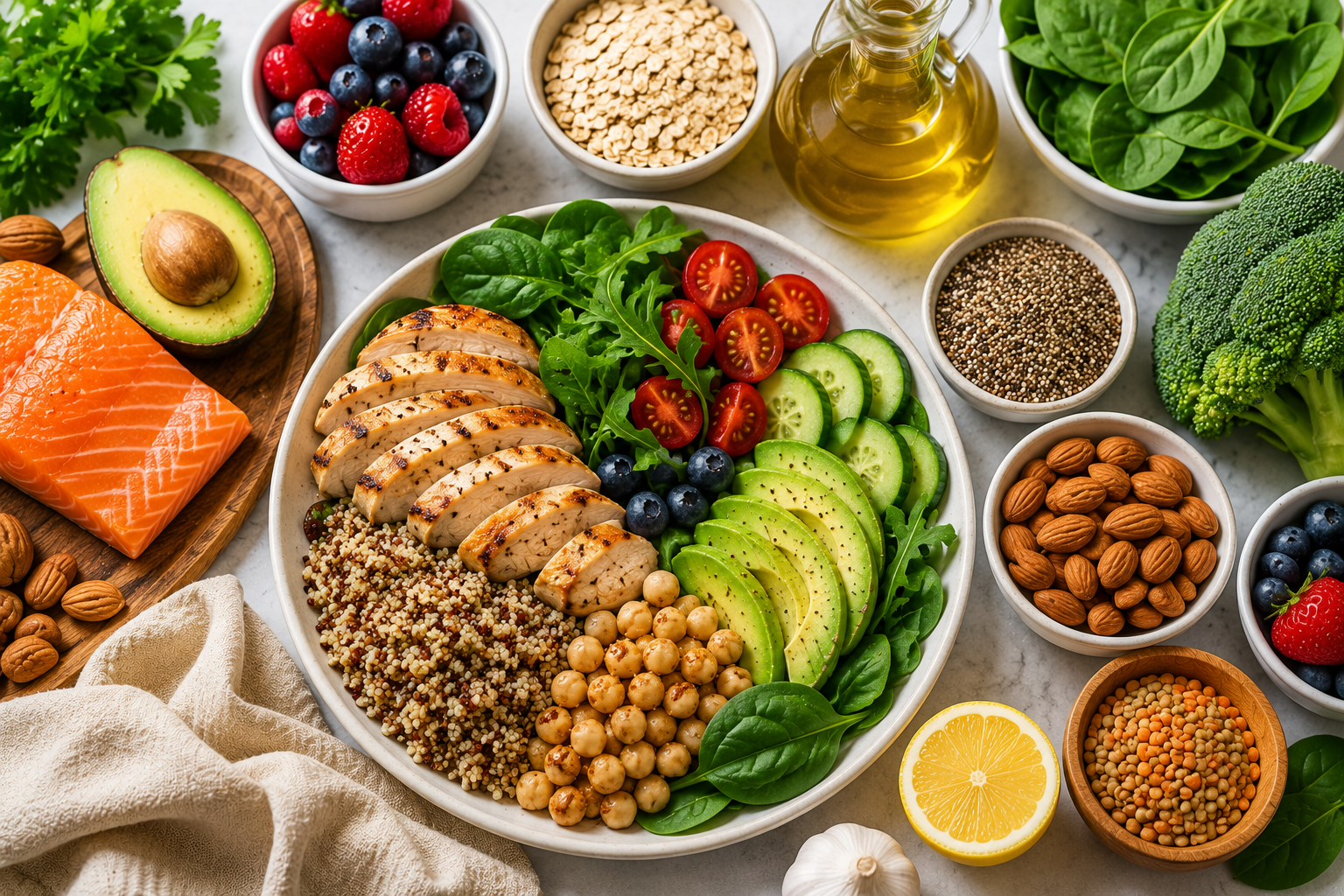
- Lean Chicken Breast
Lean protein is one of the best options for healthy weight management.
Chicken breast helps preserve muscle while supporting fullness.
Other lean protein options include:
- Turkey
- Tofu
- Shrimp
- Lean beef
- Fish
- Cottage Cheese
Cottage cheese is rich in protein and calcium.
It works well as:
- Breakfast
- Afternoon snack
- Post-workout meal
Pair it with fruit for a balanced snack.
- Chili Peppers
Chili peppers contain capsaicin, the compound responsible for their spicy heat.
Research suggests capsaicin may slightly increase energy expenditure, but the effect is relatively small. If you enjoy spicy foods, they can be part of a healthy eating pattern, but they are not a substitute for balanced nutrition and regular physical activity.
Foods That Often Make Weight Management More Difficult
No food needs to be completely off-limits, but eating these foods frequently or in large portions can make it harder to maintain a calorie deficit.
Examples include:
- Sugary beverages
- Candy
- Pastries
- Fried foods
- Highly processed snack foods
- Large portions of desserts
- Sweetened coffee drinks
Enjoying these foods occasionally can still fit into a balanced lifestyle.
Lifestyle Habits That Support Fat Loss
Nutrition is only one part of the equation.
Healthy habits that support long-term weight management include:
Strength Training
Building muscle helps maintain strength and supports a healthy metabolism.
Aim for strength training at least two days per week.
Daily Movement
Walking is one of the easiest ways to increase daily calorie expenditure.
Even a 20–30 minute walk most days can contribute to overall health.
Sleep
Poor sleep can affect hormones that regulate hunger and fullness.
Most adults benefit from seven to nine hours of sleep each night.
Stress Management
Chronic stress may influence eating habits and make healthy choices more challenging.
Try:
- Meditation
- Deep breathing
- Journaling
- Spending time outdoors
- Connecting with loved ones
Frequently Asked Questions
Is there a food that burns belly fat specifically?
No. You cannot target fat loss from one area of your body through specific foods. Fat loss occurs throughout the body based on factors like genetics, hormones, overall nutrition, and physical activity.
Should I avoid carbohydrates?
Not necessarily. Whole-food carbohydrates such as fruits, vegetables, beans, oats, quinoa, and sweet potatoes provide fiber, vitamins, and minerals that support overall health.
Is protein important for weight loss?
Yes. Protein helps preserve muscle while promoting fullness, making it an important part of a balanced eating plan.
Can drinking more water help?
Staying hydrated supports many normal body functions and may help some people better distinguish between thirst and hunger. Drinking water before meals may also help increase feelings of fullness for some individuals.
Sample Fat-Loss-Friendly Day of Eating
Breakfast
Greek yogurt with blueberries, chia seeds, and almonds
Snack
Apple with natural peanut butter
Lunch
Grilled chicken breast with mixed greens, cucumbers, tomatoes, avocado, and olive oil vinaigrette
Snack
Cottage cheese with strawberries
Dinner
Baked salmon, roasted broccoli, and quinoa
Final Thoughts
There is no single food that can magically burn body fat.
Instead, the most effective approach is to build meals around whole, nutrient-dense foods that help you stay full, nourish your body, and support your health over time. Foods such as eggs, Greek yogurt, salmon, beans, oats, leafy greens, berries, and lean proteins can all play an important role in a balanced eating pattern.
Pair these foods with regular physical activity, strength training, quality sleep, stress management, and consistency. Small, sustainable habits are far more powerful than quick fixes or fad diets.
Remember, lasting health isn’t about perfection—it’s about making better choices more often than not.
Disclaimer: This article is for educational purposes only and should not be considered medical advice. If you have a medical condition, are pregnant, or have specific dietary needs, consult a qualified healthcare professional or registered dietitian before making significant changes to your eating plan.