Ginseng Health Benefits: What Women Should Know About This Ancient Herbal Root
A Natural Remedy That Has Stood the Test of Time
For thousands of years, people have turned to nature in search of ways to improve their health and well-being. Among the most respected herbal remedies is ginseng—a root that has been used in traditional medicine for centuries to support energy, mental focus, immune function, and overall vitality.
Today, ginseng remains one of the world’s most popular herbal supplements. Researchers continue to study its potential health benefits, and while more research is still needed in many areas, early findings suggest that ginseng may offer several advantages when combined with a healthy lifestyle.
For women juggling careers, family responsibilities, hormonal changes, and everyday stress, maintaining steady energy and overall wellness can sometimes feel like an uphill battle. While no supplement is a magic solution, ginseng may provide gentle support for certain aspects of health when used appropriately.
Let’s explore what ginseng is, how it works, its potential benefits, and what women should know before adding it to their wellness routine.
What Is Ginseng?
Ginseng is a slow-growing perennial plant known for its thick, forked root. The root contains natural compounds called ginsenosides, which are believed to be responsible for many of the herb’s biological effects.
There are several types of ginseng, each with slightly different characteristics.
American Ginseng
American ginseng is native to North America and is often described as having a milder, more calming effect.
Asian (Korean) Ginseng
Asian ginseng has been used extensively in traditional Chinese and Korean medicine and is generally considered more stimulating.
Siberian Ginseng
Although commonly called ginseng, Siberian ginseng is technically a different plant and contains different active compounds. It is often marketed for energy and endurance but is not considered true ginseng.
Each variety can affect the body differently, so it’s important to understand which type you’re using.
Potential Health Benefits of Ginseng
Research into ginseng continues to grow. While results vary, several potential health benefits have been identified.
- May Help Support Healthy Energy Levels
Feeling tired after a long day is normal, but ongoing fatigue can make it difficult to enjoy daily life.
Some research suggests that ginseng may help reduce feelings of fatigue and improve overall energy in certain people. Unlike caffeine, ginseng does not work as a stimulant in the same way. Instead, it can help the body adapt to physical and mental stress.
Women balancing work, parenting, caregiving, and household responsibilities may find this particularly appealing, although responses can vary from person to person.
- May Improve Mental Focus
Many women experience occasional “brain fog,” especially during periods of stress, lack of sleep, perimenopause, or menopause.
Some studies suggest that ginseng may support:
- Memory
- Concentration
- Mental clarity
- Cognitive performance
Although research is ongoing, maintaining healthy sleep habits, regular exercise, and balanced nutrition remain essential for optimal brain health.
- Supports a Healthy Immune System
Your immune system works around the clock to help protect your body.
Some studies indicate that ginseng may help support normal immune function by influencing certain immune cells. This doesn’t mean it prevents illness, but it may help support the body’s natural defenses as part of an overall healthy lifestyle.
Adequate sleep, nutritious eating, regular physical activity, and stress management remain the foundation of immune health.
- Rich in Antioxidants
Every day, your body is exposed to unstable molecules called free radicals. Over time, excessive oxidative stress can contribute to cellular damage.
Ginseng contains antioxidant compounds that can help protect cells from oxidative stress.
Antioxidants are also found in colorful fruits, vegetables, nuts, seeds, and whole grains, making a balanced diet one of the best ways to support overall health.
- May Support Healthy Blood Sugar
Some early research suggests that certain forms of ginseng may help support healthy blood sugar levels already within a normal range.
However, women with diabetes or those taking blood sugar-lowering medications should always speak with a healthcare provider before using ginseng, as it may interact with certain medications.
- May Help the Body Respond to Stress
Life is filled with challenges, and chronic stress can affect both physical and emotional health.
Ginseng is often classified as an adaptogen, meaning it may help the body adapt to physical and mental stress. While more research is needed, some people report feeling more resilient and balanced when using adaptogenic herbs as part of a healthy routine.
It’s important to remember that managing stress also involves healthy habits such as regular movement, quality sleep, mindfulness, and social support.
- May Support Heart Health
Some preliminary studies suggest that ginseng may have positive effects on circulation and cardiovascular health, though the evidence is not yet strong enough to draw firm conclusions.
Heart health is influenced by many factors, including:
- Blood pressure
- Cholesterol levels
- Physical activity
- Nutrition
- Smoking status
- Weight management
Ginseng should never replace prescribed medications or a heart-healthy lifestyle.
Ginseng and Women’s Health
Women experience unique hormonal changes throughout life, from menstruation to pregnancy, postpartum recovery, perimenopause, and menopause.
Researchers continue studying whether ginseng may support women’s health during these transitions.
Some women report improvements in:
- Energy
- Mood
- Mental clarity
- General well-being
However, responses vary, and ginseng should not be considered a treatment for hormonal conditions unless recommended by a healthcare provider.
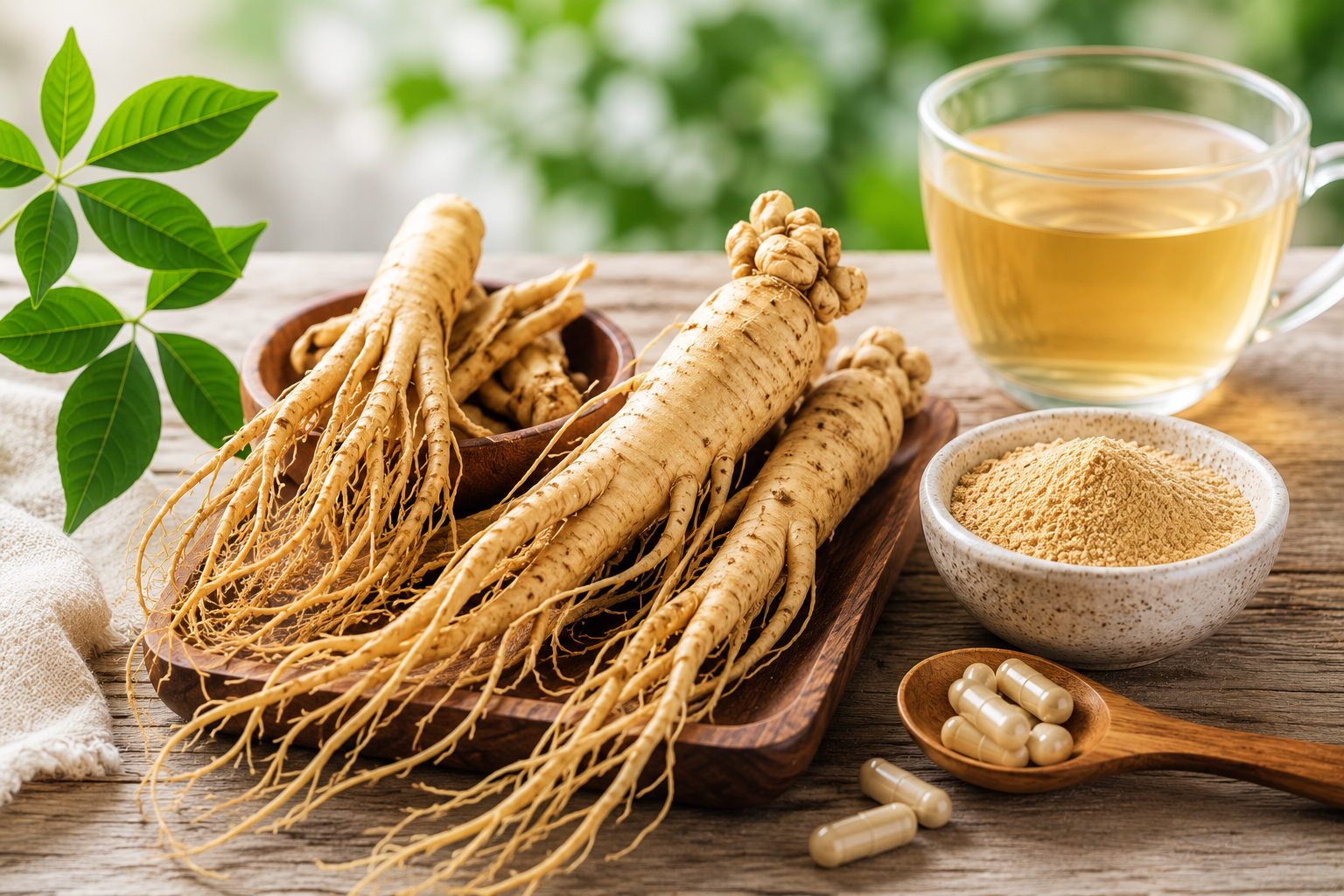
Ways to Enjoy Ginseng
Ginseng is available in several forms, making it easy to incorporate into a wellness routine.
Popular options include:
- Capsules
- Tablets
- Powder
- Herbal tea
- Liquid extracts
- Dried root
- Gummies
When choosing a supplement, look for products that have been tested by independent quality organizations whenever possible.
Who Should Avoid Ginseng?
Although ginseng is generally well tolerated for many healthy adults, it isn’t appropriate for everyone.
Speak with your healthcare provider before using ginseng if you:
- Are pregnant or breastfeeding
- Have diabetes
- Have uncontrolled high blood pressure
- Have certain heart conditions
- Take blood-thinning medications
- Take medications for blood sugar control
- Are preparing for surgery
- Have an autoimmune condition
Because supplements can interact with medications, professional guidance is always recommended.
Possible Side Effects
Most people tolerate ginseng well when used as directed.
Possible side effects may include:
- Difficulty sleeping
- Headache
- Digestive upset
- Nervousness
- Rapid heartbeat in some individuals
Stopping the supplement usually resolves mild side effects, but consult your healthcare provider if symptoms are severe or persistent.
Tips for Choosing a High-Quality Ginseng Supplement
Not all supplements are created equally.
When shopping, consider the following:
- Choose reputable manufacturers.
- Look for standardized ginsenoside content.
- Avoid products with unnecessary fillers when possible.
- Check expiration dates.
- Consider third-party testing for quality and purity.
Healthy Habits That Work Well Alongside Ginseng
Supplements work best when combined with healthy daily habits.
Try pairing ginseng with:
- A balanced diet rich in fruits and vegetables
- Regular strength training and cardiovascular exercise
- Seven to nine hours of quality sleep each night
- Adequate hydration
- Stress management practices like meditation, prayer, journaling, or deep breathing
- Routine preventive healthcare visits
Frequently Asked Questions
Can I take ginseng every day?
Some people use ginseng daily for limited periods, but recommendations vary depending on the type, dosage, and individual health needs. Follow the product directions and consult your healthcare provider if you have questions about long-term use.
Is ginseng the same as caffeine?
No. While some people feel more energized after taking ginseng, it does not act like caffeine and typically doesn’t provide the same immediate stimulating effect.
Can ginseng replace healthy eating?
No. Supplements should complement—not replace—a nutritious diet and healthy lifestyle.
How long does it take to notice results?
Some people report noticing changes within a few weeks, while others may not notice significant effects. Responses vary based on the individual, the type of ginseng used, and overall health.
Final Thoughts
Ginseng has earned its reputation as one of the world’s most respected herbal remedies, and modern research continues to explore its potential health benefits. From supporting energy and mental focus to providing antioxidant properties and helping the body respond to stress, ginseng may be a valuable addition to some women’s wellness routines.
However, no supplement can replace the fundamentals of good health. Nutritious eating, regular exercise, quality sleep, hydration, and stress management remain the cornerstones of long-term wellness.
If you’re considering trying ginseng, speak with your healthcare provider—especially if you have a medical condition or take prescription medications. Together, you can decide whether it’s an appropriate choice for your individual health needs.
Disclaimer
This article is for educational purposes only and is not intended to diagnose, treat, cure, or prevent any disease. Always consult a qualified healthcare professional before starting any new supplement, particularly if you are pregnant, breastfeeding, have a medical condition, or take prescription medications.