Is Breast Pain Normal Before a Period?
Understanding Cyclical Breast Pain, Causes, Relief, and When to See a Healthcare Provider
Many women notice that their breasts become sore, tender, swollen, or heavier in the days leading up to their period. If you’ve ever wondered whether this is normal, you’re not alone. Breast pain before menstruation is one of the most common symptoms of the menstrual cycle and is often linked to normal hormonal changes.
Although breast tenderness is usually nothing to worry about, it’s important to understand what causes it, how to relieve discomfort, and when breast pain may be a sign that you should seek medical attention.
In this guide, we’ll explain why breast pain happens before a period, what symptoms are considered normal, treatment options, lifestyle tips, and warning signs you shouldn’t ignore.
Is Breast Pain Before a Period Normal?
Yes. For many women, breast pain before a period is completely normal.
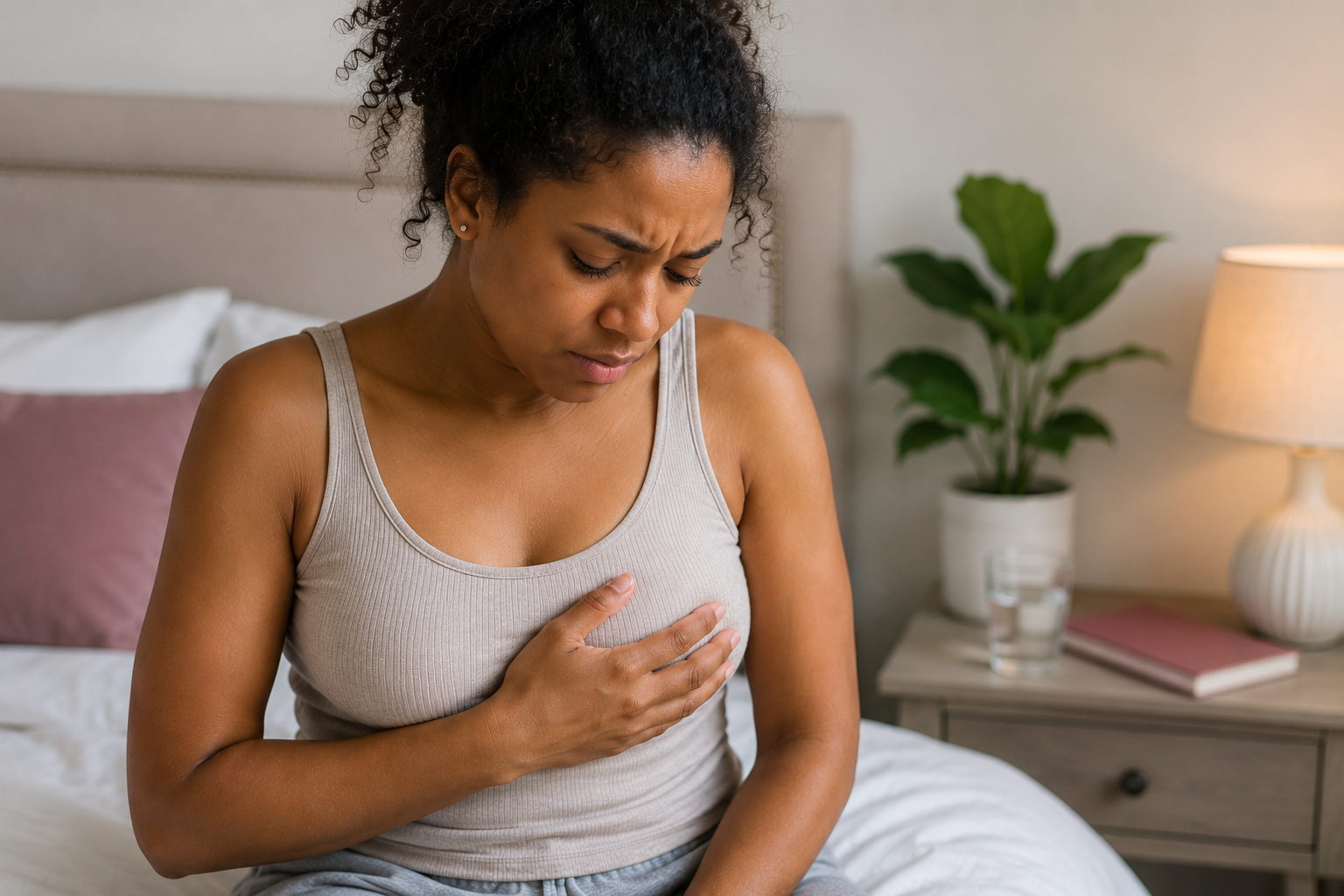
This type of discomfort is called cyclical breast pain (cyclical mastalgia) because it follows your menstrual cycle. It usually begins a few days to two weeks before your period starts and often improves or disappears once menstruation begins.
Hormonal fluctuations—particularly changes in estrogen and progesterone—can cause the breast tissue to swell and become more sensitive.
While not every woman experiences breast pain, it’s considered a common part of the menstrual cycle.
Why Do Breasts Hurt Before a Period?
The menstrual cycle causes hormone levels to rise and fall throughout the month.
During the second half of your cycle (after ovulation), estrogen and progesterone prepare your body for a possible pregnancy.
These hormonal changes can:
- Increase fluid retention
- Cause breast tissue to swell
- Make milk ducts and glands enlarge temporarily
- Increase breast sensitivity
As hormone levels decrease when your period begins, breast tenderness often improves.
Common Symptoms
Normal cyclical breast pain may include:
- Tenderness in one or both breasts
- Swelling
- A feeling of fullness or heaviness
- Aching or soreness
- Increased sensitivity to touch
- Pain that spreads toward the armpits
Many women notice symptoms affecting both breasts rather than just one.
When Does Breast Pain Usually Start?
Breast pain often begins:
- A few days before menstruation
- About one to two weeks before your period
- After ovulation during the luteal phase of your cycle
Symptoms usually improve within the first few days of your period.
What Does Normal Breast Pain Feel Like?
Every woman experiences it differently.
Some describe:
- A dull ache
- A heavy feeling
- Mild soreness
- Sharp sensitivity when touched
- General tenderness throughout the breast
Pain can range from barely noticeable to uncomfortable enough to affect daily activities.
Other Possible Causes of Breast Pain
While hormones are the most common cause before a period, breast pain isn’t always related to menstruation.
Other possible causes include:
Breast Cysts
Fluid-filled cysts can make breasts feel tender or lumpy.
Fibrocystic Breast Changes
Some women naturally have lumpier breast tissue that becomes more noticeable during hormonal changes.
Poorly Fitting Bras
Lack of proper support can contribute to breast discomfort, especially during exercise.
Muscle Strain
Pain from the chest muscles can sometimes feel like breast pain.
Pregnancy
Breast tenderness is often one of the earliest signs of pregnancy because hormone levels rise rapidly.
Certain Medications
Some medications, including hormone therapies, may contribute to breast tenderness.
Can Diet Affect Breast Pain?
Research on diet and breast pain is mixed, but maintaining a balanced diet may support overall health.
Some women find it helpful to:
- Reduce excess sodium before their period to help minimize fluid retention.
- Eat plenty of fruits and vegetables.
- Choose whole grains instead of refined carbohydrates.
- Include healthy fats from foods like salmon, walnuts, chia seeds, and flaxseeds.
- Stay well hydrated.
Because responses vary from person to person, keeping a symptom diary may help identify whether certain foods seem to influence your discomfort.
Tips to Help Relieve Breast Pain
Fortunately, there are several ways to ease breast tenderness.
Wear a Supportive Bra
A properly fitted bra can reduce movement and improve comfort.
Sports bras may provide additional support during exercise.
Apply Warm or Cool Compresses
Some women find relief using:
- Warm compresses
- Heating pads (used safely)
- Cool packs wrapped in a towel
Choose whichever feels most comfortable.
Stay Active
Regular physical activity supports overall health and may help some women manage menstrual symptoms.
Choose activities you enjoy, such as:
- Walking
- Swimming
- Cycling
- Yoga
Get Enough Sleep
Quality sleep supports hormone regulation and overall well-being.
Aim for 7 to 9 hours each night whenever possible.
Manage Stress
Stress doesn’t directly cause cyclical breast pain, but it can make discomfort feel more intense.
Helpful stress-management techniques include:
- Deep breathing
- Meditation
- Gentle stretching
- Journaling
- Spending time outdoors
Over-the-Counter Pain Relief
If breast pain becomes uncomfortable, over-the-counter pain relievers may help for some people.
Because medications aren’t appropriate for everyone, follow the directions on the label and talk with your healthcare provider if you have questions or underlying medical conditions.
Should You Stop Exercising?
Not necessarily.
Many women can continue exercising normally.
If movement makes your breasts uncomfortable, wearing a supportive sports bra may reduce discomfort during workouts.
Is Breast Pain a Sign of Breast Cancer?
Most breast pain—especially pain that occurs before your period—is not caused by breast cancer.
Breast cancer is more commonly associated with:
- A new lump that persists
- Changes in breast shape
- Skin dimpling
- Nipple changes
- Bloody nipple discharge
Although breast pain alone is usually not a sign of breast cancer, any new or persistent breast changes should be evaluated by a healthcare provider.
When Should You See a Healthcare Provider?
Schedule a medical evaluation if:
- Pain affects only one breast and doesn’t improve.
- Pain continues after your period ends.
- You discover a new lump that doesn’t go away.
- You notice nipple discharge, especially if it’s bloody.
- Your breast becomes red, warm, or swollen.
- Pain is severe or interferes with your daily activities.
- You notice changes in the skin or nipple.
- You’re concerned about any new breast symptom.
A healthcare provider may recommend a clinical breast exam or imaging, depending on your age, symptoms, and medical history.
Can You Prevent Breast Pain?
Not all breast pain can be prevented, especially when it’s caused by normal hormonal changes.
However, these healthy habits may help some women:
- Wear supportive bras.
- Exercise regularly.
- Stay hydrated.
- Eat a balanced diet.
- Get adequate sleep.
- Manage stress.
- Maintain a healthy weight.
Frequently Asked Questions
Is it normal for only one breast to hurt before a period?
Cyclical breast pain usually affects both breasts, although one side may occasionally feel more uncomfortable than the other. Persistent pain in only one breast should be evaluated by a healthcare provider.
How many days before my period do breasts usually hurt?
Many women notice tenderness beginning about 3 to 10 days before menstruation, though timing varies from person to person.
Does breast pain mean my period is coming?
Breast tenderness is a common premenstrual symptom, but it isn’t a guaranteed sign that your period will start soon. Other factors, including pregnancy and certain medications, can also cause breast tenderness.
Is breast pain worse during perimenopause?
It can be. Hormone levels fluctuate more during perimenopause, and some women notice increased breast tenderness during this stage of life.
Can caffeine cause breast pain?
Research has not established that caffeine causes breast pain. Some women report symptom improvement after reducing caffeine, while others notice no difference.
Final Thoughts
Breast pain before a period is a common experience for many women and is usually linked to normal hormonal changes throughout the menstrual cycle. Although the tenderness can be uncomfortable, it often improves once your period begins and is not usually a sign of a serious health condition.
Pay attention to your body, track changes from month to month, and don’t hesitate to seek medical advice if something feels unusual or if pain is persistent, severe, or accompanied by other concerning symptoms. Understanding what’s normal for your body can help you feel more confident and empowered to care for your breast health throughout every stage of life.