How to Treat a Yeast Infection: Causes, Symptoms, Treatment, and Prevention
Yeast infections are one of the most common vaginal health concerns women experience. In fact, it’s estimated that about 3 out of 4 women will have at least one yeast infection during their lifetime. While they can be uncomfortable and frustrating, the good news is that most yeast infections are treatable and often clear up with the right care.
If you’ve ever experienced itching, burning, or unusual discharge, you may have wondered whether you have a yeast infection and what you can do to feel better. In this guide, we’ll explain what yeast infections are, how to recognize the symptoms, treatment options, home care tips, and when it’s important to see a healthcare provider.
What Is a Yeast Infection?
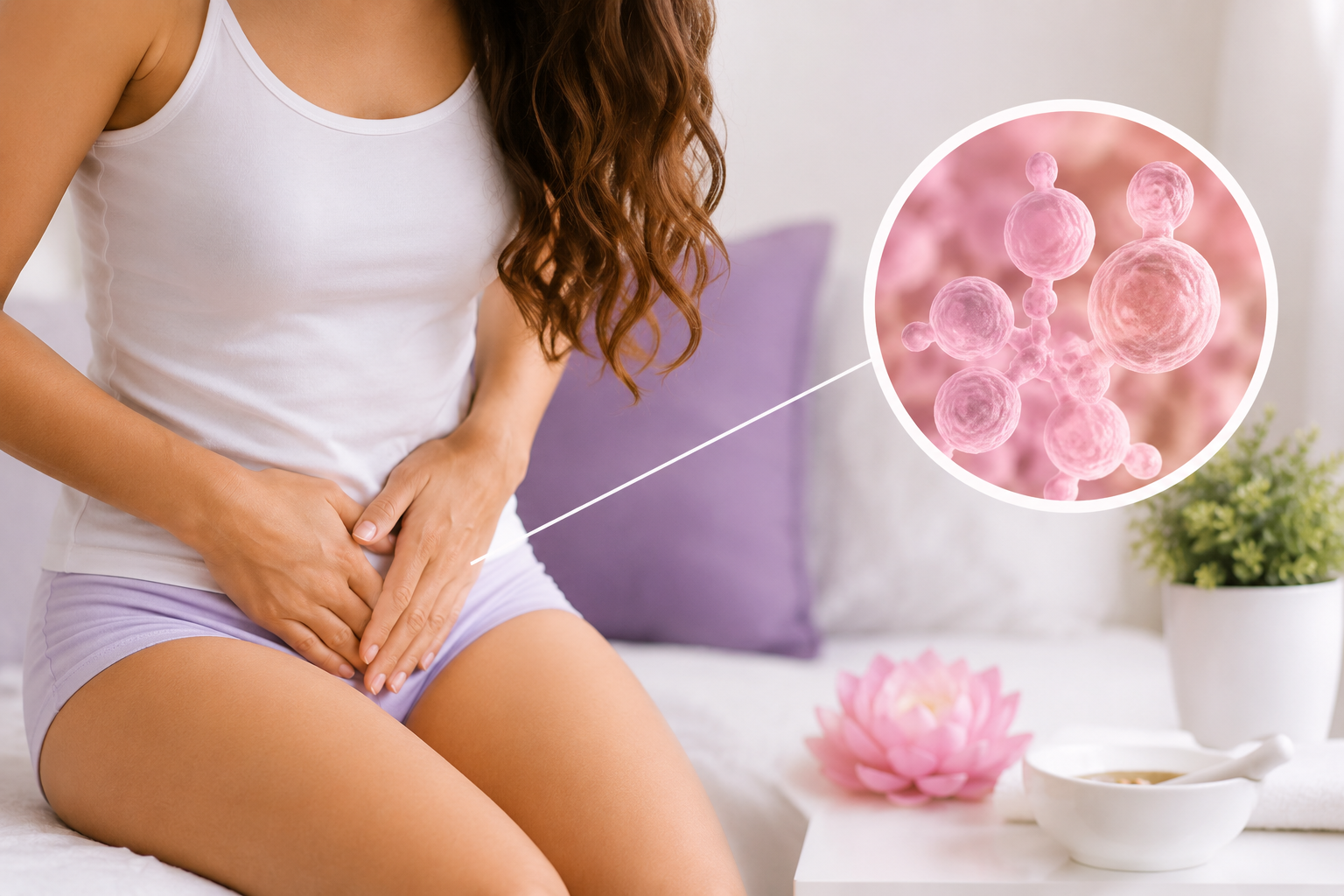
A vaginal yeast infection, also known as vaginal candidiasis, is a fungal infection caused by an overgrowth of a yeast called Candida, most commonly Candida albicans.
Candida naturally lives in the vagina alongside healthy bacteria. Under normal circumstances, these microorganisms stay in balance. However, certain factors can disrupt this balance, allowing yeast to multiply and cause an infection.
Although yeast infections are common, they’re not considered a sexually transmitted infection (STI). They can affect women of all ages, especially during their reproductive years.
Common Symptoms of a Yeast Infection
Symptoms can range from mild to severe and can include:
- Intense vaginal itching
- Burning around the vaginal opening
- Redness or swelling of the vulva
- Thick, white vaginal discharge that looks like cottage cheese
- Little or no odor
- Pain during urination, especially if urine touches irritated skin
- Pain or discomfort during sexual intercourse
- Small cracks or irritation in the skin around the vulva
Not every woman experiences all of these symptoms, and symptoms can overlap with other vaginal conditions such as bacterial vaginosis or certain sexually transmitted infections.
What Causes Yeast Infections?
Several factors can increase the risk of developing a yeast infection, including:
Antibiotic Use
Antibiotics kill harmful bacteria but can also reduce the healthy bacteria that normally help keep yeast under control.
Hormonal Changes
Pregnancy, hormonal birth control, and hormone therapy may increase the likelihood of yeast overgrowth in some women.
Diabetes
High blood sugar levels can promote yeast growth, especially if diabetes is not well controlled.
A Weakened Immune System
Certain medical conditions or medications that affect the immune system may make yeast infections more likely.
Moist Environments
Wearing damp workout clothes or staying in wet swimsuits for long periods can create a warm, moist environment where yeast thrives.
High Blood Sugar
Frequent spikes in blood sugar may encourage yeast growth in some individuals.
How Is a Yeast Infection Diagnosed?
If this is your first suspected yeast infection or your symptoms are severe, it’s a good idea to see a healthcare provider.
Diagnosis may include:
- Asking about your symptoms and medical history
- A pelvic examination
- Collecting a sample of vaginal discharge to examine under a microscope or send to a laboratory if needed
Getting the correct diagnosis is important because not every case of vaginal itching or discharge is caused by a yeast infection.
How to Treat a Yeast Infection
Treatment depends on the severity of symptoms and whether the infection is occasional or recurring.
Over-the-Counter Antifungal Medications
Many uncomplicated yeast infections respond well to over-the-counter antifungal creams, ointments, suppositories, or vaginal tablets. These products are available in one-day, three-day, and seven-day treatment options.
Examples include medications containing antifungal ingredients such as:
- Miconazole
- Clotrimazole
- Tioconazole
Always follow the package instructions carefully and complete the full course of treatment, even if symptoms improve sooner.
Prescription Medication
A healthcare provider may prescribe an oral antifungal medication or a stronger antifungal cream if:
- Symptoms are severe
- The infection keeps coming back
- Over-the-counter treatment doesn’t work
- You have certain medical conditions that require additional evaluation
Take prescription medications exactly as directed.
Home Care Tips to Help You Feel More Comfortable
While medication treats the infection, these simple self-care measures may help reduce discomfort:
- Wear loose-fitting cotton underwear.
- Change out of sweaty clothes right after exercising.
- Avoid scented soaps, feminine sprays, or douches.
- Gently clean the vulva with warm water and mild, unscented soap if needed.
- Avoid scratching the affected area, which can worsen irritation.
- Stay well hydrated and eat a balanced diet.
Can Diet Help?
Research is ongoing, but maintaining an overall healthy eating pattern may support general health.
Focus on:
- Plenty of vegetables
- Whole grains
- Lean protein
- Healthy fats
- Foods rich in fiber
If you have diabetes, keeping blood sugar within your target range may also reduce your risk of recurring infections.
Can Probiotics Help?
Some women choose to include probiotic-rich foods such as:
- Plain yogurt with live cultures
- Kefir
- Fermented vegetables
While research has not conclusively shown that probiotics treat yeast infections, they may support a healthy balance of bacteria in the body for some people. They should not replace proven antifungal treatments.
What to Avoid During a Yeast Infection
While you’re recovering, it may help to avoid:
- Tight clothing
- Wet swimsuits for extended periods
- Scented pads or tampons
- Bubble baths
- Vaginal douching
- Harsh cleansers
- Wearing the same workout clothes after exercising
How to Help Prevent Future Yeast Infections
Although not every infection can be prevented, these habits may lower your risk:
- Wear breathable cotton underwear.
- Change out of damp clothing promptly.
- Avoid unnecessary antibiotic use (only take antibiotics as prescribed).
- Manage blood sugar if you have diabetes.
- Wipe from front to back after using the bathroom.
- Avoid scented feminine hygiene products.
- Keep the genital area clean and dry.
When Should You See a Healthcare Provider?
You should seek medical advice if:
- This is your first suspected yeast infection.
- You’re pregnant.
- Symptoms don’t improve after treatment.
- Symptoms return within two months.
- You have frequent yeast infections (four or more per year).
- You develop fever, severe pelvic pain, or foul-smelling discharge.
- You’re unsure whether your symptoms are caused by a yeast infection.
These symptoms may indicate another condition that requires different treatment.
Frequently Asked Questions
Can a yeast infection go away on its own?
Some mild infections may improve, but many require antifungal treatment. If you’re unsure, speak with a healthcare provider rather than waiting for symptoms to worsen.
Is a yeast infection contagious?
Yeast infections are generally not considered sexually transmitted infections, although sexual activity can sometimes contribute to irritation or, less commonly, yeast transmission between partners.
Can I exercise with a yeast infection?
Yes, but it’s a good idea to change out of sweaty workout clothes as soon as possible to reduce moisture.
Can stress cause yeast infections?
Stress itself is not a direct cause, but chronic stress may affect immune function, which could contribute to an increased risk in some people.
Can I have sex during a yeast infection?
Many healthcare providers recommend waiting until treatment is complete and symptoms have resolved. Sexual activity may worsen irritation and some antifungal creams can weaken latex condoms and diaphragms.
Final Thoughts
Yeast infections are common, treatable, and usually not a cause for alarm. Recognizing the symptoms early and using appropriate antifungal treatment can often bring relief within a few days. Just as importantly, maintaining healthy habits—such as wearing breathable clothing, avoiding unnecessary antibiotics, and practicing gentle vulvar care—may help reduce the chances of future infections.
If your symptoms are severe, keep coming back, or don’t improve with treatment, don’t ignore them. A healthcare provider can determine whether a yeast infection is truly the cause and recommend the most appropriate treatment. Taking care of your vaginal health is an important part of your overall well-being, and seeking medical advice when needed is always a smart step.