Flax Seeds Health Benefits: Why This Tiny Superfood Deserves a Place in Your Diet
When it comes to superfoods, flax seeds may not get as much attention as chia seeds, blueberries, or kale, but these tiny golden or brown seeds pack a powerful nutritional punch. For centuries, flax seeds have been valued for their health-promoting properties, and modern research continues to support their role in supporting overall wellness.
Whether you’re looking to improve digestive health, support heart health, manage weight, or boost your intake of essential nutrients, flax seeds can be an excellent addition to your daily routine. In this article, we’ll explore the many health benefits of flax seeds and simple ways to incorporate them into your diet.
What Are Flax Seeds?
Flax seeds come from the flax plant (Linum usitatissimum), which has been cultivated for thousands of years. These small seeds are rich in fiber, healthy fats, protein, vitamins, minerals, and plant compounds that contribute to their impressive health benefits.
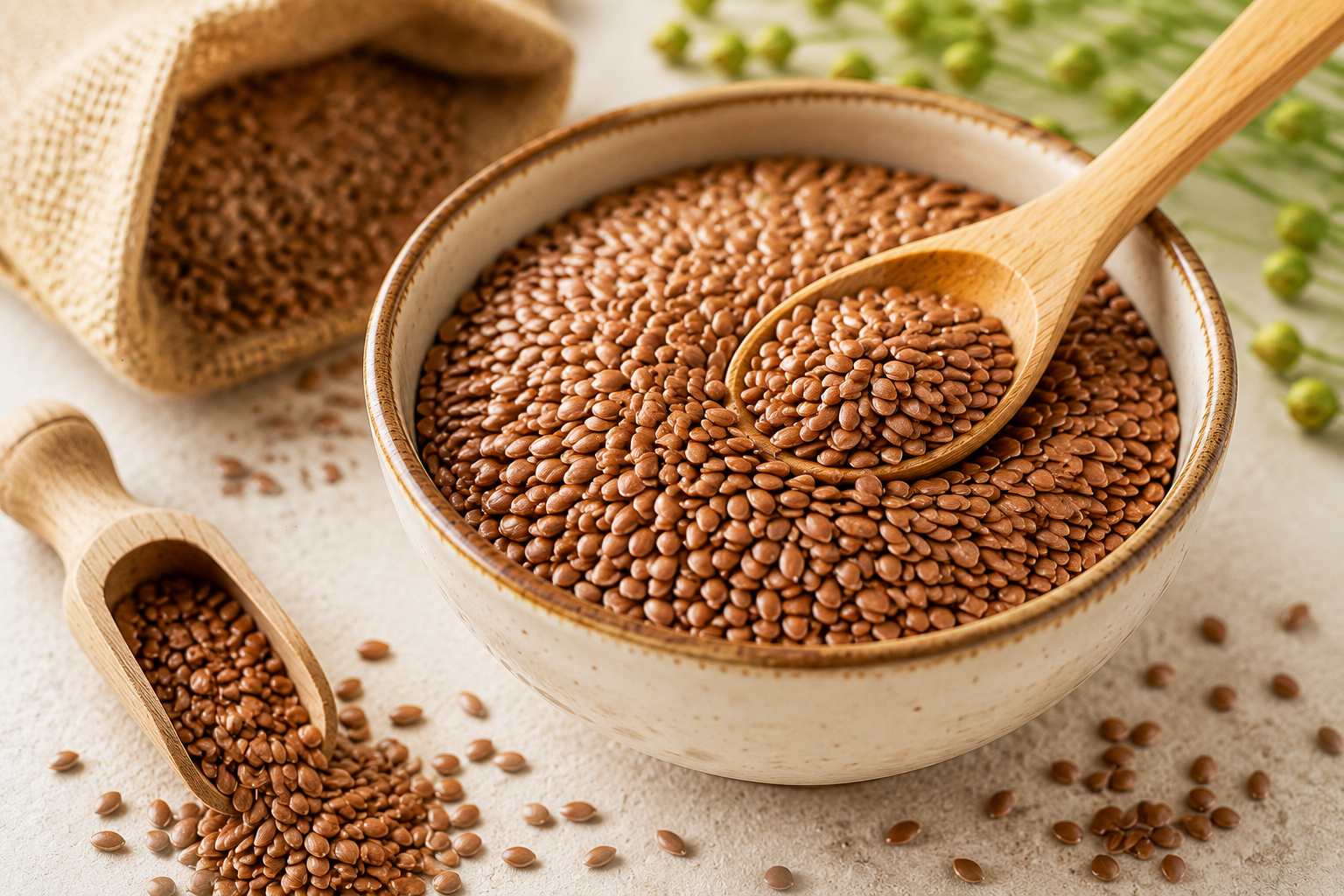
Flax seeds are available in whole, ground, and oil forms. While whole flax seeds can pass through the digestive system largely undigested, ground flax seeds are easier for the body to absorb and provide the greatest nutritional benefits.
Nutritional Profile of Flax Seeds
A single tablespoon of ground flax seeds contains:
- Approximately 37 calories
- 2 grams of fiber
- 1.3 grams of protein
- 3 grams of healthy fats
- Omega-3 fatty acids
- Magnesium
- Phosphorus
- Manganese
- Copper
- Thiamine (Vitamin B1)
Flax seeds are also one of the richest plant sources of lignans, which are powerful antioxidants that may help protect the body from cellular damage.
- Rich Source of Heart-Healthy Omega-3 Fatty Acids
One of the most well-known benefits of flax seeds is their high content of alpha-linolenic acid (ALA), a plant-based omega-3 fatty acid.
Omega-3 fats play an important role in:
- Supporting cardiovascular health
- Reducing inflammation
- Maintaining healthy blood vessels
- Supporting brain function
Research suggests that diets rich in omega-3 fatty acids may help reduce the risk of heart disease and promote healthy cholesterol levels. For individuals who do not consume fish regularly, flax seeds offer an excellent plant-based source of these beneficial fats.
- Supports Digestive Health
Flax seeds are loaded with dietary fiber, containing both soluble and insoluble fiber.
Soluble fiber helps:
- Slow digestion
- Promote stable blood sugar levels
- Increase feelings of fullness
Insoluble fiber helps:
- Add bulk to stool
- Promote regular bowel movements
- Support overall digestive health
Many people struggle to consume enough fiber each day. Adding just one or two tablespoons of ground flax seeds to smoothies, yogurt, oatmeal, or baked goods can significantly boost daily fiber intake.
- May Help Lower Cholesterol Levels
High cholesterol is a major risk factor for heart disease. Studies suggest that flax seeds may help support healthy cholesterol levels due to their fiber and lignan content.
The soluble fiber in flax seeds can bind to cholesterol in the digestive tract, helping remove it from the body before it enters the bloodstream.
Regular consumption of flax seeds may help:
- Lower LDL (“bad”) cholesterol
- Support healthy blood lipid levels
- Promote overall cardiovascular wellness
While flax seeds are not a replacement for medical treatment, they can be a beneficial part of a heart-healthy diet.
- Supports Healthy Blood Sugar Control
Maintaining stable blood sugar levels is important for overall health and energy.
Because flax seeds are rich in fiber, they help slow the absorption of sugar into the bloodstream. This gradual absorption may help prevent spikes and crashes in blood sugar levels.
Some studies suggest that flax seeds may improve insulin sensitivity and support healthy glucose metabolism when combined with a balanced diet and healthy lifestyle.
This makes flax seeds a smart addition to meals and snacks, especially for those looking to maintain steady energy throughout the day.
- May Aid Weight Management
If you’re trying to lose weight or maintain a healthy weight, flax seeds may be a helpful addition to your nutrition plan.
The combination of fiber, protein, and healthy fats can help:
- Increase feelings of fullness
- Reduce hunger between meals
- Support portion control
- Reduce unnecessary snacking
When consumed with adequate fluids, the soluble fiber in flax seeds forms a gel-like substance in the digestive tract, which may help prolong satiety and reduce overall calorie intake.
- Rich in Antioxidants
Flax seeds are one of the richest dietary sources of lignans, a type of plant compound with antioxidant properties.
Antioxidants help protect cells from damage caused by free radicals, unstable molecules that contribute to aging and various chronic diseases.
Lignans may help:
- Reduce oxidative stress
- Support healthy aging
- Promote overall cellular health
In fact, flax seeds contain significantly more lignans than many other plant foods, making them a valuable addition to an antioxidant-rich diet.
- Supports Women’s Health
Flax seeds are particularly popular among women because of their lignan content.
Lignans are classified as phytoestrogens, which are plant compounds that have a weak estrogen-like effect in the body.
Researchers continue to study the role of lignans in supporting:
- Hormonal balance
- Menopausal health
- Breast health
- Overall wellness during different stages of life
While more research is needed, many women choose to include flax seeds as part of a balanced diet that supports healthy aging and hormonal wellness.
- May Help Reduce Inflammation
Chronic inflammation has been linked to numerous health conditions, including heart disease, diabetes, and certain autoimmune disorders.
The omega-3 fatty acids and antioxidant compounds found in flax seeds may help support the body’s natural anti-inflammatory processes.
Reducing inflammation through dietary choices may contribute to:
- Improved heart health
- Better joint comfort
- Enhanced overall wellness
Including flax seeds alongside other anti-inflammatory foods such as fruits, vegetables, nuts, and fatty fish can be part of a comprehensive healthy lifestyle.
- Supports Healthy Skin and Hair
Healthy fats play an important role in maintaining skin hydration and elasticity.
The omega-3 fatty acids found in flax seeds may help support:
- Skin moisture
- Skin barrier function
- Healthy-looking hair
- Overall skin appearance
While flax seeds are not a miracle beauty food, their nutrient profile contributes to overall health, which often reflects positively on the skin and hair.
How to Add Flax Seeds to Your Diet
One of the best things about flax seeds is how easy they are to use.
Try adding ground flax seeds to:
- Smoothies
- Oatmeal
- Yogurt
- Cottage cheese
- Protein shakes
- Pancake batter
- Muffins
- Homemade energy bites
- Soups
- Salads
A common recommendation is to consume 1–2 tablespoons of ground flax seeds per day as part of a balanced diet.
Ground vs. Whole Flax Seeds
Ground flax seeds are generally preferred because they are easier for the body to digest and absorb.
Whole flax seeds may pass through the digestive system without releasing all of their nutrients.
For maximum benefit:
- Purchase pre-ground flaxseed meal, or
- Grind whole flax seeds at home using a coffee grinder
Store ground flax seeds in an airtight container in the refrigerator to help preserve freshness.
Are There Any Side Effects?
Flax seeds are safe for most people when consumed in moderation.
However, because they are high in fiber, increasing intake too quickly may cause:
- Bloating
- Gas
- Digestive discomfort
To minimize these effects:
- Start with small amounts
- Drink plenty of water
- Gradually increase intake
Individuals who are pregnant, breastfeeding, or taking medications should consult their healthcare provider before making significant dietary changes.
Final Thoughts
Flax seeds may be small, but they offer an impressive array of health benefits. From supporting heart health and digestion to providing fiber, omega-3 fatty acids, and powerful antioxidants, flax seeds are a nutritional powerhouse worth adding to your diet.
Whether sprinkled into your morning smoothie, stirred into oatmeal, or mixed into baked goods, flax seeds provide an easy and affordable way to boost your nutrition.
As with any food, consistency is key. Incorporating flax seeds into a balanced eating pattern may help support long-term health and wellness, one small spoonful at a time.