What Is Psoriasis and How Can You Reduce It?
Psoriasis is a common chronic skin condition that affects millions of people worldwide. While it is often recognized by the appearance of red, scaly patches on the skin, psoriasis is much more than a cosmetic concern. It is an autoimmune condition that can impact a person’s physical health, emotional well-being, and quality of life.
For many women, psoriasis symptoms may come and go throughout life, with periods of flare-ups followed by periods of improvement. Factors such as stress, hormonal changes, illness, diet, and lifestyle habits can all influence symptoms.
Although there is currently no cure for psoriasis, there are many effective strategies that may help reduce flare-ups, improve skin health, and support overall wellness.
In this article, we’ll discuss what psoriasis is, what causes it, common symptoms, potential triggers, and practical ways to reduce symptoms naturally and medically.
What Is Psoriasis?
Psoriasis is a chronic autoimmune disease that causes skin cells to multiply much faster than normal.
Under typical circumstances, skin cells grow and shed over a period of several weeks. In people with psoriasis, this process occurs much more rapidly, causing skin cells to build up on the surface of the skin.
This buildup can result in:
- Thick patches of skin
- Redness
- Scaling
- Itching
- Inflammation
Psoriasis is not contagious. You cannot catch it from another person through touching, sharing items, or close contact.
What Causes Psoriasis?
The exact cause of psoriasis is not fully understood, but researchers believe it involves a combination of genetic and immune system factors.
In people with psoriasis, the immune system mistakenly attacks the healthy skin cells.
This triggers inflammation and accelerates the production of new skin cells.
Several factors may contribute to the development of psoriasis, including:
- Family history
- Immune system dysfunction
- Environmental triggers
- Certain infections
- Hormonal influences
Having a family member with psoriasis may increase your risk of developing Psoriasis.
Common Symptoms of Psoriasis
Symptoms can vary from person to person.
Some individuals experience mild symptoms, while others may have more severe flare-ups.
Common symptoms include:
Red Patches of Skin
Affected areas often appear red or inflamed.
Silvery Scales
A buildup of skin cells can create thick, silvery-white scales on the surface.
Dry or Cracked Skin
The skin may become dry enough to crack and occasionally bleed.
Itching
Many people experience itching, burning, or discomfort.
Thickened Nails
Psoriasis can affect your fingernails and toenails, causing:
- Pitting
- Thickening
- Discoloration
Joint Pain
Some individuals develop psoriatic arthritis, a condition that causes joint inflammation and pain.
Types of Psoriasis
There are several different forms of psoriasis.
Plaque Psoriasis
This is the most common type.
It causes raised red patches covered with silvery scales.
Guttate Psoriasis
This form appears as small, drop-shaped spots on the skin.
Inverse Psoriasis
This type affects skin folds, including areas under the breasts, armpits, and groin.
Pustular Psoriasis
This form causes pus-filled bumps surrounded by inflamed skin.
Erythrodermic Psoriasis
A rare but serious type that causes widespread redness and shedding of the skin.
Common Psoriasis Triggers
Many women notice that certain factors trigger or worsen flare-ups.
Identifying personal triggers can be an important step toward managing symptoms.
Stress
Stress is one of the most common psoriasis triggers.
Emotional stress may increase inflammation throughout the body.
Illness and Infections
Certain infections, including strep throat, may trigger psoriasis symptoms.
Skin Injuries
Cuts, burns, insect bites, and sunburns can sometimes lead to new psoriasis lesions.
Smoking
Smoking has been linked to more severe psoriasis symptoms in some individuals.
Excessive Alcohol Consumption
Heavy alcohol use may increase inflammation and worsen flare-ups.
Certain Medications
Some medications may contribute to psoriasis symptoms in susceptible individuals.
How Psoriasis Can Affect Women
Women may experience unique challenges when living with psoriasis.
Hormonal changes associated with:
- Puberty
- Pregnancy
- Menopause
can sometimes influence symptom severity.
Some women notice improvement during pregnancy, while others experience flare-ups after childbirth.
Because psoriasis can affect visible areas of the body, it may also impact self-confidence and emotional well-being.
Managing both physical symptoms and emotional health is important.
Can Diet Affect Psoriasis?
While no specific diet cures psoriasis, certain dietary habits may help reduce inflammation.
Many people find that healthy eating supports overall symptom management.
Foods that may support overall health include:
Fruits and Vegetables
Rich in antioxidants that help fight oxidative stress.
Fatty Fish
Examples include:
- Salmon
- Sardines
- Mackerel
These contain omega-3 fatty acids, which may help support a healthy inflammatory response.
Whole Grains
Whole grains provide fiber and support digestive health.
Healthy Fats
Examples include:
- Avocados
- Nuts
- Seeds
- Olive oil
Lean Proteins
Protein supports tissue repair and overall health.
Foods Some People Choose to Limit
Not everyone reacts to foods in the same way, but some individuals report symptom improvement when reducing:
- Highly processed foods
- Sugary foods
- Excess alcohol
- Excessive saturated fats
Some people also find it helpful to limit foods that may contribute to inflammation, such as fast food, sugary beverages, and heavily processed snacks. However, dietary triggers vary from person to person.
Keeping a food journal may help identify personal dietary triggers and patterns between certain foods and flare-ups.
Maintain a Healthy Weight
Studies suggest that obesity may increase inflammation and worsen psoriasis symptoms.
Maintaining a healthy weight can support overall health and may help improve treatment effectiveness.
Healthy weight management strategies include:
- Balanced nutrition
- Regular exercise
- Adequate sleep
- Stress management
Even modest weight loss may help reduce inflammation and improve overall well-being.
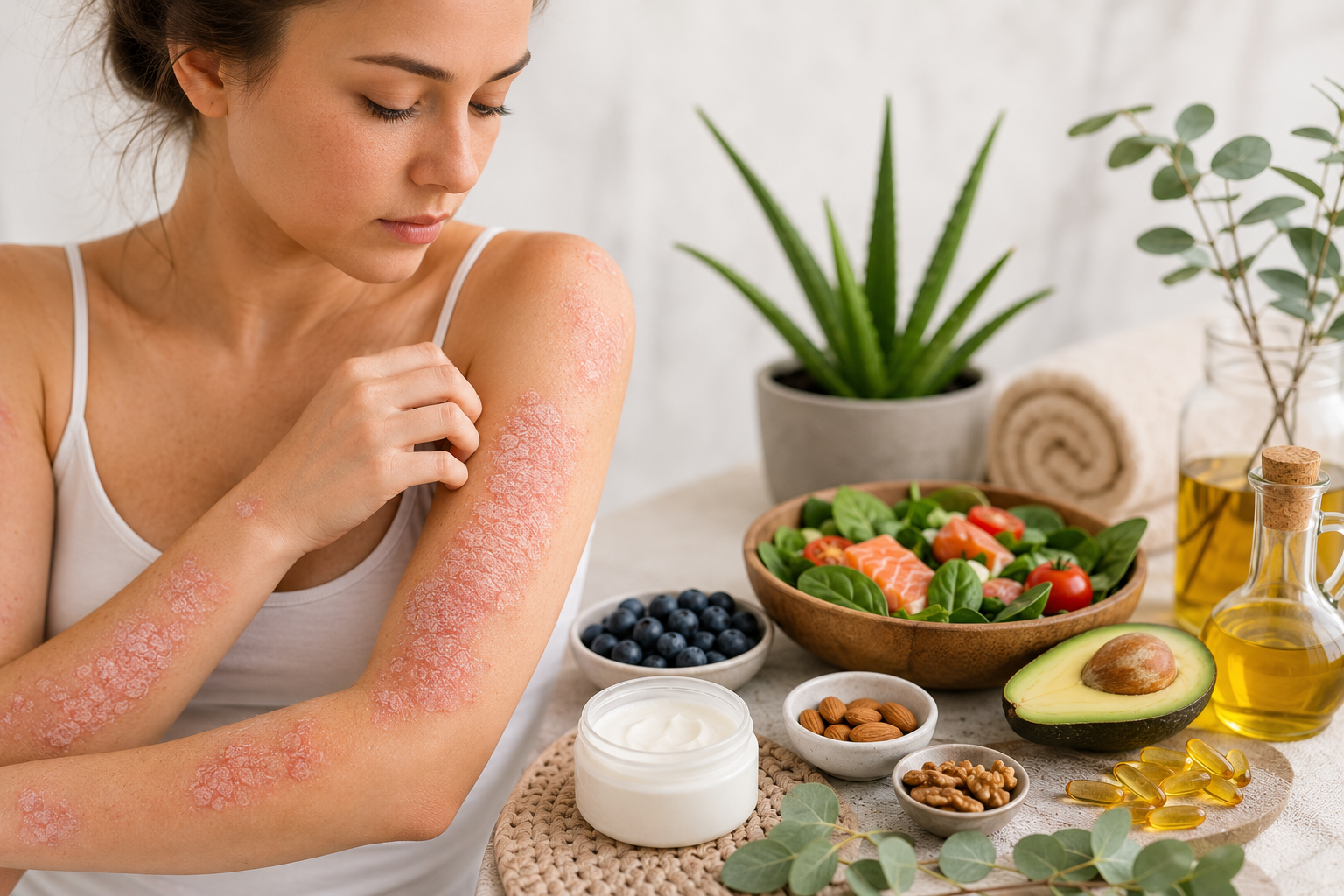
The Importance of Exercise
Exercise offers numerous benefits for individuals with psoriasis.
Physical activity may help:
- Reduce stress
- Support heart health
- Improve mood
- Promote healthy weight management
Women should choose activities they enjoy, such as:
- Walking
- Swimming
- Yoga
- Cycling
- Strength training
Consistency is often more important than intensity.
Regular movement can also help reduce the risk of other health conditions that are sometimes associated with psoriasis, including heart disease and metabolic syndrome.
Moisturize Daily
Keeping the skin moisturized is one of the simplest and most effective ways to manage psoriasis symptoms.
Moisturizers can help:
- Reduce dryness
- Minimize itching
- Improve skin comfort
- Support the skin barrier
Applying moisturizer immediately after bathing may help lock in moisture.
Thicker creams and ointments are often more effective than lightweight lotions for very dry skin.
Consider Gentle Skin Care
People with psoriasis often have sensitive skin.
Gentle skin care practices may help reduce irritation.
Tips include:
- Use fragrance-free products
- Avoid harsh scrubbing
- Take lukewarm showers instead of very hot showers
- Pat skin dry rather than rubbing
Small changes can make a noticeable difference.
It’s also important to avoid picking at scales or scratching affected areas, as this may worsen irritation and potentially trigger additional lesions.
Stress Management Strategies
Because stress can trigger flare-ups, stress reduction may play an important role in symptom management.
Helpful strategies may include:
Meditation
Mindfulness practices may help reduce stress levels.
Deep Breathing
Simple breathing exercises can promote relaxation.
Yoga
Yoga combines movement and stress reduction.
Regular Physical Activity
Exercise supports both physical and emotional health.
Quality Sleep
Adequate rest helps support immune system function and overall wellness.
Journaling
Writing down thoughts and feelings may help reduce emotional stress and improve mental clarity.
Medical Treatments for Psoriasis
Treatment options vary depending on symptom severity.
Common medical treatments include:
Topical Treatments
Creams and ointments may help reduce inflammation and scaling.
Light Therapy
Controlled exposure to certain types of ultraviolet light may improve symptoms.
Oral Medications
Some medications help regulate the immune response.
Biologic Therapies
Biologics target specific parts of the immune system involved in psoriasis.
A dermatologist can help determine the most appropriate treatment plan.
Many people require a combination of treatments and lifestyle changes to achieve the best results.
Possible Complications of Psoriasis
Psoriasis is more than a skin condition. In some cases, it may be associated with other health concerns.
Potential complications include:
- Psoriatic arthritis
- Cardiovascular disease
- High blood pressure
- Type 2 diabetes
- Anxiety
- Depression
This is one reason why managing psoriasis early and maintaining regular medical care is important.
When to See a Doctor
You should consult a healthcare provider if:
- Symptoms interfere with daily life
- Home treatments are not helping
- Joint pain develops
- Symptoms worsen
- Large areas of skin become affected
- You experience signs of infection
Early treatment may help prevent complications and improve quality of life.
Living Well With Psoriasis
Living with psoriasis can be challenging, but many women successfully manage their symptoms and lead healthy, active lives.
The key is understanding your triggers, following a consistent skincare routine, maintaining healthy lifestyle habits, and working closely with your healthcare provider when needed.
Remember that psoriasis does not define who you are. While flare-ups can be frustrating, there are many effective strategies available to help reduce symptoms and improve comfort.
By focusing on overall wellness—including nutrition, exercise, stress management, sleep, and proper medical care—you can take meaningful steps toward healthier skin and a better quality of life.
Final Thoughts
Psoriasis is a chronic autoimmune condition that causes rapid skin cell growth, leading to red, scaly, and often uncomfortable patches of skin. Although there is no cure, many women find relief through a combination of medical treatments, healthy lifestyle choices, stress reduction, and proper skincare.
If you suspect you have psoriasis or your symptoms are becoming difficult to manage, speak with a healthcare professional or dermatologist. Early diagnosis and treatment can make a significant difference in controlling symptoms and protecting your long-term health.
With the right approach, it is possible to reduce flare-ups, improve skin health, and live confidently despite psoriasis.