Why Women of All Ages Must Exercise
Exercise is often associated with weight loss, toned muscles, and athletic performance. While these benefits are certainly valuable, regular physical activity offers much more than a slimmer waistline. For women, exercise is one of the most powerful tools for maintaining overall health, improving mental well-being, preventing chronic disease, and supporting a higher quality of life.
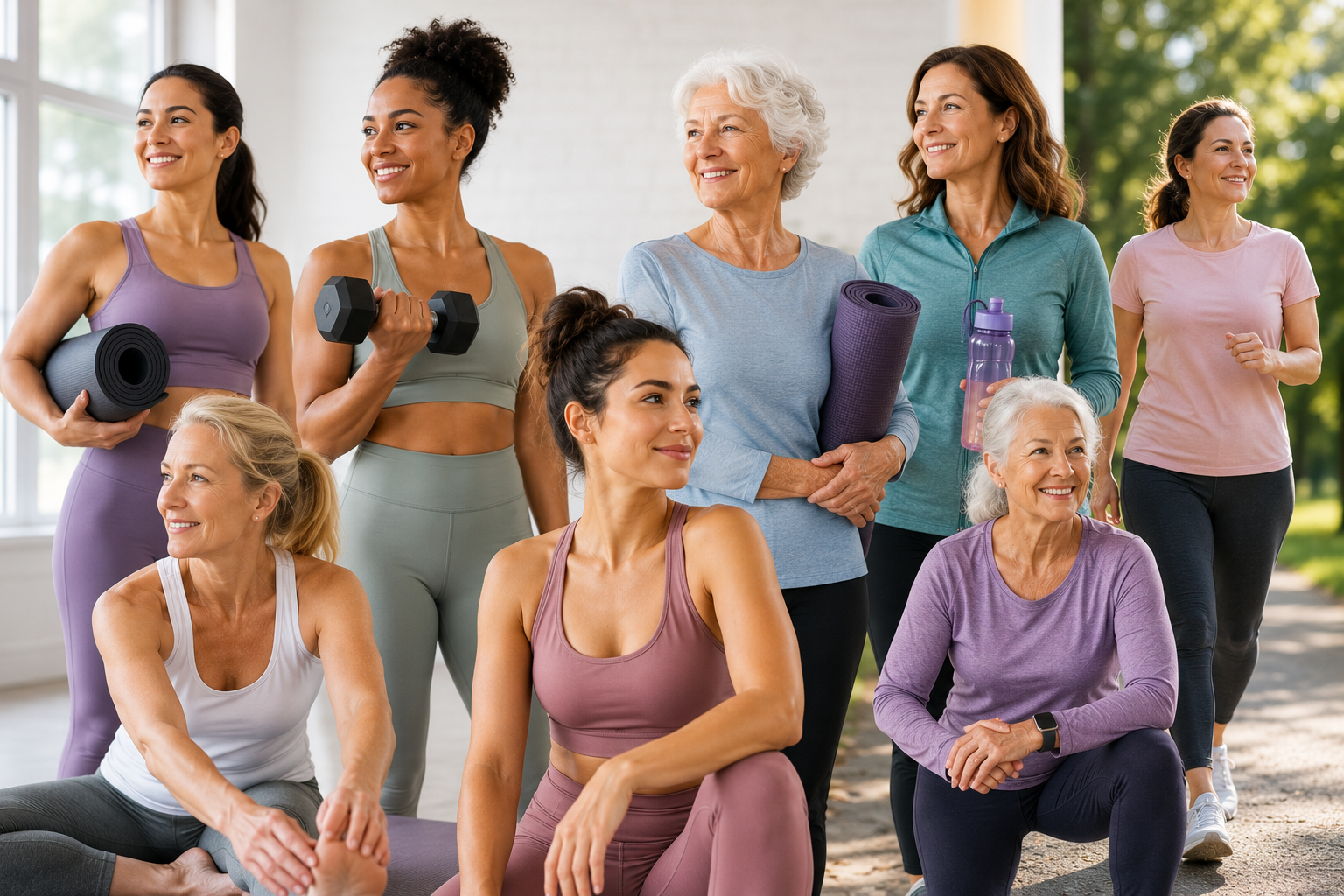
No matter your age, fitness level, or body type, regular exercise can provide significant benefits that extend far beyond appearance. Whether you’re in your twenties, forties, sixties, or beyond, staying active can help you feel stronger, healthier, and more confident.
In this article, we’ll explore why women of all ages must exercise and how physical activity supports health throughout every stage of life.
Exercise Supports Overall Health
The human body was designed to move. Unfortunately, modern lifestyles often involve long periods of sitting, whether at a desk, in a car, or in front of a screen.
Regular exercise helps counteract the effects of a sedentary lifestyle by improving the function of nearly every system in the body.
Physical activity supports:
- Heart health
- Lung function
- Muscle strength
- Bone health
- Brain function
- Immune system health
- Metabolic health
Women who exercise regularly often experience improved energy levels, better sleep, and enhanced overall wellness.
Exercise Helps Maintain a Healthy Weight
Weight management is one of the most commonly discussed benefits of exercise.
Physical activity helps the body burn calories while also supporting muscle development.
Muscle tissue burns more calories when at rest than fat tissue, which can help maintain a healthy metabolism.
In combination with a balanced diet, regular exercise can help:
- Prevent unwanted weight gain
- Support healthy weight loss goals
- Improve body composition
- Reduce excess body fat
It’s important to remember that exercise should not be viewed solely as a tool for weight loss. Even when the scale doesn’t change dramatically, exercise provides numerous health benefits.
Supports Heart Health
Heart disease remains one of the leading health concerns for women.
Regular exercise strengthens the heart muscle and improves circulation throughout the body.
Benefits for cardiovascular health include:
- Lower blood pressure
- Improved cholesterol levels
- Better circulation
- Reduced risk of heart disease
- Improved blood vessel function
Activities such as walking, cycling, swimming, and dancing can all contribute to a healthier cardiovascular system.
Strengthens Bones and Reduces Osteoporosis Risk
As women age, maintaining bone health becomes increasingly important.
Women are at a higher risk for osteoporosis, a condition that causes bones to become weak and fragile.
Bone loss often accelerates after menopause due to declining estrogen levels.
Weight-bearing exercises can help maintain and improve bone density.
Examples include:
- Walking
- Hiking
- Strength training
- Dancing
- Stair climbing
Regular exercise helps keep bones stronger and may reduce the risk of fractures later in life.
Improves Muscle Strength and Mobility
Muscle mass naturally declines with age.
Without regular physical activity, women may experience:
- Reduced strength
- Decreased mobility
- Poor balance
- Increased risk of falls
Strength training exercises help preserve muscle mass and improve functional fitness.
Strong muscles make everyday activities easier, including:
- Carrying groceries
- Climbing stairs
- Lifting objects
- Maintaining independence
Building strength is beneficial for women of all ages, not just athletes.
Boosts Mental Health
Exercise is not only beneficial for the body—it also supports emotional well-being.
Physical activity stimulates the release of chemicals in the brain known as endorphins, often called “feel-good” hormones.
Regular exercise may help:
- Reduce stress
- Improve mood
- Increase self-confidence
- Decrease symptoms of anxiety
- Support emotional resilience
Many women find that exercise provides a healthy outlet for managing daily stress and improving overall mental health.
May Help Reduce Symptoms of Depression
Numerous studies have shown a connection between physical activity and improved mental health.
While exercise is not a replacement for professional treatment when needed, regular physical activity may help reduce symptoms of depression in some individuals.
Exercise can:
- Promote positive feelings
- Improve sleep quality
- Increase energy
- Provide a sense of accomplishment
Even moderate activities such as walking can make a meaningful difference.
Supports Better Sleep
Many women struggle with sleep problems at various stages of life.
Stress, hormonal fluctuations, menopause, and busy schedules can all interfere with restful sleep.
Regular exercise may help:
- Improve sleep quality
- Help you fall asleep faster
- Reduce nighttime awakenings
- Increase daytime energy
Women who exercise consistently often report feeling more rested and refreshed.
Improves Hormonal Health
Hormones influence nearly every aspect of a woman’s health.
While exercise does not “fix” all hormonal issues, it can help support healthy hormonal balance.
Regular physical activity may help regulate:
- Insulin
- Cortisol
- Estrogen
- Progesterone
Exercise can be especially beneficial during:
- Perimenopause
- Menopause
- Times of increased stress
Maintaining an active lifestyle supports overall hormonal health and well-being.
Supports Healthy Blood Sugar Levels
Blood sugar control is important for long-term health.
Physical activity helps the body’s cells become more responsive to insulin, allowing glucose to be used more efficiently.
Benefits include:
- Improved insulin sensitivity
- Better blood sugar regulation
- Reduced risk of type 2 diabetes
- Improved metabolic health
Regular exercise is one of the most effective lifestyle habits for supporting healthy blood sugar levels.
Improves Balance and Coordination
Falls become a greater concern as women age.
Exercises that improve balance and coordination can help reduce this risk.
Examples include:
- Yoga
- Tai chi
- Strength training
- Balance exercises
Better balance contributes to greater independence and confidence in daily activities.
Supports Healthy Aging
Aging is a natural part of life, but exercise can help women remain active and independent for longer.
Regular physical activity supports:
- Mobility
- Flexibility
- Strength
- Bone health
- Cognitive function
Women who exercise consistently often maintain higher levels of physical function as they age.
Exercise may help individuals continue enjoying hobbies, travel, social activities, and everyday tasks.
Enhances Brain Function
Exercise benefits the brain as well as the body.
Research suggests that physical activity may support:
- Memory
- Concentration
- Learning
- Cognitive performance
Improved blood flow to the brain may contribute to better mental sharpness and overall brain health.
For women of all ages, protecting cognitive health is an important part of overall wellness.
Increases Energy Levels
Although it may seem counterintuitive, regular exercise often increases energy rather than depleting it.
Physical activity improves:
- Circulation
- Oxygen delivery
- Cardiovascular fitness
As a result, many women find they have more stamina and feel less fatigued throughout the day.
Even short walks can help improve energy levels.
Exercise Builds Confidence
Exercise can positively impact body image and self-esteem.
As women become stronger and healthier, they often gain confidence in their physical abilities.
This confidence may extend into other areas of life, including:
- Work
- Relationships
- Social situations
- Personal goals
The benefits of exercise are often both physical and emotional.
You Don’t Have to Spend Hours at the Gym
Many women believe they need intense workouts to see benefits.
The truth is that consistency matters more than perfection.
Activities that count as exercise include:
- Walking
- Dancing
- Gardening
- Swimming
- Cycling
- Yoga
- Strength training
- Fitness classes
Even 20 to 30 minutes of movement most days of the week can provide significant health benefits.
The best exercise is often the one you enjoy and can maintain long term.
Tips for Getting Started
If you’re new to exercise, start slowly.
Consider these simple strategies:
- Take daily walks
- Use stairs when possible
- Stretch regularly
- Try beginner workout videos
- Join a fitness class
- Set realistic goals
Small changes can lead to long-term success.
Remember that progress is more important than perfection.
Final Thoughts
Exercise is one of the most powerful investments women can make in their health. From supporting heart health and bone strength to improving mood, sleep, energy, and overall quality of life, the benefits of physical activity are truly remarkable.
Women of all ages can benefit from staying active, regardless of fitness level or experience. Whether you’re just beginning your fitness journey or looking to maintain an active lifestyle, regular exercise can help you feel stronger, healthier, and more confident.
The key is finding activities you enjoy and making movement a regular part of your daily routine. Your future self will thank you for every step, stretch, and workout you do today.
Remember, exercise is not just about looking good—it’s about living well, staying healthy, and supporting your body through every stage of life.