
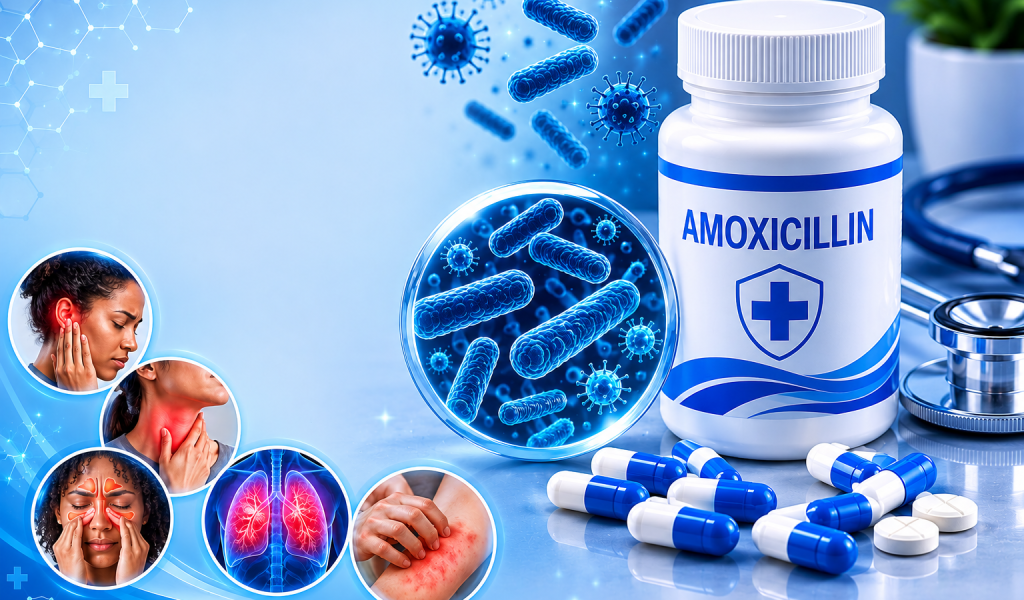


Bacterial infections are common health conditions that occur when harmful bacteria enter the body and multiply. These infections can affect different parts of the body, including the throat, lungs, skin, ears, urinary tract, and sinuses. While some bacterial infections are mild and resolve on their own, others may require medical treatment with antibiotics such as Amoxicillin.
Amoxicillin is one of the most widely prescribed antibiotics in the world. It belongs to the penicillin family and is commonly used to treat a variety of bacterial infections. Understanding how bacterial infections work and how Amoxicillin helps treat them can help patients use antibiotics more safely and effectively.
What Are Bacterial Infections?
Bacteria are microscopic organisms that live almost everywhere, including inside and outside the human body. There are many bacteria that are harmless and even beneficial. However, certain harmful bacteria can invade the body and cause illness.
Bacterial infections occur when harmful bacteria grow rapidly and damage tissues or produce toxins. Symptoms vary depending on the type and location of the infection.
Common symptoms of bacterial infections include:
- Fever
- Swelling
- Redness
- Fatigue
- Pain
- Pus or discharge
- Coughing
- Sore throat
- Diarrhea
Different types of bacteria cause different illnesses. Some infections spread through contaminated food or water, while others spread through coughing, sneezing, cuts, or close physical contact.
Common Types of Bacterial Infections
- Ear Infections
Ear infections are especially common in children. Symptoms may include ear pain, fever, and difficulty hearing. Amoxicillin is often prescribed to treat bacterial ear infections.
- Strep Throat
Strep throat is caused by Streptococcus bacteria. Symptoms include severe sore throat, swollen tonsils, fever, and painful swallowing.
- Sinus Infections
Bacterial sinus infections may cause facial pressure, congestion, thick mucus, headaches, and fever.
- Urinary Tract Infections (UTIs)
UTIs happen when bacteria enter the urinary system. Symptoms include burning during urination, pelvic pain, and frequent urges to urinate.
- Pneumonia
Some cases of pneumonia are caused by bacteria. Symptoms may include chest pain, coughing, fever, chills, and difficulty breathing.
- Skin Infections
Cuts, wounds, or insect bites can become infected with bacteria, leading to redness, swelling, warmth, and pus.
What Is Amoxicillin?
Amoxicillin is an antibiotic medication used to kill bacteria or stop them from growing. It works by interfering with the bacteria’s ability to build protective cell walls, causing the bacteria to die.
Doctors commonly prescribe Amoxicillin because:
- It is effective against many bacterial infections
- It is generally well tolerated
- It is available in capsules, tablets, and liquid forms
- It is often affordable
Amoxicillin is available under several brand names and generic forms.
How Amoxicillin Works
Amoxicillin targets bacterial cells without directly harming human cells. Once taken, the medication enters the bloodstream and travels throughout the body to fight infection-causing bacteria.
The antibiotic begins working relatively quickly, but symptoms may not improve immediately. Patients often start feeling better after a few days of treatment.
However, it is extremely important to finish the entire prescribed course even if symptoms improve early. Stopping antibiotics too soon may allow some bacteria to survive and become resistant.
Conditions Commonly Treated With Amoxicillin
Amoxicillin is commonly used to treat:
- Ear infections
- Strep throat
- Bronchitis
- Pneumonia
- Sinus infections
- Skin infections
- Urinary tract infections
- Dental infections
In some cases, Amoxicillin may be combined with other medications to treat more complex infections.
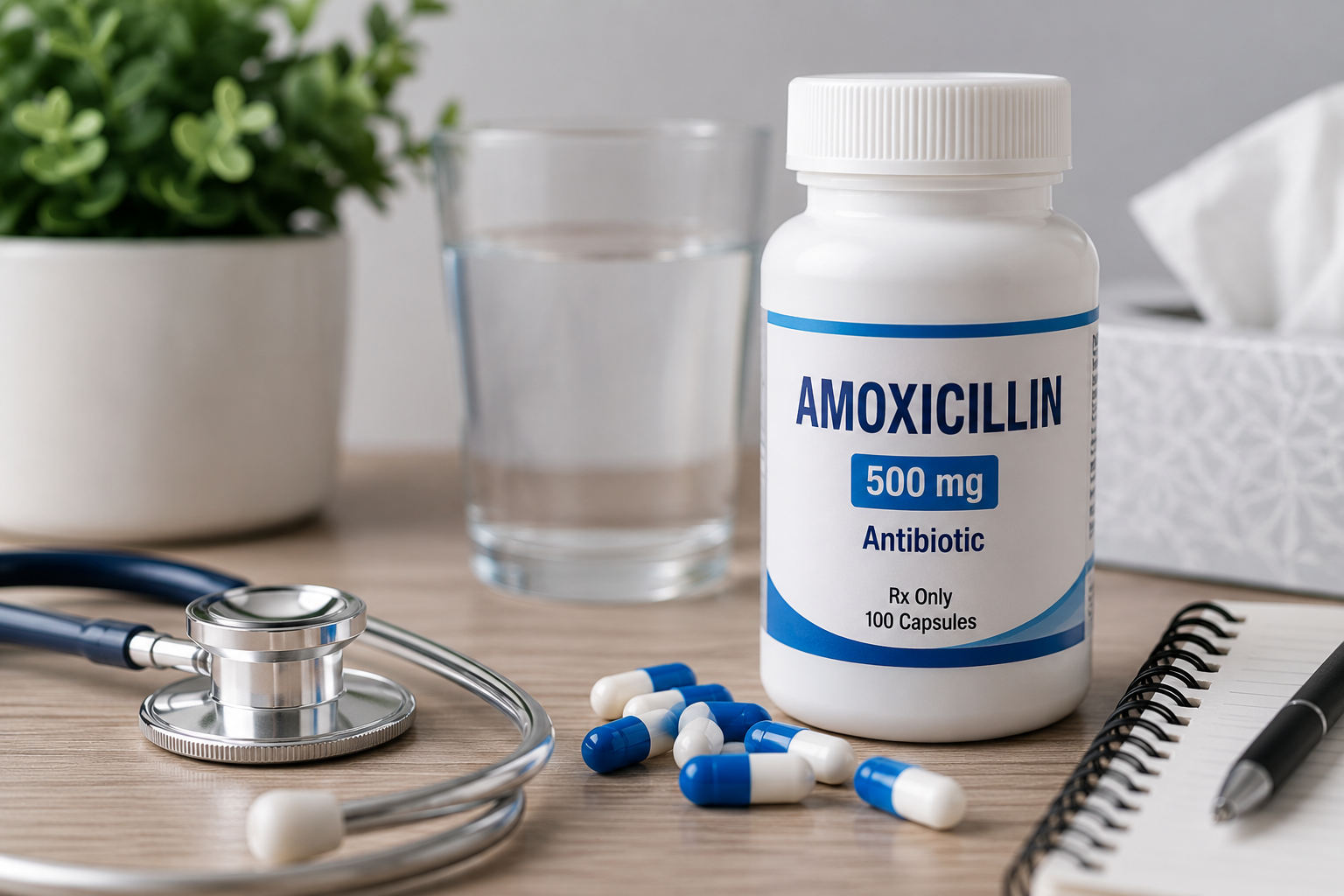
Side Effects of Amoxicillin
Like all medications, Amoxicillin may cause side effects in some people.
Common side effects include:
- Nausea
- Vomiting
- Diarrhea
- Mild rash
- Stomach discomfort
Most side effects are mild, but serious reactions can occur in rare cases.
Seek medical attention immediately if symptoms such as these occur:
- Difficulty breathing
- Severe rash
- Swelling of the face or throat
- Severe diarrhea
- Signs of allergic reaction
Antibiotic Resistance
One major concern in modern medicine is antibiotic resistance. This happens when bacteria adapt and become resistant to antibiotics that once killed them.
Antibiotic resistance can develop when:
- Antibiotics are overused
- Antibiotics are used unnecessarily
- Patients do not finish their prescriptions
- Antibiotics are taken for viral illnesses
It is important to remember that antibiotics like Amoxicillin do not work against viral infections such as:
- The common cold
- Most sore throats
- Influenza (flu)
- COVID-19
Using antibiotics when they are not needed increases the risk of resistant bacteria developing.
Safe Use of Amoxicillin
To use Amoxicillin safely:
- Follow the doctor’s instructions carefully
- Take the medication exactly as prescribed
- Finish the entire course
- Do not share antibiotics with others
- Do not save any leftover antibiotics for future illnesses
Patients should also tell their healthcare provider about:
- Allergies to penicillin
- Pregnancy or breastfeeding
- Other medications being taken
- Medical conditions
Preventing Bacterial Infections
Although antibiotics can treat bacterial infections, prevention is always important.
Ways to reduce the risk of bacterial infections include:
- Washing hands regularly
- Practicing safe food handling
- Keeping wounds clean
- Avoiding close contact with sick individuals
- Staying up to date on vaccinations
- Maintaining a healthy immune system
Healthy lifestyle habits such as proper nutrition, exercise, hydration, and adequate sleep can also support immune health.
When to See a Doctor
People should seek medical attention if they experience:
- High fever
- Difficulty breathing
- Severe pain
- Persistent symptoms
- Symptoms that worsen over time
- Signs of dehydration
A healthcare provider can determine whether an infection is bacterial or viral and recommend the appropriate treatment.
Conclusion
Bacterial infections can range from mild to serious, affecting many different parts of the body. Amoxicillin remains one of the most commonly prescribed antibiotics for treating bacterial illnesses due to its effectiveness and availability.
However, antibiotics should always be used responsibly. Misuse can contribute to antibiotic resistance, making infections harder to treat in the future. Understanding how bacterial infections work and how medications like Amoxicillin help fight them can encourage safer and more effective treatment practices.
Always consult a qualified healthcare professional before starting or stopping any medication.