Nettle Health Benefits: This Powerful Plant Is Making a Comeback
For centuries, nettle has been used as a natural remedy in wellness practices around the world. While many people know nettle as the plant that can sting your skin when touched, fewer realize that this nutrient-rich herb offered a wide variety of health benefits. Today, nettle is gaining popularity in teas, supplements, powders, and wellness routines because of its impressive nutritional profile and potential support for energy, inflammation, and overall health.
If you have been curious about natural wellness remedies, learning more about nettle could be worthwhile. From supporting healthy iron levels to helping with seasonal allergies, this powerful plant has become a favorite among people looking for more natural ways to support their health.
What Is Nettle?
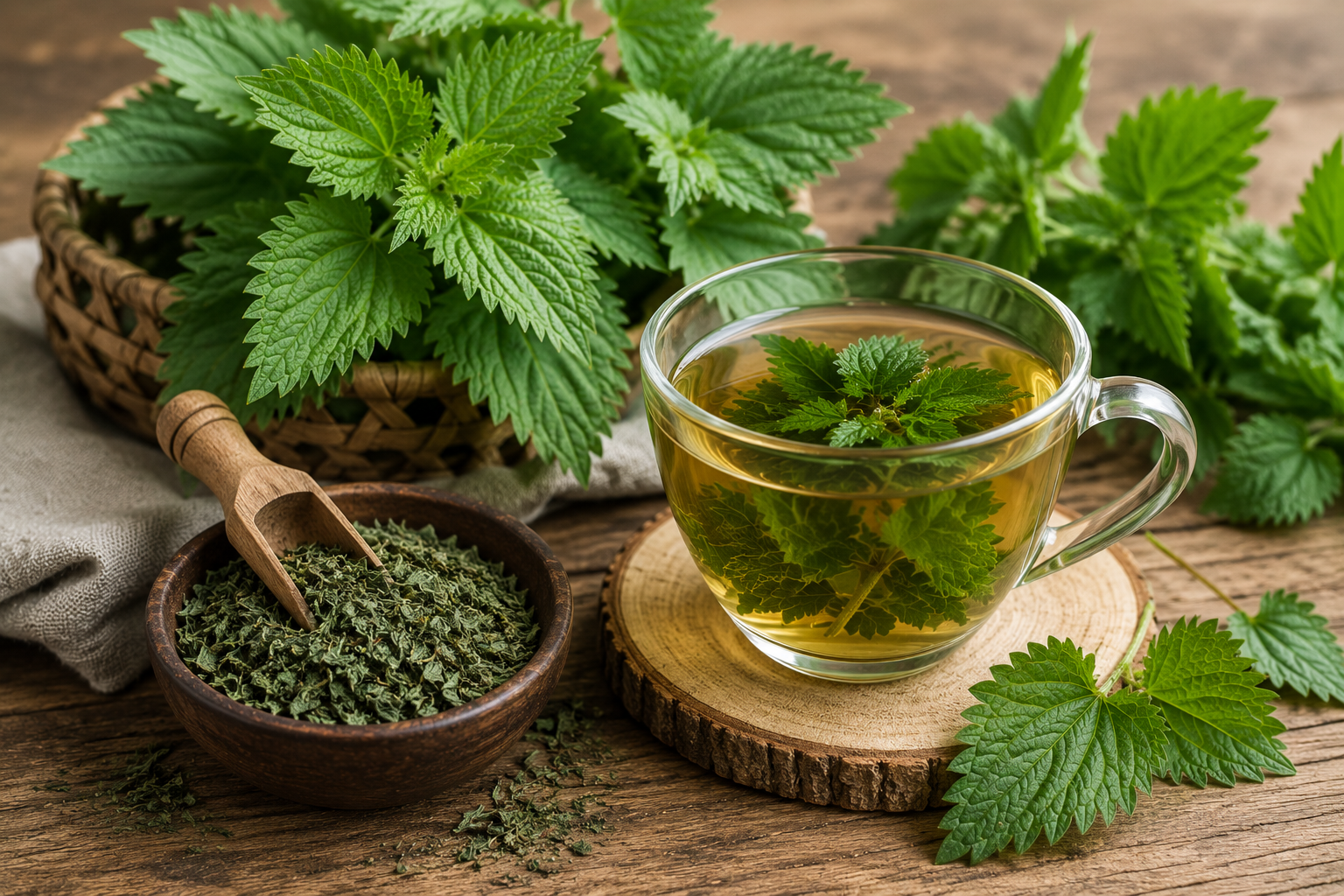
Nettle, often called stinging nettle, is a leafy green plant scientifically known as Urtica dioica. It grows in many parts of the world including Europe, North America, Asia, and Africa. The plant contains tiny hairs on its leaves and stems that release chemicals when touched, causing a temporary stinging sensation.
Once nettle is cooked, dried, or steeped into tea, the sting disappears, making it safe to consume in many forms. Nettle leaves, roots, and stems have all been used in herbal wellness traditions for generations.
Nutritional Value of Nettle
Nettle is so respected in the wellness world because it contains a variety of nutrients. Nettle is rich in:
- Iron
- Calcium
- Magnesium
- Potassium
- Vitamin A
- Vitamin C
- Vitamin K
- Antioxidants
- Chlorophyll
These nutrients may help support many areas of the body, including immune health, energy production, bone strength, and circulation.
Because nettle contains iron and vitamin C together, some people use it as part of a wellness routine to help support healthy iron levels naturally.
Nettle May Support Energy Levels
Many people struggle with low energy due to stress, poor nutrition, lack of sleep, or demanding lifestyles. Since nettle contains iron, magnesium, and B vitamins, it may help support healthy energy production in the body.
Iron is especially important because it helps transport oxygen through the bloodstream. When iron levels are low, people may feel tired, weak, or sluggish. While nettle is not a replacement for medical treatment, some individuals include nettle tea or supplements in their wellness routine to support overall vitality.
Women, especially those dealing with heavy menstrual cycles, sometimes turn to nettle as a natural source of minerals and nourishment.
Nettle and Inflammation
Another reason nettle has become popular is its potential anti-inflammatory properties. Chronic inflammation has been linked to many health concerns, including joint discomfort, fatigue, and overall wellness challenges.
Nettle contains plant compounds and antioxidants that may help reduce oxidative stress in your body. Some studies suggest nettle may help support joint comfort and mobility, making it popular among individuals looking for natural wellness support.
Many people drink nettle tea regularly as part of a balanced lifestyle focused on reducing inflammation naturally.
Nettle May Help With Seasonal Allergies
One of the most talked-about nettle benefits is its possible ability to help support seasonal allergy relief. Some research suggests nettle may influence histamine activity in the body.
Histamine is a chemical involved in allergy symptoms such as:
- Sneezing
- Itchy eyes
- Runny nose
- Nasal congestion
Because of this, nettle is often found in natural allergy support supplements and teas. While results vary from person to person, many people enjoy using nettle during allergy season as part of their wellness routine.
Supports Healthy Hair and Skin
Nettle is also becoming increasingly popular in beauty and self-care products. Because it contains antioxidants, silica, sulfur, and vitamins, nettle may help support healthy skin and hair.
Some people use nettle for:
- Supporting hair growth
- Reducing oily scalp buildup
- Promoting shinier hair
- Supporting clearer-looking skin
Nettle extracts are commonly added to shampoos, conditioners, herbal rinses, and skincare products. Drinking nettle tea may also help nourish the body from within thanks to its vitamin and mineral content.
Nettle May Support Women’s Wellness
Women often experience unique wellness challenges related to hormones, stress, fatigue, and nutritional deficiencies. Nettle has become especially popular among women looking for gentle, plant-based wellness support.
Some women use nettle as part of routines focused on:
- Supporting energy levels
- Nourishing the body during menstruation
- Supporting healthy circulation
- Maintaining overall wellness
Because nettle contains iron and minerals, it is sometimes used by women who want more nutrient-dense herbal options in their daily routine.
Rich in Antioxidants
Antioxidants help protect the body from oxidative stress caused by free radicals. Over time, oxidative stress may contribute to aging and other health concerns.
Nettle contains antioxidants such as:
- Polyphenols
- Carotenoids
- Vitamin C
These compounds may help support cellular health and overall wellness. Antioxidant-rich foods and herbs are often encouraged as part of a balanced diet focused on long-term health.
Nettle and Blood Sugar Support
Some early studies suggest nettle may help support healthy blood sugar balance already within normal ranges. Researchers are still learning more about how nettle interacts with metabolism and insulin sensitivity.
Although more research is needed, this has increased interest in nettle among people focused on healthy lifestyle habits and metabolic wellness.
It is important for anyone with blood sugar concerns or medical conditions to speak with a healthcare professional before using herbal supplements regularly.
 Supports Urinary Health
Traditionally, nettle has also been used to support urinary tract health. Nettle root is commonly found in supplements designed to support healthy urinary function, especially for aging men.
The plant may help encourage healthy fluid balance and support normal urinary flow. Herbal practitioners have used nettle for these purposes for many years.
Ways to Use Nettle
There are several ways people enjoy nettle today. Some of the most common ways include:
Nettle Tea
Nettle tea is one of the easiest and most popular ways to consume nettle. It has an earthy, grassy flavor and can be enjoyed hot or iced.
Nettle Capsules
Capsules and supplements offer a convenient option for those who prefer not to drink herbal teas.
Nettle Powder
Nettle powder can be blended into smoothies, soups, or wellness drinks.
Fresh Nettle
Cooked nettle leaves can be added to soups, pasta dishes, and recipes similarly to spinach.
Possible Side Effects and Precautions
Although nettle is generally considered safe for many people, it may not be suitable for everyone.
Possible side effects may include:
- Mild stomach upset
- Skin irritation from fresh leaves
- Interactions with certain medications
People who are pregnant, breastfeeding, taking blood pressure medication, blood thinners, or diabetes medication should speak with a healthcare professional before using nettle supplements regularly.
Fresh nettle should also be handled carefully because the tiny hairs can irritate the skin.
In conclusion
Nettle is far more than a wild plant growing in fields and forests. This nutrient-rich herb has been valued for generations and continues to attract attention for its potential wellness benefits.
From supporting energy and healthy iron levels to promoting skin, hair, and seasonal wellness, nettle offers a variety of possible health-supporting properties. While it is not a miracle cure, it can be a nourishing addition to a balanced lifestyle focused on overall wellness.
As interest in natural health continues to grow, nettle remains one of the most respected herbs in traditional wellness practices. Whether enjoyed as a tea, supplement, or added to meals, this powerful plant may offer gentle support for those looking to nourish their bodies naturally.